
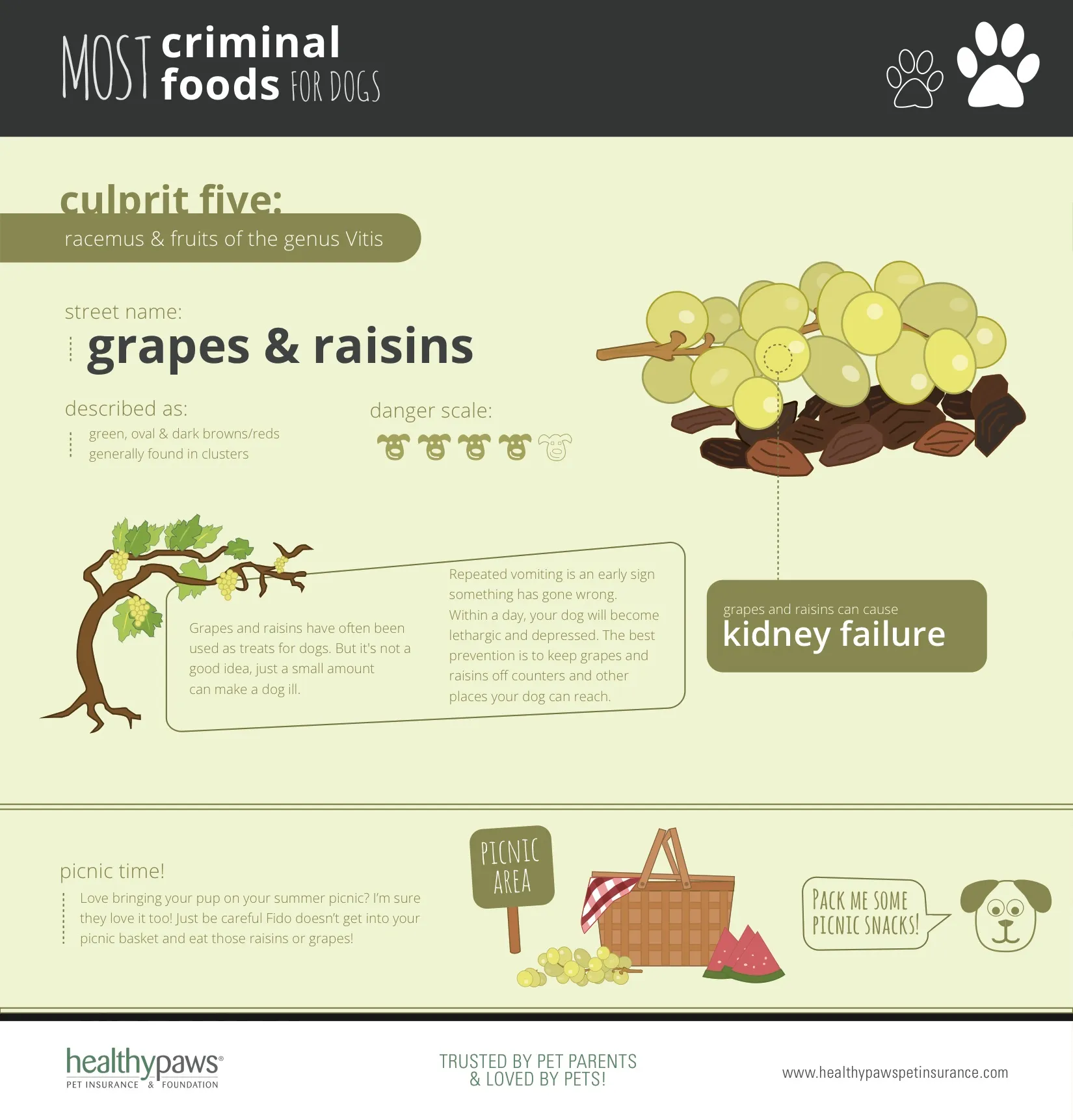
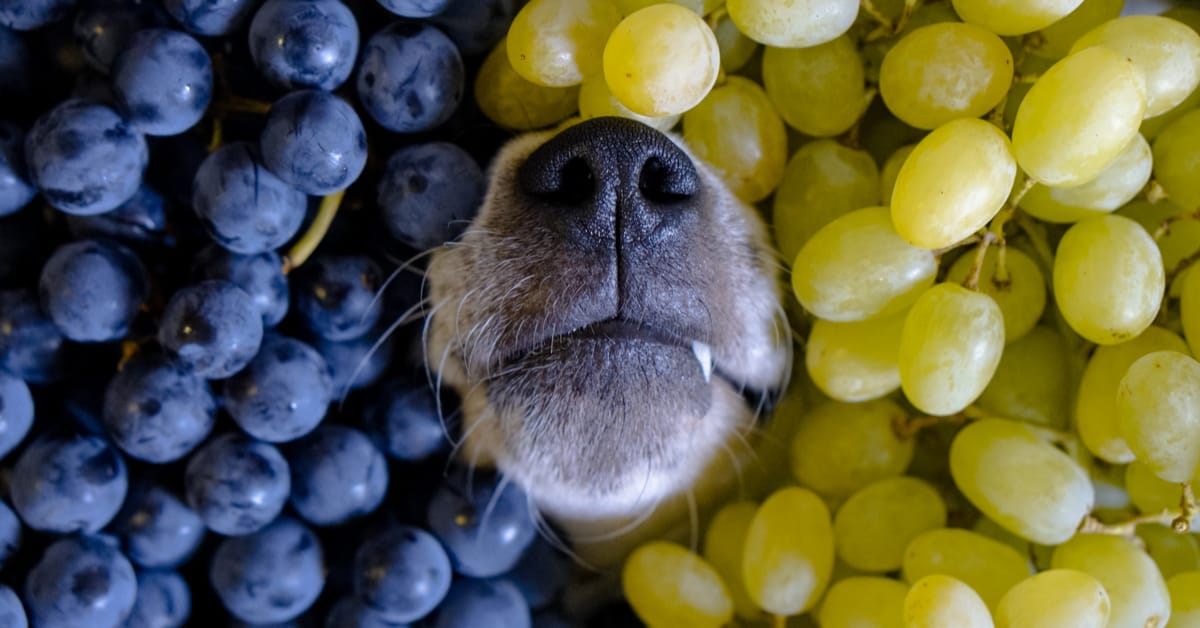
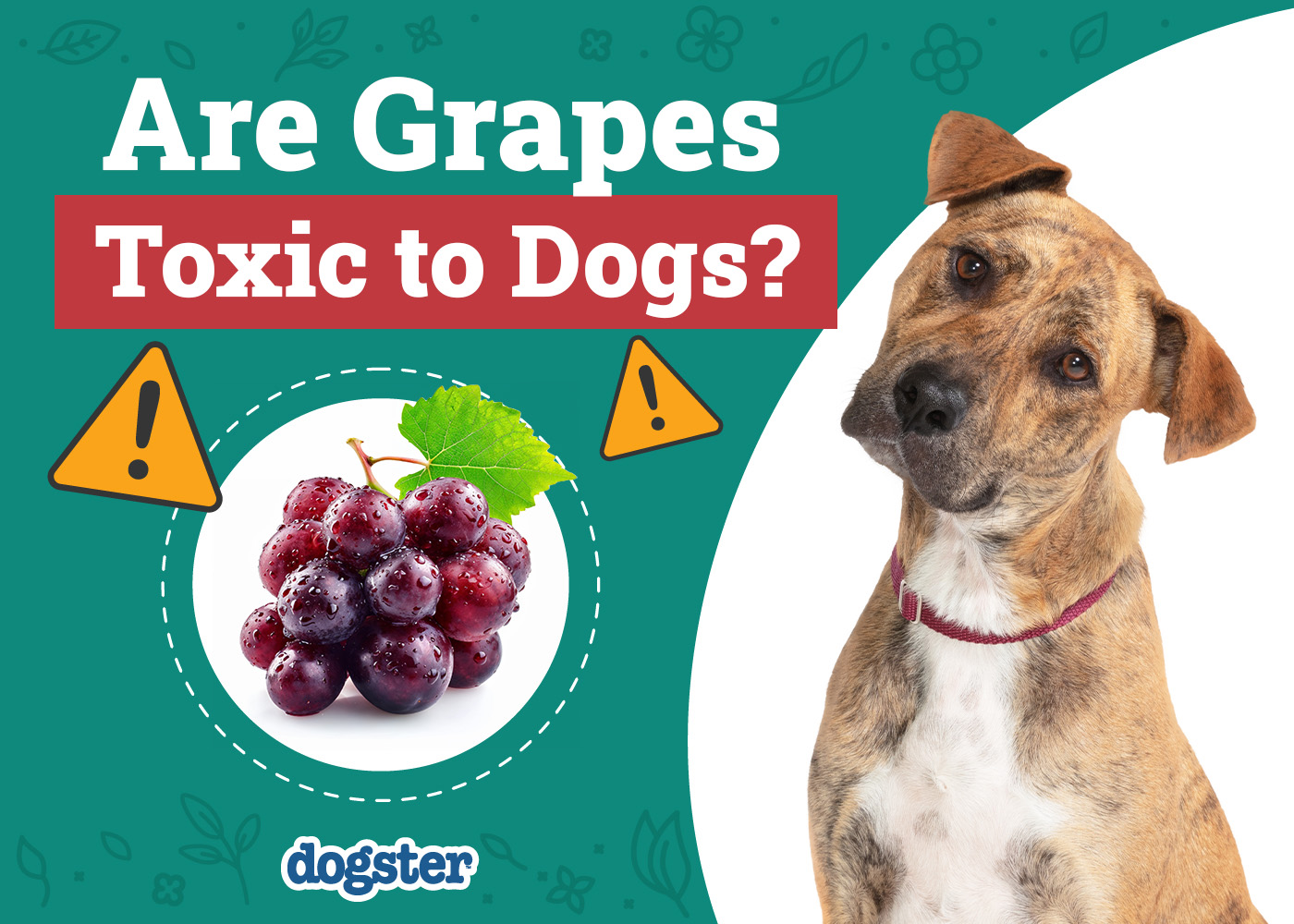
The inclusion of grapes and raisins in a canine diet represents a significant, often misunderstood, threat within the realm of pet health. While human nutrition often emphasizes the benefits of fruit as a source of antioxidants and fiber, the physiological response of canines to specific compounds found in grapes can be devastatingly different. Understanding the chemical nature of this toxicity is not merely a matter of pet care; it is an essential component of responsible pet ownership that mirrors the necessity of risk management in any asset-based household. When a dog consumes even a small quantity of grapes or raisins, they are exposed to a biological hazard that can lead to acute renal failure, a condition that is often irreversible if not addressed within a narrow window of intervention.
The Biochemical Mystery: Identifying the Nephrotoxin
For years, the veterinary community has grappled with identifying the exact compound responsible for the sudden kidney damage observed in dogs post-ingestion. Unlike other known toxicities—such as chocolate, where the culprit is identified as theobromine, or xylitol, where the culprit is a sugar alcohol—grapes present a more elusive challenge.
The Tartaric Acid Hypothesis
Recent research has shifted the focus toward tartaric acid as the primary candidate for the toxic agent. Tartaric acid is a naturally occurring dicarboxylic acid found in high concentrations in grapes and tamarinds. In humans, the body processes these acids without difficulty; however, the canine metabolic pathway appears significantly less efficient at clearing these compounds. When ingested, the accumulation of tartaric acid may trigger a rapid onset of acute kidney injury (AKI).
Variability in Canine Sensitivity
One of the most frustrating aspects for pet owners and veterinarians alike is the lack of a universal dosage threshold. Some dogs may consume a handful of grapes with no immediate clinical symptoms, while others exhibit severe systemic distress after consuming just one or two. This variability suggests that individual genetic predispositions, pre-existing kidney health, and potentially the specific cultivar of the grape play roles in the severity of the reaction. Much like an unpredictable market trend, the absence of a consistent “safe limit” makes total avoidance the only viable strategy for prevention.
Clinical Manifestations and Physiological Impact
When a dog ingests toxic material, the body enters a state of acute crisis. Recognizing the clinical signs of grape toxicity is the difference between a successful intervention and a fatal outcome. The physiological impact is localized primarily within the renal system, specifically affecting the proximal renal tubules.
Immediate Symptoms and Behavioral Changes
The initial signs of toxicity often manifest within a few hours of ingestion. Owners should be hyper-vigilant for the following indicators:
- Gastrointestinal Distress: Vomiting is frequently the first sign, often occurring within the first two to six hours. This is the body’s reflexive attempt to purge the toxins.
- Lethargy and Weakness: As the kidneys begin to struggle with filtration, toxins accumulate in the bloodstream, leading to visible lethargy, decreased appetite, and a general malaise.
- Abdominal Pain: Dogs may exhibit signs of discomfort, such as stretching or pacing, as the kidneys become inflamed and swollen.
The Progression to Acute Renal Failure
If the toxins are not purged or neutralized early, the condition progresses to the second phase: complete or partial renal shutdown. This is characterized by oliguria or anuria—a significant decrease or total cessation of urine production. As the kidneys lose their ability to maintain fluid balance and electrolyte homeostasis, the dog’s blood chemistry shifts dramatically. Calcium levels may spike (hypercalcemia), and creatinine and blood urea nitrogen (BUN) levels skyrocket. This is a medical emergency that requires aggressive fluid therapy to flush the toxins and support renal function.
Strategic Prevention and Risk Mitigation
In any domain—whether it is financial planning or household management—mitigation of risk is superior to crisis management. Protecting a pet from grape toxicity requires the implementation of strict protocols within the home environment.
Securing the Household Environment
The primary source of exposure is accidental ingestion. Grapes and raisins are common household staples, often found in fruit bowls, school lunches, and various baked goods. To minimize the risk:
- Strict Storage Policies: Keep all fruits that contain grapes or raisins in high, sealed containers. Never leave grocery bags unattended on the floor where a dog can easily access them.
- Educating Household Members: Ensure that all family members, particularly children, understand that grapes are non-negotiable toxins for the dog. The habit of “sharing” human food must be restricted to dog-safe alternatives, such as blueberries or apple slices (without seeds).
- Ingredient Vigilance: Always read labels on store-bought snacks. Raisins are frequently hidden in health bars, trail mixes, and cereals. If an item contains grapes or raisins, it must be stored with the same level of care as household chemicals.
What to Do in Case of Ingestion
If you suspect or confirm that your dog has consumed grapes or raisins, speed is your greatest asset. Time is the most critical variable in the prognosis.
- Immediate Consultation: Contact your veterinarian or an emergency animal poison control center immediately. Do not wait for symptoms to appear. The delay between ingestion and the onset of clinical symptoms can lead to a false sense of security.
- Inducing Emesis: Under strict veterinary guidance, inducing vomiting may be necessary to remove the fruit from the stomach before it is absorbed into the bloodstream. Do not attempt this at home without direct professional instruction, as improper administration can lead to aspiration pneumonia.
- Professional Monitoring: In a clinical setting, doctors will often perform a “washout” procedure, providing intravenous fluids to force the kidneys to continue filtering and preventing the toxins from crystallizing in the renal tubules.
The Economic and Emotional Cost of Oversight
The impact of a veterinary emergency extends beyond the immediate health of the animal; it represents a significant unexpected financial burden. Acute renal failure treatment involves hospitalization, IV fluids, repeated blood chemistry panels, and potential long-term care for kidney damage.
Investing in Preventive Health
When viewing pet ownership through the lens of long-term planning, preventative measures are always the most efficient allocation of resources. Routine wellness checks allow veterinarians to monitor baseline kidney values, which can provide early warning signs of underlying vulnerabilities. Furthermore, ensuring that the dog’s diet consists strictly of nutritionally balanced, dog-specific food reduces the temptation for the pet to scavenge for human food items that might contain hidden hazards.
The Role of Responsible Stewardship
Ultimately, the toxicity of grapes in dogs serves as a reminder of the fundamental differences between human and canine biology. We cannot project our own nutritional habits onto our pets. The responsibility lies with the owner to maintain an environment where such risks are eliminated. By treating the threat of grape toxicity with the same seriousness one would apply to high-stakes decision-making, pet owners can ensure the safety and longevity of their companions.
The science behind the toxicity remains an active field of study, but the pragmatic takeaway remains constant: there is no safe amount of grape or raisin consumption for a dog. Whether it is a single grape dropped on the kitchen floor or a handful of raisins in a trail mix, the potential for catastrophic renal failure is too high to ignore. Awareness, education, and strict environmental control are the most effective tools in a pet owner’s arsenal. By prioritizing these practices, we protect our pets from preventable suffering and ensure that our households remain safe havens rather than potential zones of accidental exposure.
aViewFromTheCave is a participant in the Amazon Services LLC Associates Program, an affiliate advertising program designed to provide a means for sites to earn advertising fees by advertising and linking to Amazon.com. Amazon, the Amazon logo, AmazonSupply, and the AmazonSupply logo are trademarks of Amazon.com, Inc. or its affiliates. As an Amazon Associate we earn affiliate commissions from qualifying purchases.