
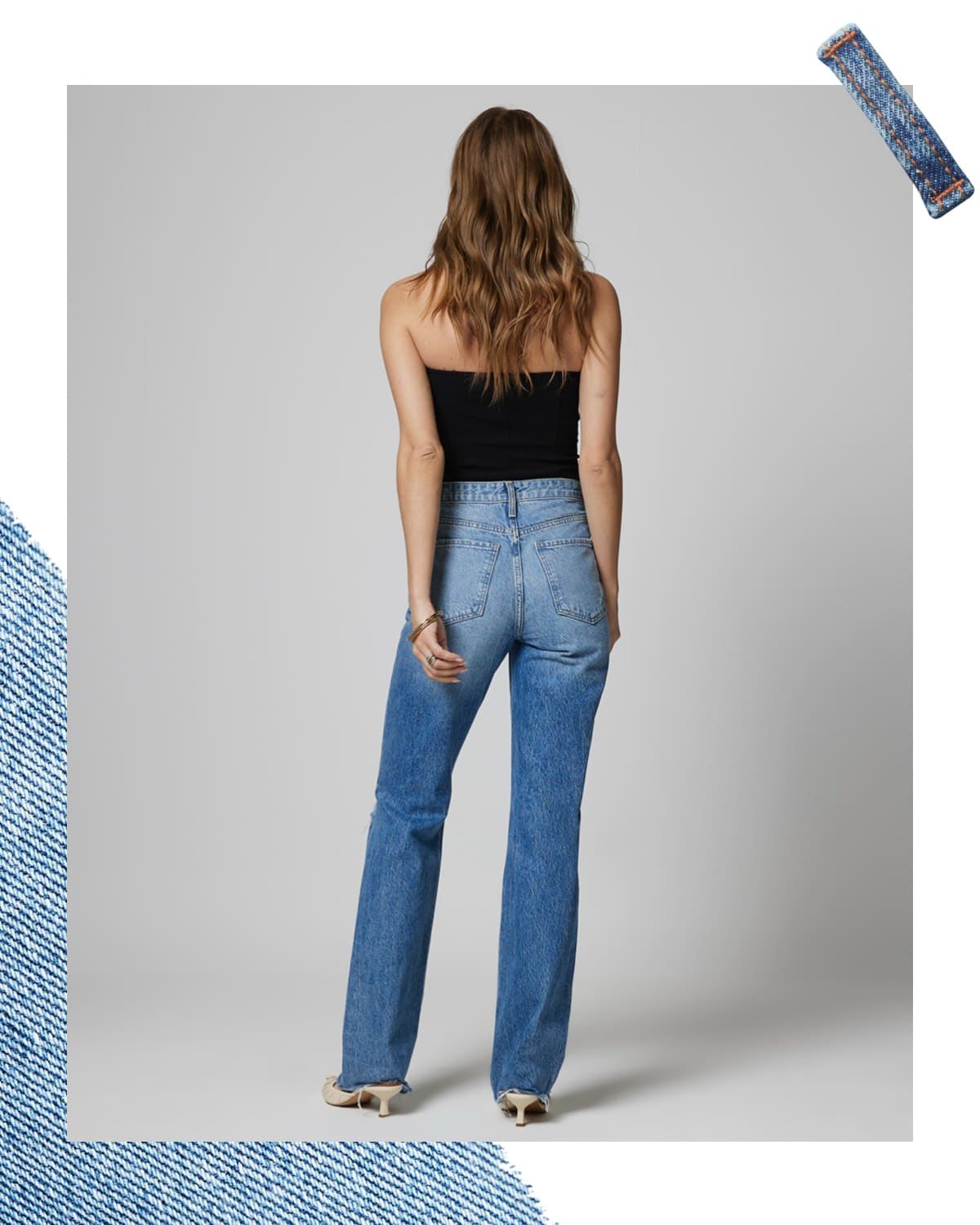
Stovepipe jeans represent a distinctive silhouette in the vast landscape of denim fashion, characterized by a fit that is neither skin-tight nor overly baggy, offering a clean, straight line from the knee down to the ankle. Their name evokes the imagery of an old-fashioned stovepipe: narrow, cylindrical, and uniform in width. This particular cut has a rich history and continues to hold relevance in contemporary style, influencing both personal branding and the strategic offerings of major apparel brands. Understanding stovepipe jeans goes beyond merely recognizing a denim style; it delves into the design principles, aesthetic impact, and market positioning that define its enduring appeal.
The Anatomy of a Classic Silhouette
At its core, the stovepipe jean is defined by a precise set of design characteristics that contribute to its unique aesthetic. These aren’t just arbitrary measurements but deliberate choices that shape how the garment interacts with the body and contributes to an overall look.
Defining the Fit
The hallmark of stovepipe jeans is their consistent, straight fit from the knee to the leg opening. Unlike skinny jeans which taper significantly, or bootcut jeans which flare, stovepipes maintain a relatively uniform width. This creates a streamlined, elongated appearance without clinging to the leg. The waist can vary from high-rise to mid-rise, but the defining feature remains the leg. They typically sit comfortably through the hip and thigh, then fall straight, allowing for ease of movement while still presenting a tailored, polished profile. This balance between comfort and structure is a key design consideration, influencing wearer experience and aesthetic outcome. The leg opening, while not wide, is usually generous enough to sit over most shoes without bunching, contributing to a clean visual line.
Key Design Characteristics
Several design elements collectively define the stovepipe silhouette:
- Straight Leg: This is the most critical feature. The circumference of the leg opening is often very similar to the circumference at the knee, ensuring a non-tapered descent. This design choice visually lengthens the leg, creating a sleek foundation for various outfits.
- Mid to High Rise: While exceptions exist, many classic stovepipe designs feature a mid to high waist. This rise contributes to the flattering silhouette by cinching the waist and elongating the lower body, a strategic design element for enhancing perceived proportions.
- Structured Fabric: Often, stovepipe jeans are crafted from denim with less stretch compared to their super-skinny counterparts. This firmer fabric helps maintain the integrity of the straight line, preventing the fabric from clinging and ensuring the intended shape holds throughout wear. The weight and weave of the denim are crucial design decisions, impacting drape, durability, and the overall feel of the garment.
- Minimalist Detailing: True to their classic nature, stovepipe jeans often forgo excessive embellishments. The focus is on the cut and the quality of the denim itself. This design simplicity makes them incredibly versatile, allowing the wearer or the brand to dictate the overall style through pairing choices.
Historical Roots and Evolution
The stovepipe silhouette isn’t new; its origins can be traced back to the mid-20th century, notably gaining prominence in the 1950s and early 1960s. Icons like Marilyn Monroe and James Dean were often seen in straight-leg denim, which, at the time, was a departure from workwear functionality and became a symbol of rebellious youth and effortless cool. This historical context is vital for brands aiming to tap into a sense of nostalgia or timeless appeal. Over the decades, the stovepipe has re-emerged periodically, often in response to an oversaturation of other dominant styles, such as super-skinny or wide-leg jeans. Each resurgence sees subtle design updates—a shift in rise, a tweak in wash, or the incorporation of new denim technologies—but the core straight-leg principle remains. This cyclical nature underscores its status as a foundational design in denim, a style that always finds its way back into the fashion lexicon.
Stovepipe Jeans in Personal Branding and Style
Beyond their intrinsic design, stovepipe jeans play a significant role in personal branding, offering a versatile canvas for individuals to express their style and for brands to curate specific aesthetics for their clientele. The choice of denim style is a conscious decision that communicates intent and perception.
Versatility in Wardrobe Building
One of the stovepipe’s greatest strengths in personal branding is its unparalleled versatility. Its balanced silhouette makes it an ideal foundation for a multitude of looks, from casual to smart-casual. For an individual, this means investing in a piece that can seamlessly transition across different occasions, making a powerful statement about efficiency and adaptability in one’s personal style. It pairs effortlessly with everything from graphic tees and sneakers for a relaxed weekend vibe to tailored blazers and loafers for a more polished, professional appearance. This adaptability allows individuals to maintain a consistent core aesthetic while exploring diverse styling options, reinforcing a cohesive personal brand image. For a brand, highlighting this versatility in marketing speaks to a broad consumer base looking for adaptable wardrobe solutions.
Cultivating a Specific Aesthetic

The straight, clean lines of stovepipe jeans inherently lend themselves to certain aesthetic preferences. They often evoke a sense of understated sophistication, a touch of retro charm, or a minimalist sensibility. For individuals aiming to project a classic, refined, or slightly vintage-inspired personal brand, stovepipe jeans are an essential component. They avoid the overtly trendy pitfalls of some other cuts, allowing the wearer’s personality and the quality of their accompanying pieces to shine through. This makes them perfect for those who value timeless elegance over fleeting trends, aligning with a personal brand built on enduring style and discerning taste. Brands often leverage this inherent aesthetic, positioning stovepipe jeans as key pieces for collections targeting consumers who appreciate heritage and quality craftsmanship.
Strategic Styling for Impact
How one styles stovepipe jeans can significantly amplify their personal brand message. Cropping them to hit just above the ankle, for example, can highlight footwear and create a contemporary, deliberate look, suggesting attention to detail. Cuffing them can add a relaxed, casual touch, conveying an approachable persona. Paired with a structured top, they can create a sharp, professional image, while with an oversized sweater, they offer a comfortable yet stylish vibe. These deliberate styling choices are tools for personal branding, allowing individuals to fine-tune the narrative of their appearance. For stylists and personal shoppers, understanding these nuances is crucial for advising clients on how to effectively use stovepipe jeans to communicate their desired brand identity. Brands, in turn, demonstrate styling options in their lookbooks and campaigns to inspire customers and showcase the full potential of the garment.
Brand Identity and Market Positioning
For apparel brands, stovepipe jeans are more than just another product; they represent a strategic choice in brand identity and market positioning. Integrating this silhouette into a collection requires an understanding of its appeal and how it differentiates the brand in a competitive marketplace.
Differentiating Through Design
In a denim market saturated with various cuts, offering a well-executed stovepipe jean can be a significant differentiator for a brand. It allows a brand to signal its commitment to classic style, quality construction, and a sophisticated aesthetic. Brands that prioritize timeless design often feature stovepipes prominently, distinguishing themselves from fast-fashion retailers focused solely on ephemeral trends. The specific wash, distressing (or lack thereof), and hardware choices on a stovepipe jean can also become brand signatures, creating a recognizable aesthetic that resonates with their target audience. This design-led differentiation builds brand equity and fosters loyalty among consumers who appreciate thoughtful design.
Appealing to Target Demographics
The stovepipe silhouette appeals to a diverse demographic, but specific iterations can be tailored to target particular segments. For example, a premium brand might offer raw denim stovepipes for denim connoisseurs who appreciate the aging process of quality denim, signaling a niche appeal. A contemporary fashion brand might introduce stovepipes with unique washes or slight modifications to the rise and leg opening to attract a younger, fashion-forward audience looking for a modern twist on a classic. Understanding these demographic nuances allows brands to craft stovepipe offerings that align with the values and style preferences of their ideal customer, optimizing their marketing efforts and ensuring product relevance.
Integrating into Brand Collections
Successfully incorporating stovepipe jeans into a broader collection involves ensuring they complement other brand offerings. Are they paired with oversized knitwear for a relaxed luxury feel? Are they presented alongside sharp blazers and blouses for a more professional bent? The context in which a brand presents its stovepipe jeans dictates how they are perceived by the market. A cohesive collection where the stovepipe jeans align with the overall brand narrative—be it minimalist, bohemian, heritage, or avant-garde—strengthens the brand’s identity and provides a clear message to consumers. This strategic integration is crucial for building a recognizable and desirable brand image in the competitive fashion industry.
The Resurgence and Enduring Appeal
The cyclical nature of fashion ensures that certain styles, like the stovepipe jean, experience periods of heightened popularity. However, its enduring appeal lies in its fundamental strengths that transcend transient trends.
Adapting to Modern Trends
While fundamentally a classic, the stovepipe has proven highly adaptable. Designers continually reinterpret the silhouette, incorporating current trends without sacrificing its core identity. This might involve experimenting with sustainable denim fabrics, introducing new finishes like coated denim, or adjusting the leg opening width by a mere inch to create a contemporary feel. This ability to subtly evolve while maintaining its distinctive character allows stovepipe jeans to remain relevant and fresh, appealing to both those seeking a retro nod and those desiring a modern staple.

A Timeless Fashion Statement
Ultimately, stovepipe jeans have cemented their place as a timeless fashion statement because of their elegant simplicity and flattering cut. They offer a sophisticated alternative to more extreme denim styles, providing a foundation for building a wardrobe that is both current and enduring. For individuals, they represent a reliable choice that projects confidence and discernment. For brands, they are a testament to the power of classic design, a reliable anchor in their denim collections that communicates quality, heritage, and enduring style. The stovepipe jean isn’t just a trend; it’s a fundamental pillar in the architecture of denim fashion, consistently proving its worth in personal expression and brand strategy.
aViewFromTheCave is a participant in the Amazon Services LLC Associates Program, an affiliate advertising program designed to provide a means for sites to earn advertising fees by advertising and linking to Amazon.com. Amazon, the Amazon logo, AmazonSupply, and the AmazonSupply logo are trademarks of Amazon.com, Inc. or its affiliates. As an Amazon Associate we earn affiliate commissions from qualifying purchases.