
In an era where digital commerce has become a cornerstone of daily life, the financial implications of subscription services are a primary concern for those on fixed incomes. For seniors, the question of “how much is Amazon Prime” is not just about a monthly fee; it is a calculation of value, accessibility, and strategic budgeting. As inflation impacts the cost of living, retirees and older adults are increasingly looking for ways to optimize their spending without sacrificing the convenience of modern delivery services.
While Amazon does not offer a “senior discount” in the traditional sense based solely on age, there are specific financial pathways—most notably the Prime Access program—that significantly reduce the cost for qualifying individuals. This guide explores the financial architecture of Amazon Prime for seniors, analyzing costs, eligibility for discounts, and the broader economic benefits of the membership.

Understanding the Cost Structure: Standard vs. Discounted Rates
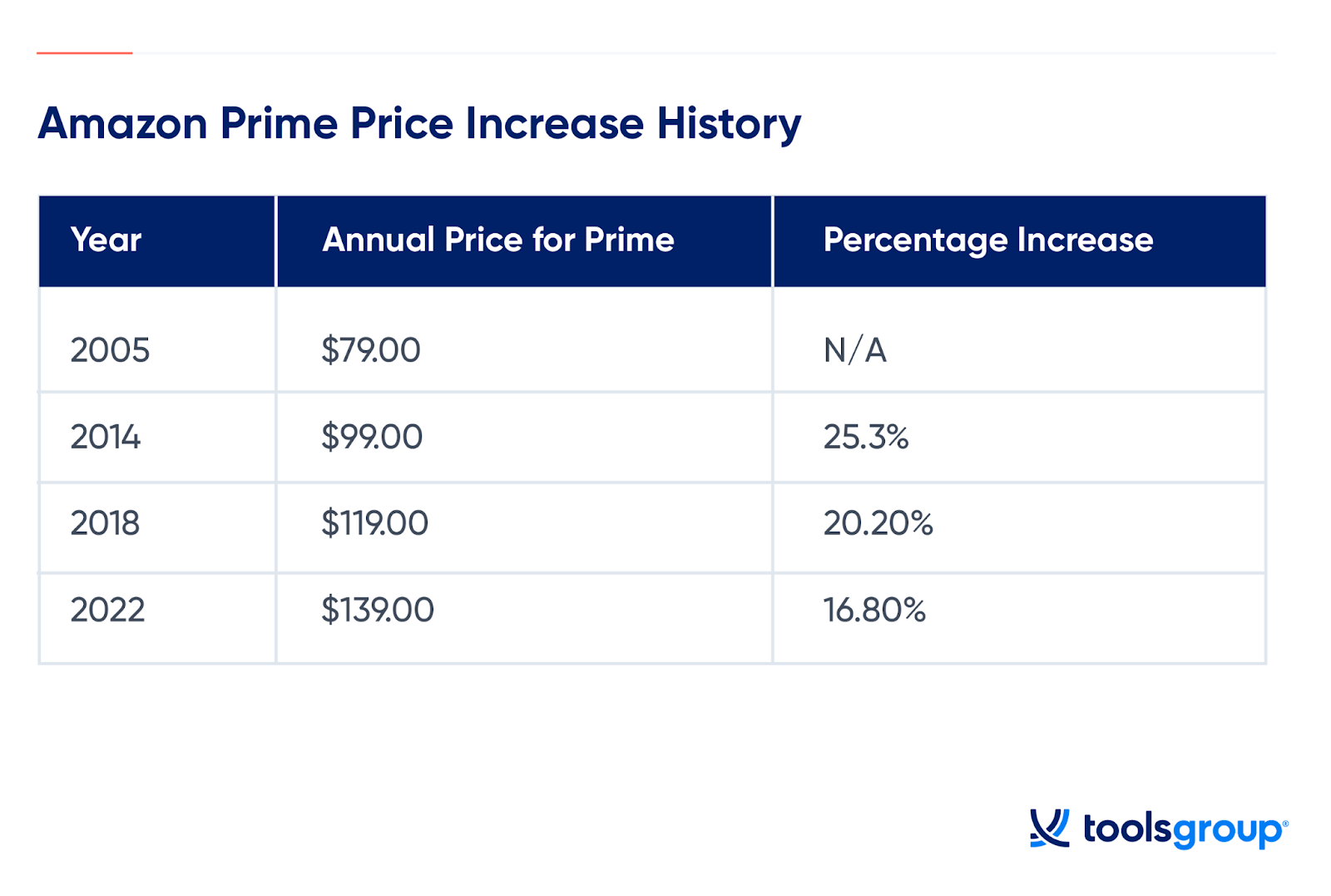
To determine if Amazon Prime is a sound financial investment, one must first understand the tier-based pricing model. For the general public, Amazon Prime currently costs $14.99 per month or $139 per year. For a senior living on Social Security or a modest pension, an annual commitment of nearly $140 represents a significant line item in a household budget.
The Monthly and Annual Commitment
The choice between a monthly and annual payment plan is a classic personal finance dilemma. The annual plan ($139) breaks down to approximately $11.58 per month, offering a savings of about $41 per year compared to the month-to-month rate. For seniors who have the liquidity to pay upfront, the annual plan is the mathematically superior choice. However, for those who prefer to keep their monthly cash flow flexible, the $14.99 monthly rate allows for easier cancellation during months when the service may not be needed, such as during extended travel or stays with family.
Prime Access: The Financial Lifeline for Qualifying Seniors
The most significant cost reduction available to seniors is the Prime Access program. This is a discounted membership priced at $6.99 per month—more than a 50% discount from the standard monthly rate. Over a year, this totals approximately $84, providing a massive reduction in overhead for those who qualify. This program is specifically designed to bridge the gap for low-income individuals, ensuring that the convenience of e-commerce is not a luxury reserved only for the wealthy.
Eligibility and Verification: Navigating Financial Assistance Programs
The $6.99 Prime Access rate is not automatically applied based on age. Instead, it is tied to participation in specific government assistance programs that many seniors utilize. Understanding these requirements is essential for securing the lower rate.
EBT and Medicaid Requirements
The most common way for seniors to qualify for the discounted Prime rate is through the Supplemental Nutrition Assistance Program (SNAP) or Medicaid. Many retirees who receive limited Social Security benefits qualify for Medicaid to supplement Medicare costs. If a senior possesses an EBT (Electronic Benefit Transfer) card or a Medicaid card, they are eligible to sign up for Prime Access. The verification process is handled digitally through the Amazon portal, where users upload a photo of their card or enter their case number.
Other Qualifying Government Assistance
Beyond SNAP and Medicaid, Amazon recognizes several other financial assistance programs that are common among the senior population. These include:
- SSI (Supplemental Security Income): Not to be confused with standard Social Security, SSI is a needs-based program for seniors with limited income and resources.
- NAP (Nutrition Assistance Program): Often utilized by seniors in U.S. territories.
- LIHEAP (Low Income Home Energy Assistance Program): A program that helps seniors manage the high costs of heating and cooling.
- Tribal Assistance: Programs specifically for those living on tribal lands.
By leveraging these existing financial statuses, seniors can drastically lower their recurring subscription expenses.
Beyond the Subscription: Maximizing the Value of Your Investment
A membership is only “worth it” if the savings generated exceed the cost of the subscription. For seniors, the financial benefits of Amazon Prime extend far beyond free shipping. To truly justify the expense, one must look at the integrated services that reduce other household expenditures.
Strategic Savings on Essentials and Healthcare
One of the most potent financial tools within the Prime ecosystem is Amazon Pharmacy. For seniors managing chronic conditions, the cost of prescriptions can be a major financial burden. Prime members have access to the “RxPass,” which allows for a flat $5 monthly fee for many common generic medications. Furthermore, the Prime member discount at Whole Foods Market and the 20% discount on subscriptions for essentials like household paper products and pantry staples (through the “Subscribe & Save” program) can lead to hundreds of dollars in annual savings on groceries.
Leveraging Prime Day and Exclusive Financial Incentives
For the budget-conscious senior, timing purchases is a vital skill. Prime Day and the various “Big Spring” or “Holiday” sales events offer deep discounts on high-ticket items like medical alert devices, ergonomic furniture, and electronics. Additionally, for seniors who are comfortable with credit management, the Amazon Prime Rewards Visa Card offers 5% back on all Amazon and Whole Foods purchases. This cash-back mechanism can effectively “pay for” the membership itself if the senior uses the platform for their primary grocery and household shopping.
Cost-Benefit Analysis: Is the Prime Membership Worth the Expense?
When advising seniors on financial health, it is important to conduct a “break-even” analysis. Is the convenience of the service outweighing the hard currency leaving the bank account?
Calculating Break-Even Points
If a senior is paying the discounted $6.99 monthly rate, the annual cost is roughly $84. To break even, the senior needs to save at least $7 per month in other areas. If a single trip to the grocery store costs $4 in gasoline and 30 minutes of time, two deliveries a month already cover the cost of the membership in terms of “opportunity cost” and fuel savings. Furthermore, if the senior saves $10 a month by using the RxPass for their medications, the membership is already providing a net positive return on investment.
Alternatives for Budget-Conscious Retirees
For seniors who do not shop frequently, even the discounted rate may be unnecessary. It is important to remember that Amazon offers free shipping on orders over $35 for non-members. If a senior is disciplined enough to aggregate their needs into a single large order once a month, they can enjoy the convenience of delivery without the recurring subscription fee. Financial literacy involves knowing when a “deal” is actually an unnecessary drain on resources.
Secure Financial Management of Your Amazon Account
As seniors become more active in the digital economy, protecting their financial data is paramount. A membership is only beneficial if it is managed securely to prevent fraud and overspending.
Protecting Your Digital Payment Information
Financial security starts with robust account management. Seniors should be encouraged to use two-factor authentication (2FA) for their Amazon accounts. This ensures that even if a password is compromised, their linked credit cards and bank accounts remain protected. Furthermore, using “virtual credit cards” or dedicated accounts for online subscriptions can help seniors track their spending more accurately and limit exposure to potential data breaches.
Managing Recurring Subscriptions to Avoid Hidden Costs
A common financial pitfall for seniors is the “subscription creep.” Amazon Prime often acts as a gateway to other “Channels” or “Services” like Paramount+, Audible, or Kindle Unlimited. It is easy to accidentally click a “start free trial” button and find oneself with an extra $10–$20 in monthly charges. Seniors should perform a quarterly “financial audit” of their Amazon account under the “Memberships & Subscriptions” tab to ensure they are only paying for the services they actively use.

Conclusion
The question of “how much is Amazon Prime for seniors” finds its answer in the intersection of government assistance and smart consumer habits. While the standard price may be a deterrent, the $6.99 Prime Access rate makes the service accessible for many. However, the true financial value lies in the strategic use of the membership—utilizing pharmacy discounts, grocery savings, and free delivery to offset the subscription cost. By treating Amazon Prime as a financial tool rather than just a convenience, seniors can enhance their quality of life while maintaining strict adherence to their retirement budgets. In the modern economy, being a “Prime” member isn’t just about fast shipping; it’s about making every dollar work harder in the digital marketplace.
aViewFromTheCave is a participant in the Amazon Services LLC Associates Program, an affiliate advertising program designed to provide a means for sites to earn advertising fees by advertising and linking to Amazon.com. Amazon, the Amazon logo, AmazonSupply, and the AmazonSupply logo are trademarks of Amazon.com, Inc. or its affiliates. As an Amazon Associate we earn affiliate commissions from qualifying purchases.