
Understanding the pulse of the financial market is a perpetual quest for individuals, businesses, and policymakers alike. It’s a complex, ever-evolving ecosystem influenced by a myriad of factors, from macroeconomic indicators and geopolitical events to technological advancements and shifts in investor sentiment. Far from a simple snapshot, assessing “how the market is today” requires a multi-faceted analysis of various asset classes, underlying economic health, and future outlooks. In an environment characterized by persistent volatility and rapid change, staying informed is not merely advantageous but essential for making prudent financial decisions. This article delves into the current state of the market, examining key drivers, performance across different segments, and strategic considerations for navigating its complexities.
Navigating the Macroeconomic Landscape
The overarching economic environment forms the bedrock upon which market performance is built. Global and national economic indicators provide crucial insights into the health, stability, and future trajectory of financial systems.
Inflation and Interest Rates: The Dual Challenge
One of the most dominant themes in recent market discussions revolves around inflation and the subsequent actions of central banks. After a prolonged period of low inflation, many major economies experienced a significant surge, driven by supply chain disruptions, robust consumer demand, and geopolitical events. Central banks, notably the U.S. Federal Reserve, the European Central Bank, and the Bank of England, responded by aggressively hiking interest rates to rein in price pressures.
Today, the narrative is nuanced. While headline inflation appears to be cooling in many regions, “sticky” inflation, particularly in services sectors, remains a concern. The impact of higher interest rates is multifaceted: it increases the cost of borrowing for consumers and businesses, potentially dampening economic activity and corporate profits. For savers, it offers more attractive yields on deposits and fixed-income instruments. However, it also raises the discount rate for future earnings, which can negatively impact the valuation of growth stocks. The delicate balance central banks are attempting to strike – bringing inflation down without triggering a severe recession – continues to be a primary driver of market sentiment and volatility. The path of interest rates in the coming months will largely dictate the direction of capital flows and asset valuations.
Economic Growth and Recessionary Signals
Economic growth remains a critical barometer for market health. Current global economic growth projections are generally moderate, with significant variations across regions. Developed economies are grappling with the lagged effects of tighter monetary policy, while some emerging markets might show more resilience, albeit with their own unique challenges.
Recessionary signals are closely watched by investors. Indicators such as an inverted yield curve (where short-term bond yields are higher than long-term yields), declining manufacturing Purchasing Managers’ Indices (PMIs), weakening consumer confidence, and rising unemployment claims often precede economic downturns. While some economies have successfully averted a deep recession, fears of a “hard landing” persist in some corners. Conversely, proponents of a “soft landing” scenario argue that central banks can tame inflation without causing a significant economic contraction. The ongoing debate between these two camps contributes significantly to market uncertainty, influencing corporate earnings outlooks and investor risk appetite. Data releases concerning GDP, employment, and industrial production are scrutinized for any definitive clues about the economy’s direction.
Geopolitical Influences and Supply Chains
Geopolitical events continue to exert a profound influence on global markets. Conflicts, trade disputes, and shifts in international relations can trigger immediate market reactions, impacting commodity prices, currency valuations, and investor confidence. The ongoing conflict in Ukraine, for instance, has had far-reaching consequences for global energy and food markets, contributing to inflationary pressures and supply chain disruptions.
Furthermore, the resilience and reconfiguration of global supply chains remain a critical focus. The vulnerabilities exposed during the pandemic and subsequent geopolitical tensions have prompted many businesses to reconsider their sourcing strategies, leading to trends like “reshoring” or “friend-shoring.” These shifts, while potentially enhancing national security and stability in the long run, can incur short-term costs and inefficiencies. Any new geopolitical developments or significant disruptions to key trade routes can quickly alter market dynamics, making it crucial for investors to monitor international affairs alongside economic data.
Performance Across Key Asset Classes
While the macroeconomic environment sets the stage, the performance of individual asset classes reveals how different segments of the market are reacting to current conditions.
Equities: Volatility and Sectoral Shifts
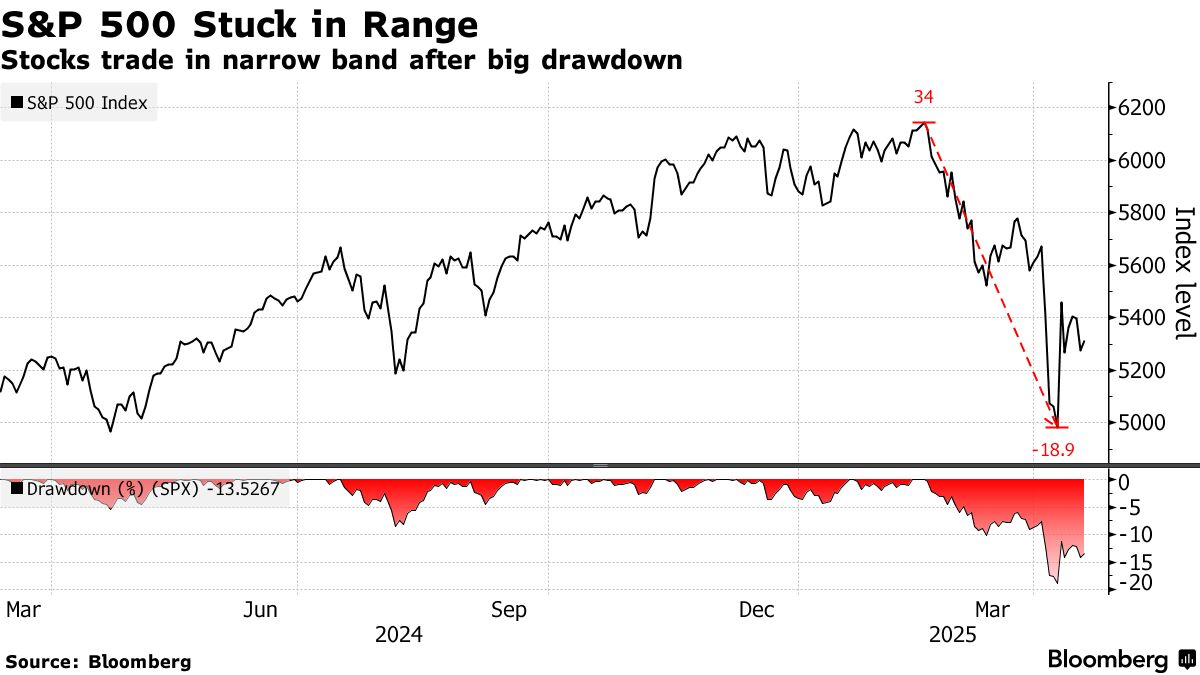
The equity market today is characterized by a blend of cautious optimism and persistent volatility. Major indices such as the S&P 500, Dow Jones Industrial Average, Nasdaq Composite, FTSE 100, DAX, and Nikkei 225 reflect varied regional performance but share common themes. After a period of significant gains, and subsequent corrections, markets are currently grappling with earnings revisions, the impact of higher interest rates on corporate profitability, and the broader economic outlook.
Growth stocks, particularly in the technology sector, which thrived in a low-interest-rate environment, have faced valuation challenges. However, specific segments within tech, especially those related to artificial intelligence, have seen renewed investor interest, driving significant gains for certain companies. Value stocks and sectors like energy and industrials have shown resilience, often benefiting from commodity price trends or robust infrastructure spending. Market sentiment remains sensitive to economic data, central bank pronouncements, and corporate earnings reports, with sharp movements possible on unexpected news. Selective stock picking and a focus on companies with strong fundamentals, resilient balance sheets, and clear competitive advantages are paramount.
Fixed Income: A Resurgence of Yield
The bond market has undergone a significant transformation. After years of ultra-low or even negative yields, the aggressive interest rate hikes by central banks have brought fixed-income assets back into focus for income-seeking investors. Government bonds, once criticized for offering meager returns, now provide more attractive yields across various maturities. This resurgence in yield makes bonds a more compelling alternative to equities, particularly for conservative investors.
Corporate bonds, ranging from investment-grade to high-yield (junk) bonds, also offer higher coupons. However, investors in corporate debt must carefully assess credit risk, as a weakening economic environment could increase default rates, especially among lower-rated issuers. The yield curve shape, a key indicator, is closely watched for its recessionary signals. Overall, the fixed-income market today offers a more competitive landscape, requiring investors to balance yield potential with duration risk (sensitivity to interest rate changes) and credit quality.
Commodities: Inflation Hedge and Industrial Demand
Commodities, including crude oil, natural gas, gold, silver, industrial metals (like copper), and agricultural products, continue to play a crucial role in the global economy and investment portfolios. They often serve as an inflation hedge, tending to perform well when inflation is rising or persistent.
Today’s commodity market is influenced by several factors: geopolitical tensions impacting supply, global demand patterns (particularly from industrial powerhouses), inventory levels, and the ongoing energy transition. Oil and gas prices remain sensitive to supply disruptions and OPEC+ decisions, while industrial metals are tied to manufacturing output and infrastructure projects. Gold, traditionally a safe-haven asset, has seen fluctuating demand, influenced by real interest rates and geopolitical uncertainty. Agricultural commodities are subject to weather patterns, global demand, and trade policies. Investing in commodities requires a keen understanding of these specific supply and demand dynamics and their inherent volatility.
Real Estate: Shifting Dynamics
The real estate market, both residential and commercial, is experiencing a period of significant adjustment. Higher interest rates have directly impacted mortgage rates, leading to a cooling effect in many residential markets that saw rapid appreciation during the pandemic. Affordability challenges persist, potentially leading to slower price growth or even modest declines in some regions.
Commercial real estate faces its own set of challenges, particularly in sectors like office spaces, due to the shift towards hybrid work models. Retail real estate continues its evolution, while industrial and logistics properties often remain robust due to e-commerce demand. Investors in real estate must consider localized market conditions, interest rate sensitivity, property types, and potential shifts in urban planning and demographic trends. The higher cost of financing is a major headwind, requiring careful due diligence and a long-term perspective.
Emerging Trends and Long-Term Considerations
Beyond the immediate market movements, several underlying trends are shaping the future of finance and offer long-term investment opportunities and risks.
The Rise of AI and Technological Disruption
Artificial intelligence (AI) has emerged as a transformative force, rapidly moving from theoretical concept to practical application across industries. The recent advancements in generative AI, in particular, have captured the imagination of investors and businesses alike. Companies that develop AI technologies, provide AI infrastructure, or leverage AI to enhance their products and services are seeing substantial growth and investment.
However, the AI boom also presents challenges. Valuations for some AI-related stocks have surged, raising questions about sustainability. Furthermore, the broader economic impact of AI – on productivity, employment, and competitive landscapes – is still unfolding. While AI promises significant productivity gains and new market opportunities, it also necessitates a critical evaluation of potential ethical concerns, regulatory frameworks, and the risk of disruption to traditional business models. Long-term investors are looking beyond the hype to identify companies with sustainable competitive advantages in the AI era.
Sustainability and ESG Investing
Environmental, Social, and Governance (ESG) factors have transitioned from niche considerations to mainstream investment criteria. Investors are increasingly incorporating ESG metrics into their decision-making processes, recognizing that companies with strong ESG practices often demonstrate better long-term resilience, innovation, and risk management. This trend is driven by growing awareness of climate change, social inequality, and corporate responsibility, as well as evolving regulatory expectations.
Flows into sustainable funds and ESG-integrated products continue to grow, indicating a structural shift in investor preferences. Businesses that genuinely commit to sustainability, transparent governance, and positive social impact are finding favor with a broader base of capital. While “greenwashing” remains a concern, the demand for authentic ESG integration is pushing companies to adopt more sustainable practices, creating investment opportunities in renewable energy, circular economy solutions, sustainable agriculture, and ethical supply chains.
Digital Assets and the Future of Finance
Digital assets, primarily cryptocurrencies like Bitcoin and Ethereum, along with the underlying blockchain technology, represent a frontier in the financial landscape. After a period of significant volatility and price corrections, the digital asset market is slowly maturing, with increased institutional interest and a clearer regulatory trajectory emerging in various jurisdictions.
While speculative trading continues, the long-term potential of blockchain technology to revolutionize finance (DeFi), supply chains, and data management is gaining wider acceptance. Central banks are exploring Central Bank Digital Currencies (CBDCs), and established financial institutions are increasingly integrating digital asset services. Challenges remain, including regulatory clarity, security concerns, scalability issues, and market volatility. However, for investors with a high risk tolerance and a long-term view, digital assets and the blockchain ecosystem represent a powerful, albeit nascent, force shaping the future of money and financial infrastructure.
Strategies for Investors in Today’s Market
Navigating today’s dynamic market environment requires a thoughtful and disciplined approach.
Diversification and Risk Management
Perhaps the most timeless principle in investing, diversification remains paramount. Spreading investments across different asset classes (equities, bonds, commodities, real estate), geographies, sectors, and even investment styles helps mitigate risk. A well-diversified portfolio is less susceptible to the downturns in any single market segment. Regular rebalancing ensures that the portfolio maintains its desired asset allocation, preventing overexposure to outperforming assets and allowing for strategic re-entry into underperforming ones. Understanding one’s personal risk tolerance is crucial for constructing a portfolio that aligns with individual financial goals and comfort levels.
Long-Term Perspective vs. Short-Term Noise
The 24/7 news cycle and instant access to market data can often lead to emotional decision-making. Today’s market, with its inherent volatility and constant stream of information, makes it particularly easy to be swayed by short-term fluctuations. However, a long-term perspective is often the most effective strategy for building wealth. Focusing on the fundamental value of investments, understanding a company’s business model, and resisting the urge to react to every market swing can lead to better outcomes. Strategies like dollar-cost averaging, where one invests a fixed amount regularly regardless of market movements, can help smooth out returns over time and reduce the impact of short-term volatility.
Staying Informed and Seeking Professional Advice
The complexity of today’s market necessitates continuous learning and a commitment to staying informed. This involves understanding macroeconomic trends, corporate earnings, geopolitical developments, and emerging technologies. However, the sheer volume of information can be overwhelming. For many, seeking advice from a qualified financial advisor is invaluable. Professionals can help translate complex market dynamics into actionable strategies tailored to individual financial situations, risk tolerance, and long-term goals. They can provide personalized portfolio construction, tax-efficient strategies, and guidance on navigating challenging market conditions, ensuring that financial decisions are well-informed and strategically aligned.
In conclusion, “how the market is today” is not a simple answer but a rich tapestry of interwoven economic, geopolitical, and technological threads. It is a market grappling with inflation and interest rates, adapting to geopolitical shifts, and poised on the cusp of significant technological transformation. While challenges and uncertainties persist, opportunities abound for those who are informed, adaptable, and committed to a disciplined, long-term approach to their financial journey.
aViewFromTheCave is a participant in the Amazon Services LLC Associates Program, an affiliate advertising program designed to provide a means for sites to earn advertising fees by advertising and linking to Amazon.com. Amazon, the Amazon logo, AmazonSupply, and the AmazonSupply logo are trademarks of Amazon.com, Inc. or its affiliates. As an Amazon Associate we earn affiliate commissions from qualifying purchases.