
The landscape of personal finance is shifting, and perhaps nowhere is this more evident than in the automotive market. For the average consumer, a vehicle is often the second-largest purchase they will ever make, trailing only the acquisition of a home. Consequently, the monthly car payment has become a pivotal metric in determining a household’s financial health. Understanding what constitutes a “typical” payment in today’s economy requires a deep dive into market trends, interest rate environments, and the long-term implications of debt structures.
Understanding the Modern Average: A Statistical Deep Dive
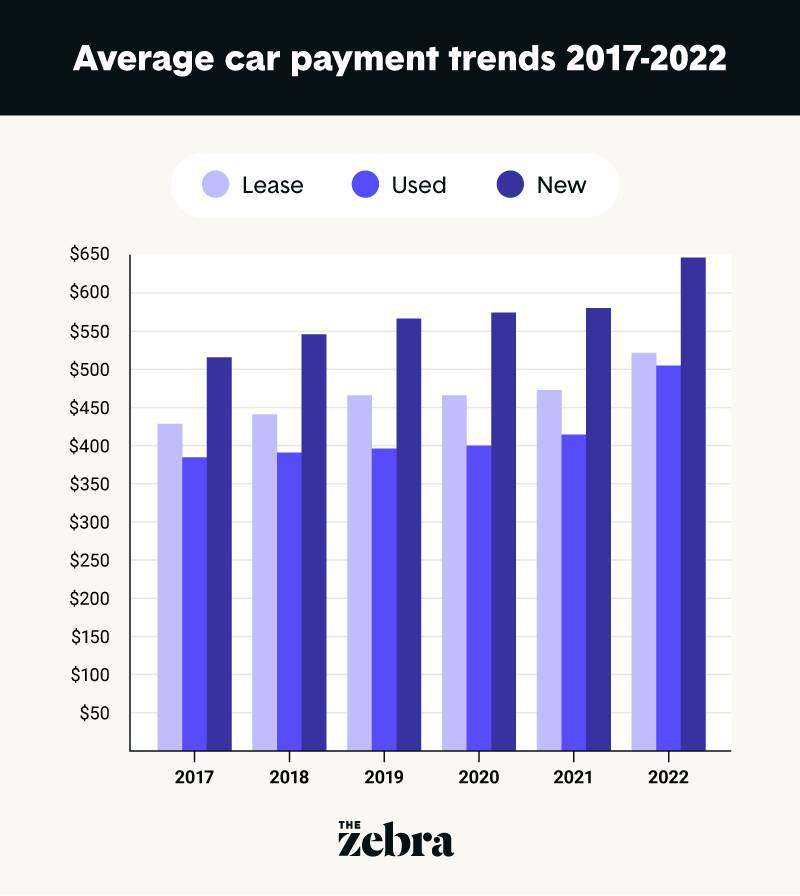
In recent years, the typical monthly car payment has reached record highs, driven by a combination of supply chain disruptions, increased manufacturer costs, and a significant shift in consumer preference toward larger, more expensive vehicles like SUVs and trucks. According to recent data from major credit reporting agencies and financial analysts, the average monthly payment for a new vehicle has surged past the $700 mark, with many consumers paying well over $1,000 in monthly installments.

New vs. Used Market Disparities
The gap between new and used car payments remains significant, though both have seen upward pressure. While a new car payment averages around $730, the used car market—historically the refuge for budget-conscious buyers—has seen averages climb to approximately $530 per month. This increase is particularly notable because used vehicle prices rose at an unprecedented rate during the post-pandemic recovery, though they have begun to stabilize. For a personal finance strategist, these figures highlight a growing challenge: as the entry-point for reliable transportation becomes more expensive, lower-income households find their discretionary income squeezed.
The Impact of Rising Interest Rates
Perhaps the most significant contributor to the “typical” payment’s growth is the cost of borrowing. In a low-interest-rate environment, consumers can afford more expensive vehicles because the cost of the debt is negligible. However, as central banks raised rates to combat inflation, Annual Percentage Rates (APRs) on auto loans followed suit. A buyer with a “prime” credit score might see an APR of 5% to 7%, while “subprime” borrowers are often facing rates of 15% to 20% or higher. On a $35,000 loan, the difference between a 4% and a 14% interest rate can translate to hundreds of dollars added to the monthly payment, without adding a single dollar of value to the vehicle itself.
The Core Components of Your Monthly Bill
To understand why a monthly payment lands at a specific number, one must look under the hood of the financing agreement. A monthly payment is not just a reflection of the car’s price; it is a complex calculation of principal, interest, and time.
Principal and the Role of the Credit Score
The principal is the actual amount borrowed after the down payment and trade-in are subtracted from the purchase price. However, your credit score acts as the gatekeeper for the cost of that principal. From a financial management perspective, your credit score is your most valuable asset when entering a dealership. Individuals with “Super Prime” scores (780+) often qualify for promotional 0% or 1.9% financing from manufacturers’ captive finance arms. Conversely, those with lower scores are relegated to “Buy Here, Pay Here” lots or high-interest lenders, which can double the total cost of the vehicle over the life of the loan.
Down Payments and Trade-In Values
The most effective way to lower a typical monthly payment is to reduce the principal through a substantial down payment. The historical recommendation of 20% down has fallen out of favor as vehicle prices have risen, with many consumers opting for 5% or even 0% down. While this makes the vehicle accessible today, it creates a “negative equity” trap where the owner owes more than the car is worth (being “underwater”). Utilizing a trade-in with positive equity functions as a built-in down payment, which can drastically reduce the monthly burden and the total interest paid over time.
Loan Duration: The Danger of the 84-Month Term
One of the most concerning trends in personal finance is the lengthening of auto loan terms. In the past, a 36- or 48-month loan was standard. Today, 72-month and even 84-month (seven-year) loans are increasingly common. While a longer term lowers the monthly payment, it significantly increases the total interest paid and keeps the borrower in a cycle of debt. By the time a seven-year loan is paid off, the vehicle’s value has likely plummeted, and the owner may have already faced several years of high maintenance costs, making it difficult to save for their next vehicle.
The Hidden Costs: Why the Monthly Payment is Only Half the Story

Focusing solely on the monthly payment is a common financial pitfall. In reality, the “typical” cost of vehicle ownership includes several layers of expense that are often ignored during the negotiation process. To truly understand the impact on a budget, one must look at the Total Cost of Ownership (TCO).
Insurance Premiums and Registration
As vehicles become more technologically advanced, they become more expensive to repair. Sensors, cameras, and specialized materials have caused insurance premiums to spike. A “typical” monthly car payment of $700 might be accompanied by a $200 insurance bill, especially for younger drivers or those in high-traffic urban areas. Furthermore, annual registration fees and property taxes in some jurisdictions can add an equivalent of another month’s payment to the yearly total.
Maintenance and the “Out-of-Warranty” Horizon
A monthly payment provides the right to drive a vehicle, but it does not guarantee it will run. Routine maintenance—oil changes, tires, brakes—must be factored into the monthly budget. For used vehicles, the risk of a major mechanical failure (transmission, engine components) looms large once the manufacturer’s warranty expires. A savvy financial plan allocates a “sinking fund” of at least $50 to $100 per month specifically for these inevitable costs.
Depreciation: The Silent Wealth Killer
While not a direct monthly cash outlay, depreciation is the most significant cost of owning a new car. A vehicle typically loses about 20% of its value in the first year and roughly 15% each year thereafter for the first five years. If you are paying $700 a month for an asset that is losing $500 a month in value, your “net wealth” impact is much higher than the payment suggests. This is why financial experts often advocate for buying slightly used vehicles (2-3 years old) to let the previous owner absorb the steepest part of the depreciation curve.
Strategic Budgeting: The 20/4/10 Rule and Other Frameworks
How much should a typical car payment be? This depends entirely on an individual’s income and financial goals. However, several frameworks can help consumers avoid overextending themselves.
The 20/4/10 Rule
This classic personal finance rule suggests:
-
20% Down: Put down at least 20% of the purchase price to avoid negative equity.
-
4-Year Term: Limit the loan duration to no more than 48 months.
-
10% of Income: Ensure that your total transportation costs (payment, insurance, fuel, maintenance) do not exceed 10% of your gross monthly income.
If your household brings in $6,000 a month, your total car-related expenses should stay under $600. If the average car payment alone is $700, it becomes clear why many Americans are currently “car poor.”
The Opportunity Cost of a High Payment
From an investing perspective, a high car payment represents a massive opportunity cost. If a 25-year-old redirected a $700 monthly car payment into a low-cost index fund averaging an 8% annual return, they would have over $2 million by age 65. Choosing a $400 payment and investing the $300 difference could result in nearly $1 million at retirement. The “typical” car payment is not just a monthly expense; it is a direct withdrawal from one’s future net worth.
Navigating the Future of Car Ownership
As we look forward, the nature of the “typical” car payment is evolving. The rise of Electric Vehicles (EVs) introduces a different cost structure, with higher upfront payments often offset by lower fuel and maintenance costs. Furthermore, the volatility of the used car market means that traditional valuation models are being rewritten.
For the modern consumer, the goal should be to move away from being a “payment buyer” and toward being a “total price buyer.” Dealerships often focus the conversation on “what can you afford per month?” because they can manipulate loan terms to make an expensive car fit a monthly budget, often to the buyer’s long-term detriment. By focusing on the total purchase price, the interest rate, and the loan term, you regain control over your financial narrative.
In conclusion, while the typical monthly car payment has risen to between $500 and $750, it should not be viewed as an unavoidable standard. Through disciplined saving, careful selection of used inventory, and a refusal to accept long-term debt, individuals can keep their transportation costs manageable. In the world of personal finance, the best car payment is always the one that ends as quickly as possible, allowing your capital to be deployed toward assets that appreciate rather than those that depreciate.
aViewFromTheCave is a participant in the Amazon Services LLC Associates Program, an affiliate advertising program designed to provide a means for sites to earn advertising fees by advertising and linking to Amazon.com. Amazon, the Amazon logo, AmazonSupply, and the AmazonSupply logo are trademarks of Amazon.com, Inc. or its affiliates. As an Amazon Associate we earn affiliate commissions from qualifying purchases.