
The simple question, “How much is an airplane ticket?”, often elicits a complex answer that goes far beyond a single, fixed price. In the intricate world of air travel, the cost of a flight is a highly dynamic figure, fluctuating based on a myriad of factors that can bewilder even the most seasoned traveler. For anyone looking to manage their personal finances effectively, understanding these underlying mechanisms is crucial for making informed decisions and optimizing travel budgets. This article delves into the financial intricacies of airfare pricing, providing insights into what drives ticket costs, how to navigate the market to find the best deals, and how to account for all the associated expenditures of air travel, ensuring a clear financial picture for your next journey.
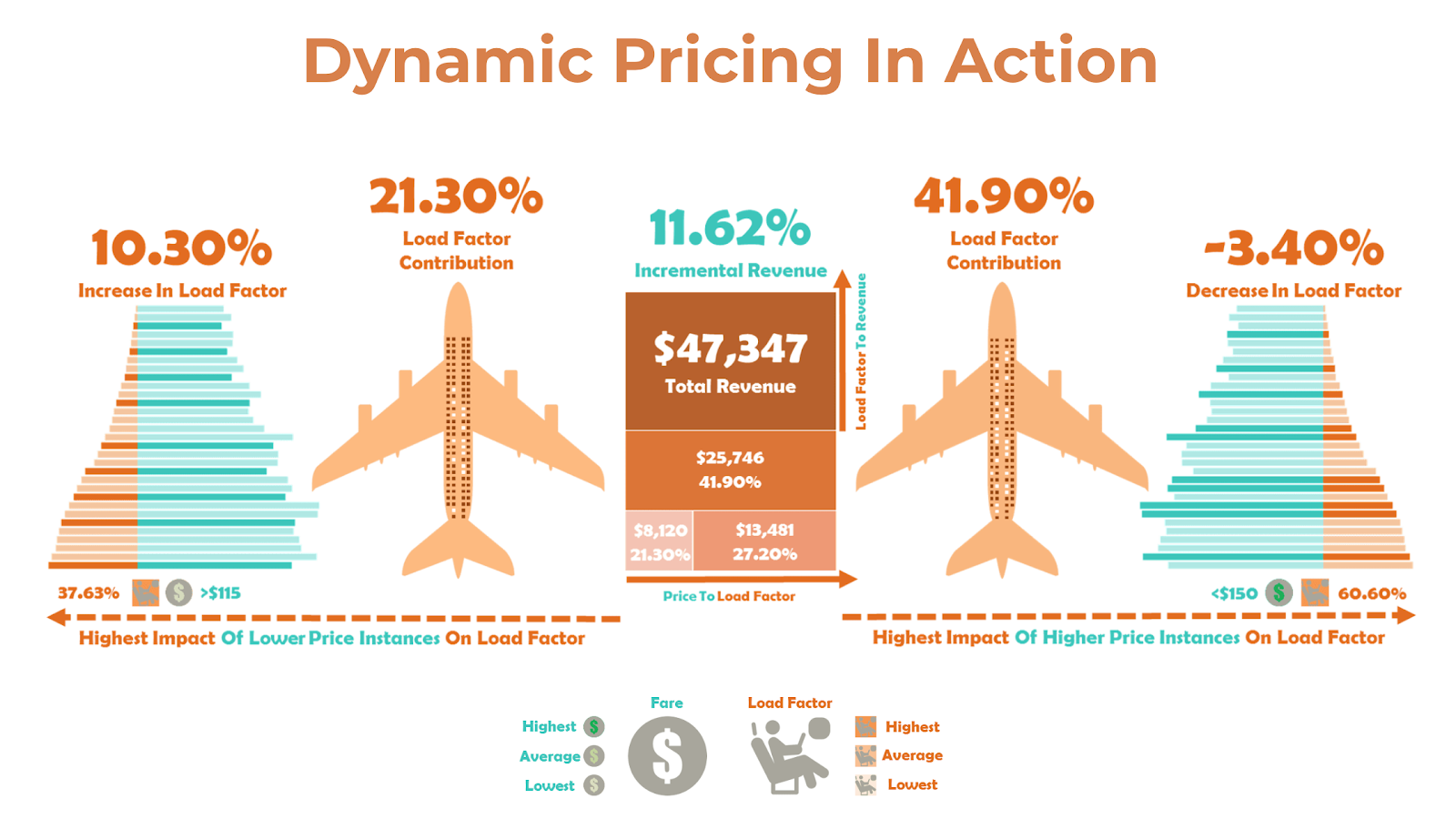
The Multitude of Factors Influencing Airfare Prices
Airline ticket prices are not arbitrary; they are the result of sophisticated algorithms and market forces constantly at play. Understanding these primary drivers is the first step towards demystifying airfare costs and becoming a financially savvy traveler.
Demand and Seasonality: The Rhythms of Travel
Perhaps the most significant influencer of airfare is the fundamental economic principle of supply and demand. When demand is high, prices soar; when it’s low, they dip. This phenomenon is most evident in seasonal travel patterns. Peak seasons, such as summer holidays, Christmas, New Year, and major festivals, see a surge in travel as people take vacations or visit family. Similarly, major events like the Olympics, the World Cup, or large conferences can dramatically inflate prices to and from specific destinations.
Conversely, off-peak seasons – often referred to as “shoulder seasons” (e.g., late fall or early spring) or the true low season (e.g., mid-winter for many destinations) – typically offer lower fares as airlines compete to fill seats. Weekday travel (Tuesday, Wednesday) is often cheaper than weekend travel due to lower business and leisure demand, while red-eye flights or flights at inconvenient times can also present cost savings. A flexible approach to travel dates can yield substantial financial benefits, allowing travelers to capitalize on periods of lower demand.
Booking Timelines: Early Bird vs. Last Minute
The adage “the early bird catches the worm” often holds true in air travel, but not always. Airlines employ complex yield management strategies, adjusting prices based on anticipated demand and remaining inventory. Generally, booking too far in advance (e.g., a year out) might not secure the absolute best price, as airlines often haven’t finalized their full pricing strategies or are testing the market. The sweet spot for international flights is often considered to be 2-8 months out, while domestic flights might see their best prices 1-3 months in advance.
Booking too late, especially within a few weeks of departure, usually results in significantly higher fares. Airlines know that last-minute travelers, particularly business travelers, often have less price sensitivity and are willing to pay a premium for convenience. However, there are occasional exceptions for “distressed inventory” – seats an airline desperately wants to fill – but these last-minute deals are rare and unpredictable, making them an unreliable strategy for budget-conscious travelers. For optimal financial planning, consistent monitoring and strategic booking within the recommended windows are key.
Airline Business Models and Route Dynamics
The type of airline you choose plays a significant role in ticket pricing. Full-service carriers (e.g., British Airways, Delta, Lufthansa) typically include amenities like checked baggage, in-flight meals, and seat selection in their base fare, though often at a higher price point. Budget or low-cost carriers (e.g., Ryanair, Spirit, Southwest) often advertise incredibly low base fares, but then charge extra for almost every ancillary service, from checked bags and seat selection to even printing a boarding pass at the airport. Travelers must carefully calculate the total cost when comparing these options to avoid hidden financial surprises.
Route dynamics also influence pricing. Direct flights are almost invariably more expensive than flights with one or more layovers, as convenience comes at a premium. Flights to major hub airports are often cheaper than those to smaller, regional airports due to higher competition and flight frequency. Additionally, the presence of strong competition on a specific route can drive down prices, benefiting consumers. A monopoly or limited competition, conversely, often results in higher fares.
Class of Service and Ancillary Fees
The class of service — Economy, Premium Economy, Business, or First Class — is perhaps the most obvious determinant of ticket price. Each upgrade in class brings increasingly luxurious amenities, comfort, and service, reflected in a proportionally higher fare. While a standard Economy seat aims to be cost-effective, even within Economy, there are often sub-classes (e.g., Basic Economy, Standard Economy, Economy Plus) that offer varying levels of flexibility and included features for different price points.
Beyond the initial ticket price, ancillary fees have become a substantial revenue stream for airlines and a critical component of a traveler’s total financial outlay. These can include:
- Baggage fees: For checked bags, and sometimes even for carry-on bags on budget airlines.
- Seat selection fees: Especially for preferred seats (aisle, window, extra legroom).
- In-flight amenities: Meals (on some budget airlines), entertainment, Wi-Fi.
- Change or cancellation fees: Often hefty, especially if a flexible fare wasn’t purchased.
- Credit card processing fees: Though less common, some airlines still charge these.
A thorough understanding and calculation of these potential add-ons are essential for accurate budgeting and avoiding unexpected expenses.
Strategies for Savvy Travelers to Minimize Airfare Costs
While many factors are beyond a traveler’s control, implementing smart strategies can significantly reduce the financial burden of air travel. Savvy travelers leverage flexibility, technology, and loyalty programs to find the most cost-effective tickets.
Harnessing Flexibility: Dates, Airports, and Destinations
The single most powerful tool for saving money on airfare is flexibility. Being flexible with travel dates, even by a day or two, can unlock significantly lower prices. Using airline and flight search engine “flexible date” calendars or “low-fare” finders is an excellent way to pinpoint the cheapest days to fly within a given month.
Equally important is flexibility with airports. Flying into or out of a smaller, secondary airport near your destination, or even a major hub a short train ride away, can sometimes be much cheaper than flying directly into the primary airport. Similarly, being open to different destinations within a general region can lead to substantial savings. If your primary goal is a beach vacation, for instance, comparing prices to various coastal cities or islands could reveal a much more affordable option than your initial choice.
Leveraging Technology: Price Comparison and Alert Tools
The digital age has armed travelers with powerful tools to compare and track airfare. Meta-search engines like Google Flights, Skyscanner, Kayak, and Expedia aggregate flight data from numerous airlines and online travel agencies (OTAs), allowing for quick comparisons of prices across different carriers and routes. These platforms often feature filters for layovers, airlines, and departure/arrival times, aiding in finding the ideal balance of cost and convenience.
Furthermore, many of these tools offer price alerts. By setting an alert for a specific route and date range, you’ll receive notifications when the price drops, enabling you to purchase at an opportune moment. Browser extensions and apps also exist that track price history, providing insights into whether the current price is a good deal or likely to drop further. Using an incognito or private browsing window can also sometimes prevent websites from tracking your searches and potentially displaying higher prices on subsequent visits, though the effectiveness of this is debated.

Maximizing Loyalty Programs and Credit Card Rewards
For frequent flyers, loyalty programs offer a path to discounted or even free travel. Earning miles or points through flying, co-branded airline credit cards, or partner activities (e.g., hotel stays, car rentals) can be redeemed for flights, upgrades, or other travel perks. Strategically choosing an airline alliance (Star Alliance, SkyTeam, Oneworld) and consolidating your points can accelerate your earning potential.
Travel-focused credit cards are another potent financial tool. Many offer generous sign-up bonuses in points or miles, annual travel credits, complimentary checked bags, priority boarding, and airport lounge access. Redeeming points wisely can offset a significant portion of airfare costs, effectively reducing your out-of-pocket expenses. However, it’s crucial to manage credit responsibly and ensure the value of the rewards outweighs any annual fees or interest charges.
Understanding the Best Time to Book
While booking far in advance is a good general rule, there’s often a sweet spot that optimizes cost and availability. For domestic flights, this window is typically 1 to 3 months before departure. For international flights, it extends to 2 to 8 months. Outside of these windows, prices tend to be higher due to either premature pricing or last-minute demand. It’s also worth noting that prices often change midweek, with Tuesday and Wednesday often being cited as good days to check for new deals, as airlines release new sales or adjust prices based on weekend booking trends. There isn’t a single magical day or time, but consistency in checking during these opportune periods can yield results.
Beyond the Ticket Price: Unmasking Hidden Costs and Budgeting for Air Travel
Focusing solely on the initial advertised ticket price is a common financial pitfall. A comprehensive travel budget must account for all potential expenditures associated with air travel, ensuring no hidden costs derail your financial planning.
The Baggage Maze: Carry-on vs. Checked
Baggage fees are one of the most significant “hidden” costs, especially with budget airlines. While a personal item is almost always free, carry-on bags (which fit in the overhead bin) may incur a fee on some carriers, and checked bags almost certainly will. These fees can vary dramatically based on the airline, route, bag size, weight, and whether it’s your first, second, or third checked bag. International flights sometimes include a checked bag, while domestic flights frequently do not.
The financial impact of baggage fees can be substantial, sometimes adding 20-50% to the base fare for a round trip with a checked bag. Savvy travelers pack light to utilize free personal items or carry-ons, or if checking a bag is unavoidable, they pre-pay online where fees are usually lower than at the airport counter. For long trips, carefully comparing airlines that include checked bags versus those that charge extra can reveal the truly cheaper option.
Seat Selection, In-flight Services, and Change Fees
While seemingly minor, the cumulative effect of various ancillary fees can add up. Airlines increasingly charge for seat selection, especially for desirable seats like those with extra legroom or in the front of the cabin. On longer flights, paying for a specific seat might be a worthwhile comfort investment, but it needs to be factored into the budget. Similarly, while most full-service airlines still provide complimentary meals and entertainment on long-haul flights, many budget carriers and even some legacy airlines on shorter routes charge for everything from snacks and beverages to blankets and headphones.
Perhaps the most financially impactful of these fees are change and cancellation charges. Life happens, and plans change. Standard economy tickets are often non-refundable and incur significant fees (sometimes hundreds of dollars) to change dates or routes. Purchasing a more flexible fare or travel insurance can mitigate this risk, but these also come at an upfront cost. Understanding the terms and conditions of your ticket regarding changes and cancellations is crucial for managing potential financial losses.
Factoring in Ground Transportation, Accommodation, and Activities
An airplane ticket is just one component of the total cost of a trip. A holistic financial plan must encompass expenses beyond the flight itself. This includes:
- Ground transportation: To and from airports (taxis, ride-shares, public transport, parking fees, rental cars).
- Accommodation: Hotels, Airbnb, hostels – often the largest single expense after flights.
- Food and drink: Dining out, groceries, snacks.
- Activities and entertainment: Tours, museum admissions, concerts, experiences.
- Travel insurance: Protecting against unforeseen events like medical emergencies or trip cancellations.
- Visa costs: If traveling internationally to countries requiring a visa.
- Shopping and souvenirs: Personal spending money.
By creating a comprehensive budget that considers all these elements, travelers can avoid financial surprises and ensure their trip is enjoyable without undue stress on their wallets.
Economic Currents and the Future of Airfare
The pricing of airplane tickets is not static; it constantly adapts to global economic trends, technological advancements, and shifts in consumer behavior. Understanding these broader influences provides context for current pricing and hints at future trajectories.
Fuel Prices, Inflation, and Global Events
The cost of jet fuel is a primary operational expense for airlines, making up a significant portion of their overall costs. Fluctuations in global oil prices directly impact airfare. When crude oil prices rise, airlines typically pass some of these increased costs on to consumers through higher ticket prices or fuel surcharges. Conversely, sustained periods of lower fuel prices can lead to more competitive fares.
Broader economic factors like inflation also play a role. As operating costs, labor wages, and airport fees increase due to inflationary pressures, airlines adjust their pricing upwards to maintain profitability. Global events, such as pandemics, geopolitical conflicts, or natural disasters, can drastically alter travel demand and supply chains, leading to abrupt and significant price changes. For instance, the COVID-19 pandemic caused an initial collapse in demand and prices, followed by surges as demand recovered amid reduced flight capacity.
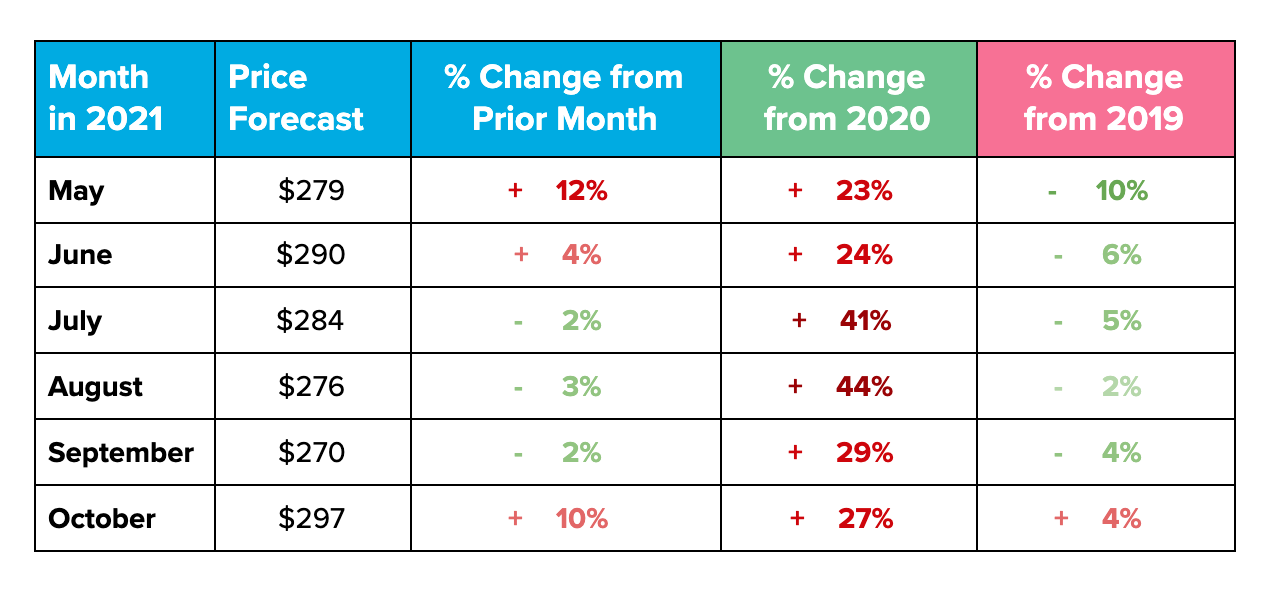
The Rise of Dynamic Pricing and AI Optimization
Airlines have long used dynamic pricing, but the sophistication of these systems is continually advancing. Leveraging artificial intelligence (AI) and machine learning, airlines can now analyze vast amounts of data – including historical booking patterns, competitor pricing, weather forecasts, social media trends, and even individual user search behavior – to predict demand with incredible accuracy. This allows them to adjust prices in real-time, sometimes multiple times a day, to maximize revenue.
This means that the price you see for a flight can literally change within minutes. While this can be frustrating for consumers, it also means opportunities for deals if you catch a price drop at the right moment. The future of airfare pricing will likely see even greater personalization, with prices potentially tailored based on a user’s browsing history, loyalty status, or perceived willingness to pay. This trend underscores the importance of utilizing price comparison tools and being vigilant in monitoring fares to secure the best financial outcome.
In conclusion, “how much is an airplane ticket” is a question with a complex, multi-faceted answer rooted deeply in economic principles and strategic financial management. From understanding the intricate dance of supply and demand to mastering booking strategies and accounting for hidden costs, financially savvy travelers have many levers to pull. By taking a holistic view of air travel costs and proactively managing their budgets, individuals can transform the potentially daunting task of buying an airplane ticket into an empowering exercise in smart personal finance, ultimately leading to more enjoyable and affordable journeys.
aViewFromTheCave is a participant in the Amazon Services LLC Associates Program, an affiliate advertising program designed to provide a means for sites to earn advertising fees by advertising and linking to Amazon.com. Amazon, the Amazon logo, AmazonSupply, and the AmazonSupply logo are trademarks of Amazon.com, Inc. or its affiliates. As an Amazon Associate we earn affiliate commissions from qualifying purchases.