
In the rapidly evolving landscape of medical technology (MedTech), hardware that appears simple on the surface often conceals a complex architecture of engineering and digital integration. The saline lock—historically known as a heparin lock—is a foundational piece of clinical infrastructure. While a layperson might see it as a mere plastic plug at the end of an intravenous (IV) catheter, the modern saline lock represents a critical intersection of materials science, fluid dynamics, and data-driven healthcare technology.
To understand what a saline lock is in the context of modern tech, one must look beyond the bedside and into the engineering labs and software suites that are redefining patient connectivity. It is no longer just a passive tool; it is the physical gateway for the next generation of smart infusion systems and remote patient monitoring.
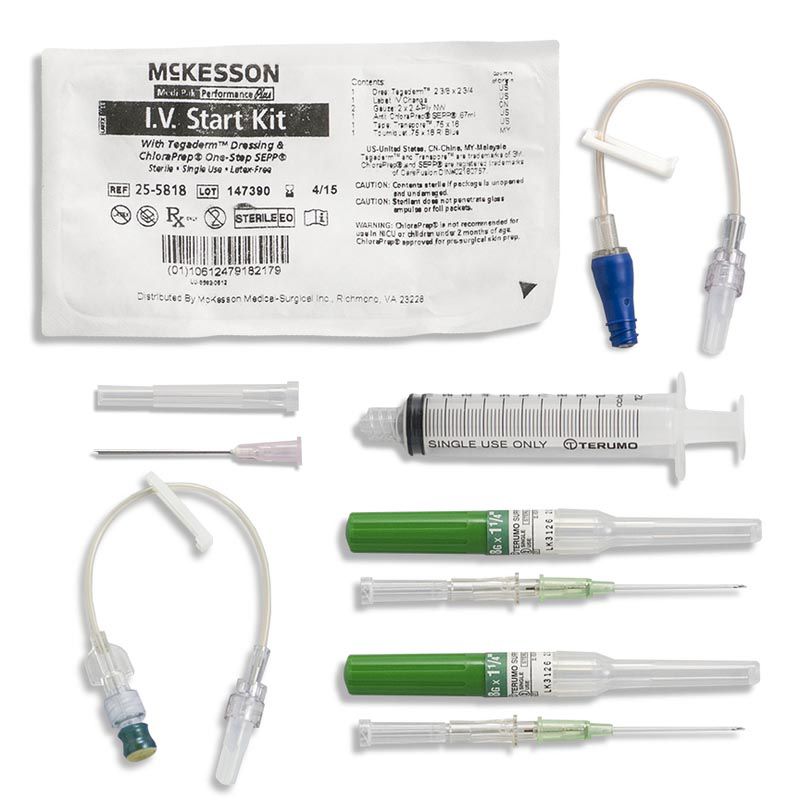
The Hardware Architecture: Engineering the Modern Interface
The core technology of a saline lock is designed to maintain “patency”—the state of being open and unobstructed. When an IV catheter is placed in a patient, it provides direct access to the venous system. However, keeping a continuous line of fluid running is not always necessary or efficient. The saline lock serves as a modular “dead-end” that allows healthcare providers to stop continuous infusions while keeping the venous access port ready for immediate use.
Materials Science and Biocompatibility
The tech behind the saline lock starts with advanced polymer science. Modern catheters and leur-lock connectors are engineered from high-grade medical silicones and polyurethanes. These materials are designed to be “thromboresistant,” meaning they utilize chemical coatings to prevent the formation of blood clots. In the tech sector, this is akin to developing hardware with low-friction interfaces to prevent system overheating. The polymers are also designed with “shape memory,” ensuring that the lock maintains a hermetic seal even after hundreds of connections and disconnections.
Valved Technology and Pressure Dynamics
One of the most significant technological leaps in saline lock design is the transition from simple caps to “neutral-pressure” or “positive-displacement” valves. These are micro-engineered components that manage the fluid displacement that occurs when a syringe is disconnected. Without this tech, a small amount of blood could be sucked back into the catheter, leading to a “clot-out” or hardware failure. Engineers have developed internal mechanical pistons and silicone diaphragms that automatically exert a tiny burst of pressure to clear the line, a feat of passive mechanical engineering that ensures the system remains operational without human intervention.
Digital Integration: How IoT is Transforming Fluid Management
As we move deeper into the era of the Internet of Medical Things (IoMT), the saline lock is becoming a critical data point in a connected ecosystem. The “dumb” plastic port is being replaced by “smart” interfaces that communicate with a hospital’s central nervous system.
Integration with Smart Infusion Pumps
The saline lock acts as the physical terminus for smart infusion pumps. These pumps are sophisticated computers programmed with “Dose Error Reduction Systems” (DERS). When a saline lock is accessed, the software identifies the specific port and correlates it with the patient’s Electronic Medical Record (EMR). This ensures that the technology prevents human error; if a technician attempts to push a medication through a saline lock that is incompatible with the patient’s digital profile, the system can provide a real-time hard-stop alert.
Sensor-Enabled Vascular Access
Newer iterations of saline lock technology are incorporating micro-sensors capable of detecting “infiltration” or “extravasation”—the leakage of fluid into surrounding tissue. By using optical sensors or bio-impedance technology within the lock assembly, the device can monitor the integrity of the vein. If the sensor detects a change in the electrical resistance of the tissue around the saline lock, it sends a wireless signal to the nursing station’s dashboard. This level of automation moves the saline lock from a reactive tool to a proactive monitoring device.
Software Ecosystems: EMR Integration and Automated Workflows
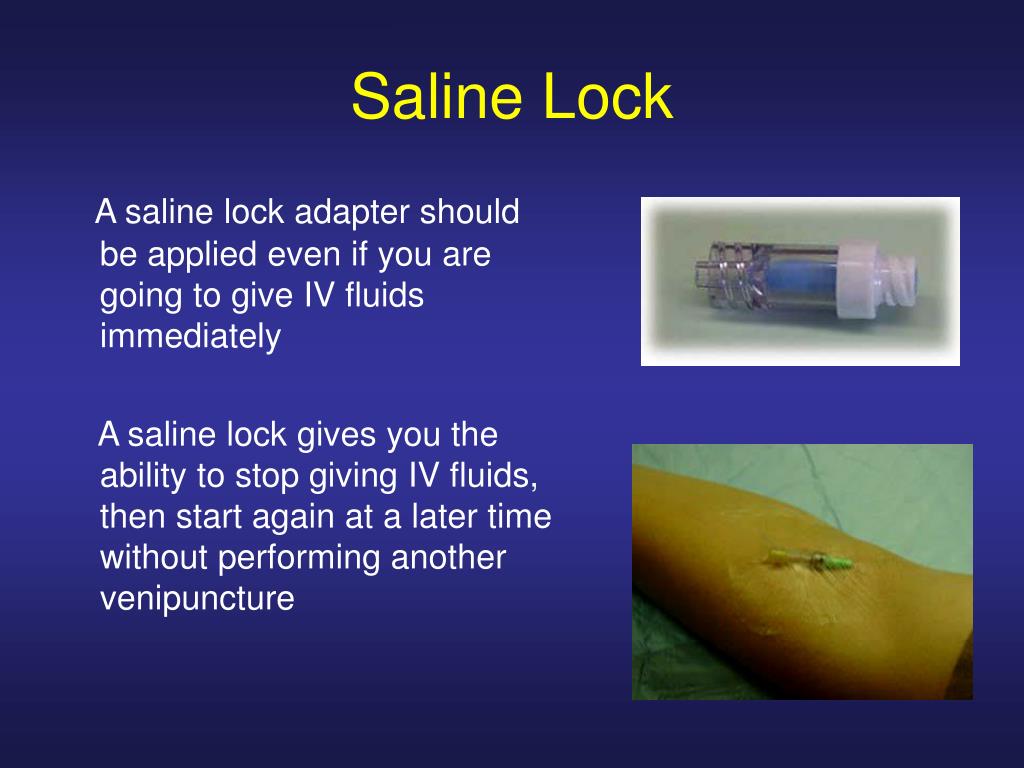
The utility of a saline lock is significantly amplified by the software suites that manage clinical workflows. In the modern tech-driven hospital, every interaction with a saline lock is a data entry point that feeds into a larger analytics engine.
Predictive Analytics for IV Maintenance
Tech firms are now developing AI-driven software that predicts when a saline lock is likely to fail or require “flushing.” By analyzing historical data from thousands of similar devices, the algorithm can flag a specific saline lock for maintenance based on the patient’s coagulation profile, the age of the catheter, and the types of medications previously administered through that port. This reduces “tech debt” in clinical settings—minimizing the need for repeated, painful needle sticks for the patient and optimizing the workflow for the staff.
Digital Tracking and Inventory Management
From a logistics technology perspective, saline locks are often equipped with RFID (Radio Frequency Identification) tags or high-density barcodes. This allows for precise asset tracking within a facility. Hospital administrators use specialized software to monitor the burn rate of these devices, ensuring that supply chains are automated. When a saline lock is scanned at the bedside, the hospital’s ERP (Enterprise Resource Planning) software automatically deducts it from inventory and updates the patient’s billing and clinical record, creating a seamless loop between the physical hardware and the digital ledger.
Security Protocols: Cybersecurity in MedTech
As saline locks become part of the broader IoMT, they introduce new considerations for digital security. Any device that acts as a gateway to the human body and is connected to a network must be protected by rigorous cybersecurity protocols.
Protecting the Network Edge
In the context of technology, the saline lock (and its associated smart-pump connectors) represents the “edge” of the medical network. Cybersecurity specialists focus on securing these entry points against unauthorized access. If a smart pump connected to a saline lock were compromised, a malicious actor could theoretically alter medication dosages. Consequently, the tech standards for these devices now include robust encryption, secure boot processes, and frequent firmware updates to patch vulnerabilities.
Data Privacy and Compliance
The information gathered by sensor-enabled saline locks—such as flow rates, pressure levels, and frequency of use—constitutes Protected Health Information (PHI). Tech companies developing these devices must ensure that all data transmitted from the bedside to the cloud is compliant with global standards like HIPAA (Health Insurance Portability and Accountability Act) and GDPR (General Data Protection Regulation). The saline lock, therefore, is not just a medical device; it is a node in a highly regulated, secure data pipeline that must balance transparency for clinicians with privacy for patients.
The Future of Saline Lock Tech: AI and Remote Patient Monitoring
Looking forward, the saline lock is poised to become even more integrated into the world of high-tech healthcare. We are seeing the emergence of “wearable” vascular access tech where a saline lock might be part of an integrated, long-term monitoring patch.
Remote Access and Tele-Health
In the burgeoning field of Hospital-at-Home (HaH) technology, the saline lock allows patients to receive acute care in a domestic setting. New software platforms allow remote clinicians to monitor the status of a saline lock via a smartphone app. If the patient’s “lock” becomes occluded, the software can provide step-by-step troubleshooting instructions or alert a mobile rapid-response team. This use of tech is decentralizing healthcare, moving the point of care away from centralized hubs and into the digital periphery.

Autonomous Flushing Systems
The next frontier is the development of autonomous maintenance systems. Engineers are prototyping saline locks that include a micro-reservoir and a programmable micro-pump. These devices would automatically perform a saline flush at pre-programmed intervals, governed by an onboard microprocessor. This would eliminate the most common cause of saline lock failure—human forgetfulness—and ensure that the tech remains “online” and ready for use at all times.
In conclusion, when we ask “what is a saline lock,” the answer depends on the lens through which we view it. To a patient, it is a small convenience. To a nurse, it is a vital tool. But to the technology sector, it is a sophisticated interface—a modular, secure, and increasingly intelligent component of a vast digital healthcare infrastructure. As engineering and software continue to merge, the saline lock will remain a testament to how even the smallest piece of hardware can be a catalyst for technological revolution.
aViewFromTheCave is a participant in the Amazon Services LLC Associates Program, an affiliate advertising program designed to provide a means for sites to earn advertising fees by advertising and linking to Amazon.com. Amazon, the Amazon logo, AmazonSupply, and the AmazonSupply logo are trademarks of Amazon.com, Inc. or its affiliates. As an Amazon Associate we earn affiliate commissions from qualifying purchases.