
In an increasingly digitized world, entertainment often comes bundled with a price tag, and Amazon Prime Video is no exception. However, simply asking “how much for Amazon Prime TV” oversimplifies a complex value proposition deeply intertwined with the broader Amazon Prime ecosystem. For the financially savvy consumer, understanding the true cost, the inherent value, and the strategies to maximize return on investment is paramount. This article delves into the financial intricacies of Amazon Prime Video, positioning it not just as a streaming service, but as a significant component of your personal entertainment budget and overall financial planning.

Demystifying the Amazon Prime Subscription: Beyond Just “TV”
At its core, Amazon Prime Video is not a standalone subscription in the traditional sense, but rather a flagship benefit nestled within the comprehensive Amazon Prime membership. This distinction is crucial for understanding its financial footprint and perceived value. Consumers are often paying for a multitude of services, with video streaming being just one, albeit a very popular, perk.
The Core Amazon Prime Membership Fee
The most direct answer to “how much for Amazon Prime TV” starts with the cost of an Amazon Prime membership itself. As of late 2023/early 2024, the standard Prime membership costs are typically:
-
Monthly: Approximately $14.99 per month.
-
Annually: Approximately $139 per year.
It’s immediately evident that the annual subscription offers a significant discount over the monthly option, effectively providing two months free compared to paying monthly for a full year. This is the foundational financial decision point for many, as it dictates the base cost from which all Prime benefits, including video, stem. Beyond the standard fees, Amazon also offers various discounted Prime memberships for specific demographics, such as students or those receiving government assistance. These programs underscore Amazon’s strategic approach to expanding its subscriber base by making the “entry cost” more accessible, thereby broadening the reach of its entire service ecosystem.
What Prime Video Truly Offers Within This Bundle
When you pay for Amazon Prime, you’re not just getting “Prime Video.” You’re gaining access to a vast array of services, each contributing to the overall financial calculus of the subscription. These include:
-
Fast, Free Shipping: A cornerstone of Prime, offering unlimited two-day, one-day, and even same-day delivery on eligible items. For frequent online shoppers, this can translate into substantial savings on shipping costs.
-
Prime Music: Ad-free access to millions of songs and thousands of stations and playlists. While not as extensive as dedicated music streaming services like Spotify Premium, it offers significant value for casual listeners.
-
Prime Reading: A rotating selection of free eBooks, magazines, and comics.
-
Prime Gaming: Free games, a free monthly Twitch channel subscription, and more gaming benefits.
-
Whole Foods Market Discounts: Exclusive savings and 5% back on eligible purchases for Prime members.
-
Amazon Photos: Unlimited full-resolution photo storage and 5 GB for video storage.
Viewed through this lens, the “cost of Prime Video” becomes diluted across multiple valuable services. For a user who leverages even a few of these benefits regularly, the financial outlay for the entire Prime membership might be justified, with Prime Video becoming a “bonus” rather than the sole reason for subscribing. This integrated approach is a deliberate strategy by Amazon to increase customer loyalty and perceived value, making it harder for subscribers to justify canceling based solely on their video consumption habits.
Understanding the Annual vs. Monthly Payment Structure
The choice between paying monthly or annually for Amazon Prime holds significant financial implications. While the monthly option offers flexibility, allowing subscribers to cancel at any time, it comes at a premium. An annual commitment, on the other hand, unlocks a lower effective monthly cost, but requires a larger upfront payment and a longer-term commitment.
-
Monthly: Ideal for those unsure about long-term usage, or who only need Prime for specific periods (e.g., holiday shopping). However, over a year, this accumulates to a higher total cost.
-
Annually: Best for consistent users who fully utilize Prime’s ecosystem throughout the year. The upfront saving is substantial and effectively reduces the “cost” of all benefits, including Prime Video, on a per-month basis.
From a personal finance perspective, committing to the annual plan only makes sense if the aggregate value of all Prime benefits consistently exceeds the annual fee. If Prime Video is your primary, or sole, reason for subscribing, and you’re not utilizing other services, the monthly flexibility might seem appealing, despite the higher cumulative cost. However, a shrewd financial decision would involve assessing if the total value of the entire Prime bundle, including video, truly justifies the annual commitment.
The Financial Value Proposition: Is Amazon Prime Video Worth the Investment?
Determining the “worth” of a streaming service like Amazon Prime Video goes beyond its explicit cost; it necessitates an evaluation of its content library, exclusive offerings, and how it stacks up against alternatives in your budget. From a financial perspective, value is derived from utility and cost-effectiveness.
Calculating the Perceived Value of Prime Video Content
The perceived value of Prime Video’s content library is subjective but critical to its financial justification. Amazon has invested billions in original programming, including critically acclaimed series like “The Lord of the Rings: The Rings of Power,” “The Boys,” “Reacher,” and a growing slate of original movies and documentaries. Beyond originals, it also boasts a substantial back catalog of licensed movies and TV shows.
To assess its financial value for you:
-
Content Accessibility: Do you find a significant number of shows and movies on Prime Video that you genuinely want to watch?
-
Exclusivity: Are there specific Amazon Originals that you cannot access anywhere else, making Prime a necessary subscription?
-
Rotation and Freshness: Does the library regularly update with new, engaging content that keeps you subscribed?
If Prime Video consistently provides content that aligns with your preferences and you would otherwise spend money on renting or purchasing that content elsewhere, then its financial value within the Prime bundle increases significantly. Conversely, if you rarely watch anything on Prime Video, its contribution to the overall Prime membership’s financial worth diminishes, potentially making the entire subscription less justifiable from a cost-benefit standpoint.
Comparing Prime Video’s Cost to Standalone Streaming Services
A prudent financial analysis requires comparing Prime Video (as part of Prime) to other popular standalone streaming services. Let’s consider typical monthly costs:
-
Netflix: (Standard with ads to Premium) $6.99 – $22.99
-
Hulu: (Ad-supported to ad-free) $7.99 – $17.99
-
Disney+: $7.99 – $13.99
-
Max (formerly HBO Max): $9.99 – $19.99
-
Apple TV+: $9.99
If you were to subscribe to a single comparable streaming service, you’d be looking at a monthly outlay ranging from roughly $7 to $23. The “cost” of Prime Video, when bundled within the $14.99/month (or $11.58/month annually) Prime membership, could be argued as being significantly less than if it were offered as a standalone service at a similar price point. The financial advantage becomes apparent when you consider that the entire Prime package often costs less than or comparable to just one premium standalone streaming service, while delivering far more utility. For those seeking maximum entertainment bang for their buck, the integrated nature of Prime often presents a compelling financial argument.
The Holistic Financial Benefit of the Amazon Prime Ecosystem
The true financial power of Amazon Prime lies in its holistic ecosystem. The “cost” of Prime Video should not be isolated but understood as part of a larger value proposition. For instance:
-
Shipping Savings: If you order items regularly from Amazon, the free shipping alone could easily offset a substantial portion, if not all, of the annual Prime fee.
-
Prime Day Deals: Exclusive discounts during major shopping events like Prime Day can lead to significant savings on purchases, further enhancing the financial return on your membership.
-
Grocery Savings: For Whole Foods shoppers, the discounts can add up.

A comprehensive financial assessment requires tracking your usage of all Prime benefits throughout the year. If the cumulative savings from shipping, exclusive deals, and the value derived from services like Prime Video, Music, and Reading exceed the annual membership fee, then Amazon Prime represents a net positive financial investment for your household. It’s an exercise in personal finance where you evaluate if the sum of all parts is greater than the cost of the whole.
Strategies for Smart Spending: Maximizing Your Prime Video Value
Once you’ve decided to invest in Amazon Prime, there are several smart financial strategies to ensure you’re getting the absolute most out of your Prime Video subscription and the broader Prime benefits, effectively reducing its perceived cost.
Leveraging Discounts and Special Offers (e.g., Student, EBT)
Amazon offers specific discounted Prime memberships that can significantly reduce the financial burden, particularly for those on tighter budgets:
-
Prime Student: Students enrolled in two- or four-year colleges or universities can often get an extended free trial (e.g., 6 months) and then pay a reduced monthly or annual fee (e.g., 50% off standard Prime). This is an unparalleled financial boon for students, making the full Prime ecosystem incredibly accessible.
-
Prime for EBT and Medicaid Recipients: Individuals receiving qualifying government assistance (like EBT or Medicaid) can often subscribe to Prime at a substantially reduced monthly rate (e.g., $6.99/month). This initiative demonstrates Amazon’s effort to make Prime affordable across various socioeconomic groups, thereby expanding market reach and brand loyalty.
Checking eligibility for these programs is a crucial first step for many in optimizing their Prime membership cost. From a personal finance perspective, taking advantage of these discounts means unlocking a vast library of entertainment and other services at a fraction of the standard price, representing significant savings.
The Family Sharing Advantage: Spreading the Cost
Amazon Household allows two adults and up to four teens and four children to share Prime benefits, including Prime Video, at no additional cost. This is a powerful financial tool for families or even housemates.
-
Cost Splitting: If two adults share the annual Prime membership, the effective cost per person for all benefits, including video, is halved. This makes the $139 annual fee feel more like $69.50 per person, a remarkably low price for the extensive suite of services offered.
-
Maximized Utility: By sharing, more individuals can leverage the Prime Video library, ensuring the content is watched and appreciated by a wider audience within the household, thus maximizing the utility and value derived from the single subscription.
From a budgeting standpoint, enabling Amazon Household is an intelligent way to spread the financial outlay and ensure that the entertainment investment benefits multiple users without incurring additional charges. It’s an essential strategy for families looking to optimize their digital entertainment spending.
Auditing Your Subscriptions: Is It Time to Cut the Cord Elsewhere?
In an era of “subscription fatigue,” regularly auditing your streaming subscriptions is a critical personal finance practice. If Amazon Prime Video fulfills a significant portion of your entertainment needs, it might allow you to cut back on other services.
-
Consolidation: If you’re paying for Netflix, Hulu, and Amazon Prime, and find yourself primarily watching Prime Video, consider temporarily pausing or canceling one or more of the other services. Many streaming services offer easy cancellation and re-subscription options.
-
Rotation Strategy: Instead of subscribing to everything simultaneously, consider a “rotation” strategy. Subscribe to Prime for a few months, then switch to Disney+ for a period, then Netflix, and so on. This allows you to catch up on desired content from various platforms without the cumulative monthly expense of all services at once.
This proactive approach to subscription management ensures that your entertainment budget is allocated efficiently, and you’re not paying for services you rarely use. It directly impacts your monthly cash flow and allows for better financial control over discretionary spending.
Navigating Additional Costs: Rentals, Purchases, and Premium Channels
While Prime Video offers a substantial library of included content, it’s crucial for the budget-conscious consumer to distinguish this from the additional costs associated with rentals, purchases, and premium channel subscriptions available through the platform. These can quickly inflate your entertainment spending if not managed carefully.
Differentiating Included Content from A La Carte Options
Amazon Prime Video seamlessly integrates its included content with movies and TV shows available for rental or purchase. Without careful attention, it’s easy to accidentally incur additional charges.
-
“Included with Prime” vs. “Rent/Buy”: Always look for the “Included with Prime” banner or icon. If a title only displays “Rent” or “Buy,” it means it’s an a la carte option not covered by your Prime membership, and selecting it will incur an immediate charge.
-
New Releases: Latest blockbusters or freshly released series episodes are almost invariably rental/purchase items before they might eventually (and sometimes never) become “Included with Prime.” Budget accordingly if you plan to watch these.
From a financial planning perspective, treating these a la carte options as separate, discretionary expenses is key. They should be budgeted for independently, rather than being mistaken as part of the Prime membership’s value. Impulse rentals can quickly undermine careful budgeting.
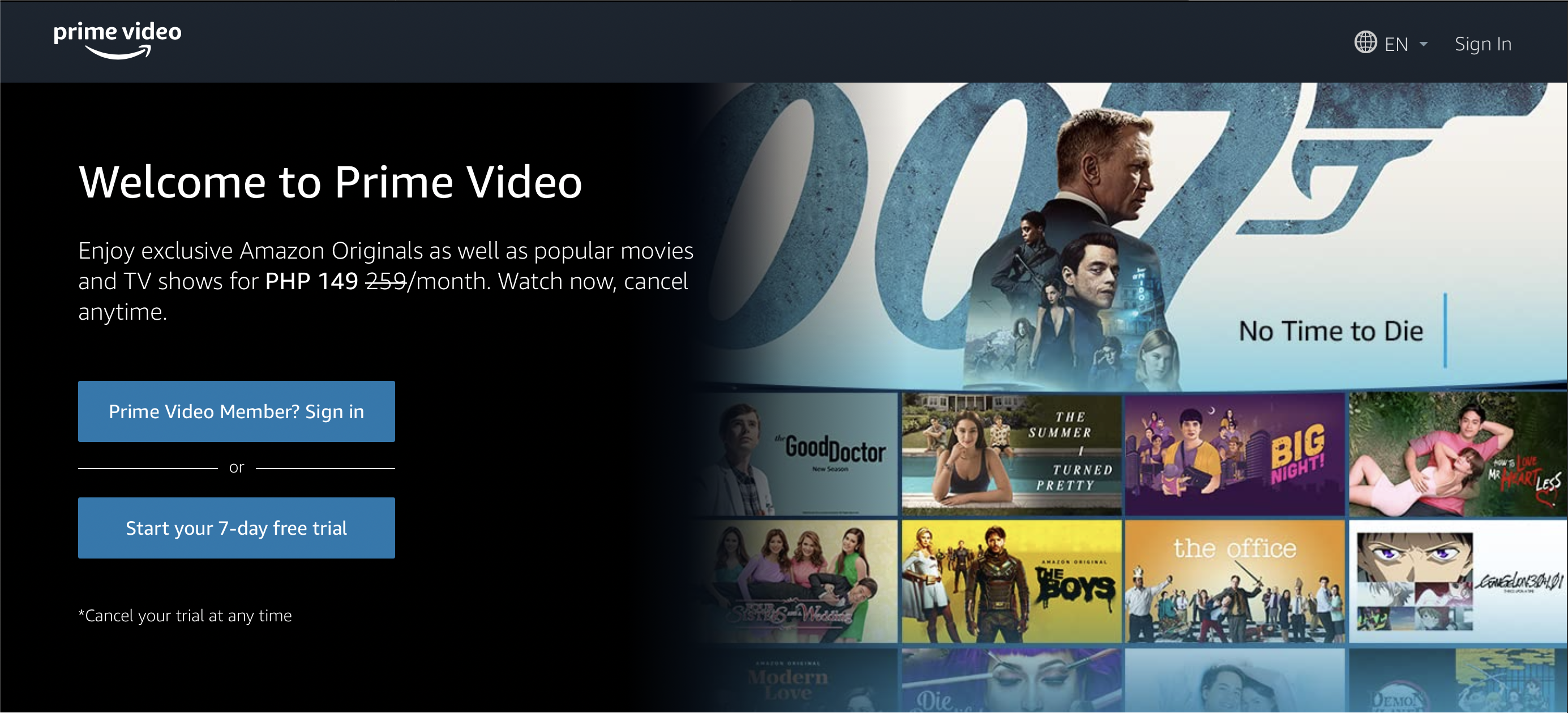
The Hidden Costs of Impulse Buying and Channel Subscriptions
Beyond individual rentals, Amazon Prime Video also acts as a hub for subscribing to additional premium streaming channels, often referred to as “Prime Video Channels.” These are entirely separate subscriptions that layer on top of your existing Prime membership. Examples include:
-
Paramount+: (e.g., $5.99 – $11.99/month)
-
STARZ: (e.g., $9.99/month)
-
Showtime: (e.g., $10.99/month)
-
AMC+: (e.g., $8.99/month)
While convenient, subscribing to multiple Prime Video Channels can quickly escalate your monthly entertainment bill. Each channel adds its own separate fee, which is billed directly through your Amazon account. What might start as a “cheap” Prime membership can easily balloon into a significant monthly expense if multiple channels are added without careful consideration.
Financially, it’s imperative to:
-
Evaluate Necessity: Do you truly need this specific channel for exclusive content, or is it merely “nice to have”?
-
Consider Alternatives: Can you get the same content through a direct subscription to the channel provider, which might sometimes offer better deals or bundles?
-
Track Spending: Regularly review your Amazon digital purchase history to monitor these recurring charges.
Budgeting for Your Entire Digital Entertainment Consumption
A holistic approach to personal finance dictates that all discretionary spending, including digital entertainment, should fit within a defined budget. When considering “how much for Amazon Prime TV,” this must extend to all potential add-ons.
-
Allocate a Monthly Entertainment Budget: Determine a realistic amount you are willing to spend on all streaming services, rentals, and digital content each month.
-
Factor in Prime Core Cost: Dedicate a portion of that budget to your Amazon Prime membership (prorated monthly if annual).
-
Account for A La Carte Purchases: Set aside a small, flexible amount for occasional movie rentals or purchases, treating them as individual treats, not automatic expenses.
-
Scrutinize Channel Add-ons: Critically assess each Prime Video Channel subscription. Are you actively watching it? Is its value truly worth the monthly fee compared to other items in your budget?
By meticulously budgeting and regularly reviewing your digital entertainment spending, you can fully enjoy the vast world of content available through Amazon Prime Video and its add-ons, without letting it become an unchecked drain on your personal finances. Understanding “how much” goes far beyond the initial Prime fee; it’s about mastering the entire financial landscape of your digital consumption.
aViewFromTheCave is a participant in the Amazon Services LLC Associates Program, an affiliate advertising program designed to provide a means for sites to earn advertising fees by advertising and linking to Amazon.com. Amazon, the Amazon logo, AmazonSupply, and the AmazonSupply logo are trademarks of Amazon.com, Inc. or its affiliates. As an Amazon Associate we earn affiliate commissions from qualifying purchases.