
The question “how much for a Bitcoin?” is often the entry point for many into the intriguing world of digital assets. However, the answer is rarely static. Unlike traditional commodities or company stocks with relatively stable market hours and valuation methods, Bitcoin’s price is a constantly fluctuating entity, influenced by a complex interplay of economic, technological, and psychological factors. For prospective investors, understanding this dynamic is crucial, moving beyond a simple price quote to grasp the underlying mechanisms and investment implications. This article delves into the financial intricacies of Bitcoin’s valuation, offering insights for those looking to understand its true cost and potential as an investment.
The Dynamic Nature of Bitcoin’s Price
Bitcoin’s price is not determined by a central authority or a fixed exchange rate. Instead, it is a product of continuous global trading across numerous exchanges, making it a highly liquid and often volatile asset. This decentralized price discovery mechanism is a core characteristic of its identity.
Bitcoin’s Price Discovery Mechanism
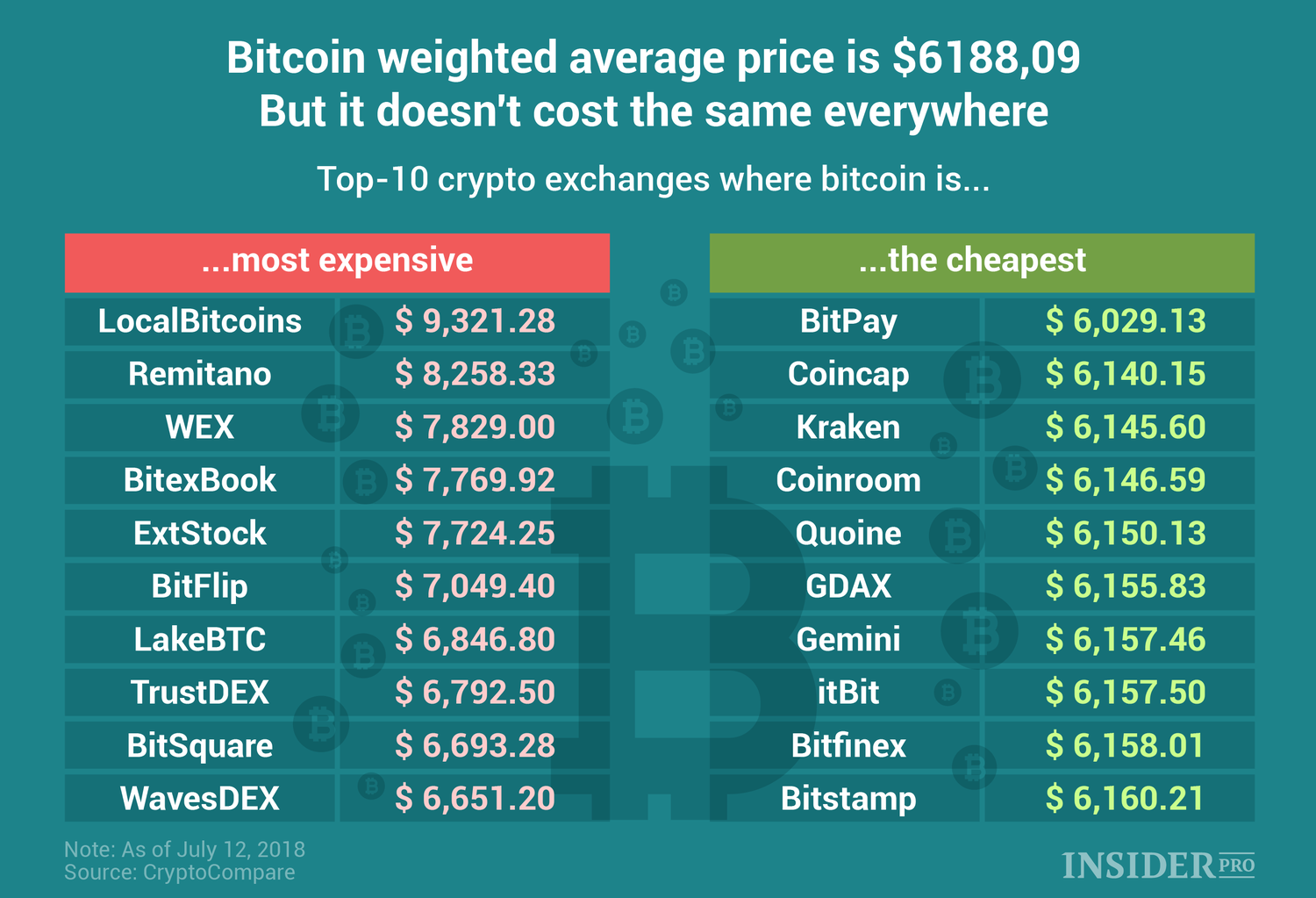
Bitcoin’s price is discovered through a perpetual auction process on cryptocurrency exchanges worldwide. Each exchange, though interconnected, may display slightly different prices due to variations in supply and demand on their specific platforms, liquidity, and trading volumes. Arbitrageurs often exploit these minor differences, helping to equalize prices across markets. The aggregate of these millions of trades, executed 24/7, forms the global market price you see quoted on financial news sites and apps. This always-on nature means that price discovery is continuous, unlike traditional markets that operate during specific hours.
Volatility: A Double-Edged Sword for Investors
Volatility is arguably Bitcoin’s most defining financial characteristic. Historically, Bitcoin has experienced dramatic price swings, often seeing double-digit percentage changes within days or even hours. This high volatility stems from several factors, including its relatively small market capitalization compared to traditional asset classes, its emerging status, and the speculative nature of much of its trading.
For investors, volatility presents both immense opportunity and significant risk. Rapid price appreciation can lead to substantial gains, attracting speculative capital. Conversely, steep corrections can wipe out significant portions of portfolios, especially for those investing without a clear strategy or risk management plan. Understanding and preparing for this inherent volatility is paramount for anyone considering an investment in Bitcoin. It necessitates a long-term perspective and the ability to stomach significant fluctuations without panic selling.
The Role of Supply and Demand in Price Formation
At its core, Bitcoin’s price adheres to fundamental economic principles of supply and demand. However, both sides of this equation have unique characteristics for Bitcoin:
- Supply: Bitcoin has a hard-capped supply of 21 million coins, a feature enshrined in its protocol. New Bitcoins are introduced into circulation through a process called “mining,” which is designed to decrease over time, notably through “halving” events every four years that cut the reward for miners in half. This predictable, finite, and decreasing rate of new supply creation makes Bitcoin a deflationary asset by design, contrasting sharply with fiat currencies, which can be printed at will by central banks. The scarcity created by this fixed supply is a major bullish factor for its long-term valuation.
- Demand: Demand for Bitcoin is driven by various factors, including its utility as a peer-to-peer digital cash, a store of value (“digital gold”), a hedge against inflation, and a speculative investment. Adoption by individuals, institutional investors, and corporations, along with its increasing integration into global financial systems, continuously fuels demand. Geopolitical instability can also spur demand as investors seek alternative assets outside traditional financial systems.
When demand outstrips the rate of new supply (and available circulating supply), the price tends to rise. Conversely, a decrease in demand relative to supply will lead to price depreciation.
Key Factors Influencing Bitcoin’s Valuation
Beyond the basic supply and demand dynamics, several overarching factors significantly influence Bitcoin’s “how much” answer at any given moment and its long-term trajectory.
Macroeconomic Forces and Global Events
Bitcoin is increasingly intertwined with the broader global economy. Inflation concerns, interest rate changes by central banks, and the strength of the US dollar can all impact Bitcoin’s perceived value. For instance, during periods of high inflation, some investors view Bitcoin as a potential hedge, similar to gold, leading to increased demand. Conversely, rising interest rates in traditional markets can make riskier assets like Bitcoin less attractive, as investors seek safer, yield-bearing alternatives. Global geopolitical events, such as wars or economic crises, can also drive flight-to-safety narratives, sometimes benefiting Bitcoin as a decentralized, censor-resistant asset, or, conversely, causing sell-offs due to general market panic.
Regulatory Landscape and Institutional Adoption
The regulatory environment plays a pivotal role. Clarity or uncertainty from governments and financial bodies regarding cryptocurrency taxation, classification (e.g., security vs. commodity), and usage can significantly impact market sentiment. Positive regulatory developments, such as the approval of spot Bitcoin ETFs in major financial markets, signal legitimacy and open avenues for broader institutional investment, typically driving prices up. Conversely, restrictive regulations or outright bans in certain jurisdictions can trigger sell-offs. The increasing adoption by institutional investors—hedge funds, asset managers, and even corporations adding Bitcoin to their balance sheets—brings significant capital, stability, and mainstream acceptance, acting as a powerful price driver.
Technological Developments and Network Security
While Bitcoin itself is relatively stable in its core protocol, the broader cryptocurrency ecosystem is constantly evolving. Innovations in scaling solutions (like the Lightning Network), improvements in security protocols, and developments in decentralized finance (DeFi) can indirectly bolster confidence in the underlying blockchain technology, benefiting Bitcoin. The robust security of the Bitcoin network, maintained by a vast network of miners and cryptographic principles, is also a critical factor. Any perceived threat to its security or integrity could severely undermine trust and, consequently, its value. The continued strength and resilience of the network underpin its credibility as a secure store of value.
Market Sentiment and Speculative Trading
Market sentiment, often driven by news cycles, social media trends, and investor psychology, can have an outsized impact on Bitcoin’s price. Fear, uncertainty, and doubt (FUD) or conversely, fear of missing out (FOMO) can lead to rapid market shifts. Large-scale speculative trading, particularly by retail investors and algorithmic trading bots, amplifies these movements. While fundamental factors dictate long-term value, short-term price action is heavily influenced by these waves of collective investor emotion and speculation. Understanding this behavioral finance aspect is key to navigating Bitcoin’s volatile market.
Investing in Bitcoin: More Than Just a Price Tag
Approaching Bitcoin purely from its current price misses the broader financial context of investment. A sound strategy requires understanding the risks, rewards, and practical considerations.
Understanding the Risks and Rewards
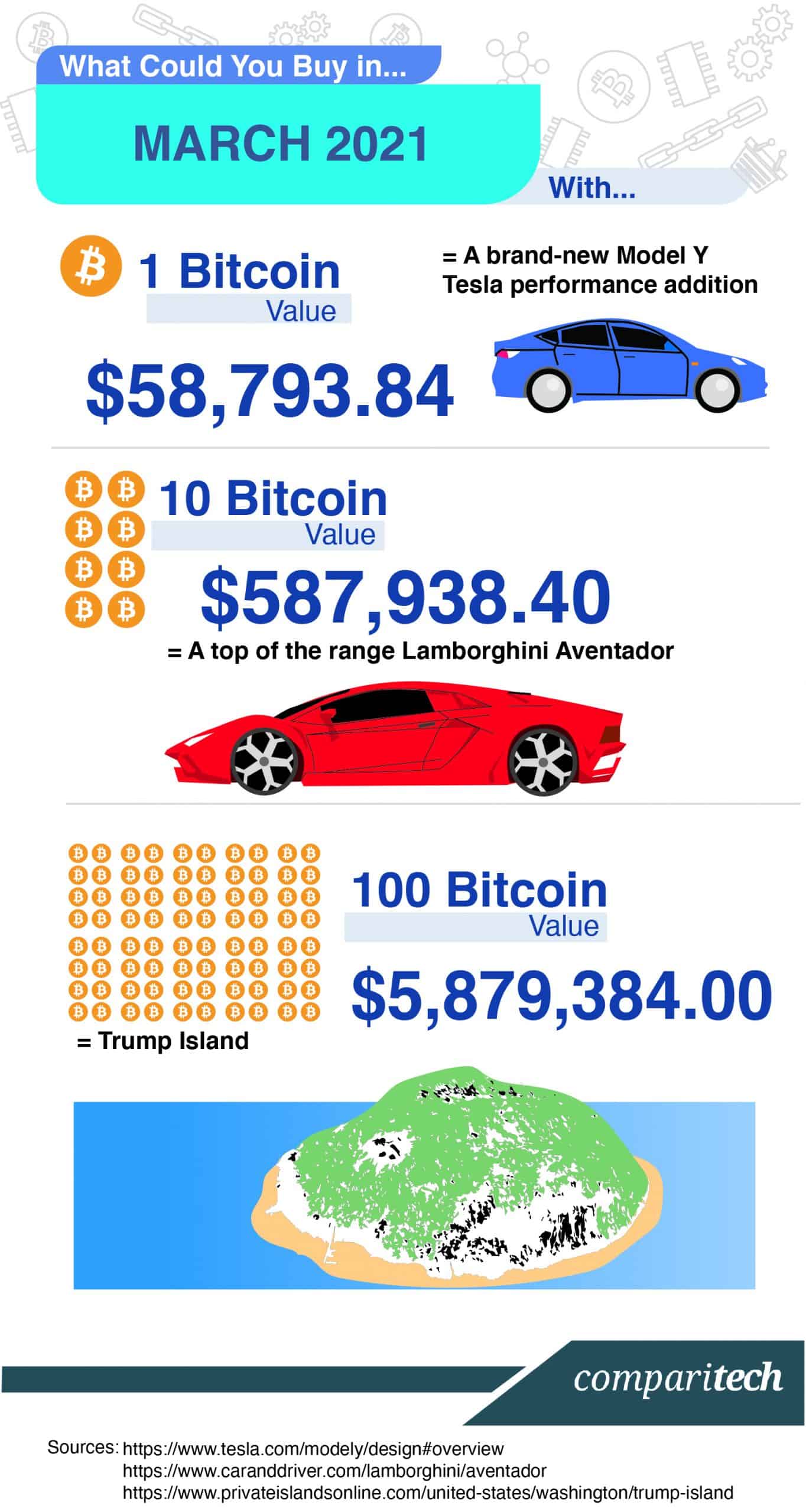
The potential rewards of investing in Bitcoin are evident in its historical performance, which has delivered astronomical returns for early adopters. It offers diversification benefits, a hedge against traditional financial systems, and exposure to a nascent, potentially transformative technology. However, the risks are equally significant. Beyond volatility, there’s regulatory risk, technological risk (though Bitcoin’s protocol is very secure, individual custody solutions can be vulnerable), and market manipulation risk. Investors must be prepared for the possibility of significant, even total, loss of capital, especially if they invest money they cannot afford to lose.
DCA and Long-Term Holding Strategies
Given Bitcoin’s volatility, a popular and often recommended investment strategy is Dollar-Cost Averaging (DCA). This involves investing a fixed amount of money at regular intervals (e.g., weekly or monthly), regardless of the price. DCA helps to mitigate the risk of buying at a market peak, as your average purchase price evens out over time. This strategy aligns well with a long-term holding (HODL) approach, where investors purchase Bitcoin with the intention of holding it for several years, riding out short-term fluctuations in anticipation of long-term appreciation. This strategy requires patience and discipline, but historically, it has been effective for many.
Fractional Ownership: You Don’t Need a Whole Bitcoin
The seemingly high price of a single Bitcoin often deters newcomers. However, it’s crucial to understand that you don’t need to buy a whole Bitcoin. Bitcoin is divisible into 100 million smaller units called “satoshis” (sats). This means you can buy a fraction of a Bitcoin, perhaps for as little as a few dollars, depending on the exchange’s minimums. This accessibility makes Bitcoin investment open to almost any budget, allowing individuals to participate and accumulate over time without needing a large lump sum.
Choosing the Right Investment Platform
Selecting a reputable and secure exchange or brokerage is a critical step. Key considerations include:
- Security: Look for platforms with strong security measures like two-factor authentication (2FA), cold storage for assets, and insurance.
- Fees: Understand the trading fees, withdrawal fees, and deposit fees, as these can eat into your returns.
- User Interface: A user-friendly interface is important, especially for beginners.
- Customer Support: Accessible and responsive customer service is vital for troubleshooting.
- Regulatory Compliance: Choose platforms that are regulated in your jurisdiction, as this offers a layer of consumer protection. Popular options include Coinbase, Binance, Kraken, and Gemini, among others, each with its own advantages and disadvantages.
Historical Context and Future Projections
Understanding Bitcoin’s journey provides valuable context for its current valuation and future potential.
A Decade of Unprecedented Growth and Corrections
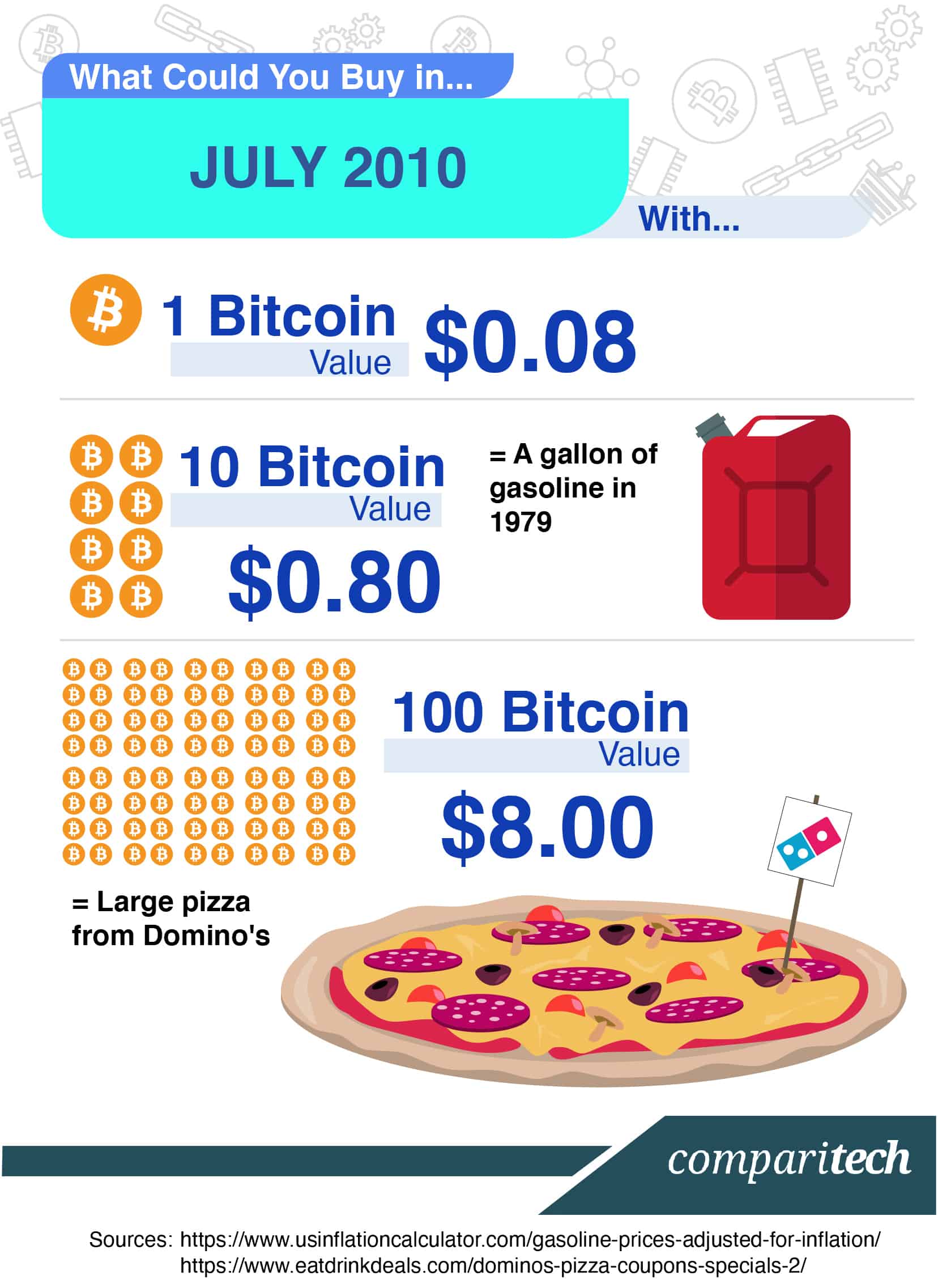
Since its inception in 2009 and its first price peg to the dollar in 2010 (a value often cited as $0.003), Bitcoin has experienced several explosive bull runs and subsequent deep bear markets. Its journey from being virtually worthless to trading at tens of thousands of dollars per coin is unprecedented in financial history. These cycles are characterized by periods of rapid accumulation, euphoric highs, followed by significant corrections and periods of consolidation. Each cycle has seen Bitcoin establish new, higher bottoms, demonstrating a consistent upward trend over the long term, despite the dramatic volatility. This historical pattern influences investor expectations and risk assessments.
Bitcoin’s Role as a Digital Gold or Inflation Hedge
A significant narrative driving Bitcoin’s demand and price is its characterization as “digital gold.” Proponents argue that its finite supply, decentralized nature, and censorship resistance make it a superior store of value compared to traditional assets, particularly during times of economic uncertainty or currency debasement. While its correlation with gold can vary, Bitcoin has demonstrated an ability to act as an inflation hedge for some investors, especially in countries experiencing hyperinflation. This store-of-value narrative is a powerful long-term driver of its price, attracting capital from those seeking to preserve wealth.
Navigating the Evolving Cryptocurrency Ecosystem
Bitcoin exists within a rapidly expanding and evolving cryptocurrency ecosystem. While it remains the dominant cryptocurrency by market capitalization, the growth of other cryptocurrencies (altcoins) and decentralized applications introduces both competition and complementary developments. The overall health and innovation within this broader ecosystem can indirectly impact Bitcoin, by either drawing attention and capital away or by validating the underlying blockchain technology and bringing more users into the space. Investors need to be aware of these broader trends, even when primarily focused on Bitcoin.
Practical Considerations for Aspiring Bitcoin Investors
Beyond market analysis, certain practical steps are essential for anyone looking to invest in Bitcoin responsibly.
Setting Realistic Expectations and Financial Goals
It’s crucial to approach Bitcoin investment with realistic expectations. While the potential for high returns exists, it is not a get-rich-quick scheme. Investors should define clear financial goals (e.g., retirement savings, wealth diversification) and establish a clear investment horizon. Avoid investing under the pressure of FOMO or with the expectation of overnight riches. A well-thought-out plan, aligned with your personal financial situation and risk tolerance, is paramount.
Security Best Practices for Your Digital Assets
Holding Bitcoin securely is as important as buying it. Unlike traditional banking, there are no chargebacks or central authorities to recover funds if they are stolen or lost.
- Strong Passwords & 2FA: Use unique, strong passwords for all accounts and enable two-factor authentication.
- Hardware Wallets (Cold Storage): For significant amounts, consider a hardware wallet (e.g., Ledger, Trezor) to keep your private keys offline, away from internet-connected threats.
- Be Wary of Scams: Be vigilant against phishing attempts, fake investment schemes, and unsolicited offers.
- Educate Yourself: Understand how Bitcoin wallets work, the importance of private keys, and common security threats.
Tax Implications of Bitcoin Investments
Bitcoin investments are subject to taxation in many jurisdictions. Profits from selling Bitcoin, trading it for other cryptocurrencies, or using it to purchase goods and services are often considered capital gains events and may be subject to capital gains tax. The specific rules vary widely by country and even by state or province. It is essential to consult with a qualified tax professional to understand your obligations and ensure compliance with local tax laws. Proper record-keeping of all transactions is critical for accurate tax reporting.
In conclusion, “how much for a Bitcoin?” is a question that opens the door to a complex, fascinating, and potentially lucrative financial landscape. Its price is a constantly moving target, shaped by deep economic principles, global events, technological advancements, and human psychology. For the discerning investor, understanding these layers of influence, coupled with a disciplined investment strategy and robust security practices, is the true path to navigating the world of Bitcoin successfully.
aViewFromTheCave is a participant in the Amazon Services LLC Associates Program, an affiliate advertising program designed to provide a means for sites to earn advertising fees by advertising and linking to Amazon.com. Amazon, the Amazon logo, AmazonSupply, and the AmazonSupply logo are trademarks of Amazon.com, Inc. or its affiliates. As an Amazon Associate we earn affiliate commissions from qualifying purchases.