
Chablis is perhaps the most misunderstood yet universally recognized name in the world of white wine. For the casual consumer, the name evokes a crisp, bone-dry profile often associated with generic “table wines.” However, in the high-stakes arena of brand strategy and luxury positioning, Chablis represents a masterful case study in regional identity, terroir-driven marketing, and the challenge of brand dilution in a global marketplace. To understand the grape behind Chablis is to understand the core tension between a product’s geographic origin and its commercial perception.
The Chardonnay Foundation and the Terroir Advantage
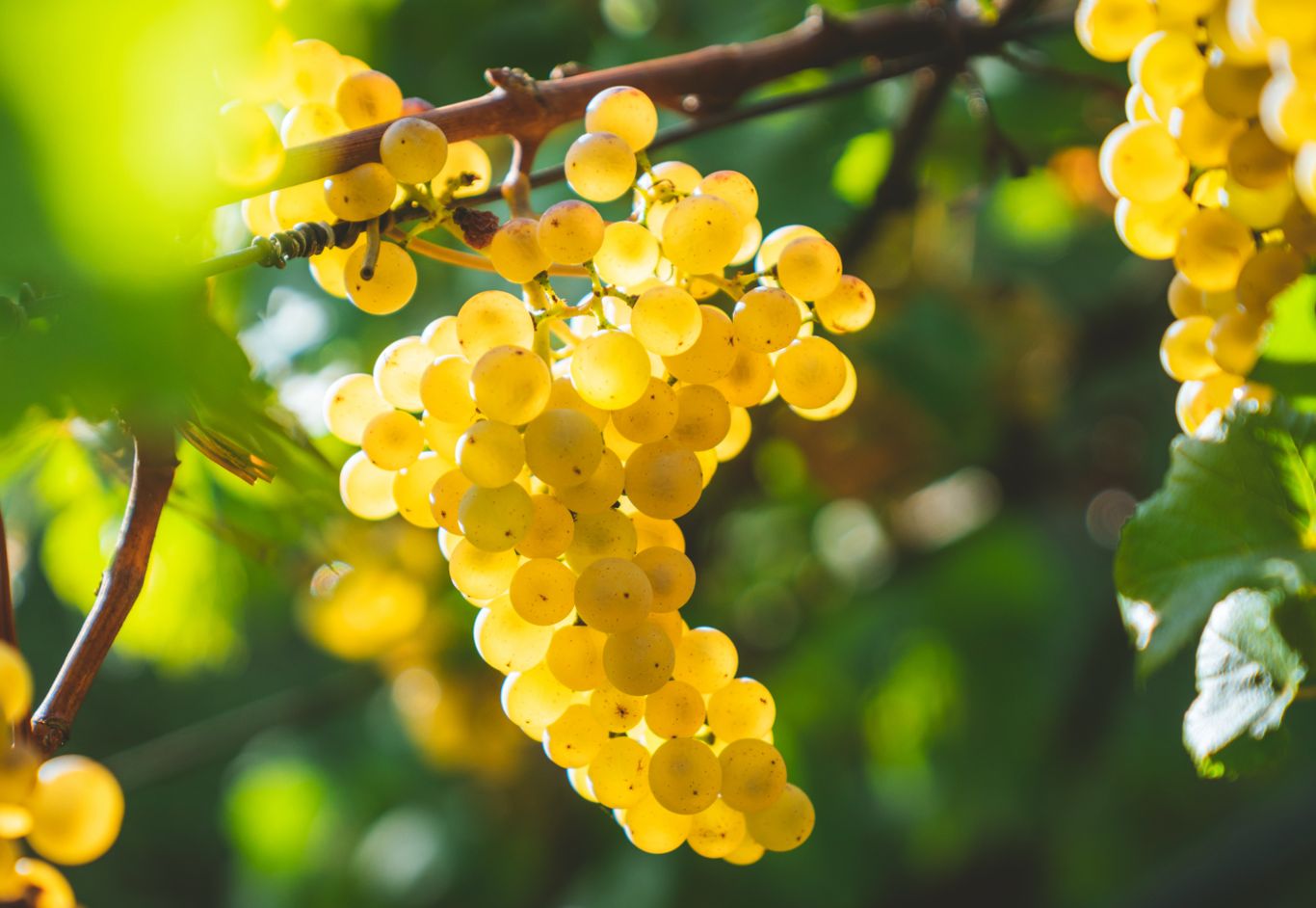
The primary grape behind every bottle of authentic Chablis is 100% Chardonnay. While Chardonnay is the most widely planted white grape variety globally, appearing in everything from high-end Burgundian bottles to mass-produced Californian labels, its expression in the Chablis region of northern France is radically distinct. From a branding perspective, this is the ultimate example of “place over product.”
The Kimmeridgian Soil Identity
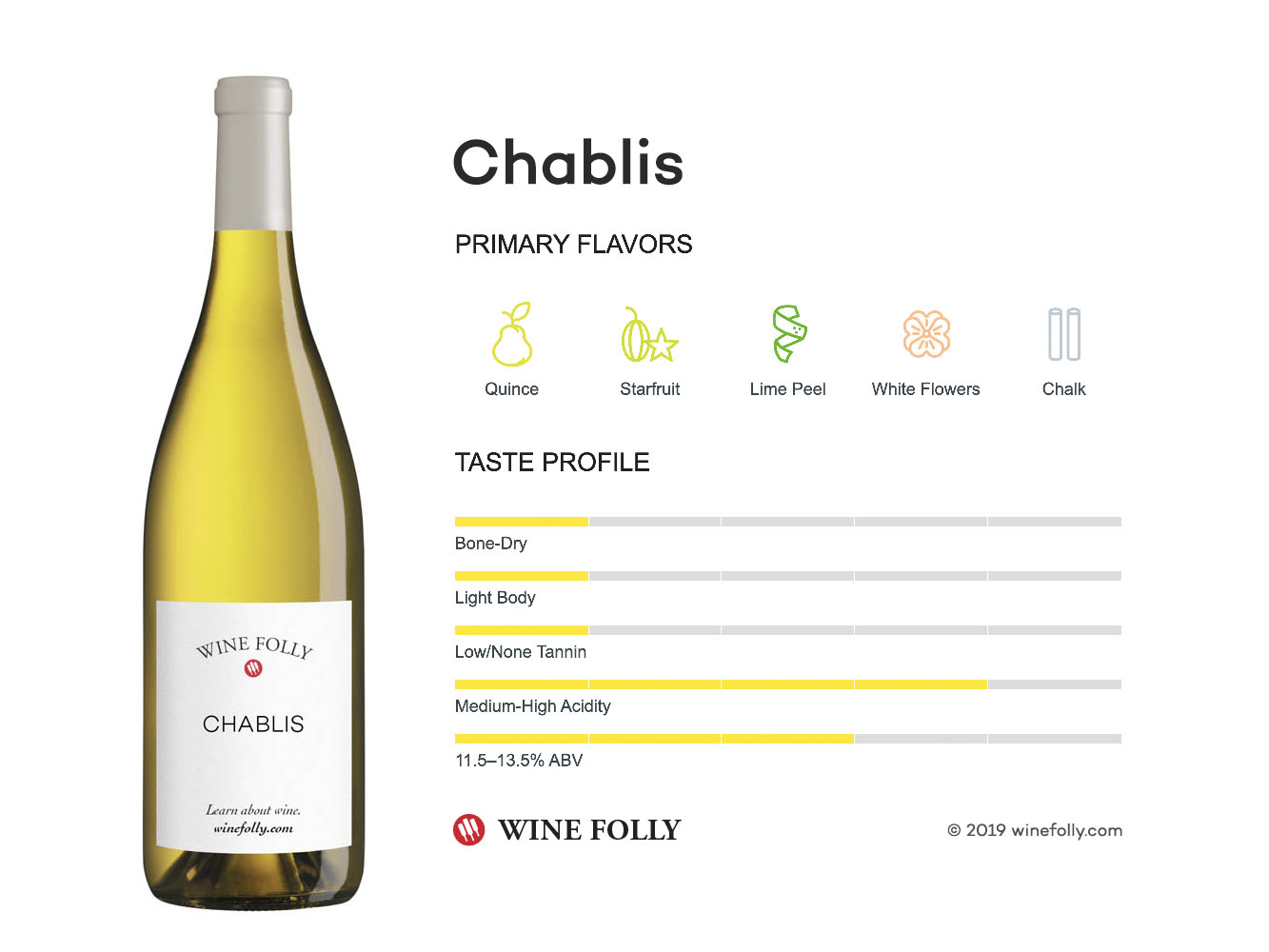
The defining differentiator for Chablis is not the grape itself, but the specific geological composition of its vineyards. The region sits upon Kimmeridgian limestone—a soil rich in fossilized oyster shells dating back to the Jurassic period. This provides the wine with its signature minerality, often described as flinty, saline, or “steely.” In brand marketing, this creates a unique value proposition that is impossible to replicate elsewhere. When a winery leans into this geology, they are effectively selling the history of the earth, a tactic that elevates the product from a mere commodity to an experiential luxury item.
Climate and the Absence of Oak
Unlike many New World Chardonnays that utilize heavy oak aging to impart notes of vanilla and butter, traditional Chablis focuses on purity. By utilizing stainless steel or older, neutral oak vessels, producers allow the Chardonnay grape to act as a blank canvas for the region’s climate. This strategic choice is a direct response to consumer fatigue regarding overly oaked wines, positioning Chablis as the sophisticated, “intellectual” alternative to the bold, fruit-forward styles of the Americas.
Protecting the Geographic Brand: The “Chablis” Identity Crisis
One of the most fascinating aspects of Chablis as a brand is its historical struggle with trademark protection. For decades, particularly in the United States, the name “Chablis” was used as a generic term for inexpensive, white jug wine. This is a classic branding disaster scenario: a prestigious regional designation being hijacked to describe a generic product that shares nothing with the original in terms of quality or production method.
The Fight for Appellation Integrity
The French regulatory body, the INAO (Institut National de l’Origine et de la Qualité), has spent decades fighting to reclaim the name. This serves as a vital lesson in corporate identity and legal protection. When a brand name becomes synonymous with the category rather than the specific, high-quality origin, the actual producer suffers a loss of perceived value. For modern brands, this underscores the importance of strict intellectual property management and the necessity of ensuring that one’s brand identity remains tied to its quality-control standards rather than becoming a buzzword for the masses.
Re-educating the Consumer
The current strategy for the Chablis region involves an aggressive campaign of consumer education. By emphasizing that Chablis is a specific location in Burgundy—not a style of wine—the region is successfully shifting the narrative. Brands that find themselves in a similar position, where their trademarked name has been co-opted, must pivot to emphasizing provenance, heritage, and the specific production standards that justify their price point. Chablis today is marketed not as “white wine,” but as a highly refined expression of cold-climate Chardonnay.

Market Positioning and Premium Pricing
Chablis occupies a specific tier in the global wine market. It is not an entry-level product, nor is it exclusively for the ultra-wealthy. This “bridge” positioning allows the region to capture a wide segment of affluent consumers who are looking for a reliable, high-quality label that signifies taste and discernment.
Tiered Branding: Petit Chablis to Grand Cru
The Chablis region utilizes a hierarchical branding structure that mirrors luxury business models. By organizing their products into four tiers—Petit Chablis, Chablis, Chablis Premier Cru, and Chablis Grand Cru—the region creates an accessible entry point for new consumers while simultaneously fostering an aspirational path toward top-tier labels.
- Petit Chablis: The accessible entry point.
- Chablis: The reliable flagship product.
- Premier Cru: The mid-market premium, appealing to enthusiasts.
- Grand Cru: The elite, limited-production asset, appealing to collectors.
This architecture ensures that the brand remains relevant at multiple price points without diluting the core equity of the “Chablis” name. It is a lesson in product segmentation that many consumer-packaged-goods (CPG) companies would do well to study. By maintaining this hierarchy, the region prevents its top-tier products from being confused with its base-level offerings.
The Scarcity Principle
Grand Cru Chablis is produced in incredibly limited quantities. In marketing, scarcity is a powerful driver of perceived value. By highlighting the limited geographic footprint of the seven Grand Cru climates, producers create a narrative of exclusivity. Consumers are not just buying wine; they are participating in a limited-availability event. This creates a secondary market where high demand for a finite supply ensures that the brand remains at the top of the price index, effectively insulating it from the price wars that plague more commodified Chardonnay producers.
The Future of the Chablis Brand
As climate change alters the viticultural landscape, the Chablis brand faces new challenges. Warmer temperatures are changing the traditional acid profile of the Chardonnay grown there, necessitating adjustments in vineyard management and winemaking techniques. From a brand strategy perspective, the adaptability of the Chablis name is being put to the test.
Authenticity in an Age of Innovation
The brand’s future relies on its ability to balance traditional winemaking methods with modern environmental realities. Brands that are too rigid in the face of change risk obsolescence, while those that change too quickly risk losing their identity. Chablis is currently navigating this by leaning into its “identity as a place.” As long as the soil remains Kimmeridgian and the production remains tied to the northern Burgundy landscape, the brand has a foundation that transcends mere grape variety.
Conclusion: A Brand Built on Geography
The answer to “what grape is Chablis” is simple: Chardonnay. However, the answer to “what is the value of Chablis” is far more complex. It is a story of branding, legal defense, hierarchical segmentation, and the strategic leveraging of a unique environment. For professionals in any industry, the evolution of Chablis demonstrates that the most successful products are those that can successfully tether their identity to a specific place, protect that identity from dilution, and provide a clear, tiered structure that allows consumers to move from curiosity to deep, brand-loyal investment. Chablis proves that when you own your origin, you own your market.
aViewFromTheCave is a participant in the Amazon Services LLC Associates Program, an affiliate advertising program designed to provide a means for sites to earn advertising fees by advertising and linking to Amazon.com. Amazon, the Amazon logo, AmazonSupply, and the AmazonSupply logo are trademarks of Amazon.com, Inc. or its affiliates. As an Amazon Associate we earn affiliate commissions from qualifying purchases.