
For millions, student loans represent a significant financial commitment, often stretching over decades. The journey from graduation to financial independence is paved with careful planning and diligent management, and a fundamental first step is always knowing precisely where you stand. Understanding how to check your student loans, monitor their status, and comprehend their terms is not just good practice; it’s an indispensable component of sound personal finance. This guide will walk you through the essential steps to gain clarity and control over your student loan obligations, ensuring you’re always informed and empowered to make the best financial decisions.
The Critical Importance of Monitoring Your Student Loans
Many borrowers mistakenly believe that once a loan is disbursed, their primary responsibility is simply to make payments. However, a proactive approach to monitoring your student loans offers substantial benefits, mitigating risks and opening doors to better financial management strategies. It’s about more than just knowing your balance; it’s about understanding the nuances of your debt.
Gaining Clarity on Your Financial Obligations
Imagine navigating a complex maze without a map. That’s what managing student loans can feel like without regular checks. Keeping tabs on your loans provides a clear, real-time overview of your total debt, interest rates, principal balances, and repayment schedules. This clarity is the bedrock of responsible financial planning, allowing you to accurately assess your monthly obligations, understand how interest accrues, and project your payoff timeline. Without this fundamental understanding, it’s easy to feel overwhelmed or make uninformed choices that could have long-term financial repercussions.
Preventing Costly Mistakes and Surprises
Life happens. Servicers change, repayment terms shift, and sometimes, errors occur. Regularly checking your student loans allows you to catch discrepancies early, such as incorrect payment applications, unexpected interest accruals, or changes in your loan servicer that you might have missed. Early detection of these issues can save you significant time, money, and stress, preventing late fees, negative impacts on your credit score, or even unintended defaults. Proactive monitoring transforms potential crises into manageable adjustments.
Empowering Future Financial Decisions
Your student loans don’t exist in a vacuum. They impact your ability to save for a down payment, invest for retirement, or even qualify for other forms of credit. By consistently monitoring your loan portfolio, you gain the foresight to integrate your student loan strategy into your broader financial goals. Knowing your exact repayment status and options empowers you to make informed decisions about refinancing, consolidation, or exploring income-driven repayment plans that could free up cash flow for other life goals. This level of financial intelligence turns a potential burden into a manageable part of your wealth-building journey.
Navigating Federal Student Loan Portals
For most student loan borrowers in the United States, federal loans form the largest portion of their educational debt. Fortunately, the Department of Education has established centralized resources designed to help you track and manage these loans efficiently.
The National Student Loan Data System (NSLDS) – The Primary Hub
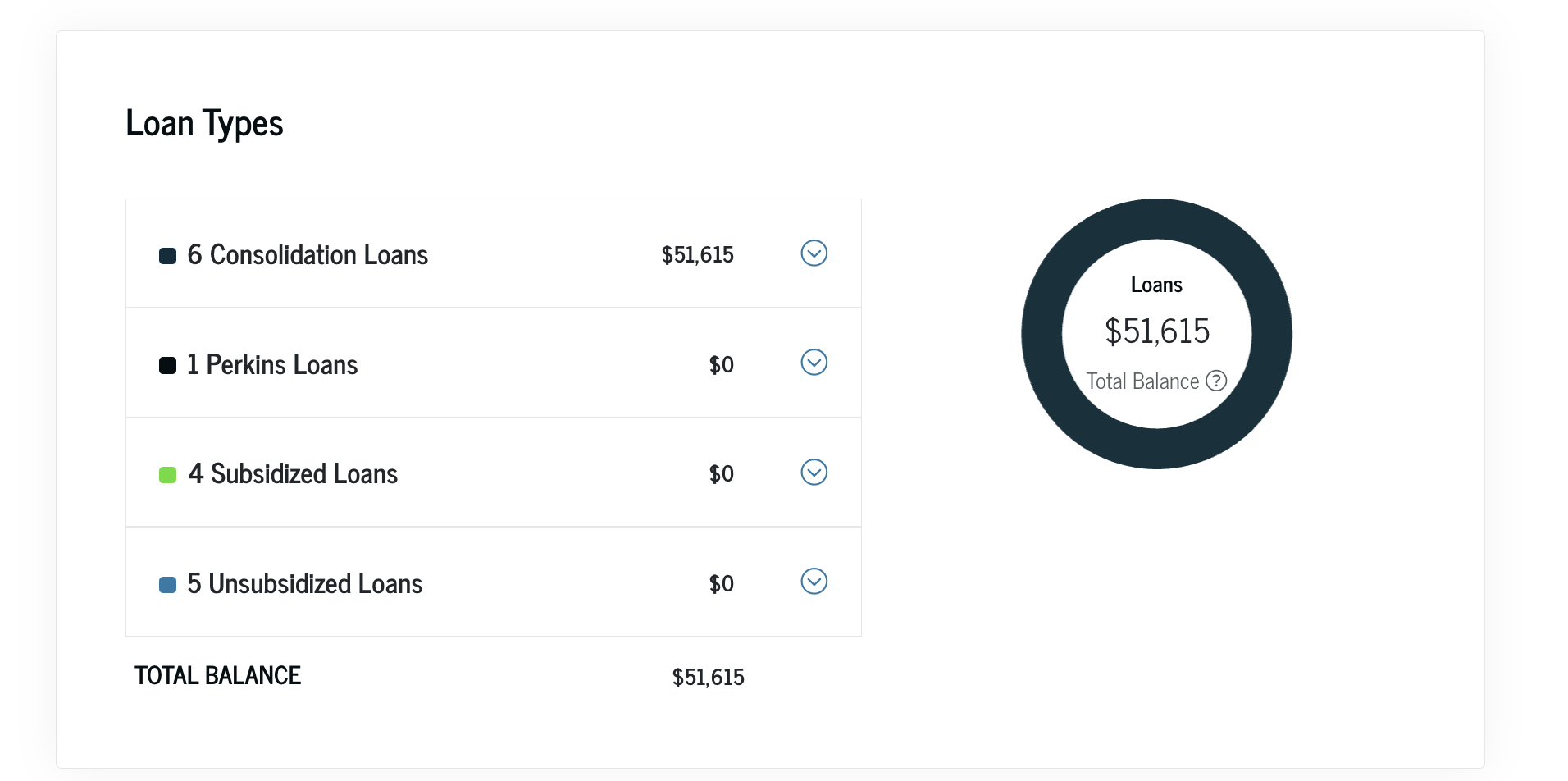
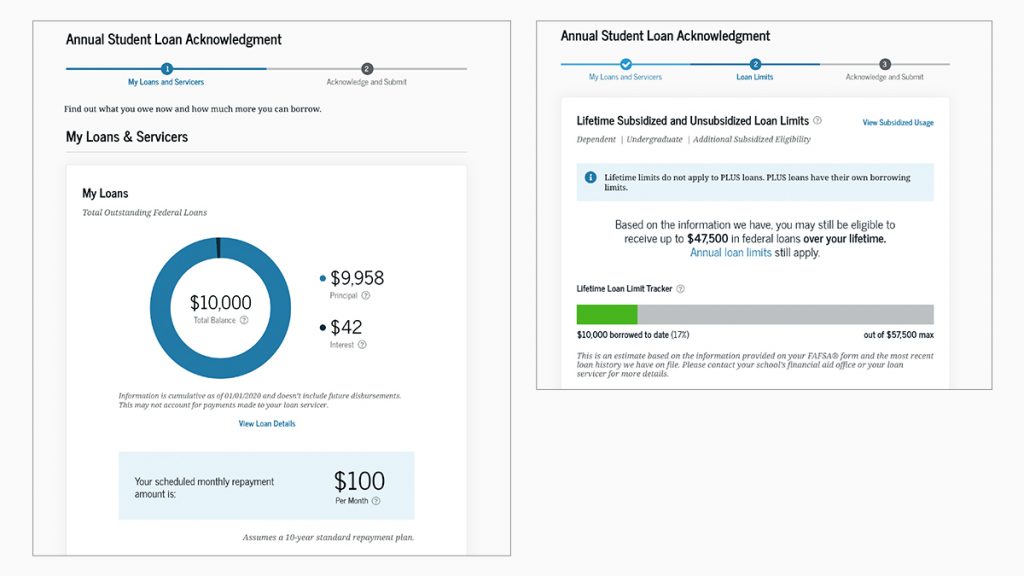
The National Student Loan Data System (NSLDS) is the U.S. Department of Education’s central database for student aid. It contains information on federal grants and loans, making it the definitive first stop for checking all your federal student loans. Through NSLDS, you can view details on your loan types (e.g., Stafford, Perkins, PLUS), outstanding balances, loan statuses (in-school, grace, repayment, deferment, forbearance), disbursements, and the contact information for your loan servicers.
To access NSLDS, you’ll typically log in using your Federal Student Aid (FSA) ID. This is the same ID you use to complete the Free Application for Federal Student Aid (FAFSA). If you don’t have an FSA ID or have forgotten yours, you can create or retrieve it on the Federal Student Aid website. Once logged in, NSLDS provides a comprehensive summary, giving you an unparalleled overview of your federal student debt landscape.
Your Loan Servicer’s Online Portal
While NSLDS provides a comprehensive overview, your loan servicer’s online portal offers the most granular, up-to-date details on your federal loans. A loan servicer is the company that handles the billing and other services for your student loan. The NSLDS will list your servicer(s) for each loan. Common federal loan servicers include MOHELA, Nelnet, Edfinancial, and Aidvantage.
Once you identify your servicer(s), you’ll need to create an account on their respective websites if you haven’t already. These portals are invaluable for:
- Checking your current balance, including principal and accrued interest.
- Viewing your payment history and upcoming due dates.
- Making payments or setting up autopay.
- Applying for income-driven repayment plans, deferment, or forbearance.
- Updating your contact information.
- Accessing tax documents (like Form 1098-E).
Regularly checking your servicer’s portal complements the NSLDS overview, providing the specific transactional details you need for active management.
Understanding Your FAFSA and Aid Summary
While not a direct way to check your current loan status, your Free Application for Federal Student Aid (FAFSA) submission and subsequent Aid Summary can serve as a historical record and a reference point for the federal aid you were offered. Your FAFSA ID allows you to log back into the Federal Student Aid website to view past FAFSA applications and your Student Aid Report (SAR). The SAR details the federal aid you were eligible for and received in specific academic years, which can be helpful if you need to reconcile information or understand the origin of certain loans. While NSLDS is for current status, your FAFSA history provides the foundational context.
Accessing Your Private Student Loan Information
Private student loans are issued by banks, credit unions, and state agencies, and they operate differently from federal loans. There isn’t a single centralized database for all private loans, making their discovery and management a slightly different process.
Contacting Your Private Lenders Directly
The most direct way to check your private student loans is to contact the lenders themselves. If you recall taking out private loans, you likely received paperwork from the issuing bank or financial institution. Gather any statements, emails, or loan agreements you have from these lenders. Then, visit their respective websites or call their customer service lines. You will need your account number and possibly other identifying information to access your loan details.
Common private student loan lenders include Sallie Mae, Discover, Wells Fargo, Chase, and various credit unions. If you’ve refinanced private loans, the new lender will be your point of contact. Setting up online accounts with each private lender is highly recommended, as it allows for easy access to balances, payment history, and statements, similar to federal loan servicer portals.
Utilizing Credit Reports for Discovery
If you’re unsure whether you have private student loans, or if you can’t recall all your lenders, your credit report is an invaluable tool. All legitimate private student loans, like other forms of credit, are reported to the three major credit bureaus: Experian, Equifax, and TransUnion.
You are entitled to a free copy of your credit report from each of the three major credit bureaus once every 12 months through AnnualCreditReport.com. When you review your credit reports, look for accounts listed under “student loans” or “education loans.” Each entry should include the lender’s name, the account number, the loan balance, and the status of the account. This can help you identify any private loans you might have forgotten about and provide the necessary contact information to reach out to the specific lenders. This step is particularly crucial for older loans or those taken out across several years.
Consolidating Information from Multiple Sources
Since there’s no single portal for private loans, you may need to gather information from several different lenders. It’s a good practice to create a personal spreadsheet or use a financial management app to consolidate all your loan details – both federal and private. This unified view will help you manage everything in one place, making it easier to track total debt, monitor payment schedules, and assess your overall financial picture. This manual consolidation bridges the gap created by the decentralized nature of private lending.
Key Information to Uncover When Checking Your Loans
Once you’ve accessed your loan information, whether through federal portals or private lender sites, it’s crucial to know what specific data points to focus on. These details are vital for effective debt management.
Current Balances and Accrued Interest
Beyond the principal amount borrowed, understand your current outstanding balance, which includes any accrued and unpaid interest. Interest often capitalizes (gets added to the principal) in certain situations, such as at the end of a deferment or forbearance period. Knowing your total balance provides the true scope of your debt. Additionally, understand if you have any subsidized federal loans, where the government pays interest while you are in school or during deferment, versus unsubsidized loans, where interest accrues from the moment of disbursement.
Repayment Status and Due Dates
Confirm your current repayment status (e.g., in-school, grace period, in repayment, deferment, forbearance, default). This status dictates whether payments are due and under what terms. Crucially, verify your next payment due date and the amount required. If you’re on an income-driven repayment (IDR) plan for federal loans, ensure your recertification date for income and family size is noted, as missing this can lead to higher payments. For private loans, check if your loan is on a fixed or variable interest rate and how that impacts your monthly payments over time.
Loan Types and Interest Rates
Different loan types carry different terms and protections. Federal loans (Stafford, PLUS, Perkins, etc.) often offer benefits like IDR plans, deferment, and potential forgiveness programs. Private loans typically have fewer protections and may have higher, variable interest rates. Note the specific interest rate for each individual loan. This information is critical for prioritizing payments (e.g., paying off high-interest loans first) and evaluating refinancing opportunities. Understanding your loan types also helps you determine eligibility for various relief programs or repayment strategies.
Servicer Contact Information and Account Details
Always keep the contact information for each of your loan servicers handy. This includes their phone numbers, mailing addresses, and website URLs. Also, make sure you have your specific account number(s) for each loan or group of loans. Having this readily accessible will save you time and frustration if you need to contact them for any reason, from making a payment to inquiring about specific repayment options or resolving an issue. Regularly verify that your contact information (phone, email, mailing address) is up-to-date with all servicers to ensure you receive important communications.
Strategic Next Steps After Reviewing Your Loan Portfolio
Checking your student loans is just the first step. The real value comes from what you do with that information. Developing a strategic plan based on your findings can significantly improve your financial outlook.
Identifying Potential Repayment Options and Plans
With a clear picture of your federal loans, explore the various repayment options available. For federal loans, this might include standard repayment, graduated repayment, extended repayment, or income-driven repayment (IDR) plans like PAYE, REPAYE, IBR, or ICR. Each plan has different eligibility requirements and payment structures designed to fit various financial situations. If you’re struggling, deferment or forbearance might be temporary solutions. For private loans, options are typically more limited, but some lenders offer hardship programs or modified payment plans. Understanding these choices allows you to select the plan that best aligns with your budget and financial goals.
Exploring Refinancing or Consolidation Opportunities
If you have multiple loans with varying interest rates, particularly high-interest private loans, refinancing or consolidation might be worth considering. Federal loan consolidation combines multiple federal loans into one new Direct Consolidation Loan, potentially simplifying payments and opening up new IDR options. However, it can also extend your repayment period and cause interest to capitalize.
Refinancing, typically done through private lenders, involves taking out a new loan to pay off existing federal and/or private loans. This can potentially lower your interest rate, reduce your monthly payment, or shorten your repayment term. Be cautious when refinancing federal loans, as it means giving up valuable federal benefits like IDR plans, deferment, and forgiveness programs. It’s crucial to weigh the pros and cons carefully, comparing interest rates, terms, and the loss of federal protections against potential savings.
Updating Your Contact Information and Communication Preferences
One of the simplest yet most effective steps is to ensure all your loan servicers have your current contact information. Outdated addresses, phone numbers, or email addresses can lead to missed statements, important notices about repayment options, or critical updates regarding your loan status. This can have severe consequences, including late payments and even default. Proactively update your information on each servicer’s portal and consider signing up for electronic communications to ensure you receive timely alerts and statements.
Seeking Professional Guidance if Needed
Navigating student loan debt can be complex, and you don’t have to do it alone. If you’re feeling overwhelmed, unsure about which repayment plan is best, or considering refinancing, seeking advice from a qualified financial advisor specializing in student loans can be incredibly beneficial. Non-profit credit counseling agencies can also provide guidance and resources. They can help you understand your options, create a personalized repayment strategy, and provide clarity on complex situations, ensuring you make well-informed decisions that support your long-term financial health.
Regularly checking your student loans is more than a chore; it’s an empowering act of financial stewardship. By leveraging the available resources, understanding key loan details, and taking proactive steps, you can transform uncertainty into clarity, set yourself on a path to successful repayment, and ultimately achieve greater financial freedom.
aViewFromTheCave is a participant in the Amazon Services LLC Associates Program, an affiliate advertising program designed to provide a means for sites to earn advertising fees by advertising and linking to Amazon.com. Amazon, the Amazon logo, AmazonSupply, and the AmazonSupply logo are trademarks of Amazon.com, Inc. or its affiliates. As an Amazon Associate we earn affiliate commissions from qualifying purchases.