
Embarking on a cruise vacation promises an escape to an idyllic world of seamless travel, diverse culinary experiences, and breathtaking destinations. Yet, for many prospective travelers, the fundamental question “How much does it cost to go on a cruise?” remains shrouded in a fog of potential hidden fees, varying inclusions, and a myriad of choices. Navigating the financial landscape of a cruise can seem daunting, but with a clear understanding of its components, you can budget effectively and ensure your dream voyage doesn’t turn into a financial nightmare. This comprehensive guide will dissect the various costs involved, from the initial fare to the myriad of onboard and pre-trip expenses, empowering you to make informed financial decisions for your next maritime adventure.
Deconstructing the Base Cruise Fare: What’s Included (and What’s Not)?
The advertised price of a cruise, often called the base fare, is your starting point, but it’s rarely the final price you’ll pay. Understanding what this figure truly encompasses is crucial for accurate financial planning.
The All-Inclusive Myth: Core Inclusions
While cruises are often touted as “all-inclusive,” this term usually refers to a core set of services. The base fare typically covers your accommodation (cabin), most meals in the main dining rooms and buffet restaurants, non-alcoholic beverages like water, tea, and basic coffee, and access to a wide array of onboard entertainment and activities. This includes swimming pools, hot tubs, fitness centers, Broadway-style shows, live music, comedy acts, and youth programs. For many, these inclusions alone represent significant value compared to land-based vacations where each of these components would be a separate, often substantial, expense. However, it’s vital to read the fine print; “all-inclusive” rarely extends to all conceivable expenses.
Understanding Cabin Categories and Their Impact
One of the most significant factors influencing your base fare is the cabin category you choose. Cruise lines offer a spectrum of options, each with a distinct price point:
- Interior Cabins: These are the most budget-friendly, lacking a window or balcony, ideal for those who spend most of their time outside the cabin.
- Oceanview Cabins: Slightly more expensive, these cabins feature a window, offering natural light and a view of the sea.
- Balcony Cabins: A popular choice, balcony cabins provide a private outdoor space, perfect for enjoying sunrises, sunsets, or a quiet coffee. These come at a premium, often significantly higher than interior or oceanview.
- Suites: At the top end, suites offer expansive living spaces, additional amenities, priority services, and often exclusive access to certain areas of the ship. Their prices can be several times that of an interior cabin.
The choice of cabin is a direct trade-off between privacy/space/view and cost. Carefully consider how much time you intend to spend in your cabin versus exploring the ship and its destinations.
Itinerary, Duration, and Cruise Line Variations
The cost of a cruise is also heavily influenced by its itinerary and duration. A 3-day weekend getaway to the Bahamas will naturally be far less expensive than a 14-day transatlantic voyage or an exotic expedition to Alaska or the Galapagos. The destinations themselves also play a role, with more remote or sought-after locations commanding higher prices due to operational costs and demand. Furthermore, different cruise lines cater to different market segments. Budget-friendly lines like Carnival or MSC Cruises typically offer lower starting fares compared to premium lines like Celebrity or Holland America, or luxury lines like Regent Seven Seas or Silversea, which genuinely offer a more all-encompassing, high-end experience at a significantly higher upfront cost. Researching cruise lines to match your budget and expectations is a critical financial step.
Beyond the Fare: Essential Onboard and Port Expenses
Once the base fare is accounted for, a slew of additional expenses awaits. Budgeting for these “extras” is paramount to avoid bill shock at the end of your trip.
Gratuities: Mandatory or Discretionary?
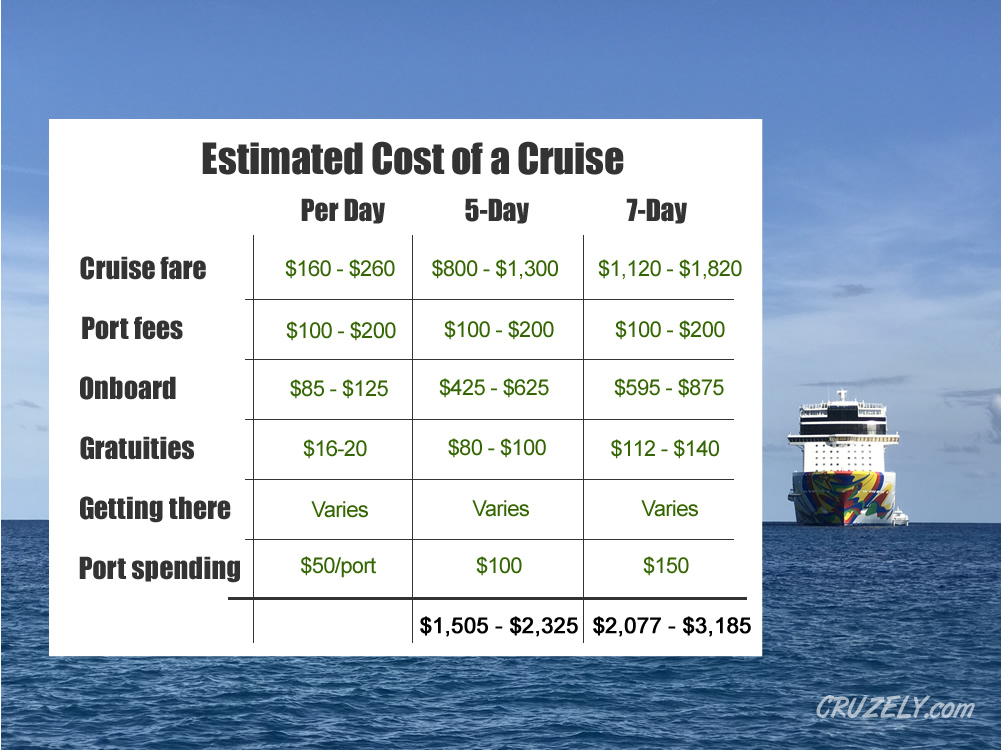
Gratuities, or tips, for the hardworking crew members (stateroom attendants, dining staff, etc.) are a standard and expected part of cruise budgeting. Most cruise lines automatically add a daily gratuity charge to your onboard account, typically ranging from $14 to $20 per person per day, depending on the cruise line and cabin category. While these can sometimes be adjusted or removed at guest services, it’s generally discouraged as it directly impacts the income of the crew. Some luxury lines include gratuities in their upfront fare, simplifying budgeting. Always check your cruise line’s specific policy regarding gratuities before booking.
Drinks Packages vs. A La Carte: A Hydration Dilemma
For many, a significant variable cost is beverages. While basic non-alcoholic drinks are included, specialty coffees, sodas, bottled water, and especially alcoholic beverages are almost always extra. Cruise lines offer various drink packages that bundle these items for a daily fee, which can range from $50 to $100+ per person per day.
- Pros of packages: Predictable cost, convenience, potential savings if you consume a lot.
- Cons of packages: High upfront cost, typically required for all adults in a cabin, may not be cost-effective if your consumption is low, excludes premium selections.
A careful analysis of your anticipated drink consumption is essential. For some, paying a la carte might be cheaper, especially if you’re not a heavy drinker or prefer specific premium brands not covered by packages.
Specialty Dining: Indulgence vs. Included Options
Beyond the main dining rooms and buffets included in your fare, most ships feature specialty restaurants offering diverse cuisines and elevated dining experiences. These typically incur an additional per-person cover charge (e.g., $25-$75+) or an a la carte menu with premium pricing. While the included dining options are usually excellent and varied, specialty restaurants offer a chance for a unique culinary treat. Budgeting for one or two specialty meals can enhance your experience without breaking the bank, but indulging every night will significantly inflate your costs.
Shore Excursions: Exploring Without Overspending
Once you arrive at port, the temptation to explore is immense. Cruise lines offer organized shore excursions for an additional fee, ranging from $40 for a simple city tour to several hundred dollars for an adventurous outing like a helicopter tour or a private cultural experience. While convenient and often guaranteeing timely return to the ship, these can add up quickly.
- Budget-Friendly Alternatives: Researching and booking independent tours with local operators can often save money. Alternatively, for many ports, simply walking off the ship and exploring on your own (e.g., using local public transport, visiting free attractions) is a perfectly viable and much cheaper option. However, if choosing independent options, be mindful of timing to ensure you don’t miss the ship.
Internet, Spa, and Other Premium Services
Most cruise ships offer Wi-Fi, but it’s typically an expensive service, often sold in packages by the day or minute, with prices easily reaching $20-$30 per day or more. If staying connected is a priority, factor this into your budget. Similarly, spa treatments (massages, facials, hair services), casino gambling, duty-free shopping, professional photos, and fitness classes (beyond basic gym access) are all additional expenses. These are purely discretionary, but the allure of vacation relaxation or a lucky win can easily tempt you to spend.
Pre- and Post-Cruise Costs: Don’t Forget the Travel Logistics
The financial journey to your cruise often begins long before you step foot on the ship. These often-overlooked expenses can significantly impact your overall vacation budget.
Flights and Transfers: Getting to the Port
Unless you live within driving distance of your departure port, airfare will be a substantial pre-cruise expense. The cost of flights varies wildly based on your origin, destination port, time of year, and how far in advance you book. Consider flying in at least one day before your cruise departure to mitigate the risk of flight delays causing you to miss your ship. Once you land, you’ll need transportation from the airport to the cruise terminal. Cruise lines offer transfers for a fee, or you can opt for taxis, ride-shares, or private shuttles, comparing prices for the most cost-effective solution.
Pre/Post-Cruise Accommodation and Activities
If you fly in a day early, you’ll need a hotel stay. This can be a smart financial buffer against travel delays but adds to your accommodation costs. Many travelers also choose to extend their vacation with a night or two at the embarkation or disembarkation city, allowing them to explore local attractions. Budgeting for these extra nights and any associated activities or meals is crucial. A simple hotel stay can range from $150 to $400+ per night, depending on the location and hotel quality.
Travel Insurance: A Non-Negotiable Investment
While an additional expense, travel insurance is arguably a non-negotiable investment for a cruise vacation. It covers unforeseen events such as trip cancellations, medical emergencies onboard or in foreign ports, lost luggage, and travel delays. The cost of travel insurance typically ranges from 5% to 10% of your total trip cost, but it can save you tens of thousands of dollars in the event of a major incident. Always compare policies to find one that offers adequate coverage for your specific needs, especially for international travel and cruising.
Passport, Visas, and Vaccinations
For international cruises, a valid passport is essential. If you don’t have one or it’s expiring soon, factor in the application or renewal fees (typically $130-$200 for a U.S. passport). Some itineraries, particularly those visiting multiple countries or specific regions, may require visas, which incur additional costs and require advance planning. Furthermore, certain destinations might recommend or require specific vaccinations, adding another layer of expense. Always check the entry requirements for all countries on your itinerary well in advance.
Strategies for Budgeting and Saving on Your Cruise Vacation
With so many variables, strategic planning is key to enjoying a cruise without financial strain. Smart budgeting can significantly reduce your overall outlay.
Timing is Everything: Off-Peak Travel and Booking Windows
The timing of your cruise can dramatically impact the price.
- Off-Peak Seasons: Traveling during shoulder seasons (e.g., late spring/early fall for Caribbean cruises) or off-peak periods (e.g., hurricane season in the Caribbean, though with careful insurance planning) often yields lower fares and fewer crowds. Avoid major holidays and school breaks if possible.
- Booking Windows: Generally, booking very far in advance (12-18 months out) can secure early bird discounts, better cabin selection, and sometimes advantageous onboard credit offers. Conversely, last-minute deals (within 60-90 days of sailing) can sometimes emerge if ships aren’t fully booked, but cabin choice may be limited. For first-time cruisers, booking a few months out offers a good balance of choice and potential value.
Leveraging Promotions and Discount Codes
Cruise lines frequently offer promotions, which can include:
- Reduced Deposits: Lowering the initial payment required.
- Free Onboard Credit (OBC): A monetary credit to spend on the ship (specialty dining, spa, internet). This is effectively free money and can significantly offset extra costs.
- Drink Package/Wi-Fi/Gratuity Inclusions: Specific packages may bundle these typically extra costs into the base fare.
- “Kids Sail Free” or Reduced Fares for 3rd/4th Guests: Ideal for families or groups.
Subscribe to cruise line newsletters, follow travel agencies specializing in cruises, and compare offers across multiple booking platforms to snag the best deals.
Choosing the Right Cruise Line and Ship for Your Budget
As mentioned, cruise lines vary widely in price and offerings. Don’t be swayed by luxury advertisements if your budget is more aligned with mainstream or contemporary lines. Newer, larger ships often have more amenities but can also be more expensive than older, smaller vessels. Researching reviews, comparing inclusions, and understanding the target demographic of each cruise line will help you find the best financial fit without sacrificing the desired experience. Sometimes, an older ship on a premium line might offer a better value than a brand-new ship on a budget line if certain amenities are a priority.
Onboard Spending Control: Pre-Paid vs. Pay-As-You-Go
Once onboard, it’s easy to get carried away.
- Pre-Payment: Pre-paying for gratuities, drink packages, or even some shore excursions can help lock in prices and prevent sticker shock at the end. It moves these expenses out of your vacation spending budget.
- Set a Daily Budget: Allocate a specific amount for discretionary spending each day (e.g., for souvenirs, extra drinks, casino).
- Utilize Onboard Credit: Prioritize using any free onboard credit for the services you value most before dipping into your own funds.
- Track Your Spending: Most cruise lines allow you to monitor your onboard account balance via your cabin TV or a mobile app. Check it regularly to stay on track.
DIY Shore Excursions and Local Exploration
For significant savings, consider planning your own port explorations. Research public transport options, local reputable tour operators (check online reviews), or simply enjoy walking around the port town. Many ports are walkable and offer free or low-cost attractions. This requires more effort and research but can cut your excursion budget dramatically, allowing you to reallocate those funds elsewhere or simply save money. Just be meticulous about timing and have a plan B in case of unexpected delays to ensure you return to the ship on time.
The True Value Proposition: Is a Cruise Worth the Investment?
After itemizing all potential costs, one might wonder if a cruise is truly a good financial investment for a vacation. The answer lies in how you define “value” and what you prioritize in your travel experience.
Comparing Cruises to Land-Based Vacations
When comparing the cost of a cruise to a land-based vacation of similar duration and quality, cruises often emerge as a competitive option. A cruise fare typically bundles accommodation, transportation between destinations, most meals, and entertainment. On a land trip, you’d separately pay for flights, hotels, meals at restaurants, inter-city transport, and entertainment/activities, which can quickly accumulate. The convenience and predictability of a cruise budget, especially if you stick to included options, can offer significant peace of mind. While the upfront cruise cost might seem high, breaking down its components often reveals a strong value proposition for the sheer volume of experiences and services provided.

Maximizing Your Cruise Experience Without Breaking the Bank
Ultimately, the cost of your cruise depends entirely on your choices. A budget-conscious traveler can enjoy an incredible cruise vacation for a relatively modest sum by:
- Choosing an interior cabin on an older, mainstream ship during off-peak season.
- Skipping drink packages and specialty dining, sticking to included options.
- Planning DIY shore excursions.
- Limiting premium onboard services.
Conversely, someone seeking luxury, extensive amenities, and ultimate convenience can spend significantly more. The key is to define your priorities, research thoroughly, and budget meticulously for all potential expenses. By understanding the financial landscape of cruising, you can embark on your chosen voyage with confidence, knowing you’ve made sound financial decisions to create lasting memories without breaking your bank.