
The allure of a warm car on a frosty morning or a cool interior during a scorching summer day is undeniable. Remote car starters offer this convenience, transforming your daily commute from an endurance test into a comfortable experience. But when you start exploring this upgrade, a common question inevitably arises: “How much does a remote car starter cost to install?” This isn’t a simple question with a single answer. The price tag is a mosaic, pieced together by various factors ranging from the technology of the starter itself to the intricacies of your vehicle and the expertise of the installer.
This guide will delve into the economics of remote car starter installations, drawing on insights from the realms of technology, branding, and personal finance to provide a holistic understanding. We’ll break down the cost components, explore the value proposition, and help you make an informed decision that aligns with your budget and needs.
Understanding the Core Components of Remote Car Starter Costs
The total cost of installing a remote car starter can be broadly categorized into two main areas: the cost of the remote starter system itself and the cost of the installation labor. Each of these has further sub-components that influence the final price.
The Price of the Remote Starter System: Technology and Features
The technology embedded within a remote car starter system is a primary driver of its cost. Think of it like choosing between a basic smartphone and a flagship model; the features and capabilities dictate the price.
Basic Key Fob Systems vs. Advanced Smartphone Integration
At the entry-level, you’ll find systems that rely on a traditional key fob. These typically offer the most straightforward functionality: lock, unlock, and start/stop the engine. Their associated costs are generally the lowest.
- Key Fob Systems: These are the workhorses of remote starters. They communicate wirelessly with your vehicle and are often bundled with the starter kit. The range of these fobs can vary, with some offering a few hundred feet of coverage and others extending up to a mile, depending on the technology and any potential signal obstructions. The cost of these systems can range from $50 to $200, depending on brand reputation and included features like trunk release or panic buttons.
Moving up the technological ladder, we encounter systems that offer far greater convenience and control, often leveraging your existing smartphone.
- Smartphone-Controlled Systems: These systems replace or supplement the traditional key fob with a dedicated app on your smartphone. This integration opens up a world of possibilities. You can start your car, lock/unlock doors, pop the trunk, and even track your vehicle’s location – all from your phone, regardless of your proximity (as long as you have a cellular signal). This advanced technology comes at a higher price point. The hardware for these systems can range from $150 to $500 or more. The underlying technology often involves a module that connects to your car’s electronics and communicates with a cloud-based service.
Additional Features and Their Impact on Cost
Beyond basic starting and stopping, remote starter systems can be equipped with a variety of features that enhance convenience, security, and user experience. These features add to the overall cost of the system.
-
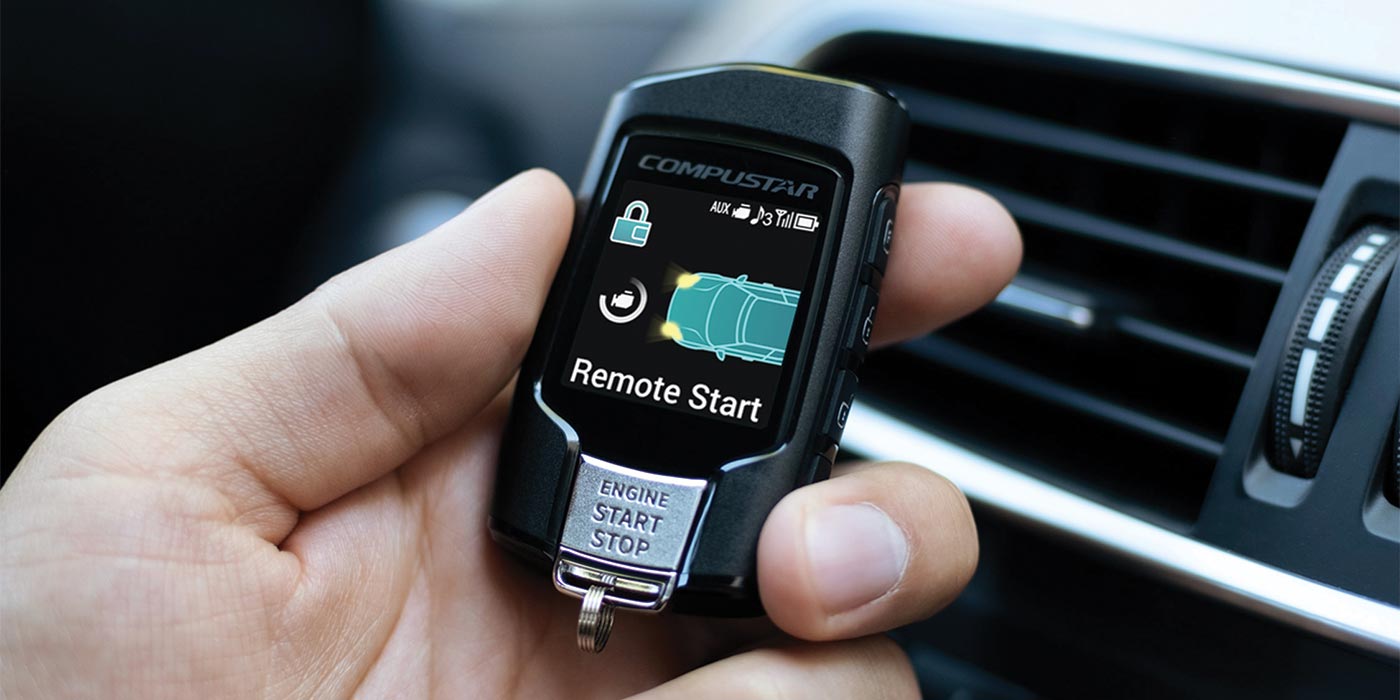
Two-Way Communication: This feature provides visual or audible confirmation that your car has received your command and started successfully. Some high-end systems have small LCD screens on the remote fob that display the car’s status, even indicating the engine temperature or if a door is ajar. This adds a premium to the system, often in the range of $50 to $150 on top of the base price.
-
Extended Range: As mentioned earlier, the range of your remote starter is crucial. If you live in a large home or a dense urban environment, a longer range might be a necessity. Systems offering a mile or more of range typically employ more sophisticated antennas and communication protocols, contributing to a higher system cost, potentially $50 to $100 more.
-
Security Features: Some advanced systems integrate with your car’s existing alarm system or offer enhanced anti-theft features. This might include features like immobilizer bypass, which is crucial for newer vehicles, and can add complexity and cost.
-
Temperature Control and Scheduling: Certain systems allow you to pre-set the desired cabin temperature or even schedule start times, ensuring your car is perfectly comfortable when you need it. These smart features are part of the higher-tier systems.
-
Integration with Other Smart Devices: The bleeding edge of technology might see remote starters integrating with smart home hubs or voice assistants, adding a layer of futuristic convenience, albeit at a significant premium.
The Cost of Installation: Labor and Expertise
The installation of a remote car starter is not a plug-and-play affair. It requires a skilled technician to integrate the system with your vehicle’s complex electrical system. This labor component is a significant portion of the overall cost.
Professional Installation vs. DIY
While the allure of saving money through a DIY installation might be tempting, it’s crucial to understand the inherent risks and complexities.
-
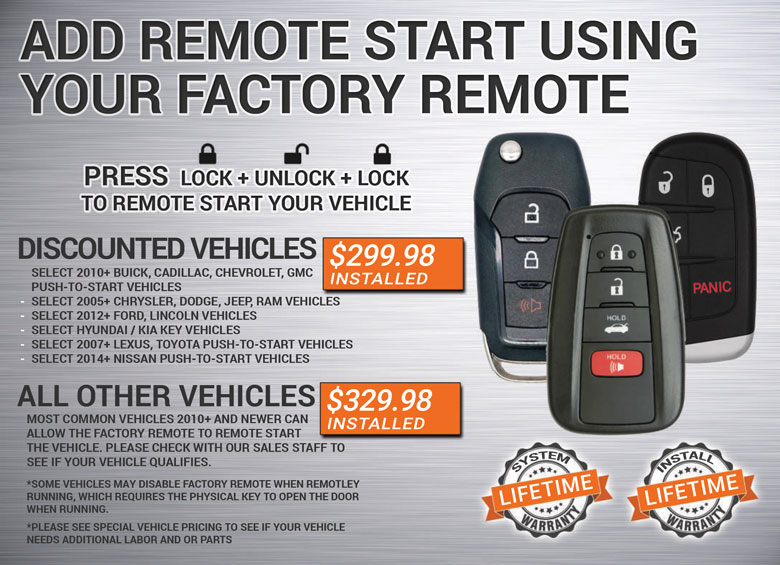
Professional Installation: This is the recommended route for most vehicle owners. Professional installers have the expertise, specialized tools, and knowledge of vehicle wiring diagrams to ensure a safe and correct installation. They can also troubleshoot any issues that may arise. The cost of professional installation typically ranges from $150 to $500, depending on the complexity of the vehicle and the installer’s hourly rate. Some high-end installations in luxury vehicles can even exceed this range.
-
DIY Installation: For those with a strong understanding of automotive electronics and a willingness to learn, DIY installation is an option. However, it comes with considerable risks. Incorrect wiring can lead to electrical damage, void your car’s warranty, or even pose a fire hazard. The cost of a DIY installation would primarily be the cost of the remote starter system itself, plus any necessary tools. However, the potential cost of rectifying errors can far outweigh any initial savings.
Factors Influencing Installation Labor Costs
Several factors contribute to the variation in installation labor costs:
-
Vehicle Make and Model: Newer vehicles, especially those with push-button start, complex anti-theft systems (like immobilizers), or advanced electronics, often require more intricate wiring and programming. This can significantly increase installation time and thus labor costs. For example, bypassing the immobilizer on a modern car can be a complex process requiring specific modules and extensive wiring.
-
Type of Remote Starter System: As discussed earlier, a basic key fob system is generally easier and quicker to install than a smartphone-controlled system that requires integration with cellular modules and potentially multiple control units.
-
Installer’s Location and Reputation: Labor rates can vary geographically. A reputable installer with a proven track record and good reviews might command a higher hourly rate, but their expertise can provide peace of mind.
-
Additional Services: Some installers offer additional services like alarm system integration, door lock control, or even power trunk activation, which will naturally add to the labor cost.

The Financial Investment: Understanding the Total Cost and Value
When considering the cost of a remote car starter, it’s essential to view it as an investment rather than just an expense. The total outlay is a sum of the hardware and labor, but the true value lies in the benefits it provides.
Typical Cost Ranges: A Snapshot
To give you a clearer picture, let’s look at some typical cost ranges for remote car starter installations:
-
Basic Key Fob System:
- System Cost: $50 – $200
- Installation Cost: $150 – $300
- Total Estimated Cost: $200 – $500
-
Mid-Range System (with features like extended range or two-way communication):
- System Cost: $150 – $300
- Installation Cost: $200 – $400
- Total Estimated Cost: $350 – $700
-
High-End Smartphone-Controlled System:
- System Cost: $300 – $600+
- Installation Cost: $250 – $500+
- Total Estimated Cost: $550 – $1100+
It’s important to note that these are estimates, and the actual cost can fall outside these ranges depending on the specific vehicle, chosen system, and installer.
The Return on Investment: Beyond the Price Tag
While the upfront cost is a significant consideration, the value proposition of a remote car starter extends beyond its price tag.
-
Enhanced Comfort and Convenience: This is the most obvious benefit. Imagine stepping into a perfectly climatized car every morning, no matter the outside temperature. This daily comfort can significantly improve your commute and overall mood.
-
Time Savings: In cold weather, your car will be warm and ready to go without you having to wait for the engine to heat up. In hot weather, you can pre-cool the cabin, saving you precious minutes.
-
Increased Vehicle Value (Potentially): While not a guaranteed return, a well-installed and reputable remote car starter can be a desirable feature for potential buyers, potentially adding a small increment to your vehicle’s resale value.
-
Security Features: Some advanced systems can enhance your vehicle’s security, offering remote arming/disarming of alarms and even GPS tracking in case of theft, providing valuable peace of mind.
-
Fuel Efficiency (Debatable but worth considering): While idling burns fuel, modern remote starters are often designed to run the engine for specific durations to achieve a comfortable temperature and then shut off. In extremely cold or hot conditions, this can be more fuel-efficient than running the engine continuously for extended periods to warm up or cool down the cabin manually. However, this is a nuanced point and depends heavily on usage patterns and local climate.
Making the Smart Choice: Budgeting and Brand Considerations
Navigating the world of remote car starters involves careful budgeting and understanding the impact of brand reputation.
Budgeting for Your Remote Car Starter
When planning your purchase, it’s crucial to have a clear budget in mind.
-
Determine Your Needs: What features are essential for you? Do you need the convenience of smartphone control, or will a basic key fob suffice? Prioritizing your needs will help you narrow down your options and avoid unnecessary expenses.
-
Research System Costs: Browse online retailers and automotive accessory stores to get an idea of the prices for different brands and models that meet your feature requirements. Look for reputable brands that offer good warranties on their products.
-
Obtain Installation Quotes: Contact local automotive electronics specialists, car dealerships (though often more expensive), or mobile installers to get quotes for installation. Be sure to specify your vehicle’s make, model, and year, and the type of remote starter system you are considering.
-
Factor in Unexpected Costs: While unlikely with a professional installation, it’s always wise to have a small contingency fund for any unforeseen issues.
The Brand Factor: Reputation and Reliability
In the tech world, as in many others, brand reputation plays a significant role in product quality and customer satisfaction.
-
Established Brands: Companies like Compustar, Viper, and Avital are well-known in the remote car starter industry. They often offer a wider range of features, more robust warranties, and better customer support. While their products might be at the higher end of the price spectrum, their reliability and advanced technology can justify the investment.
-
Generic or Lesser-Known Brands: You might find less expensive options from brands you’re not as familiar with. While some of these can offer good value, it’s essential to thoroughly research reviews, warranty terms, and the availability of technical support before committing. A cheaper system with poor reliability or no support can lead to frustration and additional costs down the line.
-
Corporate Identity and Marketing: A strong brand identity often translates to a commitment to quality and customer experience. Companies that invest in good design, clear marketing, and strong customer service are generally more likely to deliver a superior product. Consider how the brand presents itself and the testimonials they provide.
Conclusion: Balancing Cost, Technology, and Convenience
The question of “how much does a remote car starter cost to install” is multifaceted, encompassing not just the price of the hardware but also the expertise required for integration and the long-term value it brings. By understanding the various components – from the technological sophistication of the starter system to the labor costs associated with installation – you can make an informed decision.
Whether you opt for a basic key fob system to combat the morning chill or a high-tech smartphone-controlled unit for ultimate convenience, the key is to balance your budget with your needs. Research reputable brands, obtain multiple installation quotes, and prioritize reliable and safe installation. Ultimately, a remote car starter is an investment in your daily comfort, time, and potentially, the security of your vehicle. By approaching the decision with knowledge and careful planning, you can ensure you get the most value from your technological upgrade.
aViewFromTheCave is a participant in the Amazon Services LLC Associates Program, an affiliate advertising program designed to provide a means for sites to earn advertising fees by advertising and linking to Amazon.com. Amazon, the Amazon logo, AmazonSupply, and the AmazonSupply logo are trademarks of Amazon.com, Inc. or its affiliates. As an Amazon Associate we earn affiliate commissions from qualifying purchases.