
The cost of a flight ticket is one of the most frequently asked, yet perpetually complex, questions for any traveler. Unlike a fixed-price commodity, airfare is a dynamic entity, fluctuating based on a myriad of factors that can turn a seemingly identical journey into a vastly different financial outlay. For those keen on personal finance and prudent spending, understanding these mechanisms is crucial not just for saving money, but for budgeting effectively and making informed travel decisions. This article delves deep into the financial ecosystem of airfare, dissecting the components, influences, and strategies that dictate how much you’ll ultimately pay to take to the skies.

Understanding the Core Components of Airfare
Before we can strategize about saving money, it’s essential to comprehend what exactly constitutes the price tag on a flight ticket. It’s rarely just a simple fee for transportation; rather, it’s a mosaic of various charges.
The Base Fare: Supply, Demand, and Algorithms
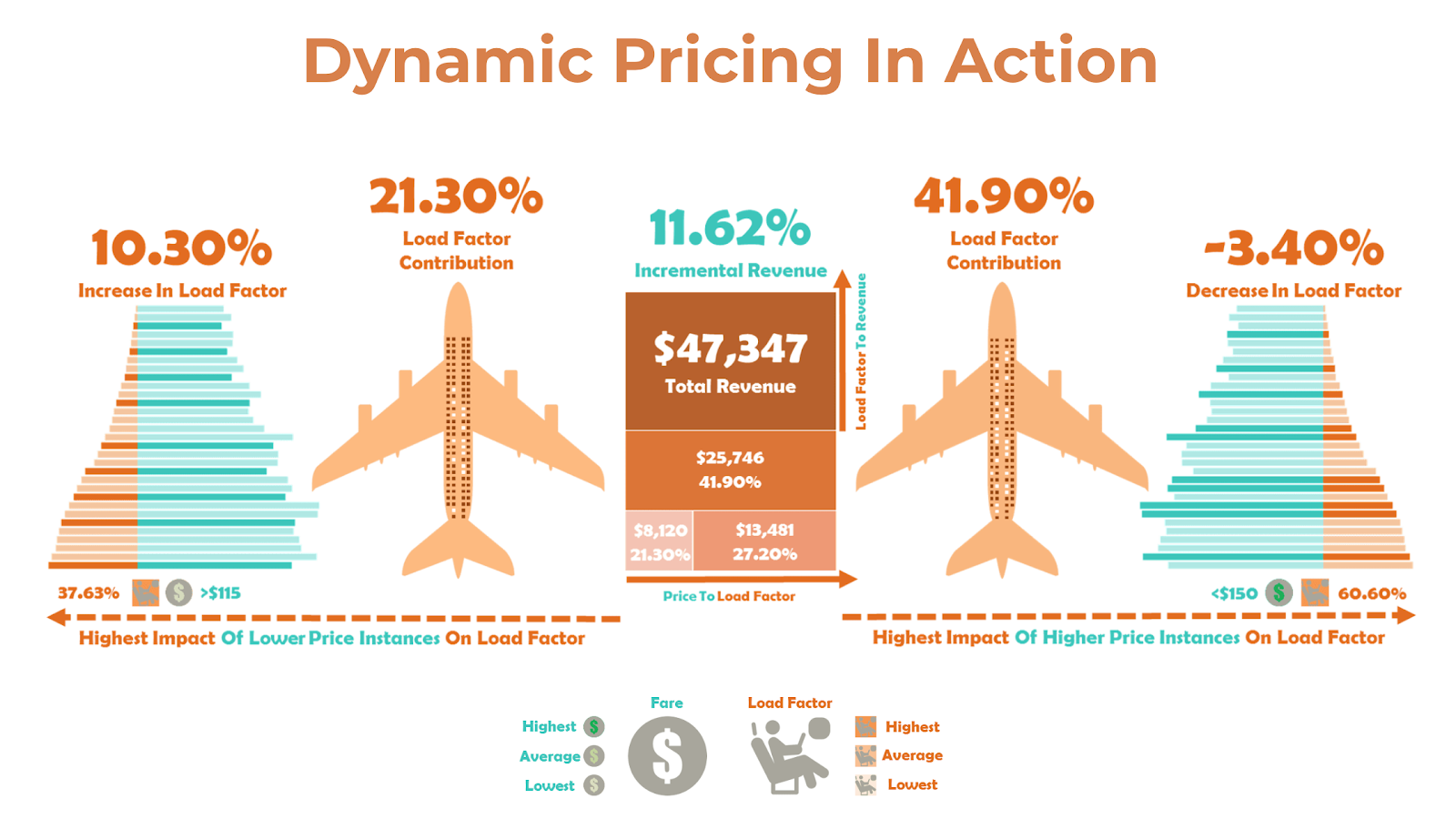
At its heart, the base fare is the fundamental price set by the airline for a seat on a particular route. This figure is heavily influenced by classic economic principles of supply and demand. If a route is popular (high demand) and seats are limited (low supply), the base fare will surge. Conversely, less popular routes or flights with many available seats tend to have lower base fares. What complicates this simple equation, however, is the sophisticated layer of dynamic pricing algorithms. Airlines use complex software to constantly adjust prices in real-time, factoring in historical booking data, competitor pricing, remaining seat inventory, time until departure, and even the type of device or location from which a booking is made. This algorithmic pricing ensures that airlines maximize revenue, making flight tickets a highly perishable asset. The same seat on the same flight could be offered at ten different prices over the course of a few weeks or even hours.
Taxes, Fees, and Surcharges: Unpacking the Hidden Costs
Beyond the base fare, a significant portion of a flight ticket’s cost is comprised of government-imposed taxes, airport fees, and airline surcharges. These can often add 20-40% (or more) to the initial price quoted.
- Government Taxes: These vary widely by country and can include security fees, passenger service charges, immigration fees, and value-added taxes (VAT). For international flights, multiple countries’ taxes might apply.
- Airport Fees: Airports levy charges for the use of their facilities, such as landing fees, terminal usage fees, and passenger facility charges. These are passed on to the consumer.
- Fuel Surcharges: While less common than in previous decades, some airlines still apply a fuel surcharge to mitigate the volatility of oil prices. This is distinct from the base fare and is often non-refundable.
- Airline-Imposed Fees: These can include administrative fees for booking through certain channels, payment processing fees, or even carrier-imposed international surcharges that are sometimes folded into the fare structure.
Understanding these additional costs is crucial for accurate financial planning, as they are largely unavoidable and can significantly inflate the perceived “deal” of a low base fare.
Ancillary Services: Customizing Your Travel Budget
In recent years, airlines, particularly budget carriers, have unbundled their services, transforming many previously included amenities into optional add-ons, or “ancillary services.” While this allows for lower initial base fares, it often means passengers must budget for these extras if they desire them.
- Baggage Fees: Checked baggage fees are almost universal across many airlines, and even carry-on bags can incur a charge on ultra-low-cost carriers. The cost varies by bag size, weight, and the number of bags.
- Seat Selection: Many airlines now charge for the privilege of selecting your seat in advance, particularly for desirable seats like those with extra legroom or aisle/window preference.
- In-Flight Amenities: Meals, snacks, beverages (beyond water), blankets, pillows, and entertainment systems might all come with an additional charge, especially on shorter flights or budget airlines.
- Priority Boarding: Paying extra to board earlier can be appealing for those who want guaranteed overhead bin space or simply prefer to settle in without a rush.
These ancillary services, while optional, can quickly accumulate, adding a substantial amount to the overall cost of a trip if not factored into the initial budget.
Key Factors Driving Flight Price Volatility
The variability of flight prices is not arbitrary; it’s driven by a discernible set of influences that travelers can learn to anticipate and, to some extent, leverage.
Timing is Everything: The Art of Booking
When you book your flight is arguably one of the most critical factors impacting its price. Generally, a sweet spot exists, often cited as 2-3 months in advance for domestic flights and 3-6 months for international travel. Booking too early (e.g., 9-11 months out) might mean paying higher prices as airlines haven’t yet optimized their schedules and pricing strategies. Booking too late (e.g., within 2-3 weeks of departure) almost always results in higher fares, as airlines target business travelers who often book last minute and are less price-sensitive. Moreover, the day of the week you book can influence prices, with Tuesday, Wednesday, and sometimes Monday often suggested as cheaper days to purchase due to competitive pricing adjustments after weekend sales.
Seasonality and Special Events: Peak vs. Off-Peak Travel
Travel demand follows predictable seasonal patterns, and flight prices mirror this. Peak travel seasons – such as summer holidays, Christmas, New Year, and major public holidays (e.g., Thanksgiving, Easter) – invariably command the highest prices due to surge in demand. Conversely, flying during the “shoulder season” (just before or after peak season) or “off-peak” periods (e.g., late January to early March, late autumn excluding holidays) can yield significant savings. Major sporting events, festivals, or conferences in a destination can also temporarily inflate flight prices to that location, irrespective of the general season.
Route Popularity and Airline Competition
Routes connecting major hubs or popular tourist destinations tend to have more competition among airlines. This competition can drive down prices as carriers vie for passengers. Conversely, routes with fewer direct flights or those serviced by only one or two airlines (monopolies or duopolies) often see higher prices due to less pressure to compete on cost. The length of the flight and whether it’s direct or involves layovers also plays a role; direct flights are often pricier due to convenience, but not always.
Class of Service and Aircraft Type
The class of service (Economy, Premium Economy, Business, First Class) profoundly impacts the ticket price, reflecting the level of comfort, amenities, and service provided. While most travelers opt for economy, understanding the price differential is key for budgeting if a more luxurious experience is desired. Less directly, the type of aircraft can also subtly influence pricing. Newer, more fuel-efficient planes might allow airlines to offer slightly lower fares on certain routes, although this is more often reflected in operational costs for the airline than a direct pricing factor for the consumer.
Smart Strategies for Economical Flight Bookings
Equipped with an understanding of how flight prices are structured and influenced, travelers can adopt proactive strategies to mitigate costs and secure better deals.
Leverage Price Comparison Tools and Alerts
The digital age offers powerful tools to help consumers navigate the labyrinthine world of flight pricing. Websites like Google Flights, Skyscanner, Kayak, and Expedia aggregate data from numerous airlines and online travel agencies (OTAs), allowing for quick comparisons. Beyond simple searching, many of these platforms offer price alerts. By setting up an alert for a desired route and date range, you’ll receive notifications when prices drop, enabling you to capitalize on fluctuations without constant manual checking. This passive monitoring is a crucial financial discipline for budget-conscious travelers.
Flexibility: Your Greatest Asset for Savings
The single most impactful strategy for saving money on flights is often flexibility.
- Flexible Dates: Being able to shift your travel dates by a few days can sometimes halve the cost of a ticket. Flying mid-week (Tuesday, Wednesday, Thursday) is typically cheaper than flying on weekends. Similarly, opting for early morning or late-night flights can often be more economical.
- Flexible Airports: If your destination has multiple airports (e.g., London’s Heathrow, Gatwick, Stansted, Luton), or if you’re willing to fly into a nearby city and take ground transport, you might find significantly cheaper fares.
- Flexible Destinations: For the truly adventurous and budget-driven, open-ended searches like “everywhere” on tools like Skyscanner can reveal incredibly cheap flights to unexpected destinations, inspiring new travel plans.
Consider Alternative Airports and Layovers
Direct flights are convenient, but that convenience often comes at a premium. Opting for flights with one or more layovers can frequently lead to substantial savings. While it extends travel time, the financial benefit can be considerable, especially for long-haul international journeys. Furthermore, investigating smaller, secondary airports near your primary destination can uncover lower fares, as these airports often have lower operating costs for airlines and less passenger traffic. Just remember to factor in the cost and time of ground transportation from the alternative airport to your final destination to ensure the savings are truly worthwhile.
The Advantage of Budget Airlines (with Caveats)
Budget or low-cost carriers (LCCs) like Ryanair, Spirit, Southwest, and Wizz Air have revolutionized air travel by offering extremely low base fares. Their business model relies on unbundling services, meaning while the initial ticket price is low, nearly every extra – from checked bags to seat selection and in-flight refreshments – incurs an additional fee.
- Advantages: Exceptionally low base fares, making travel accessible.
- Caveats: Be meticulously aware of all potential fees. What seems like a €20 flight can quickly become €100+ once baggage, seat selection, and priority boarding are added. Ensure you compare the total cost, including all desired add-ons, against a full-service carrier’s fare before deciding. They often fly to secondary airports (which can be a pro or con depending on your destination) and have less forgiving change/cancellation policies. For the financially savvy traveler who can pack light and forgo frills, LCCs can be a game-changer.
Beyond the Ticket Price: Accounting for Total Travel Expenses
A flight ticket is merely one line item in a comprehensive travel budget. Neglecting other critical expenses can lead to unexpected financial strain during your trip.
Baggage Fees and Seat Selection
As discussed, these ancillary services are a significant component of the total cost. If you travel with more than a personal item, budgeting for checked bags is non-negotiable. Many travelers underestimate the cumulative cost of these fees, especially on round trips with multiple connections or different airlines. Pre-paying for baggage online is almost always cheaper than paying at the airport counter. Similarly, if you absolutely need a specific seat (e.g., traveling with young children), factor in the seat selection fee from the outset.
In-Flight Services and Upgrades
While perhaps less substantial than baggage fees, in-flight purchases for meals, snacks, beverages, Wi-Fi, or entertainment on longer flights can add up. If you’re on a budget, consider bringing your own snacks and a refillable water bottle (empty through security). Resist impulse upgrade offers unless they genuinely fit into your financial plan and offer significant value for the cost.
Ground Transportation and Accommodation Considerations
The journey doesn’t end when the plane lands. The cost of getting from the airport to your accommodation, and then to your various activities, must be budgeted. This includes taxis, ride-shares, airport shuttles, public transport (trains, buses), or rental cars. For many destinations, these costs can rival or even exceed the flight ticket price. Accommodation, too, is a major expenditure. Researching and booking these elements in conjunction with your flight helps create a holistic financial picture for your trip, preventing budget overruns.
Future Trends in Flight Pricing and Financial Planning for Travel
The landscape of air travel pricing is constantly evolving, driven by technological advancements and shifting consumer behavior. Staying abreast of these trends is crucial for savvy financial planning.
The Growing Influence of Dynamic Pricing and AI
Airlines are continually refining their dynamic pricing models, leveraging artificial intelligence and machine learning to predict demand with ever-greater accuracy. This means prices can change more frequently and subtly, tailored even to individual browsing habits. Future trends might include even more personalized pricing, where your past travel history, loyalty status, and even your presumed income bracket could influence the prices you see. Understanding this means that checking prices across different devices or using incognito mode might become even more vital.
Loyalty Programs and Travel Rewards for Smart Savers
For frequent flyers, or even those planning a significant trip, engaging with airline loyalty programs and travel rewards credit cards can offer substantial financial benefits. Accumulating miles or points through everyday spending or flight bookings can lead to free flights, upgrades, or significant discounts. Strategically using these programs requires careful financial management, ensuring that any credit card annual fees or spending requirements align with your overall budget and financial goals. The value proposition of these rewards is a complex calculation, but for the financially astute, they represent a powerful tool for reducing travel costs.
Budgeting for Unexpected Travel Costs
No matter how meticulous your planning, travel inevitably throws curveballs. Flight delays, cancellations, lost luggage, or unexpected health issues can all lead to unforeseen expenses. A robust travel budget always includes a contingency fund, typically 10-15% of your total estimated costs, specifically for these eventualities. Travel insurance, while an upfront cost, is also a crucial financial tool for mitigating risks associated with trip interruptions, medical emergencies, and baggage issues, providing a safety net that can prevent minor inconveniences from becoming major financial disasters.
In conclusion, understanding “how much a flight ticket costs” is far more nuanced than a simple search query. It’s about dissecting a complex financial product, appreciating the economic forces at play, and proactively employing smart strategies to align travel aspirations with a sound financial plan. For the financially conscious traveler, mastering these dynamics is the key to unlocking affordable and enjoyable journeys.
aViewFromTheCave is a participant in the Amazon Services LLC Associates Program, an affiliate advertising program designed to provide a means for sites to earn advertising fees by advertising and linking to Amazon.com. Amazon, the Amazon logo, AmazonSupply, and the AmazonSupply logo are trademarks of Amazon.com, Inc. or its affiliates. As an Amazon Associate we earn affiliate commissions from qualifying purchases.