
In the evolving landscape of global commerce and finance, the acronym ESG has moved from a niche concept to a mainstream imperative for investors, businesses, and policymakers alike. Standing for Environmental, Social, and Governance, ESG represents a framework used to assess a company’s operations and behavior beyond traditional financial metrics. It offers a lens through which to evaluate the sustainability, ethical impact, and long-term viability of an organization, directly influencing investment decisions, risk management strategies, and corporate financial health.
Decoding ESG: Environmental, Social, and Governance Factors
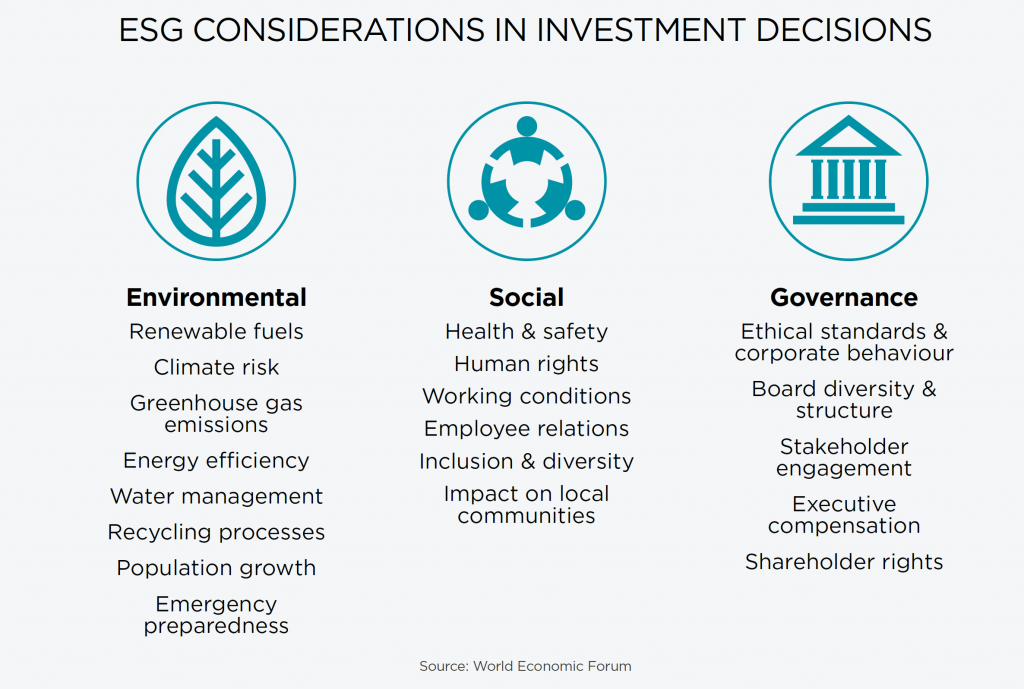
Understanding ESG begins with a granular look at its three core pillars, each representing a critical area of non-financial performance that increasingly bears financial significance.

Environmental (E)
The “E” in ESG addresses an organization’s impact on the natural environment and its stewardship of natural resources. This pillar encompasses a wide array of factors that can have direct financial implications, from operational costs to regulatory risks. Key considerations include:
- Climate Change and Carbon Emissions: A company’s carbon footprint, its strategies for reducing greenhouse gas emissions, and its vulnerability to climate-related risks (e.g., extreme weather, resource scarcity) are paramount. This extends to energy efficiency, renewable energy adoption, and the transition to a low-carbon economy. For businesses, this can translate into carbon taxes, cap-and-trade costs, or conversely, savings from energy efficiency and investments in green technologies.
- Pollution and Waste Management: This involves policies and practices related to air and water pollution, toxic waste, hazardous materials, and general waste disposal. Effective waste management can reduce operational costs and avoid hefty fines and litigation.
- Resource Depletion: How a company manages its consumption of scarce resources like water, minerals, and land. Sustainable sourcing and responsible resource management can mitigate supply chain risks and ensure long-term operational stability.
- Biodiversity and Land Use: The impact of operations on ecosystems, habitats, and biodiversity. Companies facing scrutiny over deforestation or habitat destruction can incur significant reputational and financial costs.
A strong environmental performance can lead to cost savings through efficiency, reduced regulatory penalties, enhanced brand value, and access to “green” capital markets. Conversely, poor environmental practices can result in regulatory fines, lawsuits, reputational damage, and increased operational costs.
Social (S)
The “S” in ESG focuses on a company’s relationships with its employees, suppliers, customers, and the communities in which it operates. This pillar recognizes that human capital and societal well-being are integral to business success and can significantly impact a company’s financial performance through loyalty, productivity, and market acceptance. Factors under the social umbrella include:
- Labor Standards and Employee Relations: This covers fair wages, safe working conditions, diversity and inclusion, employee health and safety, labor union relations, and talent retention. High employee morale and low turnover can significantly reduce recruitment and training costs and boost productivity.
- Human Rights: Adherence to international human rights standards throughout the supply chain, including avoiding child labor, forced labor, and unfair labor practices. Supply chain disruptions and reputational damage from human rights violations can be financially devastating.
- Product Safety and Quality: The responsibility of companies to ensure their products and services are safe, of high quality, and ethically marketed. Product recalls, liability lawsuits, and loss of customer trust can lead to massive financial losses.
- Community Engagement and Philanthropy: A company’s impact on local communities, including job creation, community investment, and charitable contributions. Positive community relations can foster a stable operating environment and enhance brand loyalty.
- Data Privacy and Security: Protecting customer data and ensuring privacy, which is increasingly critical in the digital age. Data breaches can result in regulatory fines, legal costs, and severe reputational damage.
Companies with strong social performance often benefit from higher employee engagement, lower turnover, increased customer loyalty, and a reduced risk of boycotts or regulatory action, all of which contribute to stronger financial outcomes.
Governance (G)
The “G” in ESG refers to the internal system of practices, controls, and procedures that a company uses to govern itself, make effective decisions, comply with the law, and meet the needs of external stakeholders. Good governance provides the foundation for effective management of environmental and social issues and is crucial for ensuring transparency and accountability, directly influencing investor confidence and financial stability. Key aspects include:
- Board Diversity and Structure: The composition, independence, and effectiveness of the board of directors. Diverse boards, in terms of skills, experience, and demographics, often lead to better decision-making and risk oversight.
- Executive Compensation: The fairness and transparency of executive pay structures, ensuring they are aligned with company performance and long-term shareholder interests. Excessive or opaque compensation can signal misalignment and lead to investor dissent.
- Shareholder Rights: Policies that protect the rights of shareholders, including proxy access, voting rights, and transparency in corporate actions. Strong shareholder rights foster investor confidence and promote long-term investment.
- Ethics and Anti-Corruption: The presence of robust ethical codes, whistleblower protections, and anti-bribery and corruption policies. Instances of fraud or corruption can lead to massive fines, legal battles, and total loss of investor trust.
- Audit and Risk Management: The integrity of financial reporting, the independence of auditors, and the effectiveness of internal controls and risk management frameworks. Weak oversight can expose companies to significant financial and operational risks.
Robust governance frameworks are foundational to a company’s ability to navigate risks, capitalize on opportunities, and build enduring financial value. Poor governance can erode investor trust, attract regulatory scrutiny, and lead to financial mismanagement and scandals.
The Financial Imperative: Why ESG Matters to Your Money
The integration of ESG factors into financial analysis and business strategy is no longer merely an ethical consideration; it is a fundamental shift that acknowledges the material impact of non-financial risks and opportunities on a company’s financial performance and valuation. For investors, businesses, and individuals, understanding ESG is crucial for informed financial decision-making.
Mitigating Financial Risk
ESG factors are increasingly recognized as critical indicators of potential financial risk. Companies with poor ESG performance often face higher risks related to:
- Regulatory Fines and Legal Liabilities: Violations of environmental regulations, labor laws, or ethical standards can lead to substantial fines, litigation costs, and costly mandatory remediation.
- Operational Disruptions: Climate change impacts, resource scarcity, and supply chain controversies can disrupt operations, increase costs, and jeopardize revenue streams.
- Reputational Damage: Negative publicity stemming from environmental disasters, human rights abuses, or corporate scandals can erode customer loyalty, reduce sales, and damage brand value, impacting market share and investor confidence.
- Increased Cost of Capital: Lenders and investors are increasingly incorporating ESG risk assessments into their financing decisions. Companies with lower ESG ratings may face higher interest rates or difficulty securing funding as they are perceived as riskier.
By proactively managing ESG risks, companies can fortify their financial resilience, avoid costly pitfalls, and ensure more predictable long-term financial performance.
Driving Long-Term Value
Beyond risk mitigation, strong ESG performance is increasingly linked to the creation of long-term financial value. This connection manifests in several ways:
- Operational Efficiency: Investments in energy efficiency, waste reduction, and sustainable supply chains often lead to lower operational costs, boosting profitability.
- Innovation and Market Opportunities: Companies focused on ESG often innovate new products, services, and business models that address sustainability challenges, opening up new markets and revenue streams (e.g., renewable energy solutions, sustainable packaging).
- Enhanced Brand Value and Customer Loyalty: Consumers are increasingly choosing brands aligned with their values. Companies demonstrating strong ESG commitments can build stronger brand loyalty, command premium pricing, and gain a competitive edge.
- Improved Employee Productivity and Retention: A positive work environment, fair labor practices, and a strong corporate culture fostered by good social and governance practices can attract and retain top talent, reducing recruitment costs and boosting productivity.
These factors contribute to a more robust business model, potentially leading to higher valuations and sustainable shareholder returns over time.
Attracting Capital and Talent
The financial markets are undergoing a significant transformation, with a growing emphasis on sustainable and responsible investing.
- Investor Demand: Institutional investors, pension funds, and even individual investors are increasingly allocating capital to ESG-integrated funds and companies. This demand creates a “capital tailwind” for companies with strong ESG credentials, making it easier and often cheaper to access capital. Sustainable investing assets reached over $35 trillion globally in 2020, signaling a clear shift in investor preference.
- Talent Attraction: Top talent, particularly among younger generations, is increasingly seeking employment with companies that demonstrate strong ethical values and a commitment to sustainability. Strong ESG performance acts as a powerful magnet for skilled professionals, which is crucial for innovation and growth.
Companies that ignore ESG risk being overlooked by a significant and growing portion of the investment community and struggling to attract the human capital essential for future success.
ESG in Practice: Investing and Business Finance
The theoretical underpinnings of ESG translate into tangible actions and strategies within the financial world, impacting both how individuals invest and how corporations manage their finances and operations.
ESG Investing: A Growing Trend
For individual and institutional investors, ESG investing has become a prominent strategy. This involves integrating ESG factors into investment analysis and decision-making processes. Investors are not just looking for financially sound companies, but also those that demonstrate responsible environmental, social, and governance practices.
- Screening: Investors might use “negative screening” to exclude companies involved in certain industries (e.g., fossil fuels, tobacco, controversial weapons) or those with poor ESG track records. Conversely, “positive screening” involves seeking out companies that are leaders in ESG performance.
- Integration: Many investors integrate ESG analysis directly into their fundamental financial analysis, recognizing that ESG factors are material to a company’s financial performance and risk profile.
- Impact Investing: This goes beyond screening or integration, specifically targeting investments that aim to generate a measurable, beneficial social or environmental impact alongside a financial return.
- Engagement: Active investors may engage directly with companies to advocate for improvements in ESG practices, believing this will enhance long-term shareholder value.
The rise of ESG funds, green bonds, and sustainability-linked loans underscores the financial sector’s commitment to channeling capital towards more responsible and sustainable enterprises.
Corporate Responsibility and Financial Performance
For businesses, integrating ESG is about embedding these principles into core strategy, operations, and financial reporting. It’s no longer just a “CSR (Corporate Social Responsibility) department” function but a C-suite priority.
- Strategic Planning: ESG considerations are now part of strategic planning, influencing product development, market entry, supply chain design, and risk management frameworks.
- Financial Reporting and Disclosure: Companies are facing increased pressure and, in some jurisdictions, legal requirements, to disclose their ESG performance alongside financial results. Transparent reporting allows investors and stakeholders to make more informed decisions.
- Capital Allocation: Investment decisions within a company, such as funding new projects or technologies, are increasingly evaluated through an ESG lens to ensure alignment with sustainability goals and long-term value creation.
- Performance Metrics: Companies are developing key performance indicators (KPIs) for ESG factors, tracking progress, and often linking executive compensation to these non-financial metrics to drive accountability.
The financial implications are clear: effective ESG management can reduce cost of capital, enhance operational efficiency, mitigate risks, and open new revenue streams, all contributing to a stronger bottom line and more sustainable financial growth.

Navigating the ESG Landscape: Challenges and Opportunities
While the importance of ESG is undeniable, the landscape is not without its complexities. Challenges include data availability and comparability across industries and regions, the risk of “greenwashing” (companies overstating their ESG efforts), and the need for standardized reporting frameworks.
However, these challenges also present significant opportunities. For financial professionals, ESG expertise is becoming a highly valued skill. For businesses, genuine commitment to ESG can unlock competitive advantages, foster innovation, and build enduring trust with customers, employees, and investors. As the global economy grapples with climate change, social inequality, and the demand for ethical governance, ESG offers a powerful framework for aligning financial success with a more sustainable and equitable future. Embracing ESG is not just about doing good; it’s about smart, long-term financial strategy.
aViewFromTheCave is a participant in the Amazon Services LLC Associates Program, an affiliate advertising program designed to provide a means for sites to earn advertising fees by advertising and linking to Amazon.com. Amazon, the Amazon logo, AmazonSupply, and the AmazonSupply logo are trademarks of Amazon.com, Inc. or its affiliates. As an Amazon Associate we earn affiliate commissions from qualifying purchases.