
The landscape of early childhood parenting has been fundamentally transformed by the rapid integration of the Internet of Things (IoT), artificial intelligence, and sophisticated biometric sensors. When considering what to get an infant for Christmas in the current era, the focus has shifted from simple plush toys and wooden blocks to high-utility “smart” nursery components. These gifts do more than entertain; they offer parents data-driven insights into a child’s development, sleep patterns, and safety, while providing infants with a more responsive and optimized environment for growth.
For the tech-conscious family, the holiday season is an opportunity to future-proof the nursery. From AI-powered sleep assistants to screen-free audio ecosystems designed to foster language development, the selection of tech-forward gifts for infants is more diverse and effective than ever before.

Intelligent Sleep Ecosystems: Beyond the Standard Baby Monitor
The centerpiece of any modern nursery is the monitoring system. However, the technology has evolved far beyond the grainy video feeds of a decade ago. Today’s infant monitors are sophisticated edge-computing devices capable of real-time analysis.
AI-Powered Movement and Breathing Analysis
Modern infant monitors now utilize computer vision and deep learning algorithms to track a baby’s wellness without the need for physical contact. Top-tier systems use HD cameras paired with proprietary software to detect micro-movements, such as the rise and fall of the chest during breathing. These systems can distinguish between a sleeping infant and an empty crib, providing parents with a “breathing wear” overlay on their smartphones. This is a significant leap in tech, moving from passive observation to active safety monitoring. Gifting such a system provides peace of mind through technology that alerts parents if movement is not detected or if the infant’s face is covered.
Adaptive Sound Environments and White Noise 2.0
Sound machines have undergone a digital revolution. The new generation of “smart soothers” integrates with home Wi-Fi networks and can be controlled via mobile apps or voice assistants. These devices offer more than just white noise; they feature scientifically calibrated sound profiles designed to mask disruptive household frequencies. Many now include “Time-to-Rise” indicators, using programmable LED light spectrums to help infants eventually learn sleep-wake cycles. For an infant gift, look for devices that offer over-the-air (OTA) firmware updates, ensuring the device gains new features as the child grows.
Smart Bassinets and the Automation of Soothing
Perhaps the most significant investment in infant tech is the smart bassinet. These devices are essentially robotic cradles that use responsive sensors to detect an infant’s cries or restlessness. When the system detects agitation, it automatically initiates a specific frequency of rocking and plays white noise tailored to the infant’s current state. This closed-loop system mimics the rhythmic environment of the womb. While high-cost, these units are pinnacle examples of how automation can assist in the early months of parenthood, making them a premier high-tech Christmas gift.
EdTech for the Cradle: Developmental and Sensory Gadgets
Early childhood development is another area where technology is making significant strides. The goal of many modern infant “toys” is to provide sensory stimulation that is both engaging and pedagogically sound, often utilizing tech to remain screen-free.
Screen-Free Audio Ecosystems
As digital wellness becomes a priority for parents, screen-free audio players have emerged as a dominant trend. These devices use physical triggers—such as plastic figurines or smart cards containing NFC (Near Field Communication) tags—to play stories, music, and educational content. For an infant, these devices can be used to play curated lullabies or white noise, but their value lies in their longevity. As the infant transitions into toddlerhood, the technology allows them to take control of their own media without the negative impacts of blue light or addictive screen interfaces. It is a gift of hardware that grows in value as the software library expands.
Interactive Sensory Lighting and Smart Play Mats
Infant play is increasingly being augmented by smart lighting. Programmable LED systems that respond to touch or movement can help infants develop visual tracking and cause-and-effect understanding. Some high-end play mats now incorporate flexible pressure sensors and fiber-optic lighting. When the infant kicks or reaches, the mat responds with specific light patterns or soft acoustic feedback. This bio-feedback loop encourages motor skill development through subtle, tech-enhanced reinforcement.
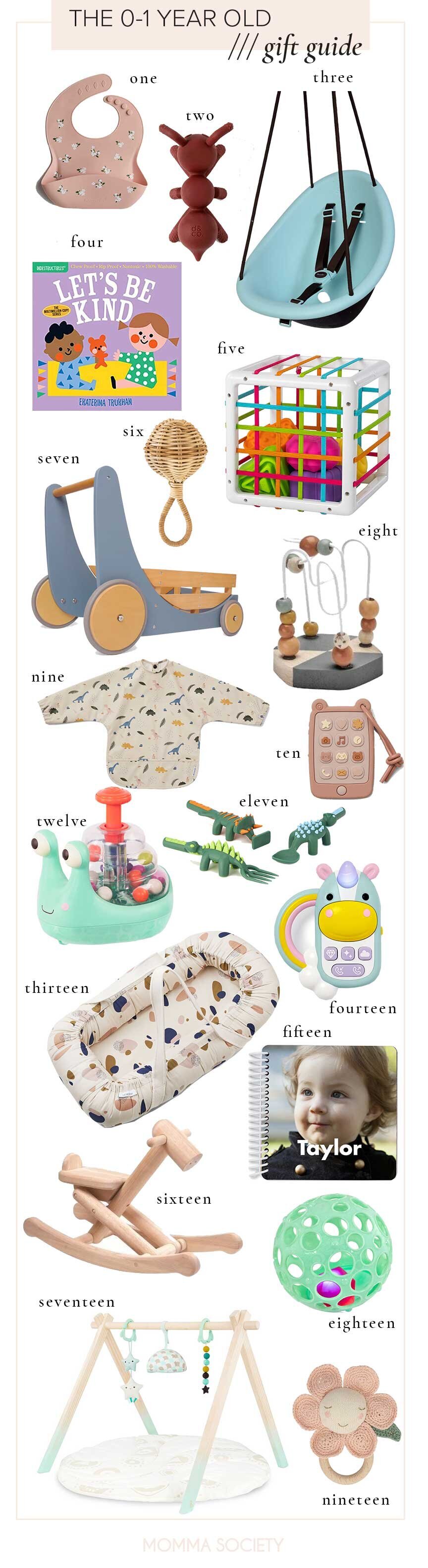
High-Tech Language Acquisition Tools
While infants are not yet speaking, the foundation for language is laid in the first months of life. New gadgets designed for “word counting” or auditory enrichment are becoming popular. These wearable or nursery-based devices use microphones and voice recognition software to track the number of words an infant hears throughout the day. While they do not record private conversations, they provide a “digital dashboard” of the infant’s linguistic environment, encouraging parents to engage in more verbal interaction—a crucial metric for cognitive development.
Digital Health and Biometric Safety Monitoring
The intersection of health-tech and infant care has produced a new category of “wellness wearables” and diagnostic tools that were previously reserved for clinical settings.
Wearable Health Trackers for Real-Time Vitals
Small, non-intrusive wearables that attach to an infant’s foot or diaper can now monitor heart rate, blood oxygen levels, and sleep quality. These devices sync via Bluetooth Low Energy (BLE) to a base station or smartphone. For parents who value data, this is the ultimate Christmas gift. The software accompanying these wearables often includes trend analysis, showing how an infant’s sleep cycles are maturing over weeks and months. This data can be invaluable during pediatric checkups, providing a digital history of the child’s physiological patterns.
Smart Thermometers and Health Data Integration
The traditional thermometer has been replaced by infrared, non-contact devices that sync with health apps. These smart thermometers can maintain a digital log of a child’s temperature, which can be shared directly with healthcare providers. Some systems even integrate with medication tracking software, providing push notifications to parents when it is time for the next dose of a fever reducer. This ecosystem of connected health tools reduces the cognitive load on parents during stressful times, leveraging tech for logistical efficiency.
Environmental Optimization and Air Quality Analytics
An infant’s environment is as important as their direct care. Smart air purifiers and humidifiers equipped with PM2.5 sensors and VOC (Volatile Organic Compound) detectors are now standard in tech-forward nurseries. These devices can be programmed to maintain a specific humidity level to prevent dry skin or respiratory issues, automatically adjusting their output based on real-time environmental data. Integrating these into a smart home hub allows for automated “scenes”—for example, the humidifier turns on and the air purifier enters “silent mode” as soon as the smart baby monitor detects the infant has fallen asleep.
Security, Privacy, and the Ethics of the Connected Nursery
As we introduce more technology into the nursery, the conversation must include digital security. Gifting tech for an infant requires a focus on how that child’s data is being protected.
Evaluating Local vs. Cloud Storage for Baby Data
When choosing a smart camera or monitor, a critical technical distinction is where the video processing occurs. Some devices process AI locally (on the device itself) and store footage on an encrypted SD card. Others upload data to the cloud. For the security-conscious, local processing is often preferred as it minimizes the risk of unauthorized access to a live feed. High-quality infant tech should offer 256-bit AES encryption and two-factor authentication (2FA) as a baseline security standard.
Encryption Standards for Smart Home Integration
As the nursery becomes part of the wider “Smart Home,” compatibility with protocols like Matter or Thread is becoming more important. These protocols ensure that different devices from different manufacturers can communicate securely and reliably. When selecting a gift, looking for “Matter-certified” products ensures that the device will remain functional and secure within the evolving tech ecosystem of the home.

Sustainable Tech: Choosing Upgradable Hardware over Disposable Gadgets
The most impactful tech gifts for infants are those that avoid the “e-waste” trap. Sustainable tech focuses on hardware that can be repurposed. For example, a smart camera that can later be used as a general home security camera, or a sound machine that functions as a high-quality Bluetooth speaker for an older child. Christmas gifts should be evaluated not just for their immediate utility during the infant phase, but for their software support lifecycle and hardware durability.
In conclusion, selecting a gift for an infant today is an exercise in choosing the right tools to support a healthy, data-informed, and secure upbringing. By focusing on smart sleep systems, screen-free developmental tools, and robust biometric monitors, gift-givers can provide lasting value that benefits both the infant and the parents long after the holiday season has passed. Technology, when applied thoughtfully to the nursery, represents the ultimate investment in the next generation’s well-being and safety.
aViewFromTheCave is a participant in the Amazon Services LLC Associates Program, an affiliate advertising program designed to provide a means for sites to earn advertising fees by advertising and linking to Amazon.com. Amazon, the Amazon logo, AmazonSupply, and the AmazonSupply logo are trademarks of Amazon.com, Inc. or its affiliates. As an Amazon Associate we earn affiliate commissions from qualifying purchases.