
Understanding your annual income is more than just a number on your pay stub; it’s the bedrock of sound financial planning, budgeting, and wealth creation. Whether you’re an employee, a freelancer, a small business owner, or juggling multiple income streams, accurately calculating and comprehending your total yearly earnings is crucial for making informed decisions about your spending, savings, investments, and tax obligations. This guide will walk you through the process of demystifying your annual income, highlighting its importance, and providing practical tools and strategies to ensure you have a clear, precise picture of your financial standing.

The Fundamentals of Annual Income Calculation
Before diving into the specifics of different income types, it’s essential to grasp the foundational concepts that underpin annual income calculation. This initial understanding sets the stage for accurate tracking and analysis.
Defining Gross vs. Net Income
One of the most common points of confusion revolves around gross versus net income. Distinguishing between the two is paramount for financial accuracy.
- Gross Income: This is the total amount of money you earn before any deductions are taken out. For employees, this is your salary or hourly wage multiplied by the hours worked, plus any bonuses, commissions, or overtime. For freelancers and business owners, it’s the total revenue generated from your services or sales before any business expenses are subtracted. Gross income represents the full value of your labor or business activity.
- Net Income: Often referred to as “take-home pay,” net income is what you actually receive after all mandatory and voluntary deductions have been applied. For employees, these deductions typically include federal, state, and local income taxes, Social Security and Medicare contributions (FICA), health insurance premiums, retirement plan contributions (like 401(k)s), and any other pre-tax or post-tax withholdings. For self-employed individuals, net income is what remains after business expenses, self-employment taxes, and personal income taxes have been paid. Understanding your net income is vital for day-to-day budgeting and cash flow management.
Identifying All Income Streams
Most people’s financial lives are rarely a single, straightforward stream of income. To calculate your annual earnings accurately, you must meticulously identify every source of money flowing into your accounts throughout the year. This requires a thorough review of all financial activities. Overlooking even small, irregular income sources can lead to an incomplete picture, skewing your financial planning and potentially leading to unexpected tax liabilities. This detailed identification process forms the backbone of a comprehensive financial assessment, ensuring no earnings are left unaccounted for.
The Importance of Consistent Tracking
Calculating your annual income is not a one-time event; it’s an ongoing process that benefits immensely from consistent tracking. Financial situations are dynamic, with income sources, deductions, and expenses often fluctuating throughout the year. Regular monitoring allows you to:
- Catch Discrepancies Early: Promptly identify any errors in pay, unexpected deductions, or overlooked income.
- Adapt to Changes: Adjust your budget and financial plans in response to increases or decreases in earnings.
- Facilitate Tax Preparation: Simplify the daunting task of gathering financial documents come tax season by having well-organized records.
- Gauge Financial Health: Develop a continuous understanding of your financial trajectory, aiding in goal setting and long-term planning.
Establishing a routine for reviewing your income, whether weekly, bi-weekly, or monthly, ensures that your annual income calculation is always based on the most current and accurate data.
Deconstructing Your Income Sources
To accurately determine how much you make in a year, it’s crucial to categorize and account for every penny earned from all possible avenues. Income can originate from a variety of sources, each with its own characteristics and implications for your annual total.
Salaried and Wage-Based Earnings
For many, the primary source of income comes from traditional employment. This includes:
- Salary: A fixed amount paid to an employee for a specific period (e.g., $60,000 per year), regardless of hours worked beyond a standard threshold. Salaried income is often the most predictable and straightforward to calculate annually.
- Hourly Wages: Payment based on the number of hours worked, often with varying rates for overtime. Calculating annual hourly wages requires tracking hours meticulously.
- Commissions: Earnings based on sales performance, common in roles like sales or real estate. These can fluctuate significantly, requiring careful tracking throughout the year.
- Bonuses: Additional payments made to employees, often performance-based or as a year-end incentive. Bonuses can be unpredictable but are a crucial part of your total annual earnings.
When calculating these, remember to consider pre-tax deductions like 401(k) contributions, health savings accounts (HSAs), and flexible spending accounts (FSAs), as these reduce your taxable income but are still part of your gross earnings.
Freelance, Gig Economy, and Self-Employment Income
The rise of the gig economy means a growing number of individuals earn income outside of traditional employment. This category includes:
- Freelance Contracts: Payments received for services rendered on a project-by-project or hourly basis for various clients.
- Gig Work: Earnings from platforms like ride-sharing, food delivery, or task-based services.
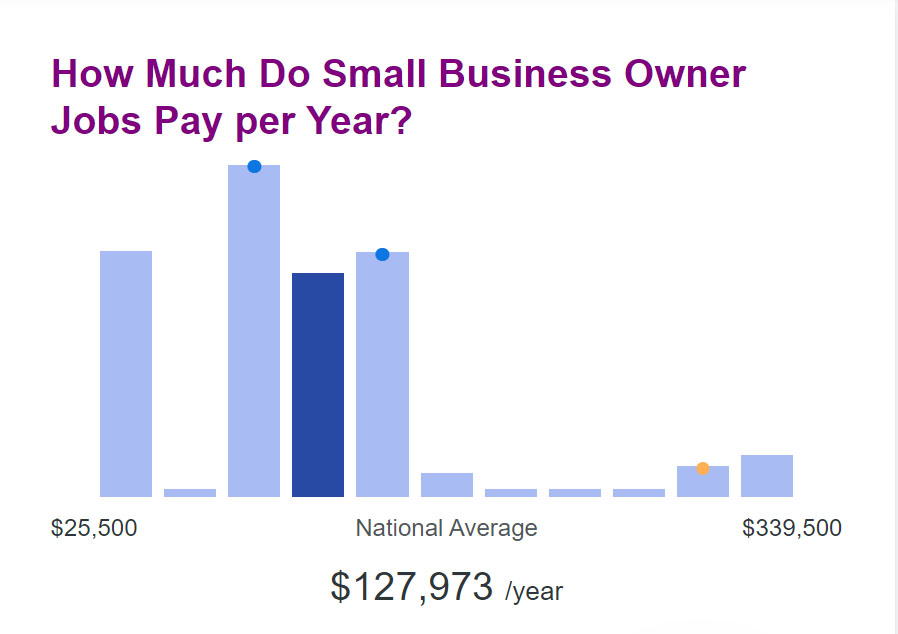
- Small Business Profits: If you own a business, your income is typically the profit after deducting all legitimate business expenses.
For self-employed individuals, tracking gross revenue from all clients and projects is essential. Crucially, these incomes are often subject to self-employment taxes (Social Security and Medicare contributions for the self-employed), which must be factored into your net income calculations and paid quarterly. Proper record-keeping of invoices, receipts, and business expenses is non-negotiable here.
Passive Income Streams (Investments, Royalties, Rental Properties)
Passive income, though often requiring initial effort or capital, can be a significant contributor to your annual earnings without continuous active involvement. Examples include:
- Investment Dividends and Interest: Earnings from stocks, bonds, mutual funds, savings accounts, and certificates of deposit (CDs).
- Rental Income: Money collected from tenants for properties you own, after deducting mortgage interest, property taxes, maintenance, and other landlord expenses.
- Royalties: Payments received for the use of intellectual property, such as books, music, patents, or software.
- Business Ownership: Profits from businesses in which you are an owner but not actively involved in day-to-day operations.
These income streams often have specific tax implications (e.g., capital gains tax for investment sales, or ordinary income for dividends), making detailed record-keeping critical.
Other Irregular or Supplemental Income
Beyond the major categories, many people have various irregular or supplemental income sources that, while individually small, can add up significantly over a year. These might include:
- Alimony or Child Support: Payments received from a former spouse for financial support.
- Pensions or Annuities: Regular payments received after retirement.
- Social Security Benefits: Government payments for retirees, disabled individuals, or survivors.
- Gifts (Taxable Portions): While most gifts aren’t taxable to the recipient, some can be, and it’s important to understand the thresholds.
- Gambling Winnings: Payouts from lotteries, casinos, or sports betting, which are generally taxable.
- Reimbursements: Payments for expenses, though often not counted as income unless they exceed actual costs or are for specific taxable benefits.
The key to accurately calculating your annual income is to create a comprehensive list of every dollar received throughout the year, regardless of its source or perceived significance.
Practical Tools and Methods for Tracking Your Earnings
Once you understand the different types of income, the next step is to implement effective methods for tracking them. The right tools can simplify this process immensely, ensuring accuracy and reducing the burden of financial management.
Utilizing Spreadsheets and Manual Tracking
For those who prefer a hands-on approach or have relatively straightforward income sources, spreadsheets (like Microsoft Excel or Google Sheets) and manual ledgers remain powerful tools.
- Spreadsheets: Create dedicated tabs or columns for each income source. Record the date, source, gross amount, deductions, and net amount for every payment received. Formulas can automate calculations, sum up totals, and even project future earnings. The flexibility of spreadsheets allows for high customization to fit individual needs.
- Manual Ledgers: A physical notebook or ledger can be effective for daily or weekly tracking of cash transactions or small, frequent payments. While less automated, it offers a tangible record that can be invaluable for cross-referencing digital data.
The benefit of manual tracking lies in its simplicity and direct engagement with your finances, forcing a regular review of inflows.
Leveraging Personal Finance Software and Apps
For a more automated and integrated approach, personal finance software and mobile applications offer robust solutions. These tools can link directly to your bank accounts, credit cards, and investment accounts, automatically categorizing transactions and providing real-time insights into your income and spending.

- Popular Software/Apps: Options like Mint, YNAB (You Need A Budget), Personal Capital, or Quicken can track income, categorize expenses, create budgets, and even monitor investment performance. Many offer visual dashboards and reporting features that make it easy to see where your money comes from and goes.
- Benefits: Automation reduces manual entry errors, provides a holistic view of your financial landscape, and can alert you to unusual activity. They often generate reports that are useful for tax preparation and financial planning.
When choosing a tool, consider its security features, integration capabilities, and whether its features align with your specific tracking needs (e.g., robust features for self-employed income vs. simple employee income).
Understanding Pay Stubs and Tax Documents (W-2, 1099)
Your official financial documents are primary sources for verifying your annual income. Learning to read and interpret them correctly is a critical skill.
- Pay Stubs: For employees, your pay stub details your gross pay, deductions (taxes, insurance, retirement contributions), and net pay for that specific pay period. It also typically includes year-to-date (YTD) totals for both gross pay and deductions, which are invaluable for tracking your annual income progressively.
- W-2 Form (Wage and Tax Statement): Issued by employers, this form summarizes your total gross wages, taxable wages, and taxes withheld for the calendar year. It’s the definitive document for reporting your earned income to the IRS.
- 1099 Forms (Various Types): These are crucial for non-employee income.
- 1099-NEC (Nonemployee Compensation): Used for reporting payments of $600 or more for services performed by non-employees (e.g., freelancers, independent contractors).
- 1099-MISC (Miscellaneous Income): Reports other types of income such as rental income, royalties, or prize winnings.
- 1099-INT/DIV/B: Report interest, dividend, and stock sale income from financial institutions.
Gathering and reviewing these documents annually is not just for tax season; they provide the definitive record of your official earnings for the year.
The Role of Bank Statements and Transaction History
While pay stubs and tax forms provide official summaries, your bank statements and transaction history offer the granular detail of every financial inflow.
- Bank Statements: Periodically review your bank statements to cross-reference deposits with your tracking system. This helps catch any missing payments, incorrect amounts, or unexplained transfers.
- Credit Card Statements: While primarily showing expenditures, sometimes refunds or rewards are credited, which indirectly affect your net financial position.
- Payment Processor Records: For freelancers or small businesses using platforms like PayPal, Stripe, or Square, their transaction histories are essential for tracking gross receipts and processing fees.
Regularly reconciling your personal tracking with your bank statements ensures that your records are comprehensive and accurate, forming a solid basis for your annual income calculation.
Why Knowing Your Annual Income Matters
Knowing your annual income isn’t merely a matter of curiosity; it’s a foundational element of sound financial health. This crucial figure impacts nearly every aspect of your financial life, from daily spending to long-term wealth building.
Budgeting and Financial Planning
Your annual income is the cornerstone of any effective budget. Without a clear understanding of your total earnings, it’s impossible to create a realistic spending plan, allocate funds effectively, or track your progress toward financial goals.
- Realistic Spending Limits: Knowing your income helps you set appropriate limits on discretionary spending, ensuring you don’t overspend and accumulate debt.
- Savings Goals: It enables you to determine how much you can realistically save each month or year for emergencies, down payments, or retirement.
- Cash Flow Management: A clear picture of your income helps you understand your cash flow, ensuring you have enough liquidity to cover your expenses and commitments.
Tax Planning and Compliance
Taxes are an unavoidable part of earning income, and accurately knowing your annual income is absolutely critical for proper tax planning and compliance.
- Accurate Tax Filings: Your annual income dictates your tax bracket, the amount of tax you owe, and eligibility for various credits and deductions.
- Avoiding Underpayment Penalties: For self-employed individuals, knowing projected annual income allows for accurate quarterly estimated tax payments, preventing penalties.
- Identifying Deductions and Credits: A comprehensive view of your income and associated expenses helps you identify all eligible tax deductions and credits, potentially reducing your overall tax burden.
- Future Tax Planning: Understanding your income trajectory enables you to plan for future tax liabilities, especially if your earnings are expected to change significantly.
Debt Management and Loan Applications
Your annual income plays a pivotal role in your ability to manage existing debt and secure new financing.
- Debt-to-Income Ratio (DTI): Lenders heavily rely on your DTI to assess your ability to take on new debt (like mortgages or car loans). A clear understanding of your income is necessary to calculate this ratio accurately.
- Loan Approvals: A stable, verifiable annual income is a primary factor in loan approvals, influencing both the amount you can borrow and the interest rates you qualify for.
- Repayment Strategies: Knowing your net annual income helps you determine how much disposable income you have to dedicate to debt repayment, informing strategies like the debt snowball or avalanche methods.
Goal Setting and Wealth Building
Financial goals, from buying a home to retiring comfortably, are directly tied to your income.
- Realistic Goal Setting: Your annual income helps you set achievable timelines for major purchases, investment milestones, and retirement savings.
- Investment Capacity: It determines how much capital you can allocate to investments, directly impacting your potential for wealth accumulation.
- Progress Monitoring: Regularly comparing your actual annual income against your projections allows you to monitor progress toward your financial aspirations and make necessary adjustments.
Negotiating Salaries and Career Advancement
Beyond personal finance, knowing your annual income—and what others in your field make—empowers you in your career.
- Salary Negotiations: Armed with your current earnings and market data, you can negotiate for fair compensation, promotions, or raises with confidence.
- Career Decisions: Understanding your earning power helps you evaluate new job opportunities, consider career changes, or assess the financial viability of entrepreneurial ventures.
In essence, annual income is not just a number; it’s a powerful tool that enables financial freedom, informed decision-making, and strategic planning for a secure and prosperous future.
Maximizing and Projecting Your Future Income
Once you have a firm grasp on your current annual income, the next logical step is to consider how you can potentially increase it and project its future trajectory. This forward-looking perspective is crucial for long-term financial growth and stability.
Strategies for Increasing Income
There are numerous avenues to explore when aiming to boost your annual earnings. These strategies often require a combination of effort, planning, and continuous learning.
- Career Advancement: This includes seeking promotions, acquiring new skills or certifications, pursuing further education, or negotiating for higher salaries in your current role or a new one. Researching industry salary benchmarks and developing in-demand expertise can significantly impact your earning potential.
- Developing Side Hustles: Leveraging existing skills or learning new ones to earn extra income outside of your primary job can add substantial amounts to your annual total. This could involve freelancing, consulting, tutoring, or engaging in the gig economy.
- Investing Wisely: Diversifying your investments into assets that generate passive income, such as dividend stocks, rental properties, or high-yield savings accounts, can steadily increase your annual income over time. Reinvesting earnings can accelerate this growth through compound interest.
- Starting a Business: For those with an entrepreneurial spirit, launching a small business, even on a part-time basis, can lead to significant income growth if successful. This path, however, often comes with higher risk and demands considerable time and effort.
- Optimizing Existing Income: For self-employed individuals, this might mean refining pricing strategies, expanding client bases, or improving operational efficiency to increase profit margins.
Forecasting Future Earnings
Projecting your future annual income is an educated estimation based on current trends, career plans, and economic outlooks. While never an exact science, it’s a vital exercise for long-term financial planning.
- Baseline Projections: Start with your current annual income and consider expected annual raises, bonuses, or consistent freelance income growth.
- Scenario Planning: Create different scenarios (e.g., conservative, realistic, optimistic) based on potential career changes, market conditions, or the success of side ventures.
- Inflation Adjustment: When projecting for the long term, remember to account for inflation, as the purchasing power of money decreases over time. What seems like a significant income today might be less so in real terms a decade from now.
- Life Events: Factor in major life events such as marriage, starting a family, or educational pursuits, which can impact both your income potential and financial needs.
Regular Review and Adjustment
Financial planning is an iterative process. Your annual income projections and strategies for increasing it should not be set in stone.
- Annual Review: At least once a year, ideally when you’re preparing for taxes or reviewing your annual budget, take time to reassess your income sources, compare actual earnings against projections, and analyze any significant deviations.
- Adjusting Strategies: Based on your review, be prepared to adjust your income-generating strategies. Perhaps a side hustle isn’t as profitable as anticipated, or a new career opportunity has emerged. Flexibility is key.
- Adapting to Economic Changes: Stay informed about economic trends, industry shifts, and legislative changes that could impact your earning potential. Proactive adaptation can safeguard and grow your income.
By actively engaging in strategies to increase your income, diligently forecasting your future earnings, and committing to regular review and adjustment, you transform the question “How much do I make in a year?” from a simple query into a dynamic tool for continuous financial growth and success. This proactive approach ensures that your financial journey is guided by insight, intentionality, and a clear vision for your future prosperity.
aViewFromTheCave is a participant in the Amazon Services LLC Associates Program, an affiliate advertising program designed to provide a means for sites to earn advertising fees by advertising and linking to Amazon.com. Amazon, the Amazon logo, AmazonSupply, and the AmazonSupply logo are trademarks of Amazon.com, Inc. or its affiliates. As an Amazon Associate we earn affiliate commissions from qualifying purchases.