
The Art of Personal Presentation: Attire as a Brand Statement
Attending a Muslim wedding offers a unique opportunity to engage with rich cultural traditions and celebrate a joyous union. For guests, the choice of attire extends far beyond mere fashion; it becomes a deliberate act of personal branding, a non-verbal communication that conveys respect, understanding, and thoughtfulness. Just as a corporate identity shapes perception, an individual’s presentation at such an event crafts their personal narrative and influences how they are received within the social fabric.
First Impressions and Respectful Engagement
Your entrance into a wedding venue is an immediate brand statement. In many Muslim cultures, modesty, elegance, and respect for tradition are highly valued attributes. The clothing you select should mirror these values, signaling an appreciation for the sanctity of the occasion and the cultural identity of the hosts. An outfit that is too revealing, overly casual, or jarringly out of sync with the expected aesthetic can inadvertently project a brand image of insensitivity or disregard. Conversely, an ensemble thoughtfully chosen to reflect local customs and general principles of modesty communicates a profound respect for the family’s heritage and the significance of their celebration, effectively enhancing your personal brand as a considerate and culturally aware individual.
Authenticity and Cultural Sensitivity in Wardrobe Choices
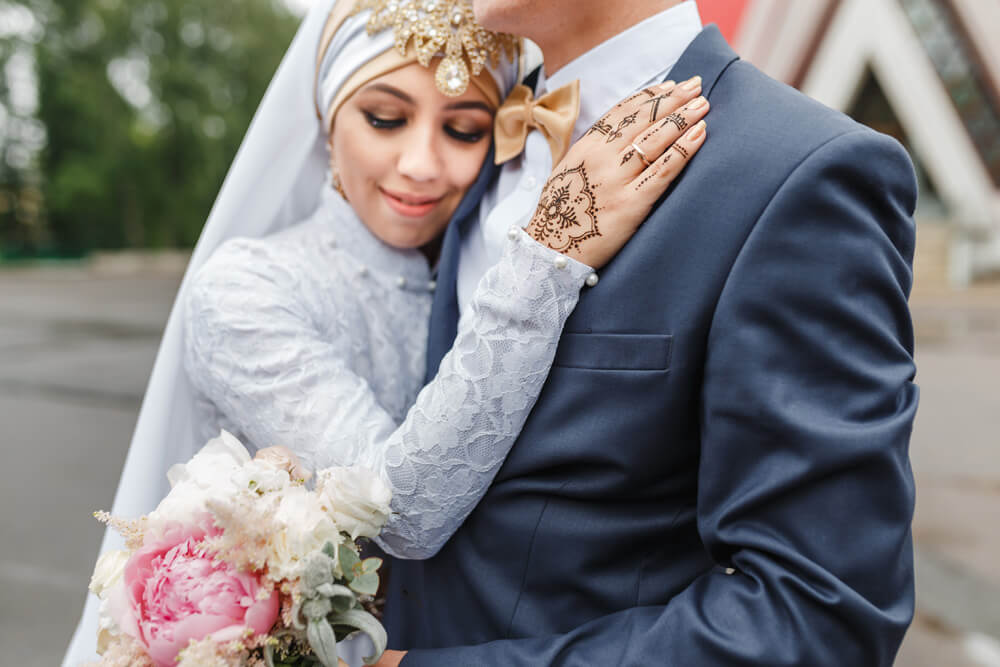
True personal branding is authentic, and in a cross-cultural context, authenticity requires sensitivity. When selecting what to wear for a Muslim wedding, the goal isn’t to perfectly replicate traditional attire unless specifically invited to do so. Rather, it’s about drawing inspiration and adapting modern styles to align with the core values of modesty and elegance commonly associated with these events. For instance, women might opt for longer dresses, skirts, or pants, paired with tops that cover the shoulders and décolletage. Sleeves, even if three-quarter length, are often preferred. Head coverings (hijabs) are typically worn by Muslim women as a religious observance, but non-Muslim guests are generally not expected to wear one unless visiting a mosque or if specifically requested by the hosts for a very traditional ceremony. The key is to convey understanding without appropriating, ensuring your personal brand remains one of genuine respect rather than mimicry. Men typically wear suits, traditional wear (like a thobe or kurta depending on the region), or smart formal attire, aligning with a brand image of dignified presence.
Curating Your Visual Narrative
Every garment, every accessory, contributes to your visual narrative – your personal brand story. For a Muslim wedding, this narrative should ideally be one of celebratory elegance and cultural appreciation. Consider the story your outfit tells: Is it understated chic, vibrant traditional, or refined contemporary? Each choice contributes to this narrative. The fabric, cut, color, and level of embellishment collectively broadcast your taste, your attention to detail, and your awareness of the social environment. By curating your visual narrative with intention, you actively manage your personal brand, ensuring it resonates positively with the atmosphere of celebration and the cultural expectations of the event.
Design Principles in Modest Wedding Attire
The world of fashion design offers a wealth of principles that can be strategically applied to create wedding attire that is both beautiful and culturally appropriate. This isn’t just about covering up; it’s about leveraging design elements to achieve grace, sophistication, and a respectful aesthetic that aligns with the event’s “brand.”
The Strategic Use of Color and Fabric
Color is a powerful branding tool, capable of evoking emotions and signifying cultural meanings. In Muslim weddings, vibrant jewel tones such as emerald green, sapphire blue, ruby red, and royal purple are popular choices, symbolizing richness, joy, and celebration. Metallics like gold and silver add a touch of luxury and festivity, while pastel shades convey serenity and sophistication. The strategic use of these colors in your attire can subtly align your personal brand with the celebratory mood.
Fabric choice is equally crucial for design and comfort. Luxurious fabrics such as silk, chiffon, satin, brocade, and velvet are frequently seen, contributing to an elegant and opulent feel. Chiffon and silk offer fluid drapes that enhance modesty while maintaining a sophisticated silhouette. Brocade and velvet, with their rich textures and intricate patterns, speak to tradition and grandeur. The selection of high-quality fabrics not only enhances the visual appeal but also contributes to the perceived value and refinement of your personal presentation.
Silhouette and Structure: Emphasizing Grace and Modesty
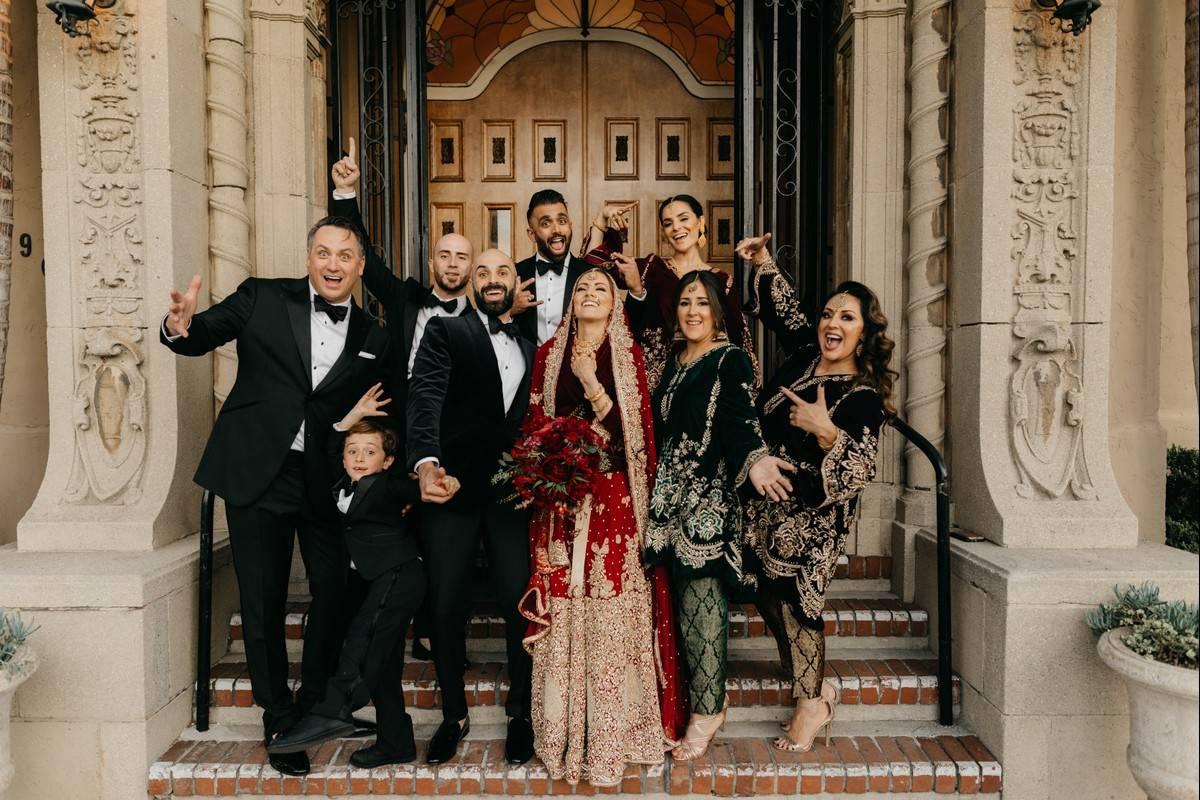
The silhouette of an outfit is fundamental to its design and its messaging. For Muslim weddings, design choices often favor silhouettes that offer elegance while adhering to principles of modesty. A-line dresses, empire waist gowns, and flowing maxi dresses are popular choices for women, creating graceful lines that don’t cling to the body. Layering is another key design strategy, often seen in ensembles featuring long jackets or tunics over skirts or trousers, or an embellished overlay on a simpler base dress. This layering adds depth, dimension, and additional coverage, all while contributing to a polished, respectful aesthetic.
For men, well-tailored suits, often in darker, classic colors, project professionalism and respect. In many regions, traditional attire like a sherwani, kurta pajama, or thobe (often worn with a bisht for very formal occasions) showcases a powerful cultural brand. The structure and tailoring of these garments are paramount, ensuring a crisp, distinguished appearance.
Accessorizing as a Brand Accent
Accessories are vital components in completing an outfit and reinforcing a desired personal brand message. They are the final design touches that can elevate a simple garment into a statement of elegance. For women, jewelry – whether intricate traditional pieces or subtle modern designs – can highlight the face and hands without being ostentatious. Headscarves, for those who choose to wear them, can be styled in various elegant drapes, often with subtle embellishments or in rich fabrics that complement the main outfit. Footwear should be elegant and comfortable, typically closed-toe heels or flats that match the formality. A clutch or small handbag completes the look, providing a refined brand accent. For men, a tasteful watch, cufflinks, and polished dress shoes are the standard accessories that underscore a sharp and professional personal brand. The key is to choose accessories that complement the overall design without overpowering the outfit, maintaining a balance that speaks to sophisticated restraint.
Navigating Cultural Brands and Regional Nuances
The term “Muslim wedding” encompasses a vast spectrum of cultural traditions and regional variations. Understanding these nuances is critical for guests to ensure their attire aligns perfectly with the specific “brand” identity of the celebration they are attending. Ignoring these distinctions can lead to awkward missteps in personal branding.
Understanding Diverse Muslim Wedding Traditions
Just as a global corporation has regional brand adaptations, Muslim wedding traditions vary significantly across different parts of the world. A wedding in Pakistan might feature vibrant, heavily embroidered lehengas and sherwanis, reflecting South Asian cultural brands of elaborate celebration. A wedding in Saudi Arabia might lean towards more understated elegance, with women often wearing ornate abayas over their dresses, and men in pristine thobes and ghutras, aligning with a distinct Arabian cultural brand of dignified formality. In Western countries, Muslim weddings often blend traditional elements with contemporary Western formal wear, creating a unique hybrid cultural brand. Recognizing these differences is the first step in crafting an appropriate personal brand through your attire. Researching the specific cultural background of the couple or subtly inquiring about typical guest attire can provide invaluable insights.
The Spectrum of Formality: From Traditional to Contemporary
The “brand” of a wedding can also range from highly traditional and religiously conservative to more contemporary and secular, even within the same region. Some families might prefer guests to adhere strictly to traditional modesty guidelines, including head coverings for women during religious parts of the ceremony. Others might host a modern reception where Western formal wear, such as cocktail dresses or suits, is perfectly acceptable. This spectrum of formality requires a flexible approach to personal branding. A traditional nikah (marriage contract ceremony) might call for more conservative attire, while a lavish reception might allow for more fashion-forward, yet still modest, choices. Your attire strategy should therefore be adaptable, capable of projecting a brand image that is respectful of the specific event’s tone and brand identity.
Respecting the Host’s “Brand” Identity
Ultimately, the goal of dressing for a Muslim wedding is to honor the couple and their families by respecting their unique cultural and personal brand identity. This means prioritizing their expectations and traditions over purely personal fashion preferences. If unsure, err on the side of modesty and formality. A long, elegant dress or a sophisticated pantsuit for women, and a well-tailored suit for men, are generally safe and universally respectful choices. Discretely asking a close friend of the couple or checking the wedding invitation for any specific dress code instructions can prevent any misinterpretations. By doing so, you demonstrate thoughtfulness and consideration, strengthening your personal brand as a truly considerate guest who values the hosts’ unique celebration brand.
Building a Sustainable Wedding Wardrobe: A Long-Term Brand Investment
For the discerning individual, building a wardrobe for formal occasions like Muslim weddings is more than just selecting an outfit for a single event; it’s a strategic long-term brand investment. This approach focuses on versatility, ethical considerations, and maintenance, ensuring your attire continues to serve your personal brand effectively over time.
Versatility and Reusability in Design Choices
A smart approach to a wedding wardrobe prioritizes versatility and reusability, much like a brand invests in assets with enduring value. Instead of purchasing an outfit that serves only one niche purpose, consider pieces that can be styled in various ways for different formal events. A well-designed abaya or a flowing maxi dress in a neutral or classic jewel tone can be dressed up or down with accessories, making it suitable for multiple weddings or other formal gatherings. Similarly, a classic suit for men offers inherent versatility. Investing in separates, such as a beautifully embroidered top that can be paired with different skirts or trousers, provides greater flexibility. This strategy not only offers economic benefits but also projects a personal brand of resourcefulness and sophisticated practicality.
Ethical Sourcing and Craftsmanship
In today’s conscious consumer landscape, the “brand” of a garment extends beyond its visual appeal to encompass its origin and production ethics. Choosing ethically sourced and sustainably crafted attire aligns your personal brand with values of social responsibility and environmental stewardship. Look for designers or brands that emphasize fair labor practices, use eco-friendly materials, or support traditional artisanal crafts. An heirloom-quality piece, perhaps hand-embroidered or made from sustainably produced silk, carries a powerful narrative of conscious choice and enduring value, significantly elevating your personal brand. This demonstrates a thoughtful approach not just to aesthetics but to the broader impact of your consumption choices.

Maintaining Your Attire’s Brand Integrity
Just as a corporate brand protects its image through consistent quality control, you protect the investment in your formal wear through proper care and maintenance. High-quality fabrics and intricate embellishments require specific care – professional dry cleaning, gentle hand washing, and proper storage. Ensuring your garments are always clean, pressed, and in excellent condition before each wear is crucial for maintaining their aesthetic integrity and, by extension, your personal brand. A well-maintained wardrobe speaks volumes about attention to detail, respect for quality, and a polished personal image. By taking meticulous care of your attire, you safeguard its long-term value and ensure it continues to project the refined, respectful personal brand you cultivate.
aViewFromTheCave is a participant in the Amazon Services LLC Associates Program, an affiliate advertising program designed to provide a means for sites to earn advertising fees by advertising and linking to Amazon.com. Amazon, the Amazon logo, AmazonSupply, and the AmazonSupply logo are trademarks of Amazon.com, Inc. or its affiliates. As an Amazon Associate we earn affiliate commissions from qualifying purchases.