
Retirement isn’t always a definitive end to earning. For many, it represents a new chapter, potentially combining leisure with continued work, whether out of necessity, a desire to stay active, or to supplement their retirement income. Social Security benefits are a cornerstone of most Americans’ retirement plans, but understanding how earning additional income can impact these benefits is crucial for effective financial planning. The question isn’t just can you work, but how much can you earn before your Social Security checks are affected, and what strategies can help you maximize both your earnings and your benefits? This article delves into the intricacies of Social Security’s earnings limits, helping you navigate the rules to make informed financial decisions in your golden years.
Understanding Social Security’s Earnings Limits
The Social Security Administration (SSA) has specific rules about how much you can earn from working while simultaneously receiving benefits. These rules are not universally applied but depend critically on your age relative to your Full Retirement Age (FRA).
The Basics: What Are Earnings Limits?
Earnings limits, often referred to as the “retirement earnings test,” apply only if you claim Social Security benefits before reaching your Full Retirement Age (FRA). Your FRA is the age at which you are entitled to 100% of your primary insurance amount (PIA). This age varies depending on your birth year. For those born between 1943 and 1954, FRA is 66. For those born in 1960 or later, FRA is 67. There’s a gradual increase for birth years in between.
If you are past your FRA, these earnings limits generally no longer apply, and you can earn as much as you wish without your Social Security benefits being reduced. This distinction is vital for planning.
Earnings Limit Tiers and How They Work
The SSA uses two main tiers for earnings limits, depending on whether you are simply before your FRA or in the calendar year you will reach your FRA:
-
Before the Year You Reach FRA:
If you are collecting Social Security benefits and are below your FRA for the entire year, a portion of your benefits will be withheld if your earnings exceed a certain annual limit. For example, in 2024, this limit is $22,320. For every $2 you earn above this limit, $1 of your Social Security benefits will be withheld. This means if you earn $24,320, you’ve exceeded the limit by $2,000, and $1,000 in benefits would be withheld. This withholding can significantly impact your monthly income.
-
In the Year You Reach FRA:
The rules are slightly different and more generous for the calendar year in which you reach your FRA. In this year, a higher earnings limit applies. For 2024, this limit is $59,520. For every $3 you earn above this limit, $1 of your Social Security benefits will be withheld. Crucially, this higher limit and different withholding rate only apply to earnings before the month you reach your FRA. Once you hit your FRA month, the earnings limit disappears entirely, and you can earn unlimited income without benefit reduction for the remainder of the year and all subsequent years.
It’s important to note that these limits are adjusted annually for inflation, so it’s always wise to check the most current figures on the SSA website.
What Counts as “Earnings”?
When the SSA refers to “earnings” for the purpose of these limits, they are specifically referring to earned income. This includes:
-
Wages: Money you receive from an employer for your work, typically reported on a W-2 form.
-
Net Earnings from Self-Employment: This is your gross income from a business or freelance work minus your allowable business expenses, typically reported on Schedule SE (Form 1040).
What does not count as earnings and therefore does not affect your Social Security benefits includes:
-
Pensions and annuities
-
Investment income (e.g., dividends, interest, capital gains)
-
Rental income (unless you are a real estate professional)
-
Government or military retirement benefits
-
Disability benefits
-
Workers’ compensation
This distinction is fundamental. Many retirees strategically shift their income sources from earned wages to passive investment income to avoid the earnings test entirely.
Navigating Your Full Retirement Age (FRA)
Your Full Retirement Age is the pivot point for many Social Security rules, including the earnings test. Understanding and planning around your FRA is critical for maximizing your retirement income.
Determining Your FRA
As mentioned, your FRA is based on your birth year. Here’s a quick guide:
| Birth Year | Full Retirement Age |
| :——————— | :—————— |
| 1943-1954 | 66 |
| 1955 | 66 and 2 months |
| 1956 | 66 and 4 months |
| 1957 | 66 and 6 months |
| 1958 | 66 and 8 months |
| 1959 | 66 and 10 months |
| 1960 and later | 67 |
Knowing your precise FRA allows you to plan when to claim benefits and how to manage any continued earnings strategically.
The Impact of Working Beyond FRA
This is perhaps the most significant takeaway for those considering working in retirement: once you reach your Full Retirement Age, the Social Security earnings limits disappear completely. You can earn an unlimited amount of income from working without any reduction in your Social Security benefits.
This freedom makes reaching your FRA a significant financial milestone. It allows individuals to continue working full-time or start a new career without worrying about clawbacks from their benefits. For many, this offers a dual income stream that can significantly enhance their retirement lifestyle.
The Benefit of Delayed Claiming vs. Early Claiming with Work
The earnings test complicates the decision of when to claim Social Security benefits.
-
Claiming Early (before FRA) and Working: If you claim early and work, your benefits might be reduced due to the earnings test. While the withheld benefits aren’t lost forever (they contribute to a higher benefit amount once you reach FRA), the immediate reduction can be a financial shock.
-
Delaying Claiming (up to age 70): If you delay claiming benefits past your FRA (up to age 70), your monthly benefit amount increases by a certain percentage for each year you delay. This is called “Delayed Retirement Credits.” If you continue to work during this period, your earnings will not reduce your future higher benefits, making it an attractive strategy for those who can afford to wait. This allows you to accumulate greater benefits for when you eventually do claim, potentially while still earning an income.
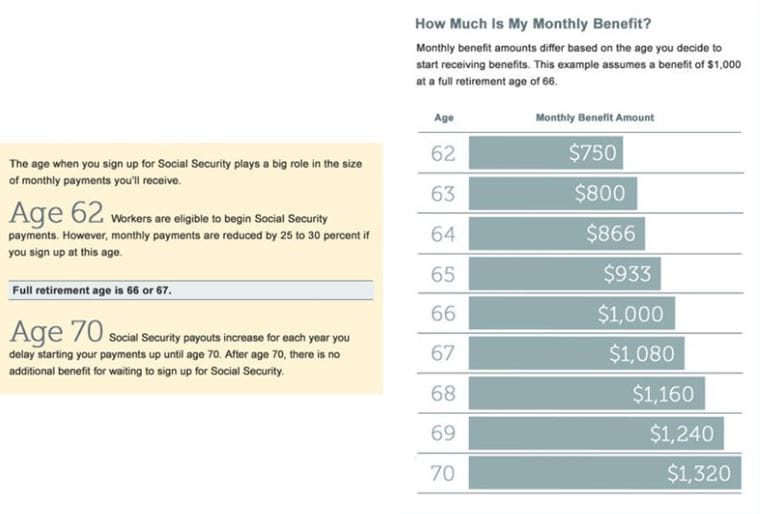
The optimal strategy depends heavily on your health, financial needs, and willingness to work.
Strategies for Maximizing Income While Claiming Benefits
Navigating the Social Security earnings test requires careful planning. Here are some strategies to consider for optimizing both your earned income and your Social Security benefits.
Timing Your Claim Strategically
The most impactful decision is when to start receiving benefits.
-
Working Past FRA: If you plan to work consistently past your FRA, there’s little reason to claim early, as your benefits would be reduced by the earnings test. Delaying your claim allows you to earn Delayed Retirement Credits, leading to a higher monthly payment when you eventually do claim.
-
Phased Retirement: Some individuals plan a phased retirement, reducing work hours as they approach FRA and then increasing them (or maintaining them) once they pass FRA. This allows them to manage their income to stay below the earnings limit in the early years if they choose to claim early, then work freely afterward.
Structuring Your Income
For those who have control over the nature of their income, restructuring can be a powerful tool.
-
Shifting to Passive Income: If you have assets that generate income (e.g., investments, rental properties), relying more on these sources and less on wages or self-employment income can help you stay below the earnings limit. This is especially relevant for entrepreneurs who might sell their business and live off the proceeds or investment income.
-
Converting Self-Employment Income: If you own a business, consider selling it or transitioning to a more passive role that generates investment or capital gains income rather than active “earned” income. Consult with a tax professional to understand the implications.
The Role of Self-Employment
Self-employment income, or net earnings from self-employment, is subject to the same earnings limits as wages. However, it requires careful tracking.
-
Projecting Income: If you’re self-employed and drawing Social Security before your FRA, you must accurately project your net earnings for the year and inform the SSA. If your actual earnings are higher than projected, you might owe back benefits. If they’re lower, you might be due a refund.
-
Managing Expenses: Maximizing legitimate business deductions can reduce your net earnings, potentially keeping you below the SSA earnings limit. This is a critical area where a tax advisor can provide significant value.
Tax Implications of Working While Claiming
Beyond the earnings test, working while receiving Social Security benefits can also affect the taxability of those benefits.
-
Provisional Income: The IRS uses a calculation called “provisional income” to determine if a portion of your Social Security benefits is taxable. Provisional income includes half of your Social Security benefits plus your adjusted gross income (AGI) from other sources, including earned income and tax-exempt interest.
-
Tax Thresholds: If your provisional income exceeds certain thresholds (e.g., $25,000 for single filers, $32,000 for married filing jointly), up to 50% or even 85% of your Social Security benefits could become taxable. Working adds to your AGI, which can push you over these thresholds, effectively reducing your net Social Security income.
Real-World Scenarios and Case Studies
Let’s illustrate how these rules might play out in different situations.
Scenario 1: Early Claimer with Part-Time Work
-
Individual: Maria, born in 1960 (FRA 67), claims Social Security at age 62.
-
Situation: She takes a part-time job earning $30,000 in 2024.
-
Impact: The 2024 earnings limit before FRA is $22,320. Maria earns $7,680 above the limit ($30,000 – $22,320). For every $2 over, $1 is withheld. So, $3,840 ($7,680 / 2) of her Social Security benefits will be withheld for the year. This significantly reduces her annual benefit payout.
Scenario 2: Nearing FRA with a Transition Plan
-
Individual: David, born in July 1958 (FRA 66 and 8 months), plans to work full-time until July, then part-time.
-
Situation: In 2024, David will reach his FRA in July. Before July, he earns $40,000. After July, he earns an additional $20,000. Total earnings: $60,000.
-
Impact: The higher limit for the year you reach FRA is $59,520 (for 2024). David’s earnings before his FRA month are $40,000, which is below this limit. Once he hits July (his FRA month), the earnings limit ceases to apply. Therefore, despite earning $60,000 for the year, none of his Social Security benefits will be withheld because the earnings test only applies to earnings before his FRA month, and his earnings up to that point were below the higher threshold.
Scenario 3: Post-FRA Freedom
-
Individual: Sarah, born in 1954 (FRA 66), is age 68.
-
Situation: She decides to return to full-time work, earning $70,000 annually, while collecting her full Social Security benefits.
-
Impact: Since Sarah is past her FRA, there are no earnings limits. Her Social Security benefits will not be reduced due to her work income. However, her increased income will likely push her provisional income above the IRS thresholds, making a portion (up to 85%) of her Social Security benefits taxable.
Key Considerations and Professional Advice
The rules around working while drawing Social Security are complex, and individual situations can vary widely.
Why the Earnings Test Exists
The earnings test was designed to ensure that Social Security benefits are primarily directed toward individuals who have actually retired or significantly reduced their work hours. It’s a way to balance the system’s solvency and purpose. Over time, as more people choose to or need to work longer, the perception and impact of this test have become a significant talking point in retirement planning.
The Importance of Accurate Reporting
If you are working and receiving Social Security benefits before your FRA, it is your responsibility to inform the SSA of your expected earnings for the year. They will adjust your benefits accordingly. If you earn more than expected, you could face an overpayment that you’ll need to pay back. If you earn less, you might be due additional benefits. It’s better to overestimate your earnings slightly to avoid an overpayment.
Seeking Professional Guidance
Given the intricacies of Social Security rules, tax implications, and personal financial circumstances, consulting with professionals is highly recommended:
-
Financial Advisor: Can help you integrate Social Security claiming strategies with your overall retirement plan, investment portfolio, and income needs.
-
Tax Professional: Can advise on the taxability of your Social Security benefits, optimal income structuring, and maximizing deductions for self-employment income.
-
Social Security Administration: The SSA itself is the definitive source for personalized information regarding your specific benefits, FRA, and earnings limits. They offer online tools and direct assistance to help you understand your situation.

Conclusion
The question “how much can you make while drawing Social Security” has a nuanced answer that hinges on your age relative to your Full Retirement Age. While earning limits can significantly reduce benefits if you work before your FRA, these limits disappear entirely once you reach that milestone. Strategic planning—including timing your claim, structuring your income sources, and understanding the tax implications—can empower you to maximize both your Social Security benefits and any supplemental income you choose to earn in retirement. By understanding these rules, you can make informed decisions that ensure a more secure and comfortable financial future.
aViewFromTheCave is a participant in the Amazon Services LLC Associates Program, an affiliate advertising program designed to provide a means for sites to earn advertising fees by advertising and linking to Amazon.com. Amazon, the Amazon logo, AmazonSupply, and the AmazonSupply logo are trademarks of Amazon.com, Inc. or its affiliates. As an Amazon Associate we earn affiliate commissions from qualifying purchases.