
The traditional pharmacy experience—standing in line, waiting for a pharmacist to consult a paper record, and navigating limited operating hours—is rapidly being replaced by a sophisticated digital ecosystem. Getting prescriptions delivered is no longer just a matter of mail-order fulfillment; it is a complex intersection of cloud computing, telecommunication APIs, and advanced logistics software. For the modern consumer, understanding how to leverage this technology is the key to managing health with the same efficiency as any other digital service.
The App Ecosystem: Navigating the Modern Pharmacy Interface
The primary gateway for prescription delivery is the software interface. Whether you are using a legacy retail giant or a digital-native startup, the application layer dictates the ease with which a patient moves from a doctor’s consultation to a doorstep delivery.

Major Retailer Platforms and Legacy Integration
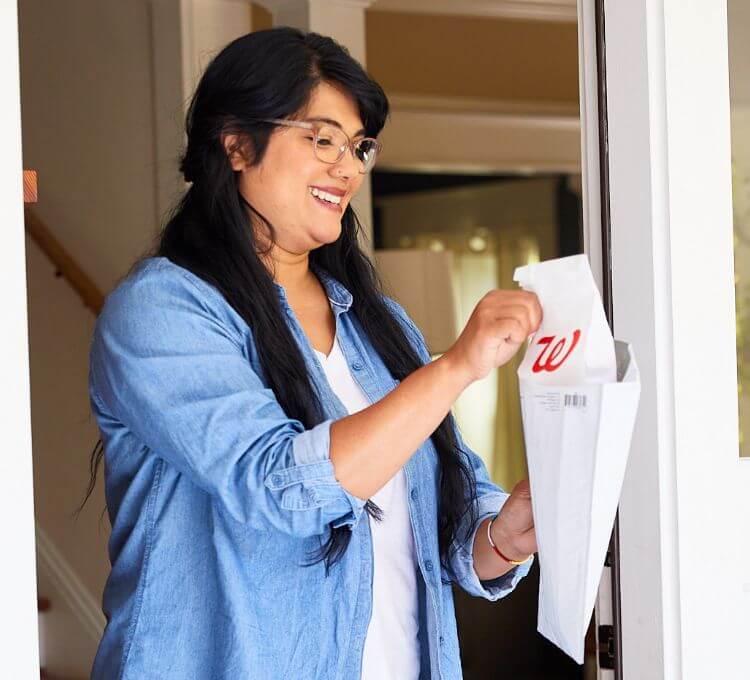
Established pharmacy chains like CVS and Walgreens have undergone massive digital overhauls to compete with tech-first entrants. Their apps now serve as centralized hubs that integrate with Electronic Health Records (EHR). When a physician sends an e-prescription, these platforms use real-time notification systems to alert the user via SMS or push notification. Within the app, the “Delivery” toggle uses geolocation to determine the nearest distribution center and calculates delivery windows based on local courier availability. For the user, the technical heavy lifting—verifying insurance through automated clearinghouses and checking stock via centralized inventory management systems—happens in the background.
Digital-First Pharmacies and Disruption
Platforms like Amazon Pharmacy, Capsule, and Mark Cuban Cost Plus Drug Company represent a shift toward specialized pharmaceutical e-commerce. Amazon Pharmacy, for instance, leverages its existing Prime logistics infrastructure to offer two-day delivery, treating medication with the same algorithmic efficiency as consumer electronics. Capsule, on the other hand, utilizes a localized “hub-and-spoke” model where their proprietary software optimizes bike courier routes in dense urban environments. These platforms often provide superior UX, featuring transparent pricing models that pull real-time data from Pharmacy Benefit Managers (PBMs) to show the user exactly what they will pay before they hit “order.”
Third-Party Logistics and API Integration
A significant trend in the tech space is the partnership between traditional pharmacies and third-party delivery apps like DoorDash and Uber Health. These services use specialized APIs that allow a pharmacy’s internal management system to “call” a driver once a prescription is verified and packaged. This involves a secure handoff of data that complies with strict privacy regulations while ensuring the driver has the necessary routing information. For the end-user, this means prescription delivery can happen in under two hours, powered by the “gig economy” tech stack.
The Infrastructure Behind Seamless Delivery
Behind the “Order” button lies a sophisticated array of technologies designed to ensure accuracy, safety, and speed. The transition from a physical script to a delivered package involves several layers of integrated software.
Telehealth and e-Prescribing (ERx)
The process begins with e-prescribing technology. Systems like Surescripts act as the backbone of this network, allowing healthcare providers to send prescriptions directly to a pharmacy’s computer system in a standardized digital format. This eliminates the errors associated with handwriting and manual data entry. Furthermore, the rise of telehealth platforms allows for a purely digital workflow: a video consultation leads to a digital script, which triggers an automated workflow in the pharmacy app, culminating in a delivery request.
AI-Driven Inventory and Refill Management
Predictive analytics play a crucial role in ensuring medications are available for delivery. AI algorithms analyze historical data to predict surges in demand for specific medications, ensuring that local fulfillment centers are adequately stocked. For the patient, “Smart Refills” use machine learning to track usage patterns. If a patient is on a 30-day supply, the system automatically initiates the insurance re-authorization and delivery sequence on day 25, ensuring no lapse in therapy. This automated logic is the foundation of modern medication adherence tech.
Cold-Chain Logistics and Smart Packaging
One of the greatest technical hurdles in prescription delivery is the transport of biologics and temperature-sensitive medications, such as insulin. Tech companies have responded with “Cold-Chain” innovations. This includes smart packaging equipped with Bluetooth-enabled temperature sensors that log the environment inside the box throughout the delivery journey. If the temperature exceeds a specific threshold, the sensor alerts the pharmacy’s central server, and the delivery is flagged as compromised before it even reaches the patient’s door.
Security, Privacy, and Data Management in Health Tech
When moving medical data through the cloud, security is the paramount concern. The technology used to deliver prescriptions must adhere to rigorous legal standards while maintaining a frictionless user experience.
HIPAA Compliance and Cloud Security
Any application involved in prescription delivery must be HIPAA (Health Insurance Portability and Accountability Act) compliant. This means that data at rest and data in transit are protected by high-level encryption (usually AES-256). Cloud providers like AWS and Microsoft Azure offer dedicated healthcare “instances” that provide the necessary auditing and logging tools to ensure that sensitive Patient Health Information (PHI) is never exposed. When a user interacts with a delivery app, their data is siloed and tokenized, ensuring that even if a delivery driver sees a name and address, they do not have access to the patient’s full medical history.
Verification and Multi-Factor Authentication
To prevent fraud and ensure that controlled substances are delivered to the correct individual, pharmacies employ robust identity verification tech. This often includes Multi-Factor Authentication (MFA) for app logins and the use of ID-scanning software during the delivery handoff. Some high-tech delivery services now use biometric verification—such as facial recognition or fingerprint scanning on a courier’s handheld device—to confirm the recipient’s identity in real-time, creating a digital paper trail of the chain of custody.
Blockchain for Pharmaceutical Provenance
While still in the early stages of adoption, blockchain technology is being explored to track the provenance of medications. By using a decentralized ledger, every step of a prescription’s journey—from the manufacturer to the wholesaler to the delivery courier—can be recorded. This ensures the authenticity of the medication, combating the rise of counterfeit drugs in the global supply chain. For the user, this could eventually mean scanning a QR code on a delivered bottle to see a verified digital history of that specific batch of medicine.
Optimizing the User Experience: A Technical Step-by-Step
For those looking to transition to a fully digital prescription workflow, certain technical configurations can optimize the experience.
Syncing Insurance and Digital Wallets
The first step in a digital-first pharmacy setup is the integration of insurance data. Modern apps allow users to take a photo of their insurance card, using Optical Character Recognition (OCR) to automatically populate group and member ID numbers. Furthermore, integrating the pharmacy app with digital wallets like Apple Pay or Google Pay ensures that co-pays are handled via secure, encrypted tokens, reducing the risk of credit card skimming.
Centralizing Family Profiles
Advanced pharmacy platforms allow for the creation of “Family Profiles” within a single account. This uses a parent-child data structure where one primary user can manage the prescriptions, delivery schedules, and notifications for multiple dependents. This is particularly useful for caregivers who need to monitor the adherence of elderly parents or children, providing a centralized dashboard for all household healthcare logistics.
Setting Up Real-Time Notifications
The most effective way to manage delivery is through the optimization of the notification layer. Users should enable “Critical Alerts” if the app supports them, allowing notifications to bypass “Do Not Disturb” settings for urgent delivery updates. Using webhooks and real-time tracking (similar to food delivery apps), users can see the exact GPS location of their medication as it nears their home, reducing the window of time a package spends sitting on a doorstep.
The Future of Medication Logistics: Robotics and Beyond
The next phase of prescription delivery tech is already moving from pilot programs to reality, focusing on removing the human element from the “last mile” of delivery.
Autonomous Drone Delivery
Companies like Zipline and Wing are revolutionizing prescription delivery in both rural and suburban environments using autonomous drones. These aircraft use sophisticated flight-path algorithms to avoid obstacles and deliver packages via parachute or tether. The tech stack involves real-time weather data integration and precision GPS to ensure that medications are dropped within a few feet of the intended target. This is particularly transformative for urgent medications where ground traffic would cause life-threatening delays.
Smart Medicine Cabinets and IoT
The “Internet of Things” (IoT) is moving into the bathroom cabinet. Smart pill dispensers are now being integrated directly with pharmacy delivery apps. When the dispenser detects that it is running low on a specific pill (using weight sensors or optical counters), it sends a signal via Wi-Fi to the pharmacy’s API to trigger a new delivery. This creates a fully autonomous loop where the patient never has to manually order a refill; the hardware and software communicate to ensure the medication is always in stock.
3D Printed Pharmaceuticals
Looking further ahead, the “delivery” of prescriptions may eventually shift from a physical package to a digital file. 3D printing technology for pharmaceuticals allows for the creation of customized pills with precise dosages. In a future scenario, a “delivery” might consist of a secure, encrypted file sent to a specialized 3D printer in a patient’s home or a local neighborhood kiosk, which then “prints” the medication on demand. This would represent the ultimate convergence of healthcare and digital manufacturing, turning the concept of delivery into a purely data-driven process.
aViewFromTheCave is a participant in the Amazon Services LLC Associates Program, an affiliate advertising program designed to provide a means for sites to earn advertising fees by advertising and linking to Amazon.com. Amazon, the Amazon logo, AmazonSupply, and the AmazonSupply logo are trademarks of Amazon.com, Inc. or its affiliates. As an Amazon Associate we earn affiliate commissions from qualifying purchases.