
The need to move money swiftly and securely has become a cornerstone of modern personal finance. In an increasingly digital world, waiting days for funds to clear is often impractical, whether you’re splitting a dinner bill, sending emergency funds to a family member, or paying for a service. Fortunately, a robust ecosystem of financial tools and services has emerged, making instant money transfers not just possible, but often effortless. Understanding these options, their underlying mechanisms, and crucial financial considerations is key to managing your money effectively in real time.
The Evolution of Real-Time Payments
For decades, sending money involved traditional, often slow, methods. Bank wires, while faster than checks, still typically took hours or even days to process, particularly across different financial institutions or international borders. These methods were also often expensive, with fixed fees that made small transfers impractical. The advent of the internet and mobile technology, coupled with a surging demand for immediacy, catalyzed a revolution in how money moves.
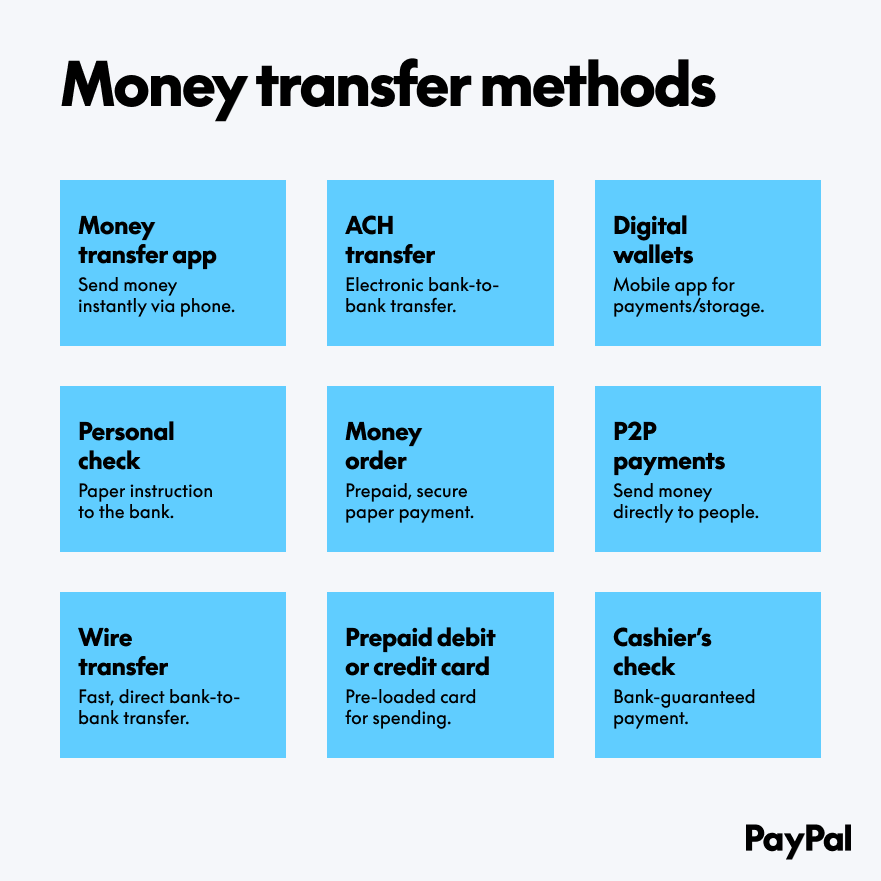
This shift has been driven by a confluence of technological innovation and changing consumer expectations. People now expect financial transactions to mirror the speed of digital communication. This demand has spurred financial institutions and technology companies to develop sophisticated payment networks and applications that enable funds to be transferred, received, and often made available for use within seconds, regardless of geographical distance in many cases. The primary financial benefit is clear: enhanced liquidity and convenience, allowing individuals to manage their finances with greater agility and confidence.
Popular Platforms for Instant Money Transfers
The market for instant money transfers is diverse, offering various solutions tailored to different needs, from domestic peer-to-peer payments to international remittances. Each platform comes with its own set of features, fee structures, and limitations, making an informed choice essential for optimal financial management.
Peer-to-Peer (P2P) Payment Apps
P2P apps have revolutionized domestic money transfers, making it as simple as sending a text message. These applications typically link directly to your bank account or debit card, allowing for seamless fund movement.
-
PayPal/Venmo: As pioneers in the digital payment space, PayPal and its subsidiary Venmo are widely adopted. Users can send and receive money using an email address or phone number. While standard transfers from your balance or bank account to another user’s balance are usually free, opting for an instant transfer from your balance to a linked debit card or bank account often incurs a small fee (e.g., 1.75% for Venmo, with a minimum and maximum cap). Funds received into your Venmo or PayPal balance can then be used for purchases or transferred out.
-
Cash App: Popular for its simplicity and unique features, Cash App allows users to send and receive money instantly, often without fees for standard transfers linked to a debit card. It also offers a “Cash Card” (a customizable debit card) and features like direct deposit, Bitcoin trading, and stock investing directly within the app, integrating various financial tools into one platform. Like Venmo, instant transfers to an external bank account usually carry a small fee.
-
Zelle: Integrated directly into many banking apps, Zelle offers a unique advantage by facilitating direct bank-to-bank transfers. If both the sender and recipient have Zelle enabled through their financial institution, money can move between accounts in minutes, often with no fees charged by the banks. This makes Zelle particularly attractive for users who prefer to keep their transactions within the banking ecosystem rather than a third-party app.
Digital Wallets and Mobile Pay
Beyond dedicated P2P apps, major tech companies have integrated payment functionalities into their mobile operating systems, blurring the lines between digital wallets, mobile pay, and peer-to-peer transfers.
- Apple Pay Cash / Google Pay: These services allow users to send and receive money directly through messaging apps or dedicated wallet interfaces. Funds can be held in the digital wallet or transferred to a linked debit card or bank account. Like P2P apps, instant transfers to external bank accounts often come with a small fee, while standard transfers may be free but take longer. These platforms also double as mobile payment solutions, allowing users to make contactless payments at physical retailers.
Bank-Integrated Instant Transfer Services
Beyond Zelle, the financial industry is investing heavily in real-time payment infrastructure. In the U.S., networks like The Clearing House’s RTP (Real-Time Payments) network and the Federal Reserve’s FedNow Service enable participating financial institutions to offer instant, irrevocable, 24/7/365 transfers. While these services are primarily B2B or B2C, their underlying technology also enhances consumer-facing options. Many banks now allow instant transfers between accounts within the same institution or, increasingly, to accounts at other participating banks, often accessible directly through their online banking portals or mobile apps. Checking with your specific bank is advisable to understand their real-time transfer capabilities and any associated fees.
International Remittance Services
Sending money across borders instantly has historically been complex and expensive. However, specialized services have emerged to streamline this process, focusing on speed, transparency, and competitive exchange rates.
-
Wise (formerly TransferWise): Wise is renowned for its transparent fee structure and commitment to providing real, mid-market exchange rates. It facilitates international transfers to bank accounts, often with funds arriving within minutes or hours, depending on the corridor and payment method. Users pay a small, upfront fee that is clearly displayed.
-
Remitly/Xoom (a PayPal service): These services specialize in sending money abroad, often to specific cash pickup locations, mobile wallets, or bank accounts. They typically offer various delivery speeds, with instant or near-instant options often carrying higher fees or less favorable exchange rates compared to slower delivery. Comparing their rates and fees against Wise is crucial for optimizing international transfers.
Key Financial Considerations for Instant Transfers
While the convenience of instant money transfers is undeniable, savvy financial management requires careful attention to the costs, limits, and security aspects involved.
Transaction Fees
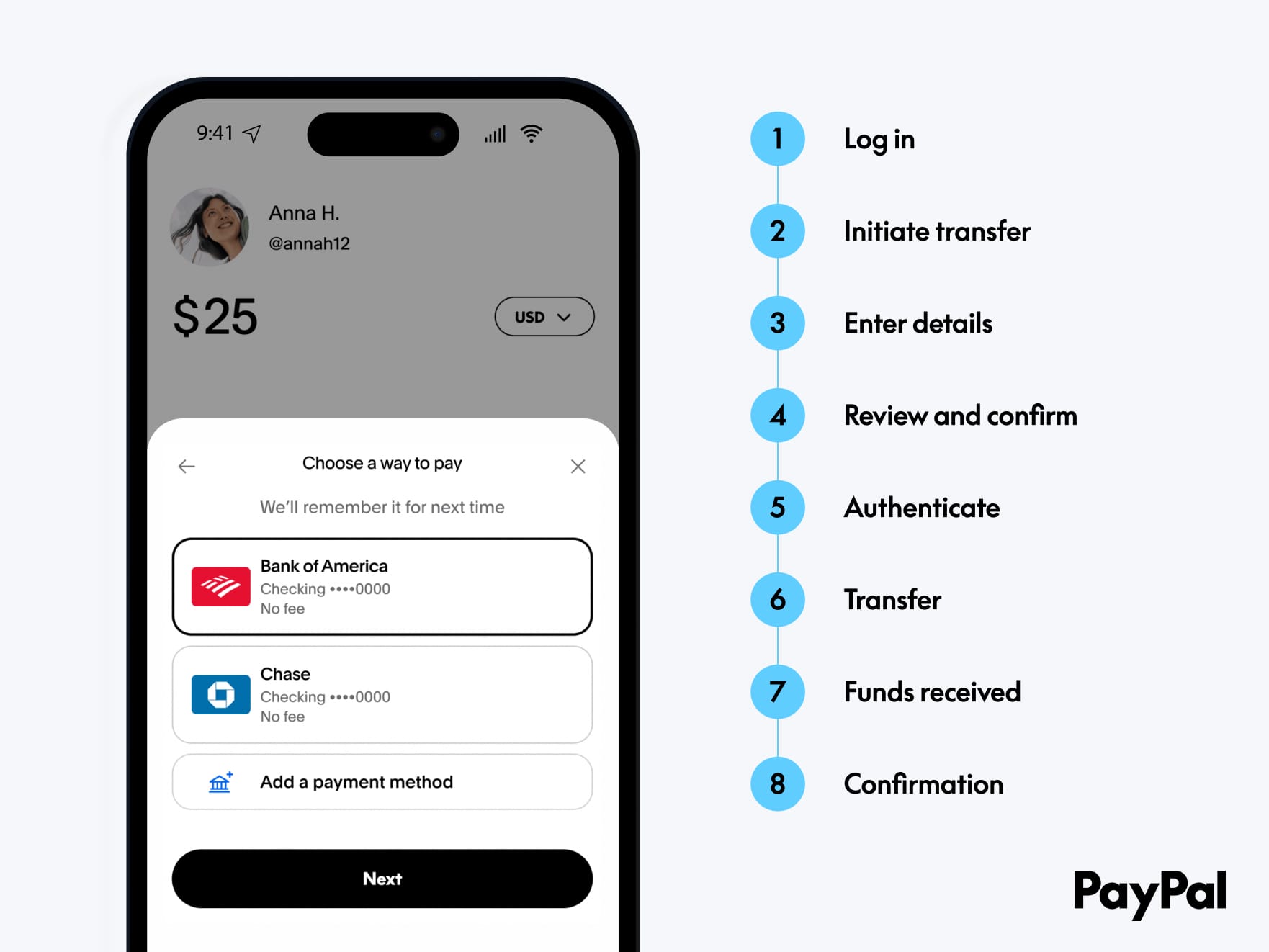
The most direct financial impact of instant transfers is often the transaction fee. While sending money between app balances (e.g., Venmo to Venmo) is usually free, opting for immediate withdrawal to your bank account or debit card almost always incurs a percentage-based fee. For international transfers, fees can be more complex, often combining a fixed fee with a percentage of the transfer amount, or being hidden within less favorable exchange rates. Always scrutinize the fee breakdown before confirming a transaction.
Exchange Rates
For international instant transfers, the exchange rate is a critical factor that directly impacts the amount your recipient receives. Many services mark up the exchange rate, effectively profiting from the difference between the rate they offer you and the true interbank (mid-market) rate. Opt for services that offer transparent, real-time mid-market rates and clearly state their fees separately, like Wise. Even a small difference in the exchange rate can amount to a significant sum on larger transfers.
Transfer Limits
Most platforms and financial institutions impose daily, weekly, or monthly limits on instant money transfers. These limits can vary based on whether your account is verified, the type of transfer (domestic vs. international), and the funding source. For example, an unverified P2P account might have very low limits, while fully verified bank accounts might allow for much larger transfers. If you need to send a substantial amount instantly, check the limits well in advance.
Security Measures
The speed of instant transfers also means that mistakes or fraudulent transactions are difficult, if not impossible, to reverse. Therefore, robust security practices are paramount:
-
Verify Recipient Details: Always double-check the recipient’s phone number, email, or account details. A single incorrect digit can send your money to the wrong person, and instant transfers often cannot be clawed back.
-
Use Strong Authentication: Enable two-factor authentication (2FA) on all your payment apps and bank accounts to add an extra layer of security.
-
Beware of Scams: Be vigilant against phishing attempts, unsolicited requests for money, or urgent demands that create pressure to transfer funds instantly. Instant transfer apps are a common tool for scammers due to the irreversibility of transactions.
Funding Sources and Payout Options
The source of your funds (bank account, debit card, credit card, or app balance) and the recipient’s payout method also influence the cost and speed.
-
Bank Account: Often the cheapest option for funding, but can be slower for standard transfers.
-
Debit Card: Generally faster for funding instant transfers but may incur fees for the instant option.
-
Credit Card: While sometimes an option, using a credit card for P2P payments or cash advances often comes with high fees and immediate interest charges, making it a financially unfavorable choice.
-
Payout Options: Recipients can receive funds directly into their bank account, mobile wallet, or in some international cases, as cash pickup. Each option may have different speeds and costs.
Choosing the Right Instant Transfer Method
Selecting the best instant transfer method hinges on several factors specific to your situation:
Domestic vs. International
For domestic transfers, Zelle (if both parties use participating banks) or a P2P app like Venmo or Cash App (with instant transfer fees) are excellent choices. For international transfers, Wise, Remitly, or Xoom offer specialized services with varying fee structures and exchange rates.
Cost vs. Speed
Weigh the importance of immediacy against the cost. If a fee-free standard transfer that takes 1-3 business days is acceptable, you can save money. If the funds are urgent, paying a small fee for instant delivery might be justifiable.
Recipient’s Access
Consider what platforms the recipient uses or has easy access to. If they don’t have a specific app, a bank-integrated service like Zelle or a direct bank transfer might be more convenient.

Amount and Frequency
For small, frequent transactions, P2P apps are ideal. For larger sums, especially international ones, services like Wise or direct bank transfers (with real-time capabilities) might be more suitable due to higher limits and potentially better rates for large amounts.
By carefully evaluating these factors and understanding the financial implications of each platform, you can confidently choose the most efficient and cost-effective way to send money to someone instantly, ensuring your funds reach their destination exactly when they’re needed.
aViewFromTheCave is a participant in the Amazon Services LLC Associates Program, an affiliate advertising program designed to provide a means for sites to earn advertising fees by advertising and linking to Amazon.com. Amazon, the Amazon logo, AmazonSupply, and the AmazonSupply logo are trademarks of Amazon.com, Inc. or its affiliates. As an Amazon Associate we earn affiliate commissions from qualifying purchases.