
In the rapidly evolving landscape of digital finance, peer-to-peer payment applications have become indispensable tools for managing personal funds, splitting bills, and sending money to friends and family with unprecedented ease. Among these, Cash App stands out as a prominent player, offering a straightforward interface for sending, receiving, and even investing money. However, a common query that frequently arises for both new and existing users, especially when planning significant transfers, is: “How much can I send through Cash App?”
Understanding Cash App’s transaction limits is crucial for efficient financial planning and avoiding unexpected hurdles. These limits are not arbitrary; they are meticulously designed by financial institutions and payment service providers to comply with regulatory requirements, mitigate fraud risks, and protect user assets. This article will delve deep into Cash App’s sending capabilities, exploring the various tiers of limits, how to increase them, and the broader financial implications for users leveraging this popular platform for their daily transactions and beyond.

Understanding Cash App’s Core Functionality and Limits
Cash App, developed by Block, Inc., has revolutionized the way millions handle their money. Its user-friendly design masks a sophisticated financial infrastructure that facilitates instant transfers. But like any regulated financial service, it operates within a framework of transaction limits, which are vital for user security and regulatory compliance.
The Basics of Cash App Transactions
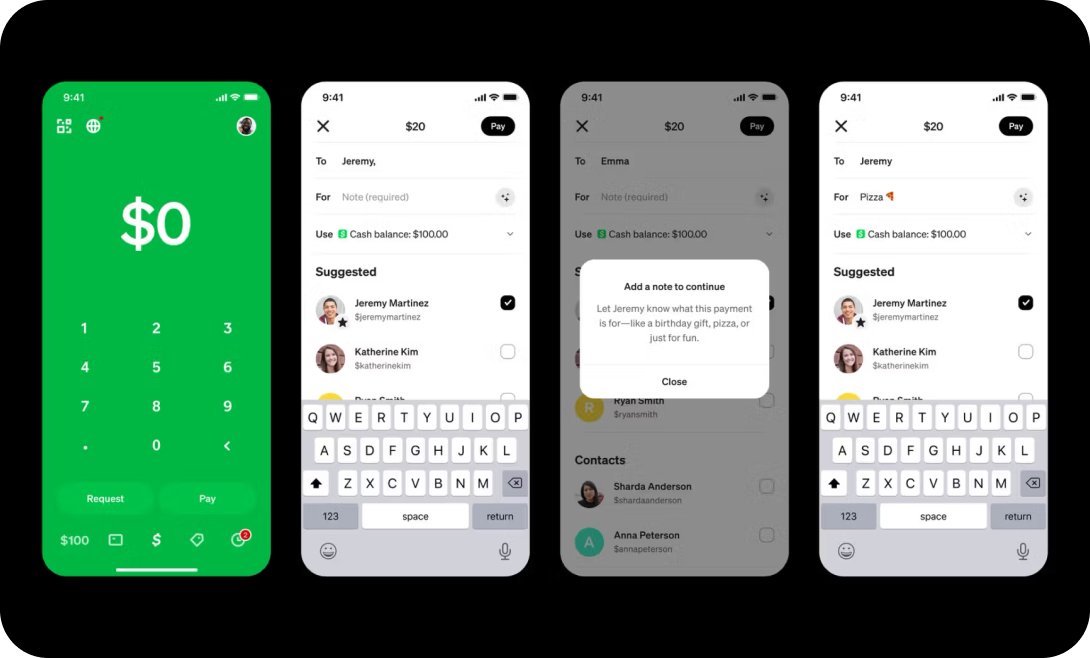
At its heart, Cash App allows users to send and receive money using a unique identifier called a $Cashtag, email, or phone number. Funds can be linked to a debit card or bank account, enabling seamless transfers. Users can also order a free debit card, the Cash Card, which is directly linked to their Cash App balance and can be used for purchases and ATM withdrawals. Beyond basic transfers, Cash App has expanded to offer features like direct deposit, stock investing, and even Bitcoin trading, making it a versatile financial tool for a diverse user base.
Why Transaction Limits Exist
Transaction limits are a standard feature across virtually all financial platforms, from traditional banks to emerging fintech applications. For Cash App, these limits serve several critical purposes:
-
Fraud Prevention: By capping the amount of money that can be sent or received within a specific period, Cash App significantly reduces the potential impact of fraudulent activities. If an unauthorized person gains access to an account, the damage is limited to the set transaction ceiling.
-
Regulatory Compliance: Financial institutions are legally obligated to comply with Anti-Money Laundering (AML) and Know Your Customer (KYC) regulations. These regulations require platforms to monitor transactions and identify users, especially when large sums of money are involved, to prevent illicit financial activities such as money laundering and terrorist financing.
-
Risk Management: Limits help Cash App manage its own financial risk. Uncapped transactions could expose the platform to substantial liabilities in cases of system errors or widespread fraud.
-
User Protection: Ultimately, these limits protect users by providing a safety net. They encourage users to verify their identities, which adds an extra layer of security to their accounts.
Verifying Your Identity for Increased Limits
One of the most significant factors influencing your sending and receiving limits on Cash App is the verification status of your account. An unverified account, while functional for basic transactions, operates under much stricter limits compared to a fully verified account.
To verify your identity, Cash App typically requests information such as your full legal name, date of birth, and the last four digits of your Social Security Number (SSN). In some cases, it might ask for your full SSN or even additional documentation like a government-issued ID. This process is standard practice for financial services and is essential for unlocking higher transaction thresholds. The information provided is securely handled and used to confirm your identity against public records, aligning with KYC regulations. Once verified, Cash App can offer significantly expanded capabilities, empowering users with greater flexibility for their financial needs.
Navigating Cash App’s Standard Sending Limits
Cash App employs a tiered system for transaction limits, primarily distinguishing between unverified and verified accounts. Understanding these tiers is paramount for planning your transfers effectively.
Initial Unverified Sending Limits
When you first sign up for Cash App and haven’t completed the identity verification process, you operate under initial, more restrictive limits. These are designed to allow basic functionality while ensuring a minimal risk profile. Typically, an unverified Cash App user can send up to $250 within any 7-day period and receive up to $1,000 within any 30-day period. These limits are sufficient for casual, small-scale transactions but can quickly become a bottleneck for anyone needing to move larger sums. It’s a clear incentive for users to complete the verification process if they anticipate more extensive usage of the app.
Verified Account Sending Limits Explained
Upon successfully verifying your identity, Cash App significantly raises these thresholds, unlocking much greater financial flexibility. For verified users, the standard sending limit is $7,500 per week. This substantial increase accommodates a wide range of personal financial activities, from splitting rent to making larger purchases or transferring funds to family members.
It’s important to note that while a weekly limit of $7,500 is standard, there isn’t an explicit daily sending limit widely published by Cash App for verified accounts in the same way there is for unverified accounts. This implies that the $7,500 can theoretically be sent in a single transaction or spread across multiple transactions within that 7-day window. However, large, sudden transfers might still trigger security reviews, so it’s always wise to be mindful of your transaction patterns.
Daily, Weekly, and Monthly Overviews
Let’s consolidate the typical limits for verified accounts:
-
Sending Limit: Up to $7,500 per week.
-
Receiving Limit: There is typically no stated receiving limit for verified accounts. This means you can receive a theoretically unlimited amount of money, although very large or frequent transactions might still be subject to standard financial monitoring.
It’s crucial for users to periodically check Cash App’s official support pages for the most current limits, as these policies can be updated over time in response to regulatory changes or internal risk assessments. Always rely on the information directly from Cash App’s official channels for the most accurate and up-to-date figures.
Exploring Receiving Limits and Cash App Card Usage
While sending limits often grab the most attention, understanding the nuances of receiving money and using the Cash Card is equally important for a holistic view of your financial capabilities on the platform.
Cash App’s Receiving Limits
As mentioned, for verified users, there is generally no publicly stated receiving limit on Cash App. This flexibility is a significant advantage, allowing individuals and even small businesses to receive substantial sums without worrying about hitting a cap. However, it’s prudent to remember that while there’s no explicit limit, any large or unusual influx of funds may still be flagged for review by Cash App’s compliance team as part of their fraud prevention and AML protocols. This is standard practice across the financial industry to ensure the integrity of the financial system.
For unverified users, the receiving limit is typically set at $1,000 within any 30-day period. This restriction is a major driver for users to complete the verification process, especially if they anticipate receiving more than this amount from friends, family, or customers.
Understanding Cash App Card Transaction Limits
The Cash Card is a Visa debit card directly linked to your Cash App balance, allowing you to spend funds just like a traditional debit card. It offers another layer of financial utility but comes with its own set of transaction limits:
- Spending Limit (for purchases): Typically, Cash Card users can spend up to $7,000 per transaction, $10,000 per day, and $25,000 per week. These generous limits make the Cash Card suitable for a wide range of purchases, from daily essentials to larger expenditures. It’s a convenient way to access your Cash App balance without transferring it to an external bank account first.
These limits are generally for verified accounts. Unverified accounts may have lower spending limits on their Cash Card, similar to their sending limits.
ATM Withdrawal Limits and Fees
Accessing physical cash from your Cash App balance is possible through the Cash Card at ATMs. However, ATM withdrawals come with their own, more restrictive limits and potential fees:
-
ATM Withdrawal Limit: Generally, users can withdraw up to $310 per transaction and $1,000 per day. There is also typically a weekly limit of $1,000. These limits are designed to deter cash-based money laundering and align with general ATM network restrictions.
-
Fees: Cash App charges a $2.50 fee for each ATM withdrawal. This is in addition to any fees that the ATM operator might charge. To avoid the Cash App fee, users can set up direct deposit to their Cash App account; after receiving $300 or more in direct deposits each month, the ATM fee is waived. This provides a financial incentive for users to integrate Cash App more deeply into their primary banking activities.
Strategies for Managing Larger Transactions on Cash App
While Cash App’s limits are quite generous for most personal use cases, situations can arise where users need to send or receive amounts exceeding these thresholds. Planning and understanding alternatives are key.
Planning for High-Value Transfers
If you anticipate needing to send an amount close to or exceeding the $7,500 weekly limit, strategic planning is essential.
-
Verify Your Account in Advance: This is the most critical step. Do not wait until the last minute to verify your identity. The verification process can take some time, from a few minutes to several business days, depending on the complexity of your case and the information required.
-
Break Down Large Transfers: If a single transaction exceeds the limit, consider splitting it into multiple smaller transactions over several weeks. For example, if you need to send $15,000, you could send $7,500 in one week and the remaining $7,500 in the subsequent week.
-
Communicate with Recipient: Inform your recipient about the transfer plan, especially if it involves multiple transactions over time, to manage expectations.
-
Fund Your Account Appropriately: Ensure your linked bank account or Cash App balance has sufficient funds to cover the transaction, preventing declines that could delay your transfer.
Alternatives for Exceeding Cash App Limits
For transactions that significantly exceed Cash App’s limits or require higher guarantees of delivery, exploring alternative financial tools is advisable:
-
Bank Wire Transfers: For very large sums (tens of thousands or more), traditional bank wire transfers remain a highly secure and reliable option. While they typically incur higher fees and are not instant, they offer robust security protocols and are ideal for significant financial commitments like real estate down payments.
-
ACH Transfers: Automated Clearing House (ACH) transfers are electronic payments that move money directly between bank accounts. They are typically free or low-cost but take 1-3 business days to process. Many banks offer this service, and it’s suitable for regular, larger payments that aren’t time-sensitive.
-
Other P2P Apps with Higher Limits: Some other peer-to-peer payment apps or services might offer different limit structures. However, it’s crucial to research their specific policies and security features thoroughly before committing.
-
Personal Checks/Cashier’s Checks: For non-urgent, high-value transfers, traditional checks or cashier’s checks (which are guaranteed by the bank) are still viable options, offering a paper trail and security.
Best Practices for Secure and Efficient Transactions
Beyond understanding limits, adopting best practices ensures your Cash App experience is secure and efficient:
-
Enable Security Features: Always use a strong, unique password, enable two-factor authentication (2FA), and set up a PIN for your Cash App.
-
Beware of Scams: Be vigilant against phishing attempts, fake customer support, and “too good to be true” offers. Cash App transactions are instant and irreversible, making them a target for scammers. Only send money to people you know and trust.
-
Confirm Recipient Details: Double-check the recipient’s $Cashtag, email, or phone number before sending money. A small typo can send funds to the wrong person, and recovery can be difficult or impossible.
-
Monitor Your Activity: Regularly review your transaction history to identify any unauthorized activity promptly.
-
Keep Software Updated: Ensure your Cash App is always updated to the latest version to benefit from the newest security patches and features.
The Financial Implications and Best Practices
Using Cash App for your financial transactions offers immense convenience, but it’s essential to understand the broader financial implications and adhere to best practices for a secure and optimized experience.
Security Measures and Fraud Prevention
Cash App employs robust security measures, including encryption and fraud detection algorithms, to protect user data and transactions. However, individual user vigilance is equally critical. The instantaneous nature of Cash App transfers means that once money is sent, it’s often irreversible. This makes it a prime target for scammers. Users should:
-
Verify Identity of Recipient: Always confirm the identity of the person you’re sending money to. If you don’t know them personally, exercise extreme caution.
-
Beware of “Payment Pending” Scams: Cash App transfers are typically instant. If someone claims a payment is pending and asks you to send money or provide personal information to “release” it, it’s a scam.
-
Phishing Awareness: Never click on suspicious links or provide your login credentials in response to unsolicited emails or messages claiming to be from Cash App support. Always go directly to the app or official website.
-
Recognize Common Scams: Be aware of common schemes like fake job offers, lottery winnings that require an upfront fee, or requests to send money for “verification” purposes.
Monitoring Your Transaction Activity
Regularly reviewing your Cash App transaction history is a fundamental aspect of personal financial management and security. This practice allows you to:
-
Spot Unauthorized Transactions: Quickly identify any payments you didn’t make, indicating potential account compromise.
-
Track Spending: Keep tabs on your outflows, aiding in budget management and financial accountability.
-
Verify Inflows: Ensure all expected payments have been received correctly.
-
Reconcile Records: If you use Cash App for business or tax purposes, consistent monitoring facilitates accurate record-keeping.
Cash App provides an easily accessible transaction history within the app, which can often be filtered and exported, making this process straightforward.

When to Consider Other Financial Tools
While Cash App is an excellent tool for many financial needs, it’s not a one-size-fits-all solution. Recognizing its limitations and when to leverage other financial instruments is crucial for comprehensive money management:
-
Large, Irreversible Transfers: For extremely high-value transactions (e.g., purchasing a vehicle, real estate down payments, or significant investments) where legal recourse and ironclad security are paramount, traditional bank wire transfers or certified checks are generally safer due to their audit trails, verification processes, and slower, more deliberate execution.
-
International Transfers: While Cash App does support sending money to the UK, it’s not a global remittance service. For widespread international money transfers, specialized services like Wise (formerly TransferWise) or Remitly often offer better exchange rates, lower fees, and broader country coverage.
-
Business Payroll: For managing employee payroll or complex business expenses, dedicated business banking platforms or payroll services offer features like tax compliance, automated payments, and detailed reporting that Cash App does not provide.
-
Saving and Investing (Beyond Basic): While Cash App offers basic stock and Bitcoin investing, for diversified portfolios, long-term wealth building, and access to a wider range of investment vehicles, traditional brokerage accounts or robo-advisors are more appropriate.
In conclusion, Cash App offers a robust and convenient platform for managing daily financial transactions, with generous limits for verified users that cater to most personal needs. By understanding these limits, verifying your identity, and adhering to sound financial security practices, you can maximize the benefits of Cash App while safeguarding your financial well-being. However, always be mindful of its scope and be prepared to utilize other financial tools when circumstances call for their specific advantages.
aViewFromTheCave is a participant in the Amazon Services LLC Associates Program, an affiliate advertising program designed to provide a means for sites to earn advertising fees by advertising and linking to Amazon.com. Amazon, the Amazon logo, AmazonSupply, and the AmazonSupply logo are trademarks of Amazon.com, Inc. or its affiliates. As an Amazon Associate we earn affiliate commissions from qualifying purchases.