
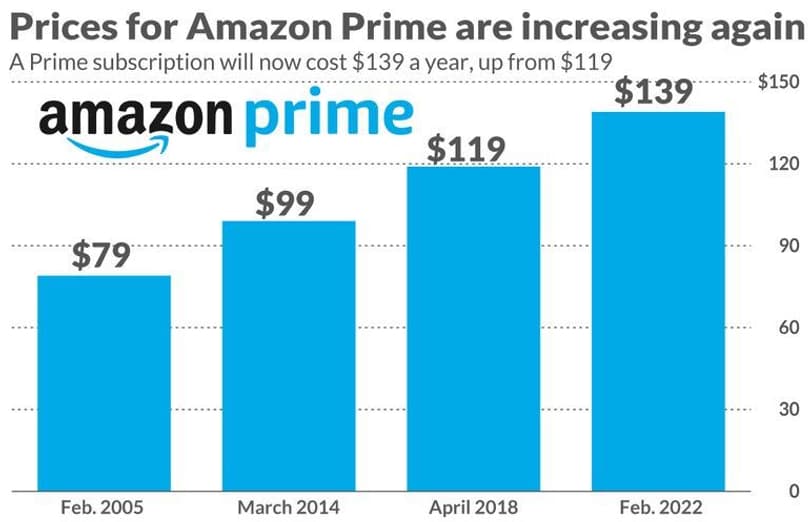
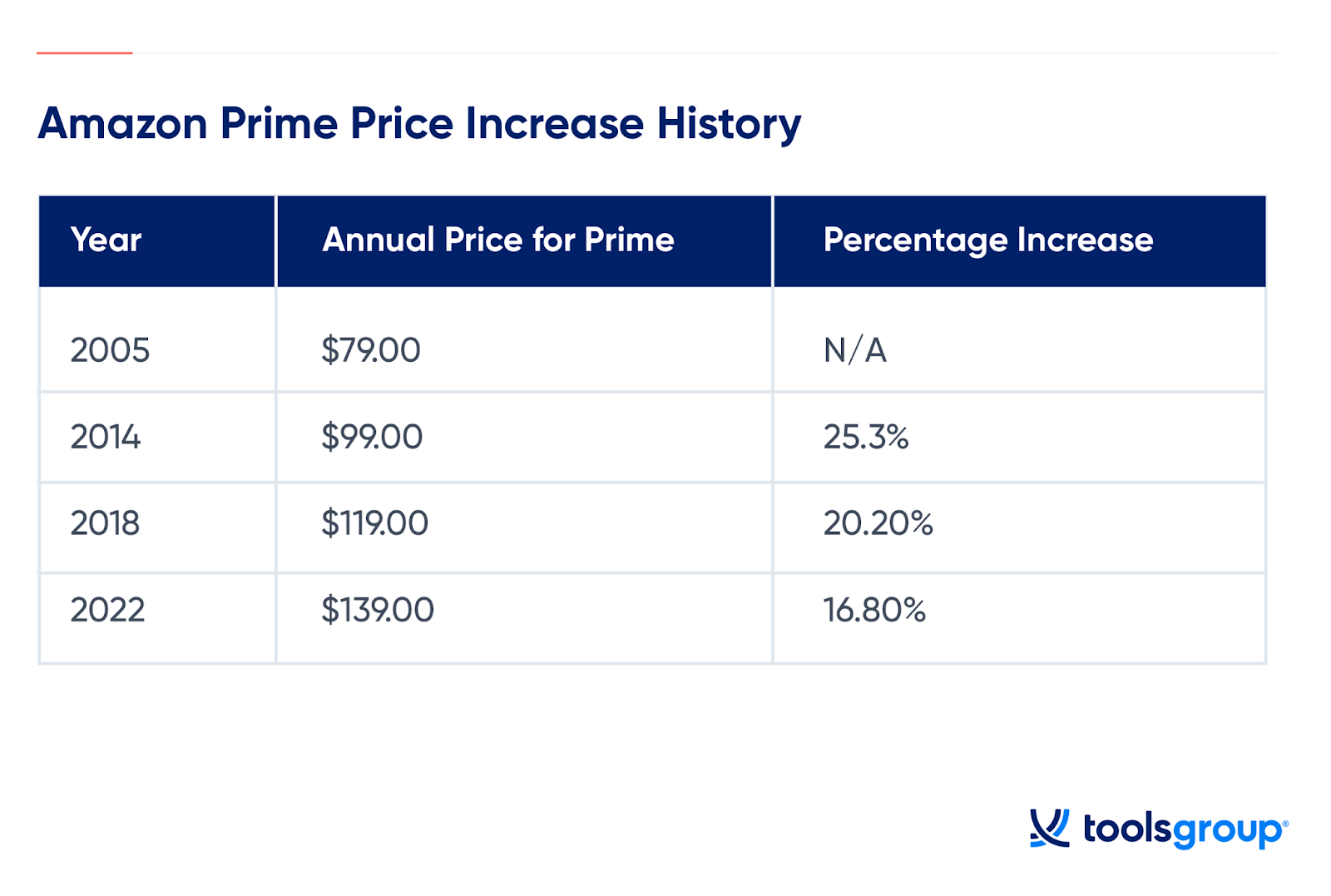
In the landscape of modern personal finance, recurring subscriptions have become one of the most significant “silent” expenses in the average household budget. Among these, Amazon Prime stands as a titan. What began in 2005 as a simple $79-per-year expedited shipping service has evolved into a massive ecosystem of digital media, grocery discounts, and logistics. For many, the question is no longer just “how much does it cost?” but rather, “does the monthly expenditure justify the impact on my bottom line?”
As of late 2024, the standard cost for an Amazon Prime membership is $14.99 per month. If consumers choose to pay on an annual basis, the price is $139 per year, which breaks down to approximately $11.58 per month. While these figures represent the baseline, the financial reality of a Prime membership is more nuanced, involving various tiers, specialized discounts, and a complex return-on-investment (ROI) calculation that every budget-conscious individual should perform.

The Tiered Pricing Structure: Finding the Right Entry Point
Understanding the raw numbers is the first step in auditing your monthly expenses. Amazon does not offer a one-size-fits-all price; instead, it utilizes a tiered pricing strategy designed to capture different demographic segments.
Standard Membership and Annual vs. Monthly Savings
For the general consumer, the choice between $14.99 monthly and $139 annually is a classic lesson in cash flow management versus long-term savings. Opting for the annual plan saves the member approximately $40 per year—a nearly 22% discount. From a financial planning perspective, the annual payment is the superior choice for those who have the liquidity to handle the lump sum upfront. However, the monthly plan offers flexibility for those who may only need the service during high-volume shopping periods, such as the year-end holiday season.
Prime Student: A High-Yield Investment for Academics
One of the most aggressive loss-leader strategies in the subscription market is Prime Student. Currently priced at $7.49 per month or $69 per year, this tier offers a six-month trial followed by a 50% discount on the standard rate. For a student managing a tight budget, this provides access to textbooks, dorm essentials, and entertainment at a fraction of the cost. Financially, this is an strategic move by Amazon to build brand loyalty in a demographic that will eventually transition to the full-price tier.
Discounted Tiers for Qualified Government Assistance
Amazon also offers a “Prime Access” tier for recipients of qualifying government assistance programs, such as SNAP, EBT, or Medicaid. This plan costs $6.99 per month. By lowering the barrier to entry, Amazon targets lower-income households, providing them with the same logistics and digital benefits afforded to high-earning members. For these households, the cost-benefit analysis often hinges on the ability to access lower-priced goods through the Amazon marketplace that might not be available in local “food deserts.”
Calculating the ROI: Is the Monthly Fee a Sound Investment?
To determine if the $14.99 monthly fee is worth it, one must look beyond the convenience and analyze the tangible financial benefits. A subscription is only an asset if the value derived exceeds the cost of the “membership tax.”
The Logistics Factor: Shipping Costs vs. Subscription Fees
The primary driver for Prime membership remains “free” two-day, one-day, or same-day shipping. For non-members, shipping fees for orders under $35 generally range from $5.95 to $12.95 depending on speed and item weight. If a household places just two small orders per month, the Prime membership has effectively paid for itself in avoided shipping costs alone.
However, from a behavioral finance perspective, “free shipping” often acts as a psychological nudge to spend more. Financial experts often warn that the Prime membership can lead to “phantom savings”—where the consumer believes they are saving money on shipping while actually increasing their overall discretionary spending due to the ease of the one-click checkout.
Consolidating Digital Subscriptions
A sophisticated way to view the Prime fee is as a tool for budget consolidation. If a Prime membership allows a user to cancel other standalone services, the “cost” of Prime can actually result in a net gain for the monthly budget.
-
Prime Video: Could this replace a $15.49 Netflix subscription or a $9.99 Hulu plan?
-
Amazon Music: Could this replace a $10.99 Spotify or Apple Music subscription?
-
Prime Reading: Could this reduce a monthly book-buying budget or an Audible subscription?
-
Amazon Photos: Could this replace a $1.99 or $9.99 monthly Google One or iCloud storage fee?
If a user leverages Prime to eliminate even two of these external services, the $14.99 monthly fee becomes a cost-saving mechanism rather than an expense.
Amazon Prime for Business: A Strategic Financial Tool
Beyond the personal finance realm, the cost of Amazon Prime takes on a different dimension when viewed through the lens of business finance. Small business owners and freelancers often utilize Business Prime, which starts at $69 per year (for the Duo plan, intended for single users who already have a personal Prime account) and scales up based on the number of users.
Procurement and Cash Flow Management
For a business, the cost of Prime is often a tax-deductible business expense. The value here lies in procurement efficiency. Business Prime members gain access to “progressive discounts”—lower prices on items the business buys frequently. Furthermore, the ability to utilize “Amazon Day” deliveries allows a business to consolidate shipments, reducing the administrative overhead of receiving multiple packages throughout the week.
Financial Reporting and Analytics
Higher-tier Business Prime accounts provide advanced spend visibility and guided buying tools. For a growing company, the $179-per-year “Essential” plan (up to 3 users) or the $499-per-year “Small” plan (up to 10 users) provides data analytics that help controllers and CFOs track employee spending patterns. In this context, the membership fee is an investment in financial oversight and supply chain optimization.
Subscription Fatigue and the Opportunity Cost of Capital
While $14.99 per month may seem negligible, it is essential to consider the opportunity cost. In the world of investing, every dollar directed toward a subscription is a dollar that is not being put to work in a high-yield savings account or an index fund.
The Cumulative Cost of “Micro-Leaks”
Over a period of 10 years, a $14.99 monthly expense totals $1,798 in nominal terms. However, if that same amount were invested monthly in a diversified portfolio with an average 7% annual return, it would grow to approximately $2,500. This highlights the importance of auditing subscriptions. If the Prime membership is not being utilized to its full potential—if the “free” shipping is rarely used and the digital content is ignored—that $14.99 is a “micro-leak” in the household budget that erodes long-term wealth.
Strategic Cancellation: The “Seasonal” Approach
One financial tactic gaining popularity is the “seasonal subscription” model. Instead of maintaining a year-round membership, savvy consumers subscribe to Prime for only two or three months out of the year—typically during the Prime Day events in July and the holiday shopping season in November and December. By paying the $14.99 monthly rate for only three months ($44.97), a consumer enjoys the bulk of the year’s benefits while saving nearly $95 compared to the annual membership.
The Future of Prime Pricing: Inflation and Market Positioning
Investors and consumers alike must recognize that the cost of Amazon Prime is not static. Historically, Amazon has raised the price of Prime every four to five years to account for rising fuel costs, labor wages, and the expansion of digital content libraries.
From a brand strategy and market perspective, Amazon has positioned Prime not just as a service, but as an essential utility. By bundling more services—such as healthcare discounts through One Medical or grocery perks at Whole Foods Market—Amazon justifies its price hikes by increasing the “switching cost” for the consumer. The more integrated the service becomes in your financial life (from where you buy your food to how you store your family photos), the less sensitive you become to a $2 or $3 monthly price increase.
Final Financial Assessment
When evaluating the cost of Amazon Prime, the $14.99 monthly fee should be viewed through the lens of a “Net Benefit” equation:
Net Benefit = (Value of Shipping Saved + Value of Digital Services Utilized + Exclusive Discounts) – Monthly Membership Fee
If the result of this equation is consistently positive, the membership is a sound financial tool. If the result is negative, it is a discretionary luxury. In an era where inflation is squeezing household margins, the ability to critically analyze these recurring costs is a vital component of financial literacy. Amazon Prime is a powerful ecosystem, but its cost must be managed with the same rigor as any other significant line item in a professional or personal budget.
aViewFromTheCave is a participant in the Amazon Services LLC Associates Program, an affiliate advertising program designed to provide a means for sites to earn advertising fees by advertising and linking to Amazon.com. Amazon, the Amazon logo, AmazonSupply, and the AmazonSupply logo are trademarks of Amazon.com, Inc. or its affiliates. As an Amazon Associate we earn affiliate commissions from qualifying purchases.