
For the modern traveler and the financially conscious individual, the question “how much are plane tickets?” is rarely met with a simple number. Instead, it is the starting point of a complex financial equation. Airfare represents one of the most volatile consumer expenses in the personal finance landscape, fluctuating based on global economic shifts, corporate fiscal strategies, and the intricate dance of supply and demand. Understanding the cost of a plane ticket requires more than a cursory glance at a booking site; it requires an analysis of the economic architecture that dictates these prices and a strategic approach to integrating travel into a comprehensive financial plan.

The Economic Architecture of Flight Pricing
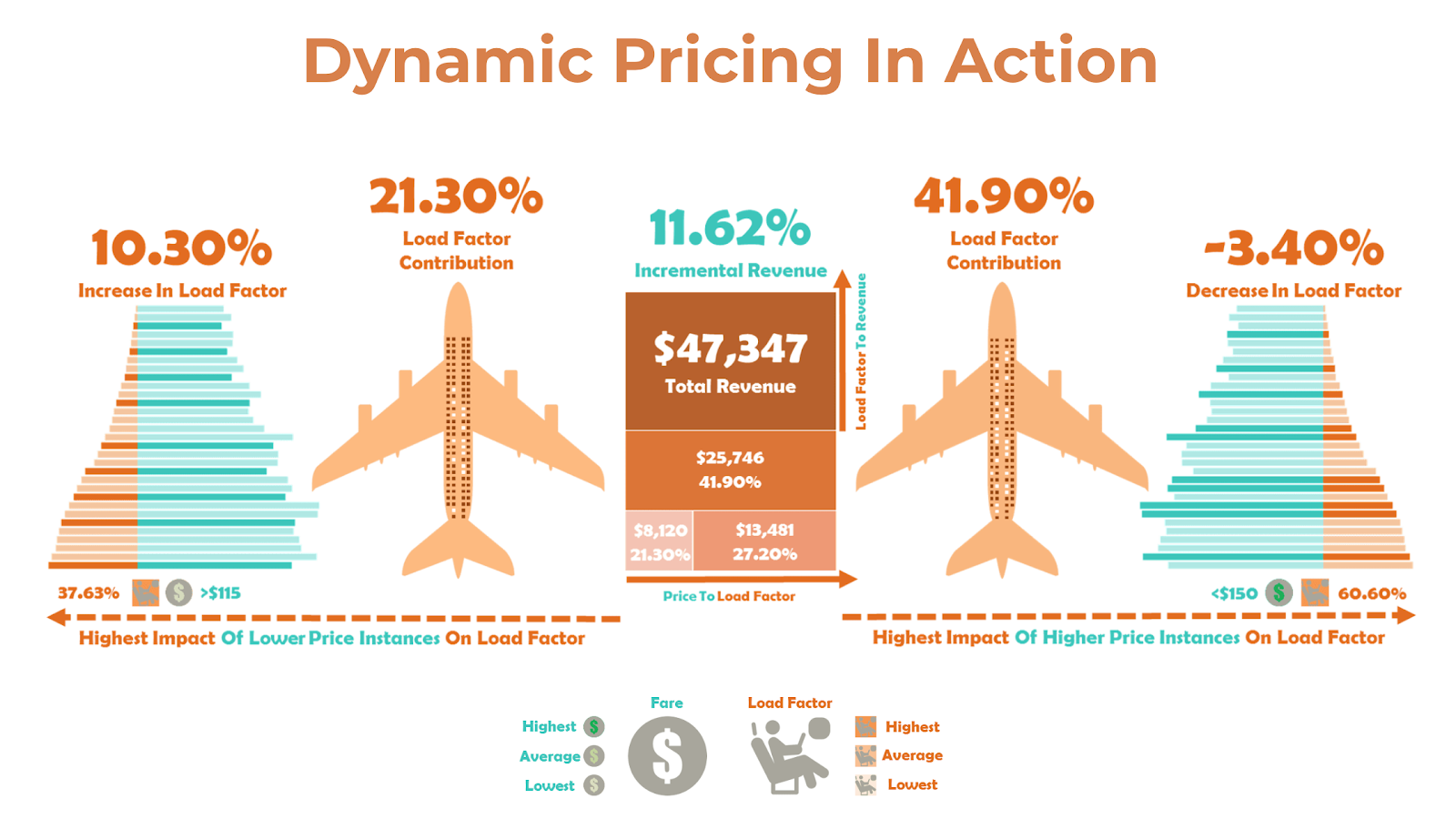
To understand why a flight from New York to London might cost $400 one day and $1,400 the next, one must look at the principles of yield management and dynamic pricing. From a financial perspective, an airline seat is a highly perishable asset. Once the cabin door closes, the value of an empty seat drops to zero. Consequently, airlines employ sophisticated economic models to maximize the revenue generated from every available “seat-mile.”
Supply, Demand, and the Elasticity of Travel
The primary driver of ticket costs is the fundamental law of supply and demand. However, in the aviation industry, this is complicated by “price elasticity.” Business travelers, who often book last-minute and have fixed schedules, have low price elasticity; they are willing to pay a premium for convenience. Leisure travelers, conversely, have high price elasticity and are more likely to change their plans based on cost.
Airlines segment their inventory into “fare buckets.” Even within the same economy cabin, there may be ten different price points for the same service. As the cheaper buckets are filled by early-bird planners, the remaining tickets transition into higher-priced buckets. This is why “how much” a ticket costs is heavily dependent on the timing of the transaction relative to the departure date.
The Impact of Macroeconomic Factors
The base price of a plane ticket is anchored by several macro-financial variables. Fuel costs typically represent 20% to 30% of an airline’s operating expenses. When global oil prices rise, airlines often implement fuel surcharges or raise base fares to protect their profit margins.
Furthermore, inflation plays a significant role. As the costs of labor, aircraft maintenance, and airport landing fees increase, these costs are invariably passed down to the consumer. For those tracking their personal net worth, it is essential to recognize that airfare inflation often moves at a different pace than the general Consumer Price Index (CPI), making travel a variable that requires active financial monitoring.
Integrating Travel Costs into Your Personal Finance Strategy
Because plane tickets are a significant discretionary expense, they should be managed with the same rigor as an investment portfolio or a retirement account. High-net-worth individuals and savvy budgeters alike recognize that the “cost” of a ticket is not just the sticker price, but the opportunity cost of that capital.
Sinking Funds: The Smart Way to Save for Airfare
Rather than relying on credit card debt or dipping into emergency savings when a travel opportunity arises, financial experts recommend the use of “sinking funds.” A sinking fund is a strategic way to save for a specific, known expense over time.
By identifying your annual travel goals—for example, two domestic trips and one international trip—you can estimate a total yearly cost (e.g., $3,000). Dividing this by twelve allows you to automate a monthly transfer of $250 into a high-yield savings account. This approach transforms a volatile, high-cost expense into a manageable, fixed monthly line item, ensuring that the “cost” of a plane ticket never disrupts your long-term financial stability.
Analyzing the Hidden Costs and Fees
When asking how much a plane ticket is, the “unbundled” pricing model of modern carriers must be considered. The advertised fare is often just the beginning. From a business finance perspective, airlines have shifted toward “ancillary revenue”—fees for baggage, seat selection, priority boarding, and in-flight services.
To calculate the true financial impact of a flight, a traveler must perform a “Total Cost of Ownership” (TCO) analysis. A $200 ticket on a low-cost carrier might end up costing $350 after accounting for baggage fees and transportation from a secondary airport. Conversely, a $320 ticket on a legacy carrier that includes these amenities might offer better financial value. Understanding these nuances is critical for accurate budgeting.
Market Volatility: Why Plane Ticket Prices Fluctuate
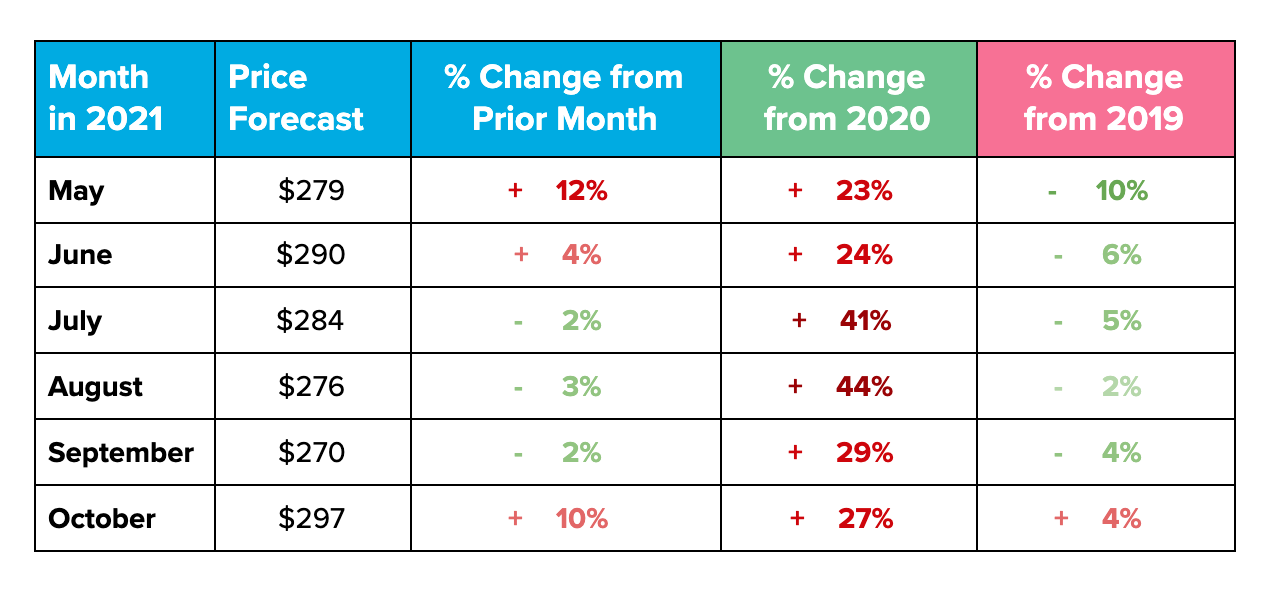
The aviation market is notoriously volatile, influenced by factors ranging from geopolitical stability to seasonal cycles. This volatility means that the “market rate” for a ticket is constantly in flux, requiring a proactive approach to timing and procurement.
Seasonality and the Financial Calendar
The cost of airfare follows a predictable, albeit aggressive, seasonal calendar. During “peak” periods—such as summer holidays, December festivities, or major sporting events—demand reaches a ceiling, allowing airlines to command maximum prices. Financially, booking during “shoulder seasons” (the period between peak and off-peak) offers the best return on investment.
For example, traveling in late September or early May often results in a 30% to 50% reduction in ticket costs compared to July or August. For those focused on wealth preservation, aligning travel with these lower-cost windows is one of the most effective ways to reduce annual expenditures without sacrificing the quality of the experience.
The Risk of Last-Minute Procurement
In many industries, buying “last-minute” results in a discount as sellers try to clear inventory. In the airline industry, the opposite is usually true. Because airlines know that last-minute travelers are often corporate flyers with expense accounts or individuals dealing with emergencies, they price these tickets at a massive premium.
From a financial planning perspective, booking a flight less than 21 days before departure is a high-risk move that can lead to paying 2x to 5x the standard market rate. To maintain a disciplined budget, setting “booking triggers” or alerts when prices hit a historical low for a specific route is a sound financial tactic.
Leveraging Financial Tools and Rewards Systems
In the world of personal finance, travel is often subsidized by the strategic use of financial instruments. Credit card rewards, frequent flyer miles, and “travel arbitrage” can significantly alter the answer to “how much are plane tickets?”
Optimizing Travel Rewards as an Asset Class
For many, frequent flyer miles and credit card points act as a secondary currency. When managed correctly, these points can have a valuation of 1.5 to 2.5 cents per point. For a business owner with high monthly expenses, the “cost” of a first-class international ticket might effectively be zero (out of pocket) if paid for with points earned through business operations.
However, it is vital to treat these points as a devaluing asset. Unlike the stock market, where assets tend to appreciate, airline miles are frequently “devalued” as airlines increase the number of miles required for a flight. The savvy financial move is to “earn and burn”—collecting points through strategic spending and using them promptly to offset the high costs of airfare.
Value vs. Price: The ROI of Cabin Classes
Finally, when determining how much to spend on a ticket, one must consider the Return on Investment (ROI). This is particularly relevant when deciding between Economy, Premium Economy, and Business Class.
For a six-hour daytime flight, the price jump to Business Class may not yield a significant financial return in terms of productivity or comfort. However, for a 14-hour overnight flight arriving before a high-stakes business meeting, the extra $2,000 for a lie-flat bed might be a justifiable business expense. In this context, the “cost” of the ticket is weighed against the value of the traveler’s time and their physical ability to perform their duties upon arrival.
Conclusion: The Holistic View of Airfare Costs
The answer to “how much are plane tickets” is a moving target, defined by a mixture of global economics, individual timing, and financial strategy. By viewing airfare through the lens of personal finance and economic theory, travelers can move beyond the frustration of fluctuating prices.
Whether it is through the disciplined use of sinking funds, the strategic timing of purchases during shoulder seasons, or the optimization of travel rewards, managing the cost of flight is an exercise in financial literacy. Ultimately, a plane ticket is an investment in global mobility, and like any investment, it yields the best results when approached with data-driven insights and a long-term financial perspective.
aViewFromTheCave is a participant in the Amazon Services LLC Associates Program, an affiliate advertising program designed to provide a means for sites to earn advertising fees by advertising and linking to Amazon.com. Amazon, the Amazon logo, AmazonSupply, and the AmazonSupply logo are trademarks of Amazon.com, Inc. or its affiliates. As an Amazon Associate we earn affiliate commissions from qualifying purchases.