
The culinary world is a rich tapestry of flavors, textures, and aromas, and among the most evocative is what is commonly referred to as “gamey taste.” It’s a descriptor that conjures images of wild landscapes, robust profiles, and a certain untamed essence. For chefs, food producers, and most importantly, for brands aiming to capture a specific market segment, understanding “gamey taste” is not merely about identifying a flavor. It’s about understanding a complex interplay of sensory attributes that can significantly shape brand identity, product positioning, and consumer appeal.
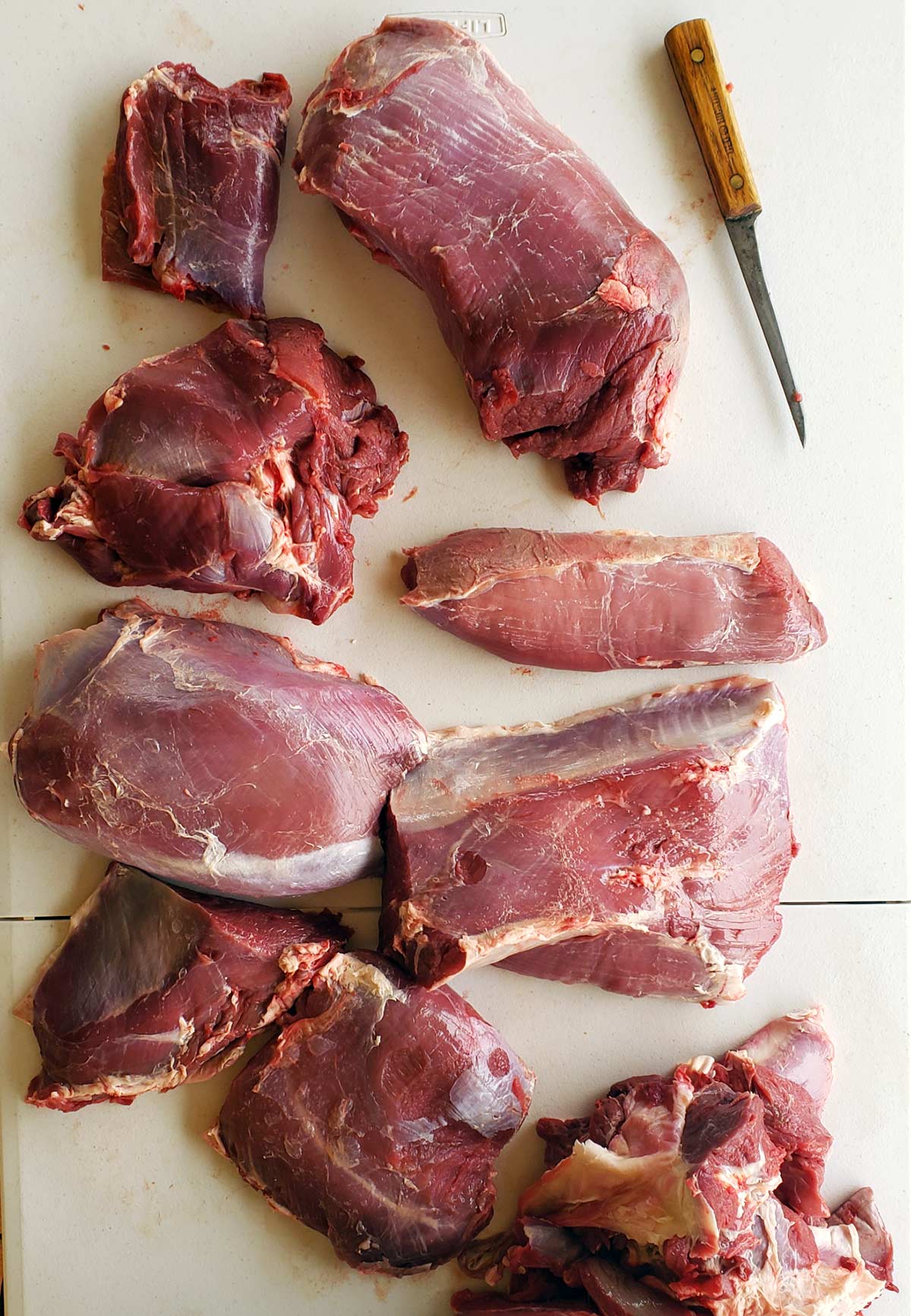
In the realm of branding, taste is a powerful, albeit often intangible, element. It’s the ultimate arbiter of product success, the direct conduit to consumer satisfaction, and a critical differentiator in a crowded marketplace. When a brand ventures into products that exhibit “gamey” characteristics, whether it’s actual game meats, or products that aim to evoke a similar sensory profile, they are tapping into a specific set of expectations and associations. This isn’t just about delivering a flavor; it’s about crafting an experience, building an aura, and communicating a story through the palate.
The Sensory Spectrum of Gamey Taste
At its core, “gamey taste” refers to the distinct, often stronger, and more pungent flavor profile found in certain meats that have lived a wilder existence, such as venison, rabbit, duck, and boar. This distinctiveness stems from a variety of biological and environmental factors. However, for branding purposes, it’s crucial to dissect these elements and understand how they translate into consumer perception and how brands can leverage them.
Biological Underpinnings and Flavor Development
The primary drivers of gamey taste are rooted in the animal’s diet, muscle composition, and fat content. Animals that forage freely on diverse vegetation, herbs, and even insects tend to develop more complex flavor compounds. This contrasts with commercially raised livestock, which often have a more standardized diet, resulting in a milder, more predictable taste. For instance, the higher levels of myoglobin in the muscles of active, wild animals contribute to their darker color and richer flavor. Similarly, the fat composition of game meats can differ significantly, with some being leaner and others possessing a distinct richness that contributes to the overall “gamey” experience.
- Dietary Influence: The specific plants, grasses, and forages consumed by wild animals directly impact the aromatic compounds that are metabolized and stored within their tissues. A diet rich in certain herbs or berries will impart subtle notes, while a diet emphasizing fibrous vegetation can lead to a more earthy or herbaceous undertone. Brands that source game meat often highlight the animal’s natural diet as a key selling point, connecting the product to its origin and promoting a perception of naturalness and authenticity.
- Muscle Activity and Fat Metabolism: Wild animals are generally more active than their domesticated counterparts, leading to more developed muscle fibers and a different fat metabolism. This can result in a denser texture and a more concentrated flavor. The way fat is distributed and its chemical composition also play a role in mouthfeel and the release of aromatic compounds during cooking, both of which are vital components of the gamey taste experience.
- Age and Maturity: The age of the animal can also influence the intensity of gamey flavors. Older animals, particularly males, can develop a more pronounced “gamey” character due to hormonal influences and a lifetime of varied diet and activity. This is a nuanced aspect that brands must carefully consider when marketing game products, as it can appeal to connoisseurs but may deter those seeking milder flavors.
Beyond Meat: The Evocation of Gamey Notes
While “gamey taste” is most directly associated with game meats, the concept can be extended and evoked in other culinary applications and brand messaging. This is where branding truly comes into play, allowing for creative interpretation and broader market appeal.
- Herbal and Earthy Profiles: The characteristic notes of gamey flavors often include earthy, herbaceous, and even slightly metallic undertones. Brands can leverage these associations by incorporating ingredients like wild mushrooms, root vegetables, juniper berries, thyme, rosemary, and other robust herbs into their products. These additions don’t necessarily mean the product is “gamey” in the traditional sense, but they can create a sensory echo, a suggestion of the wild and untamed.
- Aged and Fermented Products: The development of complex flavors through aging and fermentation in products like certain cheeses, cured meats, or even aged spirits can create profiles that resonate with the characteristics of gamey taste. These processes break down proteins and fats, developing deeper, more nuanced, and sometimes pungent notes that can be perceived as similar to the richness and intensity of game. Brands in these categories can draw parallels to the natural aging and foraging processes of game animals to enhance their narrative.
The Branding Implications of Gamey Taste
For brands, understanding and effectively communicating “gamey taste” is a strategic imperative. It’s about more than just taste; it’s about creating a brand narrative, targeting a specific audience, and differentiating a product in a competitive landscape. The appeal of “gamey” is often rooted in its association with authenticity, tradition, and a connection to nature.
Crafting a Brand Identity Around Gamey Flavors
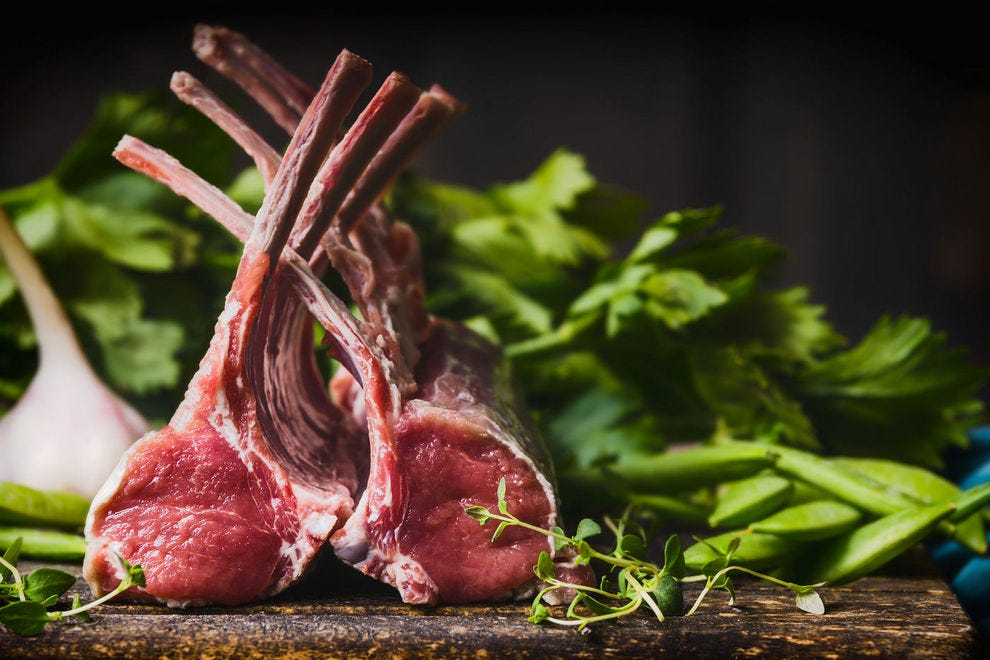
Brands that feature game meats or products with gamey characteristics have a unique opportunity to build a powerful and distinct brand identity. This often involves leveraging the inherent qualities of these flavors to create a perception of ruggedness, authenticity, and gourmet appeal.
- Authenticity and Provenance: The inherent wildness and natural sourcing of game meats lend themselves to powerful branding centered on authenticity and provenance. Brands can highlight the origin of their game, the wild landscapes from which it comes, and the traditional methods of hunting and preparation. This taps into a consumer desire for natural, unprocessed, and ethically sourced food. The narrative of the “hunt” or the “wild” can be a potent storytelling tool.
- Gourmet and Artisanal Positioning: The unique flavor profile of game meats often positions them as premium or gourmet products. Brands can capitalize on this by emphasizing the culinary sophistication associated with these flavors. This might involve partnering with renowned chefs, developing high-end packaging, and marketing through culinary channels. The “gamey” aspect becomes a marker of a discerning palate and an appreciation for complex, nuanced flavors.
- Targeting Niche Markets: The appeal of gamey taste is not universal. It often resonates with specific consumer segments who are adventurous eaters, appreciate traditional cuisine, or seek out unique culinary experiences. Brands can effectively target these niches by tailoring their marketing messages, product offerings, and distribution channels to reach these discerning consumers. This could involve participating in food festivals, partnering with specialty retailers, or engaging with online communities focused on gastronomy and outdoor lifestyles.
Marketing Strategies for Gamey Products
Successfully marketing products with “gamey taste” requires a nuanced approach that acknowledges both its allure and its potential for unfamiliarity. The strategy must educate, entice, and assure consumers.
- Educating the Consumer: For many consumers, game meat is unfamiliar territory. Brands have a responsibility to educate their audience about what gamey taste is, how it differs from more common meats, and how to best prepare and enjoy it. This can be achieved through website content, recipe suggestions, cooking guides, and social media campaigns. Transparency about sourcing and preparation methods can also build trust.
- Sensory Storytelling: Beyond factual descriptions, brands must engage in sensory storytelling. This involves using evocative language, imagery, and even sound to convey the experience of consuming gamey products. Think of words like “robust,” “earthy,” “wild,” “rich,” and “succulent.” Visuals of natural landscapes, traditional kitchens, and beautifully prepared dishes can further enhance this sensory narrative.
- Highlighting Versatility and Pairings: Addressing potential consumer hesatives often involves demonstrating the versatility of gamey products. Showcasing how game meats can be incorporated into familiar dishes, or suggesting ideal beverage pairings (like robust red wines or craft beers), can make these products more approachable and appealing to a wider audience. This demystifies the perceived challenge of cooking with game.
- Building Trust Through Quality and Consistency: For products whose appeal lies in their distinctiveness, consistency and quality are paramount. Brands must ensure that their gamey products deliver a reliable and enjoyable experience. This builds trust and encourages repeat purchases, turning occasional consumers into loyal advocates.
The Nuances of Perception and Consumer Acceptance
“Gamey taste” is inherently subjective and can evoke different reactions in different individuals. While some find it a highly desirable, complex flavor, others may perceive it as unpleasant or “off.” Understanding these varying perceptions is crucial for brands.
Subjectivity and Palate Development
The perception of “gamey taste” is heavily influenced by individual palates, cultural backgrounds, and exposure to different foods. What one person finds excitingly robust, another might find overpowering or even off-putting. This subjectivity is a challenge and an opportunity for brands.
- Cultural Context: In many European cultures, game meats are a staple and highly prized. In other regions, they might be considered more exotic or less familiar. Brands operating in diverse markets need to be sensitive to these cultural differences and tailor their messaging accordingly. What is considered a sophisticated delicacy in one country might require extensive introduction in another.
- Acquired Taste: For many, the appreciation of “gamey taste” is an acquired one. Exposure to well-prepared game dishes and positive culinary experiences can gradually shift perception. Brands can play a role in fostering this by offering introductory products or curated tasting experiences that ease consumers into the complex flavor profiles.
- Positive vs. Negative Associations: The term “gamey” can sometimes carry negative connotations, implying spoilage or an unpleasant odor. Brands must actively work to counter these associations by emphasizing the freshness, quality, and specific desirable characteristics of their gamey products. They need to redefine “gamey” as a descriptor of rich, natural flavor rather than something undesirable.

Managing Perceptions and Building Brand Loyalty
For brands associated with “gamey taste,” managing consumer perception is an ongoing process that can lead to strong brand loyalty among those who appreciate the unique sensory experience.
- Transparency and Honesty: Being upfront about the nature of the product is vital. Brands that are transparent about the sourcing and preparation of their gamey offerings build trust. This honesty can also help consumers understand what to expect and appreciate the unique qualities of the product.
- Community Building: Creating a community around the appreciation of gamey flavors can be incredibly effective. This could involve online forums, social media groups, or even exclusive tasting events where enthusiasts can share their experiences and learn from each other. This fosters a sense of belonging and shared appreciation.
- The Power of Taste Panels and Feedback: Actively seeking and incorporating consumer feedback is essential. Taste panels and direct customer engagement can provide invaluable insights into what consumers like and dislike, allowing brands to refine their products and marketing strategies. Positive testimonials and endorsements from satisfied customers are also powerful tools for building credibility.
In conclusion, “gamey taste” is far more than just a flavor descriptor. It represents a complex sensory experience deeply entwined with notions of nature, authenticity, and culinary adventure. For brands, understanding and strategically leveraging this “gamey” essence can unlock significant opportunities for differentiation, niche market capture, and the cultivation of a loyal customer base. By focusing on authentic storytelling, educating consumers, and embracing the nuanced perceptions of taste, brands can transform the unique allure of “gamey taste” into a powerful driver of brand success.
aViewFromTheCave is a participant in the Amazon Services LLC Associates Program, an affiliate advertising program designed to provide a means for sites to earn advertising fees by advertising and linking to Amazon.com. Amazon, the Amazon logo, AmazonSupply, and the AmazonSupply logo are trademarks of Amazon.com, Inc. or its affiliates. As an Amazon Associate we earn affiliate commissions from qualifying purchases.