
In the intricate world of personal finance and banking, understanding the fundamental components of financial instruments is paramount. Among the most essential pieces of information for managing your money, setting up direct deposits, or making payments is your bank account number. While it might seem like a straightforward detail, accurately identifying your account number on a check can sometimes be a source of confusion, especially when surrounded by other numerical sequences. This comprehensive guide aims to demystify the process, providing clear, actionable insights into locating your account number and understanding its significance in your financial life.
Your account number is more than just a series of digits; it’s a unique identifier that points directly to your specific checking or savings account within your financial institution. It acts as the digital address for your money, enabling smooth transactions, secure fund transfers, and efficient financial management. Whether you’re a new account holder or simply need a refresher, mastering the art of reading your check is a foundational step in becoming financially literate and secure.
Decoding the Anatomy of a Check
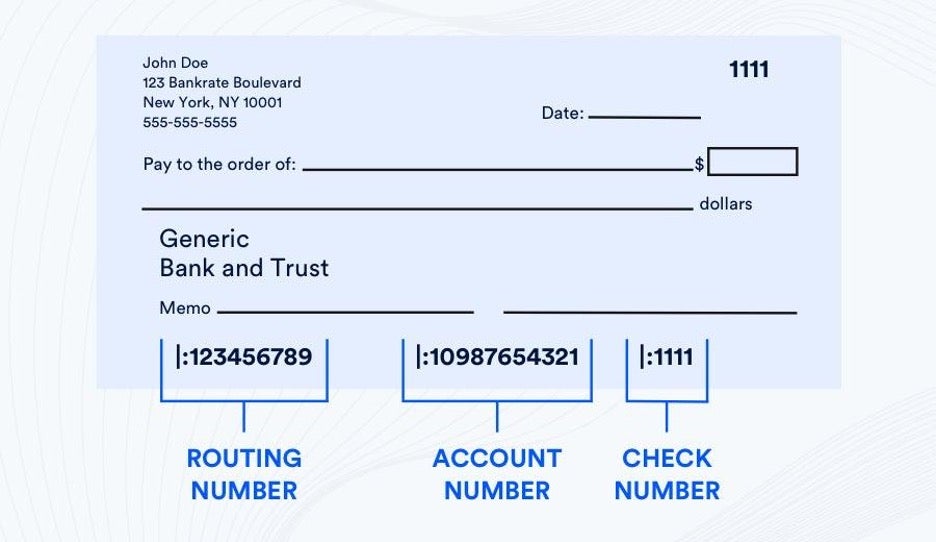
To effectively locate your account number, it’s crucial to first understand the overall structure and the various numerical components printed on a standard check. Every element serves a specific purpose, from identifying your bank to tracking individual transactions. The most critical section for our purpose lies at the very bottom of the check, known as the Magnetic Ink Character Recognition (MICR) line.
The Magnetic Ink Character Recognition (MICR) Line
The MICR line is a specialized string of characters printed in magnetic ink, designed to be read quickly and accurately by automated check-processing machines. This unique ink allows the numbers to be scanned even if other parts of the check are obscured or damaged, ensuring efficient handling by banks. Without this technology, the sheer volume of checks processed daily would be unmanageable. The MICR line is universally standardized across most banking systems, making it a reliable place to find key banking information. It’s usually distinguishable by its distinctive font, which looks slightly blockier and more stylized than the regular text on the check.
Understanding the Three Key Number Groups
Within the MICR line, you’ll typically find three distinct groups of numbers, each separated by a specific symbol. These groups are consistently arranged and, once identified, make locating your account number straightforward.
-
The Routing Number (First Group): This is usually the first set of nine digits on the far left of the MICR line. The routing number serves as a unique identifier for your bank or credit union within the U.S. financial system. It directs payments and transfers to the correct financial institution. Think of it as the “street address” for your bank. Different branches of the same bank might share the same routing number, or they might have different ones depending on their region or specific services. You’ll need this number for setting up direct deposits, wire transfers, and automatic bill payments.
-
The Account Number (Second Group): Positioned immediately after the routing number, this is the sequence you’re looking for. The account number is the specific identifier for your individual checking or savings account at your bank. Its length can vary significantly, typically ranging from 10 to 12 digits, but sometimes fewer or more depending on the financial institution. This number is unique to your specific account and distinguishes it from every other account held at your bank. It’s the “apartment number” within the bank’s “building.” This is the number you’ll provide when setting up payroll direct deposits, initiating ACH transfers, or linking external accounts.
-
The Check Number (Third Group): The last set of numbers on the MICR line, usually consisting of three or four digits, is the individual check number. This number is unique to that specific physical check and matches the number printed in the top right corner of the check. It’s used for record-keeping and reconciliation purposes, helping you track which checks you’ve written and when they’ve cleared. For example, if you write check #101, this number will appear both in the top right and as the third group in the MICR line.
Visual Cues and Placement
On a standard personal check, these three number groups are printed along the bottom edge, almost always in the same order: routing number, then account number, then check number. The distinctive MICR font and the clear separators between each group make them relatively easy to distinguish once you know what to look for. Sometimes, the check number might appear before the routing and account number on the MICR line, but this is less common for standard personal checks issued by major banks. Always focus on the unique font and the sequential order to accurately pinpoint each identifier.
Step-by-Step Guide to Locating Your Account Number
With a foundational understanding of check anatomy, finding your account number becomes a simple, methodical process. Follow these steps to confidently identify the correct digits.
Obtain a Voided or Unused Check
The safest and most accurate way to find your account number is by looking at one of your own checks. Ideally, use a voided check or an unused check from your checkbook. Avoid using a check that has already been cashed or deposited, as it might contain markings or stamps that could obscure the numbers. If you don’t have a physical check handy, keep in mind that the information will also be available through other methods, which we’ll discuss later.
Identify the MICR Line at the Bottom
Hold your check horizontally and look at the very bottom edge. You will see a line of numbers printed in a slightly unique, blocky font. This is the MICR line, essential for automated processing. It’s usually distinct from any other text printed on the check.
Pinpoint the Account Number
Once you’ve located the MICR line, identify the three distinct groups of numbers.
- The first group on the far left, usually nine digits long, is your bank’s routing number.
- The second group of numbers, typically found in the middle section of the MICR line (between the routing number and the check number), is your account number. This sequence is unique to your specific bank account.
- The third group on the far right is the individual check number, which matches the number in the upper right corner of the check.
For example, a common MICR line might look like this:
⑆012345678⑆1234567890⑆101⑇
In this example:
- 012345678 is the Routing Number.
- 1234567890 is the Account Number.
- 101 is the Check Number.
The specific delimiters (the small symbols resembling vertical lines and squares) might vary slightly between banks, but their purpose is always to separate these three key pieces of information.
Differentiating from Other Numbers
It’s crucial not to confuse your account number with your bank’s routing number or the individual check number. The routing number identifies your bank, not your specific account. The check number identifies that particular piece of paper, not the account it draws from. Your account number is the unique identifier for your funds. Always double-check that you’ve selected the correct sequence, especially when entering it for critical transactions like direct deposit. A misplaced digit or selecting the wrong number could lead to significant delays or even funds being sent to the wrong destination.
Why Your Account Number Is Crucial for Financial Management
Understanding and knowing your account number is far from a mere academic exercise; it’s a fundamental aspect of modern financial management. This unique identifier underpins many essential banking operations, making it a cornerstone of both personal and business finance.
Setting Up Direct Deposit and Automatic Payments
One of the most common and vital uses for your account number is setting up direct deposit. Whether it’s your paycheck, government benefits, or tax refunds, direct deposit ensures funds are transferred electronically and securely into your account, often making them available sooner than paper checks. Similarly, automating bill payments for utilities, loans, or subscriptions often requires your account number alongside your bank’s routing number. This allows merchants or service providers to directly debit your account, ensuring timely payments and avoiding late fees.
Facilitating Electronic Funds Transfers (EFTs)
Beyond direct deposit, your account number is central to various Electronic Funds Transfers (EFTs). This includes Automated Clearing House (ACH) transactions, which are electronic payments processed through the ACH network, such as transferring money between your own accounts at different banks, sending money to friends or family, or making online payments. For larger or international transfers, wire transfers also heavily rely on accurate account numbers to ensure funds reach the intended recipient securely and efficiently. Without a correct account number, these essential digital transfers simply cannot occur.

Handling Business Transactions
For entrepreneurs, small business owners, and large corporations alike, account numbers are indispensable. Businesses use them to receive payments from clients, manage payroll for employees (via direct deposit), pay vendors, and reconcile their financial records. Ensuring accurate account numbers for all business-related transactions prevents delays in cash flow, maintains vendor relationships, and ensures employees are paid on time. It’s a critical component of robust business finance infrastructure.
Account Verification and Security
While you should always treat your account number with care, it also plays a role in verifying your identity for certain banking services. When contacting your bank’s customer service or setting up new financial products, you might be asked to provide your account number (among other details) to confirm your identity. It’s part of a multi-layered security approach, helping your bank ensure that they are interacting with the legitimate account holder before disclosing sensitive information or performing transactions.
Best Practices for Handling and Protecting Your Account Information
Given its critical role, safeguarding your account number and related banking details is paramount. Financial security begins with informed practices.
The Importance of Discretion
Your account number, combined with your bank’s routing number, can potentially be used to initiate transactions from your account. While safeguards exist, it’s crucial to exercise discretion when sharing this information. Treat your account number like a semi-sensitive piece of data – more sensitive than your name, but less sensitive than your Social Security number or debit card PIN. Avoid broadcasting it publicly or sharing it with unverified sources.
Secure Storage of Checks and Financial Documents
Keep your checkbook, voided checks, and any financial statements containing your account number in a secure location. This might be a locked drawer, a home safe, or a secure digital folder for electronic documents. Avoid leaving loose checks or financial paperwork lying around where they could be easily accessed by unauthorized individuals. When disposing of old checks or statements, always shred them thoroughly to prevent identity theft.
When and How to Share Safely
There are legitimate instances where you will need to share your account number:
- Employer for direct deposit: Provide it on an official direct deposit form, often with a voided check.
- Reputable billers for automatic payments: Use secure online portals or authorized forms.
- Financial institutions for transfers or account linking: Utilize secure bank-provided platforms or verify identity thoroughly via phone.
- Wire transfers: Ensure you are dealing with a trusted recipient and verify all details.
Always ensure you are communicating through secure, encrypted channels or directly with verified representatives of the institution you are dealing with. Be wary of requests for this information via unsolicited emails or unverified phone calls.
Recognizing and Preventing Fraud
Fraudsters often attempt to trick individuals into divulging banking information. Be suspicious of any unsolicited requests for your account number, especially those threatening consequences if you don’t comply. Phishing emails, deceptive websites, and imposter scams are common tactics. Your bank will generally not ask for your full account number via email or text message. Always verify the authenticity of any request through an independent source, such as calling your bank directly using a number from their official website.
What to Do If Your Account Number is Compromised
If you suspect your account number has been compromised or misused, act swiftly:
- Contact your bank immediately: Explain the situation and follow their instructions. They may recommend closing the account and opening a new one.
- Monitor your account statements: Scrutinize all transactions for any unauthorized activity.
- Review your credit report: Check for any new accounts opened in your name.
- Consider placing a fraud alert: With credit bureaus to add an extra layer of protection.
Prompt action can limit potential financial damage and protect your identity.
Alternatives to Finding Your Account Number on a Check
While a physical check is the most direct way to find your account number, it’s not the only method. In today’s digital banking landscape, several convenient alternatives exist.
Online Banking Portals
Most financial institutions offer robust online banking platforms. After logging into your account, you can typically find your account number listed under the account details, summary, or profile section for your specific checking or savings account. This is often the quickest and most accessible method if you have internet access.
Bank Statements
Your monthly or quarterly bank statements, whether physical mail or e-statements, will always display your full account number, usually near the top of the statement along with your name and address. This is a reliable source, but perhaps not as immediate as online banking.
Mobile Banking Apps
Many banks have sophisticated mobile apps that mirror the functionality of their online portals. Once logged into your banking app on your smartphone, navigate to the specific account, and you should find the account number listed within the account details. This offers convenience on the go.
Contacting Your Bank Directly
If digital methods aren’t available or you’re still unsure, you can always contact your bank’s customer service. You’ll need to verify your identity through security questions, but a representative will be able to provide your account number over the phone or guide you to where you can find it. You can also visit a local branch in person with a valid ID.
Debit Card – A Common Misconception
It’s a common misconception that your debit card contains your full bank account number. While your debit card is linked to your checking account, the long number printed on the front of your debit card is a card number, which is different from your bank account number. The card number is used for processing debit card transactions, whereas your bank account number is used for direct deposits, ACH transfers, and check processing. Never confuse the two, as they serve entirely different functions.

Conclusion
Understanding how to accurately locate your bank account number on a check is a fundamental skill for effective personal and business financial management. By familiarizing yourself with the MICR line and the distinct numerical groups for routing, account, and check numbers, you gain the confidence to handle essential financial tasks like setting up direct deposits, automating payments, and facilitating electronic transfers.
Beyond simply finding the numbers, it’s equally important to adopt best practices for protecting this sensitive information. In an increasingly digital world, vigilance against fraud and a commitment to secure handling of your financial details are non-negotiable. With the convenience of online banking, mobile apps, and direct bank contact, finding your account number has never been easier, even without a physical check. Empower yourself with this knowledge, and take another confident step towards mastering your financial landscape.
aViewFromTheCave is a participant in the Amazon Services LLC Associates Program, an affiliate advertising program designed to provide a means for sites to earn advertising fees by advertising and linking to Amazon.com. Amazon, the Amazon logo, AmazonSupply, and the AmazonSupply logo are trademarks of Amazon.com, Inc. or its affiliates. As an Amazon Associate we earn affiliate commissions from qualifying purchases.