
Elon Musk is a figure who synonymous with modern innovation, but in the world of high-stakes finance, he is primarily viewed through the lens of his equity. As the co-founder and CEO of Tesla, Inc., Musk’s wealth is not stored in a traditional bank account; rather, it is tied to the fluctuating valuation of the world’s most valuable automaker. For investors, financial analysts, and those interested in personal finance, understanding the specificities of Musk’s Tesla holdings provides a masterclass in corporate governance, compensation structures, and market dynamics.
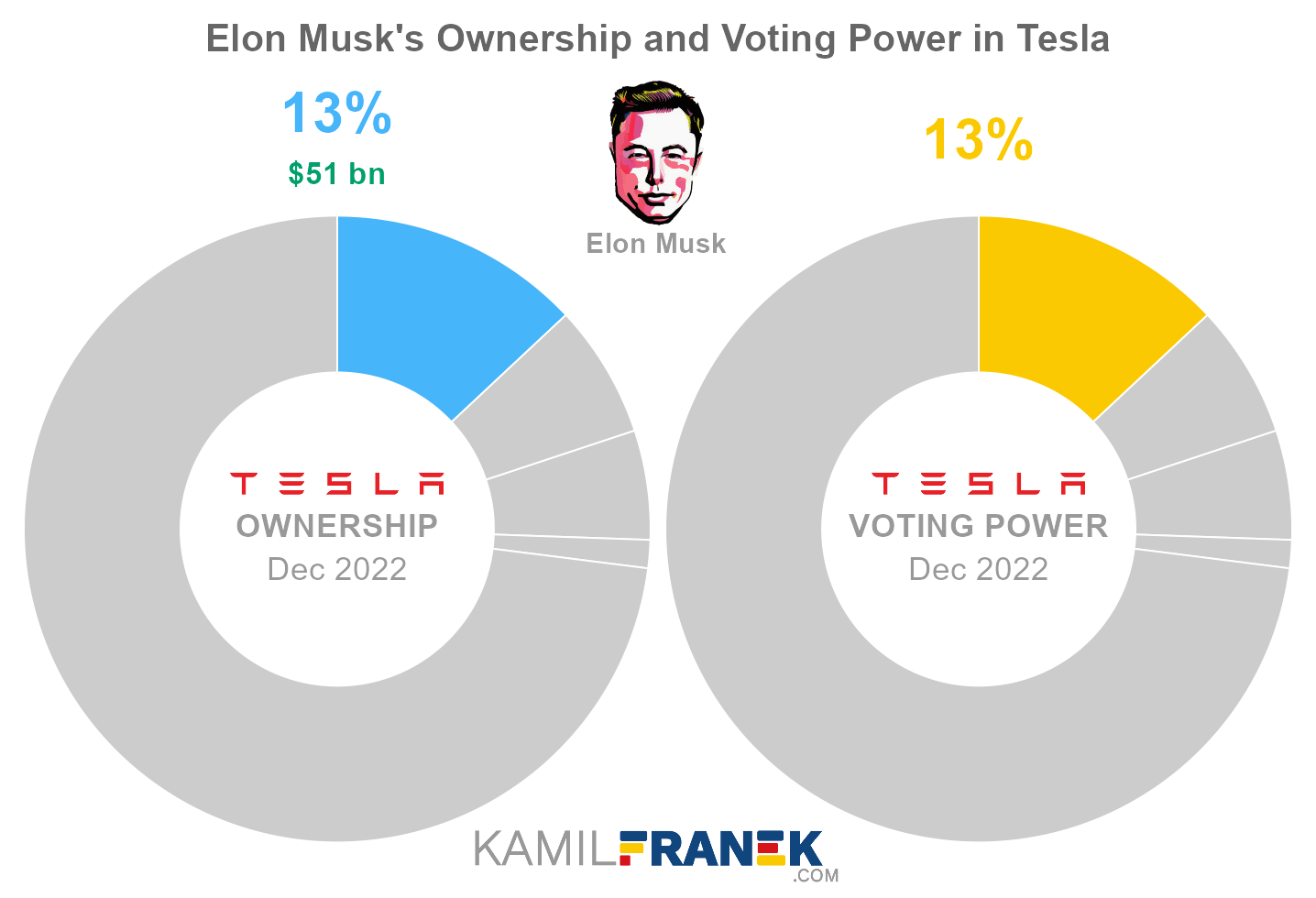
The question of exactly how many shares Elon Musk owns is a moving target, influenced by stock splits, option exercises, and high-profile divestments. As of the most recent regulatory filings in 2024, Elon Musk owns approximately 411 million shares of Tesla common stock, representing roughly 12.8% to 13% of the company’s total outstanding shares. However, the story behind these numbers involves complex financial instruments and strategic maneuvers that define his role within the global economy.
The Evolution of Musk’s Equity Stake
To understand Musk’s current position, one must look at the historical trajectory of his ownership. Musk was not the original founder of Tesla, but his early-stage investment and subsequent leadership transformed the company from a niche startup into a trillion-dollar titan (at its peak).
The Impact of the 2022 Divestments
A significant turning point in Musk’s ownership occurred in 2022. To fund the $44 billion acquisition of Twitter (now X), Musk sold billions of dollars worth of Tesla stock. These sales were a major talking point in the financial world, as they put downward pressure on Tesla’s share price and raised questions about “key man risk.” Before these sales, Musk’s ownership stake was closer to 20%. The reduction to roughly 13% changed the mathematical balance of power within the company’s voting structure.
Stock Splits and Share Counts
For the retail investor, the sheer number of shares Musk owns can be confusing due to Tesla’s history of stock splits. In 2020, Tesla executed a 5-for-1 split, followed by a 3-for-1 split in 2022. While these splits do not change the total value of the holding, they inflate the nominal number of shares. When we say Musk owns over 400 million shares today, it is important to remember that this volume is a reflection of a highly liquid, split-adjusted capital structure designed to make the stock accessible to smaller investors.
The Mechanics of the 2018 CEO Performance Award
One cannot discuss Musk’s shares without addressing his unique compensation model. Musk famously takes no salary from Tesla. Instead, his financial relationship with the company is governed by a series of performance-based option grants, most notably the 2018 CEO Performance Award.
Milestone-Based Incentives
The 2018 package was an “all-or-nothing” bet. It consisted of 12 tranches of stock options that would only vest if Tesla hit specific market capitalization milestones and operational goals (such as revenue and EBITDA targets). At the time, many in the financial sector called the targets “impossible,” as the first milestone required Tesla’s valuation to reach $100 billion—a feat it eventually surpassed many times over.
The Exercise of Options
When these options “vest,” Musk doesn’t automatically own the shares; he earns the right to buy them at a predetermined, much lower price (the strike price). Exercising these options creates a massive tax liability, which is often why Musk sells portions of his holdings—to pay the Internal Revenue Service (IRS). This cycle of exercising options and selling for taxes is a standard part of executive compensation at this level of wealth, yet it frequently triggers volatility in the broader stock market.
Legal Challenges to Compensation
In early 2024, a Delaware judge voided the 2018 compensation package, arguing that the board of directors was not sufficiently independent when it approved the deal. This creates a fascinating financial paradox: if the package remains voided, Musk’s effective ownership and future “unexercised” options could be significantly reduced, potentially bringing his stake down even further unless a new deal is brokered.
Strategic Influence: Why the 25% Threshold Matters
In early 2024, Musk sparked a debate in the financial community by expressing discomfort with growing Tesla into a leader in Artificial Intelligence (AI) and robotics without having approximately 25% voting control.
Voting Power vs. Economic Interest
There is a distinct difference between owning 13% of the company’s equity and having 25% of the voting power. In many tech companies (like Meta or Alphabet), founders have dual-class share structures that give them super-voting rights. Tesla does not have this. Every share Musk owns generally carries one vote. For Musk to reach a 25% voting threshold, he would either need to double his current shareholding or the company would need to issue a new class of stock—a move that often concerns institutional investors who value democratic corporate governance.
AI and the Future of Tesla’s Valuation
From a business finance perspective, Musk’s desire for more shares is tied to the shift in Tesla’s identity. If Tesla is valued as a car company, 13% ownership might be sufficient. However, if Tesla is valued as an AI and robotics firm (via Optimus and Full Self-Driving technology), the stakes for control are much higher. Musk’s argument is that without a 25% stake, he is vulnerable to being outvoted by activist investors or “fickle” proxy advisors who might steer the AI technology in a direction he deems unsafe or counter-productive.
The Impact on Retail and Institutional Investors
Musk’s ownership level is not just a trivia point; it is a critical metric for anyone managing a portfolio that includes Tesla (TSLA) stock. His actions as a majority-individual shareholder have direct consequences on market liquidity and sentiment.
Margin Loans and Collateral
A common practice among the ultra-wealthy is to use their shares as collateral for loans. This allows them to access cash without selling shares and triggering capital gains taxes. However, this introduces “margin call” risk. If Tesla’s stock price were to drop precipitously, Musk might be forced to sell even more shares to cover his loans, potentially creating a “death spiral” for the stock price. Financial analysts keep a close eye on the percentage of Musk’s shares that are pledged as collateral for this very reason.
Institutional Confidence
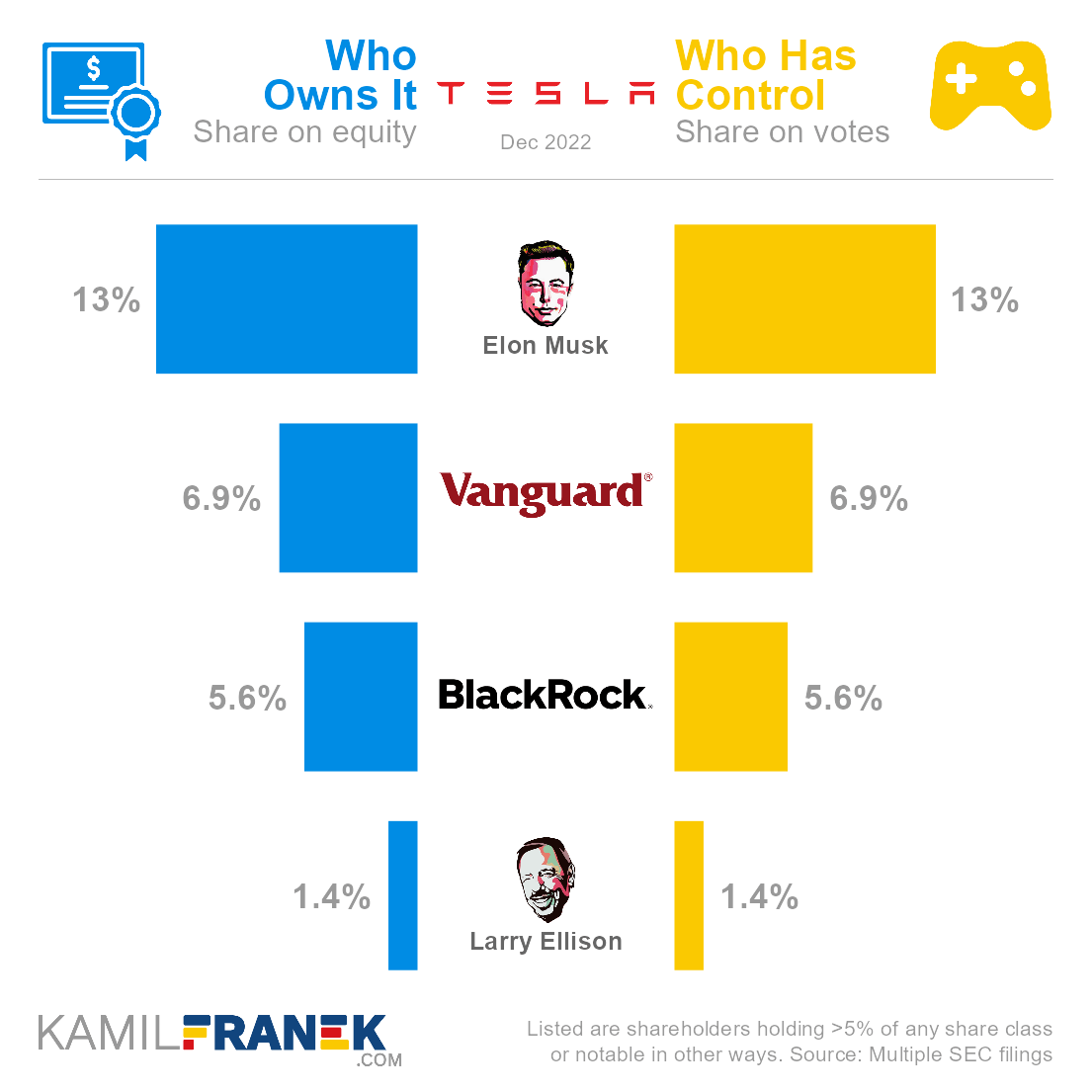
Large institutional investors, such as Vanguard and BlackRock, own significant portions of Tesla. These institutions often look for stability in leadership. When Musk’s ownership fluctuates due to external acquisitions (like Twitter/X) or legal battles over his pay package, it creates an atmosphere of uncertainty. For the personal investor, this means Tesla remains a “high-beta” stock—one that is more volatile than the broader market.

Conclusion: The Future of Musk’s Stake in Tesla
As we look toward the future of Tesla’s capital structure, Elon Musk’s share count will remain a central pillar of the company’s financial narrative. Whether he reaches his goal of 25% control or remains at the ~13% mark depends on the resolution of legal disputes regarding his pay and his own personal investment strategies.
For those focused on the “Money” niche, the takeaway is clear: ownership is more than just a number on a balance sheet. It represents the intersection of voting power, tax strategy, and the personal vision of a founder. Elon Musk’s 411 million shares are the engine behind his influence, and as that number changes, so too does the financial trajectory of one of the most significant companies in the modern era. Investors should continue to monitor SEC Form 4 filings, as these documents provide the most transparent and up-to-date look at how the world’s most famous CEO is managing his most valuable asset.
aViewFromTheCave is a participant in the Amazon Services LLC Associates Program, an affiliate advertising program designed to provide a means for sites to earn advertising fees by advertising and linking to Amazon.com. Amazon, the Amazon logo, AmazonSupply, and the AmazonSupply logo are trademarks of Amazon.com, Inc. or its affiliates. As an Amazon Associate we earn affiliate commissions from qualifying purchases.