
For many investors, checking a brokerage account lately has felt like riding a roller coaster without a safety harness. If you are asking, “What is the stock market doing right now?” you are likely observing a landscape defined by rapid shifts, conflicting economic signals, and a transition away from the “easy money” era of the last decade. Understanding the current state of the market requires looking beyond the daily green or red percentages on a screen; it requires an analysis of interest rates, corporate earnings, and the psychological forces driving global capital.
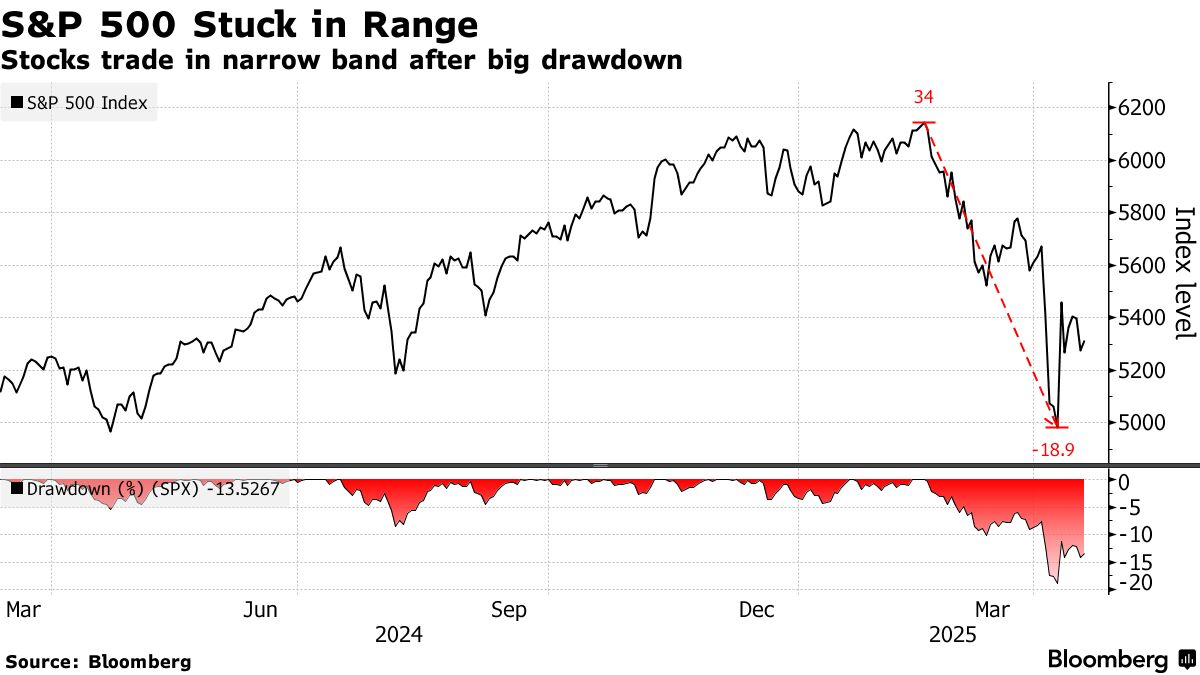
Currently, the stock market is in a state of “recalibration.” It is attempting to find a new equilibrium in a high-interest-rate environment while simultaneously pricing in the transformative potential of emerging technologies. To navigate this, one must dissect the macroeconomic drivers, the specific sectors leading the charge, and the strategic maneuvers necessary to protect and grow wealth in uncertain times.
Macroeconomic Drivers: The Engines Behind Current Market Moves
The broader market is rarely a reflection of individual company success alone; it is a response to the “macro” environment. Right now, the dominant narrative revolves around the central banks and their battle against inflation.
The Role of Interest Rates and Central Bank Policy
For the past two years, the Federal Reserve and other global central banks have been on an aggressive campaign to raise interest rates. The goal was simple: cool down an overheated economy and bring inflation back to a target of 2%. In the current market, every fluctuation is a reaction to whether the Fed is done hiking, whether they will hold rates “higher for longer,” or when they might finally begin to cut.
High interest rates act as a gravity on stock prices. When rates are high, the “discount rate” used to value future corporate cash flows increases, which typically lowers the present value of stocks—especially high-growth tech companies. Furthermore, higher rates make bonds more attractive relative to stocks, causing capital to rotate out of the equity market and into safer, fixed-income assets.
Inflation Data and Consumer Resilience
While inflation has cooled significantly from its 2022 peaks, the market remains hyper-sensitive to Consumer Price Index (CPI) and Personal Consumption Expenditures (PCE) reports. If inflation proves “sticky,” the market reacts poorly, fearing that the economy will need more cooling.
However, a surprising element of the current market is consumer resilience. Despite higher costs for housing, fuel, and groceries, consumer spending has remained remarkably robust. This has prevented the “hard landing” (a severe recession) that many analysts predicted, leading to a market that is cautiously optimistic but remains on a hair-trigger.
Analyzing Sector Performance: Where the Capital is Flowing
The stock market is not a monolith; it is a “market of stocks.” While the major indices like the S&P 500 or the Nasdaq might suggest one direction, a look under the hood reveals a stark divide between different sectors.
The Resurgence of Growth Stocks and the AI Boom
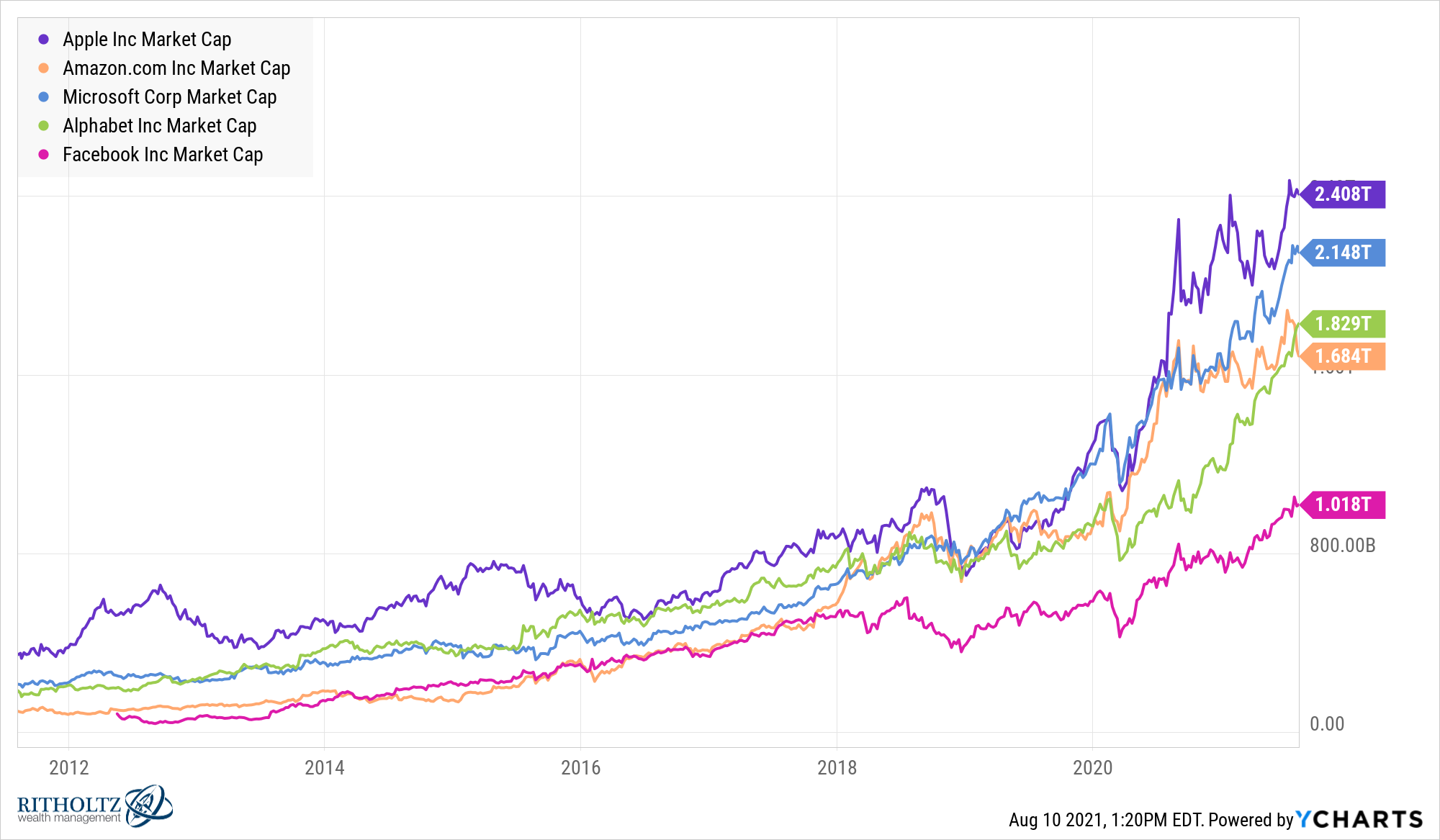
The defining story of the current market is undoubtedly the explosion of Artificial Intelligence (AI). This has created a concentrated rally led by a handful of mega-cap technology firms. While the broader market was sluggish for much of the past year, these “Magnificent Seven” companies—driven by their involvement in AI infrastructure and software—have carried the indices to new heights.
Investors are currently betting that AI will provide a massive productivity boost, similar to the advent of the internet. This has led to high valuations for semiconductor companies and cloud service providers. However, this concentration also presents a risk: if these few giants stumble, they can drag the entire market down with them, regardless of how the other 493 stocks in the S&P 500 are performing.
Defensive Sectors and the Flight to Quality
In contrast to the AI hype, we are seeing a “flight to quality” in other areas of the market. With the threat of an economic slowdown still looming, many investors are rotating into defensive sectors such as Healthcare, Utilities, and Consumer Staples. These industries provide essential services that people utilize regardless of the economic climate, offering a dividend-paying cushion against volatility.
Furthermore, the “Value” segment of the market—companies with strong balance sheets, consistent earnings, and low price-to-earnings (P/E) ratios—is gaining renewed attention. After years of growth stocks dominating the narrative, the current market is beginning to reward fiscal discipline and tangible profitability over “growth at any cost.”
Market Sentiment: Understanding Fear, Greed, and Investor Behavior
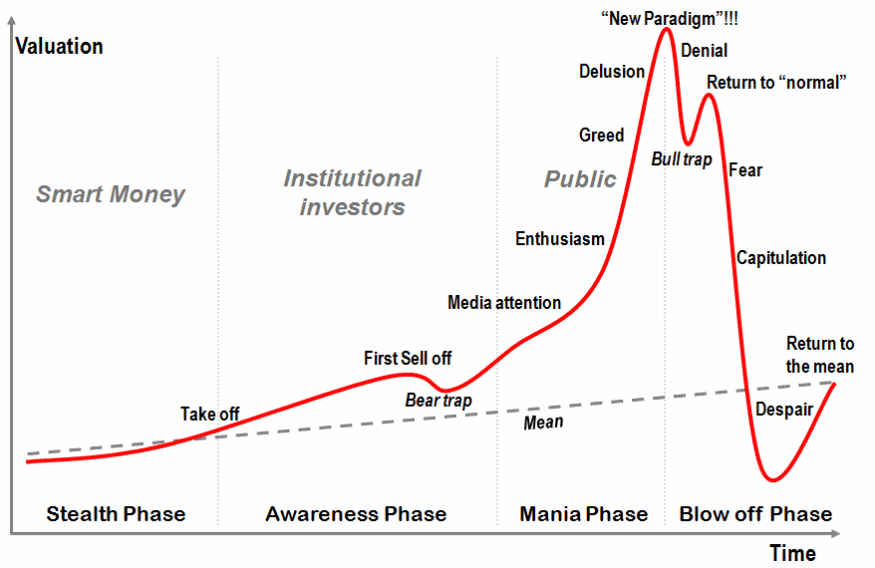
The stock market is often described as a weighing machine in the long run but a voting machine in the short run. Currently, the “votes” are being cast by a mixture of institutional caution and retail enthusiasm.
The Impact of Geopolitical Uncertainty
Markets hate uncertainty, and the current geopolitical climate is rife with it. From conflicts in the Middle East and Eastern Europe to the shifting dynamics of global trade, external shocks are a constant threat to market stability. These events cause “spikes” in the VIX (the market’s volatility index), leading to sudden sell-offs as investors rush to de-risk their portfolios.
Right now, the market is pricing in a “risk premium” for these uncertainties. Any escalation in global tensions tends to send oil prices higher and stock prices lower, as investors fear the inflationary impact of supply chain disruptions.
Retail vs. Institutional Sentiment
There is a fascinating tug-of-war happening between different types of investors. Institutional investors—hedge funds and pension funds—are largely playing a defensive game, hedging their bets and maintaining higher cash balances. On the other hand, retail investors have remained surprisingly bullish, fueled by easy-to-use trading apps and a “buy the dip” mentality that was ingrained during the post-2020 bull run.
This dichotomy often leads to high intra-day volatility. When a piece of news breaks, the algorithms of institutional players might trigger a mass sell-off, while retail investors see it as an opportunity to enter the market at a discount, creating the “sawtooth” patterns we see on daily charts.
Practical Strategies for the Modern Investor
Knowing what the market is doing is only half the battle; the other half is knowing how to react. In a market characterized by high rates and technological transition, passive investing requires a more nuanced approach.
Rebalancing Your Portfolio for Current Conditions
Many investors found their portfolios became “top-heavy” due to the massive gains in tech stocks over the last year. If your portfolio was intended to be 60% stocks and 40% bonds, the recent equity rally might have pushed you to 80% stocks.
“Right now” is an ideal time for rebalancing—selling some of the high-flying winners to lock in profits and moving that capital into undervalued sectors or high-yield cash equivalents. With money market accounts and short-term Treasuries offering some of the highest yields in decades, “sitting on cash” is no longer a losing strategy; it is a viable way to earn a return while waiting for better entry points in the equity market.
The Importance of Long-Term Perspective Amid Short-Term Noise
The most important thing the stock market is doing right now is providing a lesson in discipline. It is easy to get caught up in the “noise” of daily financial news cycles and the fear of an impending recession. However, history shows that the market spends more time going up than going down.
For the personal finance enthusiast, the strategy remains consistent: focus on what you can control. This includes maintaining an emergency fund, maximizing tax-advantaged accounts like 401(k)s and IRAs, and utilizing Dollar-Cost Averaging (DCA). By investing a fixed amount at regular intervals, you naturally buy more shares when prices are low and fewer when they are high, effectively neutralizing the “timing” risk that keeps many people on the sidelines.
Conclusion: The Path Forward
So, what is the stock market doing right now? It is evolving. We are transitioning out of a period of historic stimulus and into a period where earnings, interest rates, and actual innovation matter more than speculation. While the volatility can be jarring, it also creates opportunities for the diligent investor to acquire high-quality assets at reasonable valuations.
The current market demands a shift from passive observation to active awareness. By understanding that the market is currently a battleground between inflationary fears and technological optimism, you can position your finances to withstand the shocks and capitalize on the eventual recovery. Stay diversified, stay disciplined, and remember that the “right now” is just one small chapter in a much longer investment journey.
aViewFromTheCave is a participant in the Amazon Services LLC Associates Program, an affiliate advertising program designed to provide a means for sites to earn advertising fees by advertising and linking to Amazon.com. Amazon, the Amazon logo, AmazonSupply, and the AmazonSupply logo are trademarks of Amazon.com, Inc. or its affiliates. As an Amazon Associate we earn affiliate commissions from qualifying purchases.