
The modern digital landscape is defined by the “Subscription Video on Demand” (SVOD) model. As the streaming wars have intensified, consumers find themselves managing an increasingly complex stack of software applications and recurring digital payments. Paramount+, a major player in this ecosystem, offers a robust library of content, but there often comes a time when a user must trim their digital footprint to make room for new tools or simply to streamline their app library.
Navigating the cancellation process is more than a simple matter of clicking a button; it is an exercise in understanding platform-specific UI/UX, cross-platform billing APIs, and the nuances of digital account management. Whether you subscribed through a direct web portal, a mobile app store, or a third-party hardware aggregator, understanding the technical pathway to termination is essential for maintaining control over your digital life.
The Technical Framework of Direct Subscription Management
For users who registered for Paramount+ directly via the official website, the cancellation process is handled through the service’s primary web architecture. This is often the most straightforward method, as it bypasses the middle-ware layers of third-party app stores. However, it requires a clear understanding of the platform’s account settings interface.
Navigating the Web-Based User Interface
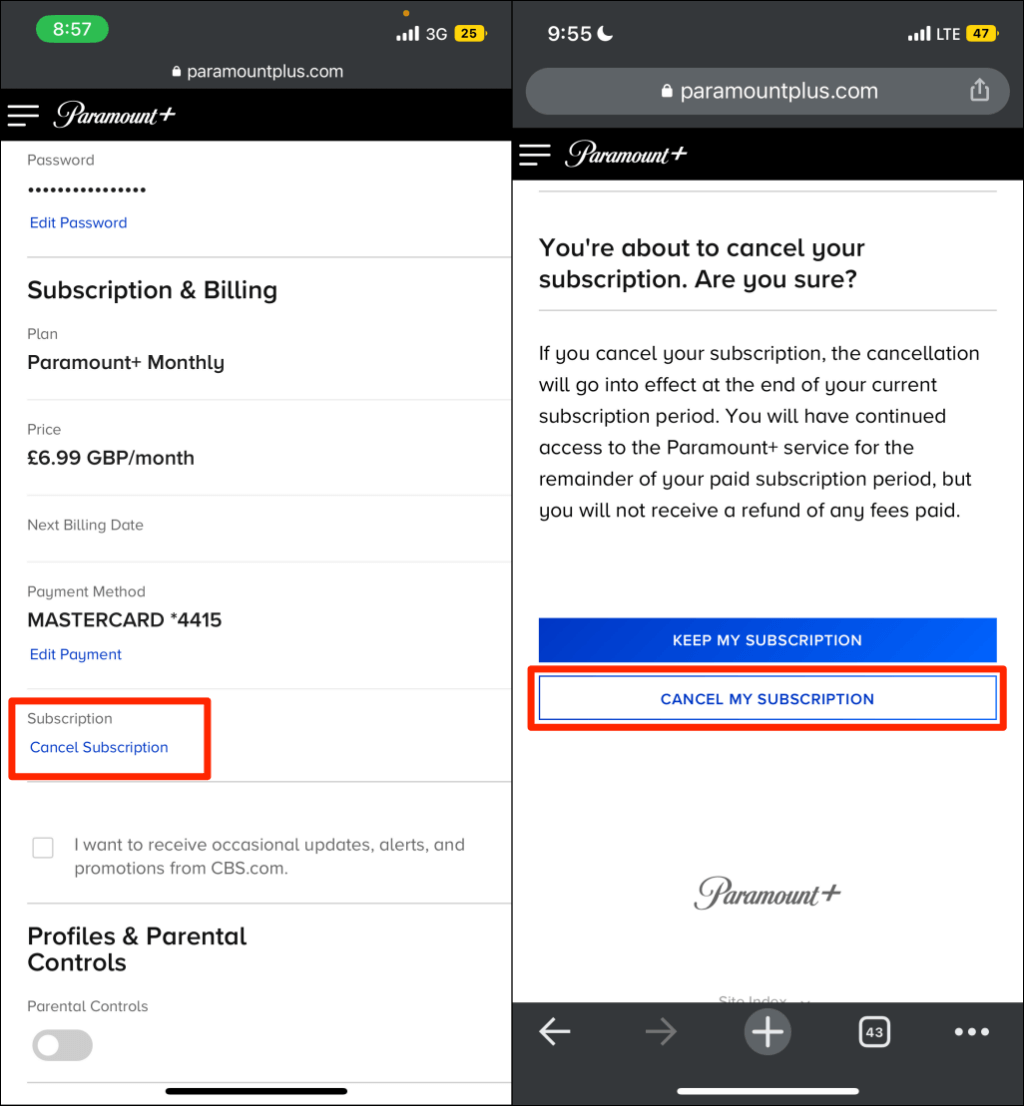
To initiate a cancellation on the web, a user must interact with the account management dashboard. This involves a secure handshake between the browser and Paramount’s back-end servers. Once logged in, the “Account” section serves as the central hub for subscription telemetry. Within this interface, the system displays the current billing cycle, the payment method on file, and the specific tier of service (e.g., Essential vs. Paramount+ with SHOWTIME).
The “Cancel Subscription” trigger is typically located within the “Subscription & Billing” sub-menu. From a technical standpoint, clicking this button initiates a series of database updates. The system must transition the account status from “Active” to “Pending Cancellation,” ensuring that the user retains access until the end of the current billing epoch while preventing the automated recurring billing script from firing at the next interval.
Addressing Browser-Side Obstacles
Occasionally, users may encounter technical friction during the web cancellation process. This is often due to cached data or expired session cookies. If the “Cancel” button fails to respond or triggers a loop back to the homepage, it is often a sign of a localized software conflict. Clearing the browser’s cache or attempting the process in an “Incognito” or “Private” window forces a fresh handshake with the server, ensuring that the JavaScript responsible for the cancellation workflow executes correctly.
Decoupling from Mobile Ecosystems: iOS and Android
A significant portion of the Paramount+ user base accesses the service through mobile applications. When a subscription is initiated via an iPhone or an Android device, the billing relationship is not with Paramount directly, but with Apple or Google. This creates a layered software environment where the app acts as the content delivery vehicle, while the operating system (OS) handles the financial transactions.
Managing Subscriptions via the Apple ID Interface
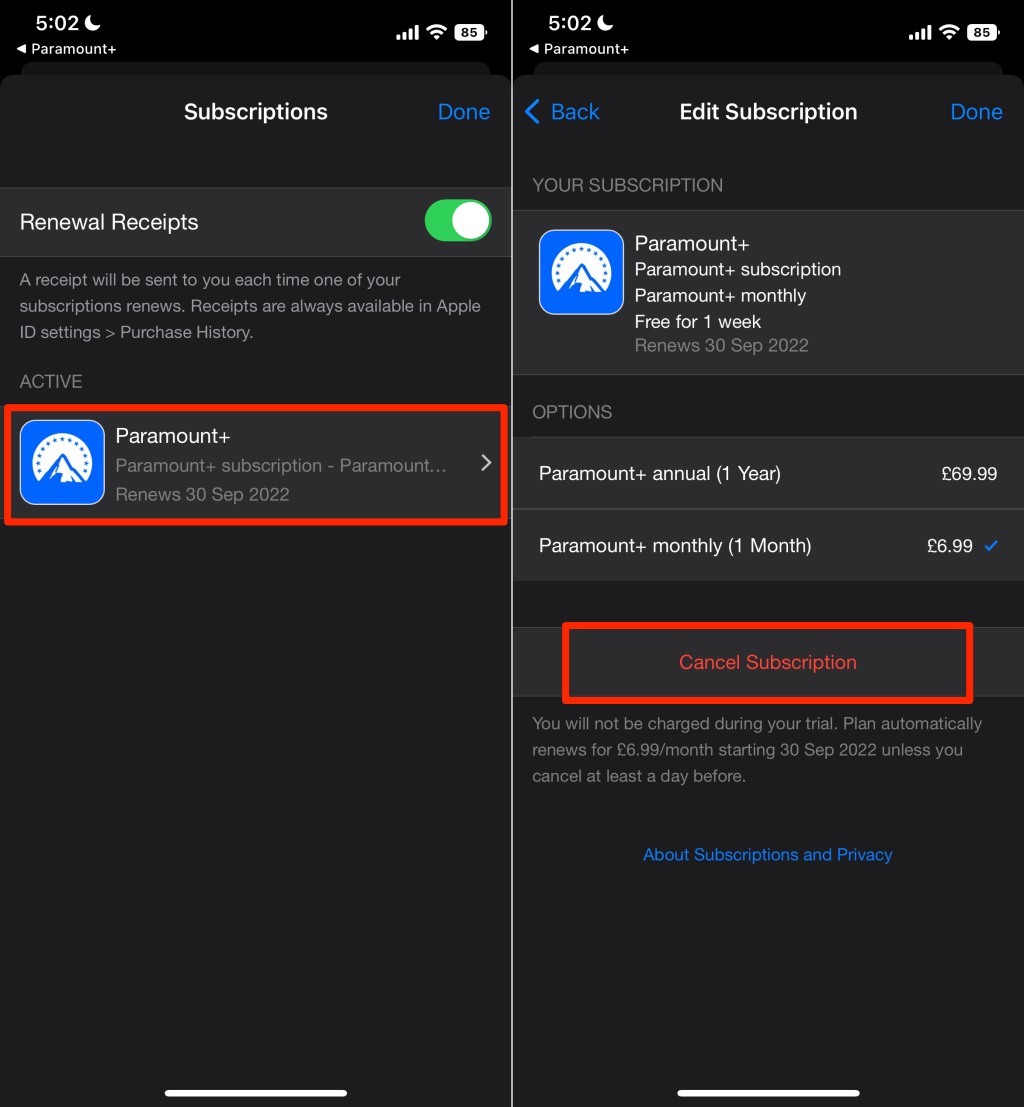
For iOS users, the Paramount+ subscription is tethered to their Apple ID. To cancel, one must navigate away from the Paramount+ app itself and into the iOS System Settings. This is a security feature designed by Apple to centralize all digital “in-app purchases” (IAPs) within a single, secure vault.
Within the Settings app, tapping on the user’s name opens the Apple ID management pane. Selecting “Subscriptions” prompts the device to query Apple’s App Store servers for a list of active recurring payments. Here, the user can select Paramount+ and opt to “Cancel Subscription.” This action sends an API call to Apple’s billing server, which then communicates the status change to Paramount’s database, ensuring that the app’s “entitlement” (the permission to view content) is set to expire on the correct date.
The Google Play Store Workflow
Android users follow a similar logic but operate within the Google Play ecosystem. The cancellation is managed through the Google Play Store app rather than the device’s general settings. By accessing the “Payments & Subscriptions” menu, users can view their active digital commitments.
The technical advantage of this centralized management is the ability to see all app-based overhead in one location. When the “Cancel” command is issued, Google Play modifies the subscription token. This token-based system ensures that your financial data remains encrypted within Google’s infrastructure, never being shared directly with the third-party developer (Paramount), even as the service is terminated.
The Complexity of Third-Party Aggregators: Amazon and Roku
The modern “smart home” often relies on hardware aggregators like Amazon Fire TV or Roku. These platforms act as digital storefronts, allowing users to add “Channels” or “Add-ons” to their existing hardware accounts. Canceling Paramount+ through these intermediaries requires navigating the specific software architecture of the hardware provider.
The Amazon Prime Video Channel Architecture
If you subscribed to Paramount+ as a “Channel” within the Amazon Prime Video environment, the cancellation cannot be performed on the Paramount+ website or through the standard mobile app. Instead, it must be handled through the Amazon “Memberships & Subscriptions” portal.
From a software design perspective, Amazon treats Paramount+ as a sub-module of the Prime Video app. To cancel, a user must navigate to the “Manage Your Prime Video Channels” section. This interface provides a granular look at the various content streams tied to the Amazon account. By selecting “Cancel Channel,” the user terminates the link between Amazon’s billing engine and Paramount’s content delivery network (CDN).
Synchronizing with the Roku Ecosystem
Roku users often find the convenience of “Roku Pay” to be a double-edged sword when it comes time to cancel. If the subscription was started on a Roku streaming stick or a Roku-integrated television, the billing is managed by Roku’s proprietary OS.
Users can manage this either through the “Options” menu on the Paramount+ tile (the “*” button on the remote) or via the web-based Roku account dashboard. The technical challenge here is synchronization; occasionally, a delay in the API communication between Roku and Paramount can result in the app still appearing “Active” on the TV interface for several hours after the web-based cancellation has been confirmed. Patience is key during these server-side updates.
Digital Security and Post-Cancellation Hygiene
Canceling a subscription is the first step in maintaining a secure and efficient digital life. However, from a tech perspective, there are several post-cancellation steps that are often overlooked, ranging from data privacy to payment security.
Confirming the Termination and Retaining Records
The moment a cancellation is finalized, the platform’s automated mail server (SMTP) should trigger a confirmation email. This digital receipt is a critical piece of data. It contains the transaction ID and the effective expiration date. In the world of software-as-a-service (SaaS), glitches can happen. If a billing script fails to recognize the cancellation and attempts a charge in the following month, this confirmation email serves as the primary evidence needed for a refund request.
Furthermore, users should check their “Active Sessions” if the platform provides such a feature. Logging out of all devices ensures that no unauthorized users continue to ping the Paramount servers using your credentials, which could occasionally complicate the account’s “Inactive” status.
Understanding Data Retention and Privacy
When you cancel Paramount+, your account is not deleted; it is simply moved to an “Inactive” or “Free” tier. This means your personal data, viewing history, and payment methods remain on their servers. From a digital security standpoint, if you do not plan on returning to the service, it is often wise to request a full account deletion to minimize your attack surface in the event of a data breach.
Many modern streaming platforms must comply with data privacy laws like GDPR or CCPA. Users can often find a “Delete Account” option deep within the privacy settings or by contacting the data protection officer via the support portal. Removing your credit card information from the “Expired” account is another layer of proactive digital hygiene that prevents your financial details from sitting in a dormant database indefinitely.
The Future of Subscription Management: Tools and Automation
As the number of SVOD services continues to grow, the manual process of canceling apps—navigating different UIs and remembering various passwords—has become a significant “tech burden.” This has given rise to a new category of software: Subscription Management Tools.
The Rise of Fintech Integration
Many modern banking apps and specialized fintech tools now offer “subscription scrapers.” These applications use secure APIs (like Plaid) to scan your transaction history for recurring billing patterns. From within these interfaces, users can sometimes trigger cancellations or “block” future charges. While this doesn’t always communicate directly with the Paramount+ server to “cancel” the account, it provides a technological fail-safe to prevent unwanted outflows of capital.
Avoiding “Dark Patterns” in UX Design
A professional understanding of the cancellation process also requires a critical look at “dark patterns.” These are UI/UX design choices intended to confuse or frustrate the user into staying subscribed—such as hiding the cancel button in a sub-menu or requiring multiple confirmation screens with leading questions.
As digital literacy improves, users are becoming more adept at identifying these patterns. Regulatory bodies are also beginning to take notice, pushing for “One-Click Cancel” laws that would require digital services to make canceling as technically simple as subscribing. Until these standards are universal, understanding the specific technical pathways for each platform remains the user’s best defense.
In conclusion, canceling Paramount+ is a multi-faceted technical task that varies significantly depending on your digital ecosystem. By understanding the underlying software relationships—whether they are direct web-based handshakes, Apple/Google API integrations, or third-party hardware aggregators—you can efficiently manage your digital stack. Staying vigilant about confirmation receipts and practicing good data hygiene ensures that your exit from the platform is as smooth as your entry, leaving you with a leaner, more secure digital profile.
aViewFromTheCave is a participant in the Amazon Services LLC Associates Program, an affiliate advertising program designed to provide a means for sites to earn advertising fees by advertising and linking to Amazon.com. Amazon, the Amazon logo, AmazonSupply, and the AmazonSupply logo are trademarks of Amazon.com, Inc. or its affiliates. As an Amazon Associate we earn affiliate commissions from qualifying purchases.