
For investors, understanding a company’s share count isn’t merely a trivial detail; it’s a fundamental piece of the puzzle that informs valuation, potential for dilution, and overall market dynamics. When examining a high-profile, high-growth, and often volatile stock like Tesla (TSLA), this figure becomes even more critical. The number of shares outstanding directly influences market capitalization, earnings per share (EPS), and per-share valuation metrics, providing a crucial lens through which to assess the company’s financial health and investment attractiveness.
Tesla, under the visionary leadership of Elon Musk, has undergone a remarkable journey from a niche electric vehicle manufacturer to a global technology and energy powerhouse. This growth trajectory has been accompanied by significant changes in its capital structure, including multiple stock splits designed to make its shares more accessible to a broader range of investors. As a result, the “how many shares” question isn’t static; it’s a dynamic figure that evolves with company actions, market conditions, and regulatory filings. This article will delve into the intricacies of Tesla’s share count, its implications for investors, and how to reliably track this vital financial metric.
Understanding Share Count and Its Importance for Investors
The concept of “shares outstanding” is a cornerstone of corporate finance and investing. It refers to the total number of a company’s shares that are currently held by all shareholders, including institutional investors, retail investors, and company insiders. This figure is distinct from “authorized shares,” which represent the maximum number of shares a company is legally permitted to issue, and “issued shares,” which are shares that have been sold by the company but may or may not be outstanding (some might be held as treasury stock).
What is “Shares Outstanding”?
Shares outstanding are the lifeblood of a publicly traded company’s equity structure. They represent the fractional ownership units of the company and are used in calculating critical financial metrics. This number is dynamic, changing with corporate actions such as new share issuances, stock splits, and share buybacks. For a high-growth company like Tesla, which has frequently raised capital and split its stock, understanding the trajectory of its shares outstanding is crucial for contextualizing its financial performance over time. It’s the denominator in many per-share calculations, directly impacting how investors perceive the value and earnings generated by the company on a unit basis.
Why Share Count Matters to Investors
The number of shares outstanding holds profound implications for investors, influencing several key aspects of their analysis:
- Market Capitalization: This is calculated by multiplying the current share price by the number of shares outstanding. It represents the total market value of a company and is a key indicator of its size. A company with a higher share count, all else being equal, will have a higher market cap. For Tesla, its substantial share count, combined with its high stock price, has propelled it into the ranks of the world’s most valuable companies.
- Earnings Per Share (EPS): EPS is a primary indicator of a company’s profitability, calculated by dividing net income by the number of shares outstanding. A higher share count, without a proportional increase in net income, will dilute EPS, potentially making the stock appear less profitable on a per-share basis. Conversely, share buybacks reduce the share count, boosting EPS even if net income remains constant.
- Valuation Metrics: Share count is embedded in various valuation ratios, such as the Price-to-Earnings (P/E) ratio, Price-to-Sales (P/S) ratio, and Price-to-Book (P/B) ratio. These metrics help investors compare a company’s valuation against its peers or its historical performance. Any significant change in shares outstanding necessitates a re-evaluation of these metrics to ensure an accurate comparison.
- Dilution: An increase in shares outstanding, typically through secondary offerings or employee stock options, can dilute the ownership stake and earnings power of existing shareholders. Investors must monitor changes in share count to assess the risk of dilution and its potential impact on their investment.
Tesla’s Unique Capital Structure Journey
Tesla’s journey as a public company has been marked by rapid expansion, significant capital expenditures, and strategic financial moves. To fund its ambitious growth plans, from expanding Gigafactories worldwide to investing in cutting-edge R&D for AI and robotics, Tesla has periodically raised capital through issuing new shares. These offerings have injected necessary funds into the company but have also, by definition, increased the number of shares outstanding. Furthermore, Tesla has twice executed stock splits in recent years – a 5-for-1 split in August 2020 and a 3-for-1 split in August 2022. While stock splits do not change the underlying value of an investor’s total holdings (you get more shares, each worth less), they dramatically increase the total number of shares outstanding. These actions are typically done to make the stock more affordable and accessible to a wider range of retail investors, thereby potentially increasing liquidity and broader market interest.
The Current Landscape of Tesla’s Share Structure
Pinpointing the exact, real-time number of shares outstanding for any company, including Tesla, can be challenging due to constant minor fluctuations from employee stock options vesting, conversions of convertible bonds, or minor share repurchases (though the latter is less common for high-growth companies like TSLA). However, reliable figures are provided regularly through official financial reports.
Unpacking Tesla’s Most Recent Share Count
The most accurate and up-to-date figure for Tesla’s shares outstanding can always be found in its latest quarterly (10-Q) and annual (10-K) reports filed with the U.S. Securities and Exchange Commission (SEC). As of its most recent filings (investors should always refer to the latest official document for the most current data), Tesla’s shares outstanding have settled into a range that reflects its significant growth and strategic stock splits. For instance, following its 3-for-1 stock split in August 2022, the share count effectively tripled from its pre-split level. Investors can typically find this figure on the cover page of the 10-Q or 10-K, or within the “Consolidated Balance Sheets” or “Shareholders’ Equity” sections. As of the Q3 2023 10-Q filing, for example, the number of common shares outstanding was approximately 3.189 billion as of October 27, 2023. It’s crucial to note that this number can slightly fluctuate in subsequent filings.
Impact of Stock Splits on Share Count
Tesla’s capital structure has been significantly shaped by its stock splits.
- August 2020 (5-for-1 Split): Before this split, Tesla’s stock price had surged, making it inaccessible for many smaller investors. The 5-for-1 split meant that for every share an investor owned, they received four additional shares, effectively multiplying the total shares outstanding by five. If a company had 100 million shares outstanding before the split, it would have 500 million after, with each share being worth one-fifth of its original value. This move significantly broadened the investor base and increased trading liquidity.
- August 2022 (3-for-1 Split): Similarly, after another period of substantial growth, Tesla executed a 3-for-1 stock split. This meant existing shareholders received two additional shares for every share they held, tripling the total number of shares outstanding. If the company had, for example, 1.06 billion shares before this split (after accounting for the 2020 split and subsequent issuances), it would then have roughly 3.18 billion shares.
It is important for investors to understand that while stock splits increase the number of shares outstanding, they do not change the company’s total market capitalization or an individual investor’s percentage ownership. They are purely cosmetic changes aimed at improving stock accessibility and liquidity.
The Role of Institutional vs. Retail Ownership
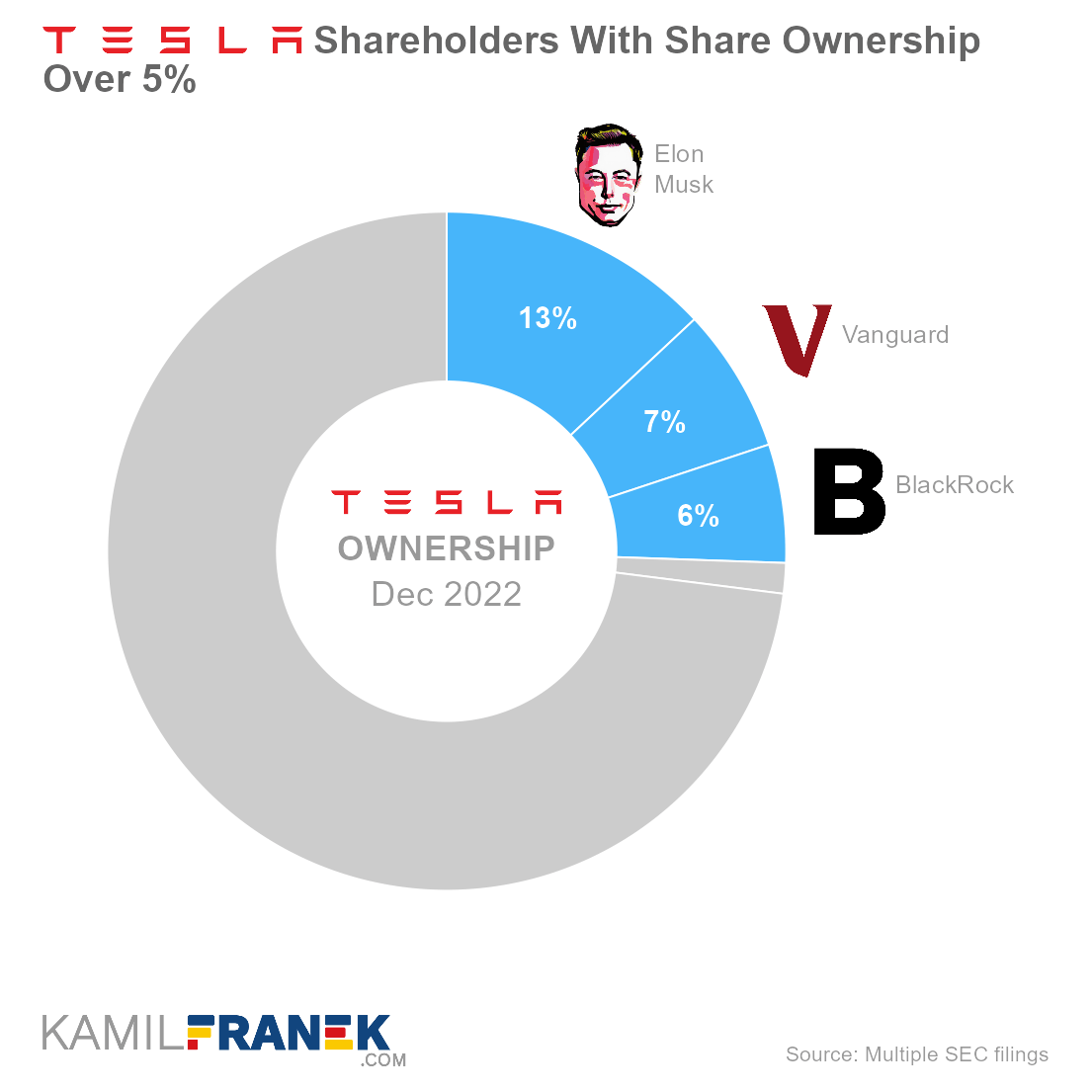
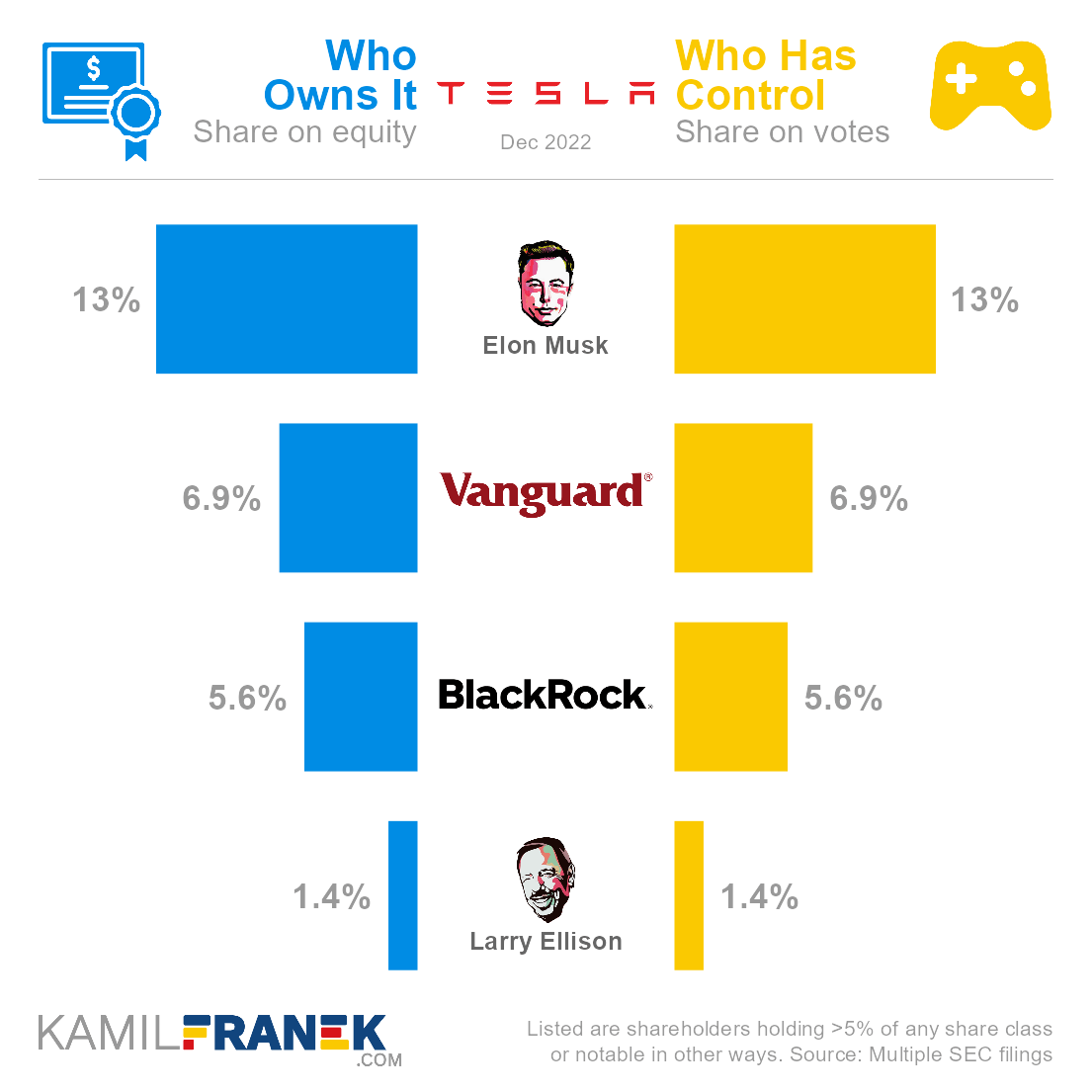
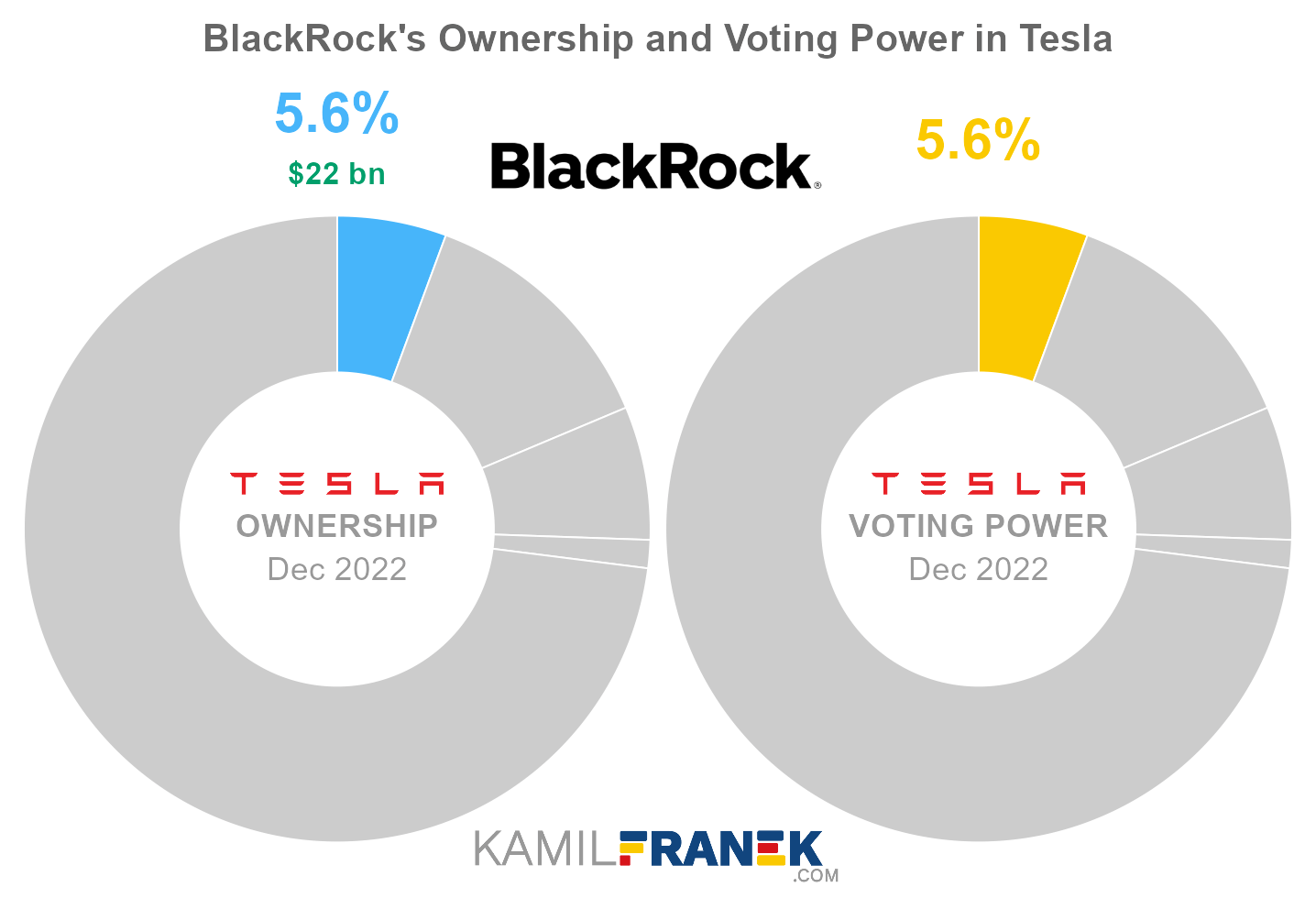
The distribution of Tesla’s shares between institutional investors (e.g., mutual funds, hedge funds, pension funds) and retail investors also plays a significant role in market dynamics. While official reports detail the total shares outstanding, third-party data providers track the breakdown of who owns these shares. Institutional ownership often lends stability to a stock, as these entities typically conduct extensive due diligence and often hold for longer periods. However, Tesla also boasts a massive and highly engaged retail investor base. High retail ownership, while demonstrating broad interest, can sometimes contribute to increased volatility, as retail investors may react more quickly to news or sentiment shifts. Understanding this mix helps in analyzing the potential for price swings and overall market behavior for TSLA.
Share Count, Dilution, and Investor Value
For growth companies like Tesla, managing share count is a delicate balance between funding ambitious expansion and preserving shareholder value. Every new share issued has the potential to dilute the ownership stake of existing shareholders, a factor investors must carefully consider.
Understanding Share Dilution
Share dilution occurs when a company issues new shares, thereby increasing the total number of shares outstanding. This reduces the proportionate ownership of existing shareholders and can decrease the earnings per share (EPS), even if the company’s total earnings remain constant. Common causes of dilution include:
- Secondary Offerings: When a company sells new shares to the public to raise capital.
- Employee Stock Options/Restricted Stock Units (RSUs): When employees exercise options or vest RSUs, new shares are issued.
- Convertible Debt Conversion: When holders of convertible bonds convert their debt into equity.
While dilution can negatively impact per-share metrics, it’s often a necessary evil for high-growth companies like Tesla, which require substantial capital to fund their expansion, R&D, and production scale-up. The key for investors is to assess whether the capital raised through dilution is being deployed effectively to generate future growth and earnings that will eventually outweigh the dilutive effect.
Tesla’s Approach to Capital Raises
Tesla has a history of leveraging equity offerings to fuel its aggressive growth strategy. In its earlier years, especially during the scaling of Model 3 production and construction of new Gigafactories, capital raises were frequent. Each time Tesla issued new shares, the shares outstanding increased, and existing shareholders experienced some degree of dilution. However, the market has often reacted positively to these raises, seeing them as necessary steps for Tesla to achieve its long-term vision and generate future value that would ultimately benefit shareholders despite the short-term dilution. The company’s ability to consistently exceed expectations and expand into new lucrative markets has historically justified these capital infusions in the eyes of many investors.
Share Buybacks: The Counter-Narrative (or Lack Thereof for TSLA)
The opposite of share issuance is a share buyback (or share repurchase program), where a company buys back its own shares from the open market. This reduces the number of shares outstanding, thereby increasing each remaining share’s percentage ownership of the company. Share buybacks are often seen as a way to return value to shareholders, boost EPS, and signal management’s confidence in the company’s undervaluation.
For a growth company like Tesla, with vast opportunities for reinvestment in R&D, manufacturing, and new product lines, share buybacks have historically been less of a priority. Growth companies typically prioritize reinvesting capital back into the business to accelerate expansion, rather than using it to reduce share count. While there have been sporadic discussions and calls from some investors for Tesla to initiate buybacks, especially during periods of significant free cash flow generation, the company’s strategic focus remains firmly on deploying capital for future growth initiatives. This strategic choice further highlights the importance of understanding a company’s financial philosophy when analyzing its share count.
Navigating Tesla’s Financials: Where to Find the Data
Reliable financial data is the bedrock of sound investment decisions. For something as fundamental as shares outstanding, investors must know where to find the most accurate and up-to-date information directly from the source.
Official SEC Filings (10-K, 10-Q): The Gold Standard
The definitive source for a public company’s shares outstanding, along with a wealth of other financial information, is its filings with the U.S. Securities and Exchange Commission (SEC).
- 10-K (Annual Report): This comprehensive annual report provides a detailed overview of the company’s financial performance over the fiscal year, including its balance sheet, income statement, cash flow statement, and extensive footnotes. The total shares outstanding figure, as of a specific date, is prominently displayed, often on the cover page or in the “Consolidated Balance Sheets.”
- 10-Q (Quarterly Report): Similar to the 10-K but filed quarterly, the 10-Q provides updated financial figures. This is where investors can find the most recent shares outstanding figure for the company between annual reports.
These documents are publicly accessible through the SEC’s EDGAR database (Electronic Data Gathering, Analysis, and Retrieval system). Investors simply need to search for “Tesla” and look for the latest 10-Q or 10-K filing.
Investor Relations Websites
Most publicly traded companies, including Tesla, maintain a dedicated Investor Relations (IR) section on their corporate websites. This section is a treasure trove of information designed specifically for shareholders and prospective investors. Here, you’ll typically find:
- Links to all SEC filings.
- Press releases related to financial results.
- Quarterly earnings call transcripts and webcasts.
- Fact sheets or investor presentations that often summarize key financial metrics, including shares outstanding.
Tesla’s Investor Relations page is an excellent first stop for anyone looking for summary data or direct links to official documents.
Financial Data Platforms
Numerous financial data platforms and news outlets provide information on shares outstanding. Websites like Yahoo Finance, Google Finance, Bloomberg Terminal, Refinitiv Eikon, and others aggregate data from SEC filings and present it in an easily digestible format. While convenient, it’s always prudent to cross-reference critical figures with the official SEC filings, especially if there are discrepancies or if the data appears outdated. These platforms can sometimes be a few days behind the latest filing or might rely on estimates before official numbers are released.
The Future of Tesla’s Share Count and Investor Considerations
Tesla operates in dynamic, rapidly evolving industries, and its capital structure is likely to remain fluid as it pursues aggressive growth, innovation, and global expansion.
Potential Future Stock Splits or Offerings
While impossible to predict with certainty, several factors could lead to future changes in Tesla’s share count:
- Stock Splits: If Tesla’s stock price continues its upward trajectory and reaches levels that again deter smaller retail investors, another stock split could be considered to enhance accessibility and liquidity.
- Secondary Offerings: Should Tesla embark on massive new capital-intensive projects, such as building more Gigafactories, expanding into new energy ventures, or making significant acquisitions, it might choose to issue new shares to raise the necessary funds. While potentially dilutive, such moves would be weighed against the expected future returns and strategic advantages they would provide.
- Share Buybacks: Although less typical for Tesla, a shift in strategy towards returning more capital to shareholders once growth opportunities mature or significant free cash flow accumulates could lead to share repurchases, reducing the share count.
Implications for Valuation Models
Changes in shares outstanding directly impact financial modeling. Analysts using discounted cash flow (DCF) models, for instance, must carefully project future shares outstanding to arrive at an accurate per-share valuation. Similarly, a rising share count due to dilution will naturally affect forecasted EPS, altering P/E ratios and other per-share metrics, requiring model adjustments. Investors must continually update their valuation models with the latest share count to maintain accuracy.
Long-Term Investor Perspective
For long-term investors in Tesla, understanding the share count is part of a broader, holistic analysis. It’s not just about the number itself, but what that number signifies in terms of the company’s financial strategy, growth ambitions, and commitment to shareholder value. A company that judiciously issues shares to fund profitable growth can create immense long-term value, even if it involves some degree of short-term dilution. Conversely, excessive dilution without a clear path to increased profitability can erode shareholder wealth. Tesla’s track record of translating capital raises into tangible growth and innovation has largely justified its capital structure decisions, making its shares outstanding a critical, yet often underappreciated, metric for comprehensive investment analysis.
In conclusion, the question “how many shares of Tesla are there?” leads to a deeper exploration of fundamental financial concepts. It underscores that an investor’s journey goes beyond just watching the stock price; it involves understanding the core financial mechanics that drive a company’s valuation and impact shareholder returns. By diligently tracking Tesla’s shares outstanding through official channels, investors can gain a more nuanced and informed perspective on their investment in this pioneering company.
aViewFromTheCave is a participant in the Amazon Services LLC Associates Program, an affiliate advertising program designed to provide a means for sites to earn advertising fees by advertising and linking to Amazon.com. Amazon, the Amazon logo, AmazonSupply, and the AmazonSupply logo are trademarks of Amazon.com, Inc. or its affiliates. As an Amazon Associate we earn affiliate commissions from qualifying purchases.