
In the complex landscape of personal finance, certain strings of numbers act as the silent architecture behind every transaction we make. Whether you are setting up a new direct deposit for a paycheck, paying your monthly rent through an online portal, or sending money to a family member across the country, you will inevitably encounter a request for your routing number.
Often overshadowed by the more “personal” account number, the routing number is a fundamental component of the United States banking system. Understanding what it is, how it functions, and where to find it is essential for anyone looking to navigate their financial life with confidence and precision.
Decoding the Routing Number: Definitions and Origins
At its simplest level, a routing number—officially known as an ABA Routing Transit Number (RTN)—is a nine-digit code used to identify a specific financial institution within the United States. If you think of your bank account as your home, the routing number is the zip code that tells the delivery service exactly which town and neighborhood to look in before they find your specific front door.
What Exactly is an ABA Routing Transit Number?
The routing number system was developed by the American Bankers Association (ABA) in 1910. At the time, the banking industry was expanding rapidly, and the manual processing of paper checks was becoming increasingly chaotic. The ABA needed a standardized way to ensure that checks were “routed” back to the correct bank for payment.
The nine-digit sequence isn’t random. It is structured to provide specific information to the Federal Reserve and electronic payment networks:
- The first four digits represent the Federal Reserve routing symbol, indicating the bank’s physical location or the Federal Reserve district it belongs to.
- The next four digits identify the specific institution itself.
- The final digit is a “check digit,” a mathematical tool used to verify that the previous eight digits are correct and that the number hasn’t been mistyped during processing.
The Purpose of Routing Numbers in Modern Finance
While the system began with paper checks, it has evolved to become the backbone of the electronic banking era. Today, routing numbers are used for Automated Clearing House (ACH) transfers, wire transfers, and electronic bill payments.
Without this standardized system, the digital movement of trillions of dollars every day would be prone to massive errors. The routing number ensures that when you initiate a transfer, the money moves from “Bank A” to “Bank B” without getting lost in the vast network of thousands of different credit unions and commercial banks.
Where to Find Your Routing Number
In an age where physical banking is becoming less common, knowing where to locate your routing number can save you a significant amount of time and frustration. While it is a public-facing piece of information for the bank, it is specific to your geographic region and the type of transaction you are performing.
Locating the Number on a Physical Check
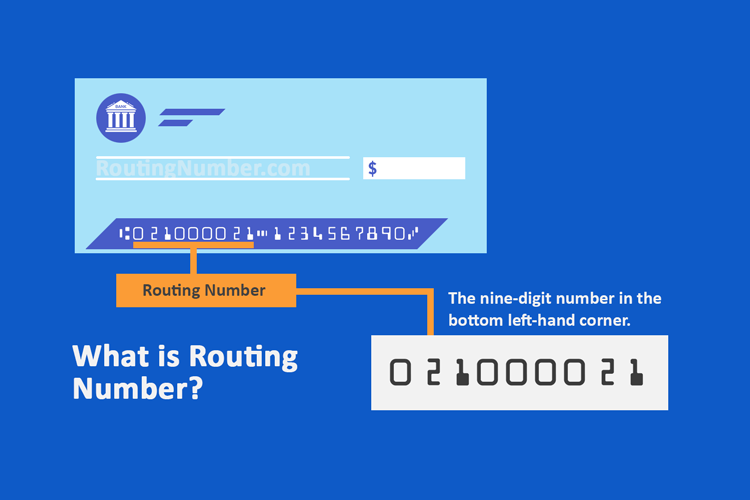
The most traditional way to find your routing number is to look at a physical check associated with your account. If you look at the bottom of a check, you will see a string of numbers printed in a specialized font known as MICR (Magnetic Ink Character Recognition).
There are typically three sets of numbers at the bottom:
- The Routing Number: This is almost always the first set of nine digits on the far left. It is usually flanked by a specific symbol that looks like a vertical bar with a colon.
- The Account Number: This is the second set of numbers in the middle.
- The Check Number: This is the shortest set of numbers, usually on the far right, matching the number in the top right corner of the check.
Finding Routing Information via Online Banking and Mobile Apps
As more consumers move toward “checkless” banking, financial institutions have made it easier to find this information digitally. By logging into your bank’s website or mobile app, you can usually find the routing number under “Account Details” or “Account Info.”
It is important to note that large national banks often have different routing numbers for different states. If you opened your account in New York but now live in California, your routing number will likely remain the New York number unless you close and reopen the account. Furthermore, some banks utilize different routing numbers for specific activities—one for ACH transfers (like direct deposit) and another for domestic wire transfers. Always verify which one you need before initiating a high-value transaction.
Routing Number vs. Account Number: Understanding the Difference
One of the most common mistakes in personal finance is confusing the routing number with the account number. While they work in tandem to facilitate a transaction, they serve very different roles. Mixing them up can lead to rejected payments, late fees, or, in some cases, funds being sent to the wrong destination.

Identifying the Role of the Account Number
If the routing number is the “zip code” of the bank, the account number is your “specific street address.” Every customer at a specific bank branch will share the same routing number, but no two customers will share the same account number.
The account number is a unique identifier assigned specifically to you. It tells the bank which individual vault or “bucket” of money should be debited or credited once the transaction has arrived at the correct institution. Account numbers vary in length depending on the bank but typically range from 8 to 12 digits.
How the Two Numbers Work Together in Transactions
To visualize how these two numbers interact, imagine you are setting up a direct deposit for your new job. You provide your employer with both the routing and account numbers.
- Step 1: Your employer’s payroll system looks at the routing number to identify which bank in the U.S. needs to receive the funds.
- Step 2: The funds travel through the ACH network to that specific bank.
- Step 3: Once the bank receives the funds, it looks at the account number to determine which specific customer’s balance should be increased.
This two-step verification process is why both numbers are required for almost every type of electronic transfer.
When and Why You Need Your Routing Number
Routing numbers aren’t just for checks; they are the keys to several essential financial services that keep your life running smoothly. In the realm of personal finance and business management, there are three primary scenarios where these digits become vital.
Setting Up Direct Deposits and Automated Payments
Most employees today receive their wages via direct deposit. To facilitate this, your employer needs your routing number. Similarly, if you are a freelancer or a business owner, you will need to provide this number to clients who pay via bank transfer.
Beyond income, routing numbers are used for outgoing automated payments. From utility bills and car loans to mortgage payments, authorizing an “Electronic Fund Transfer” (EFT) allows service providers to pull funds directly from your account, ensuring you never miss a due date.
Managing Wire Transfers and International Transactions
Wire transfers are used for large, time-sensitive transactions, such as a down payment on a home. Because wire transfers are processed differently than standard ACH transfers, they often require a “Wire Routing Number.” Using a standard ACH routing number for a wire transfer can cause the transaction to fail, which can be a major issue when deadlines are tight.
For international transactions, the routing number is often replaced or supplemented by a SWIFT code or a BIC (Bank Identifier Code). However, if you are receiving money from abroad into a U.S. account, the sender will still likely need your U.S. routing number to ensure the funds find their way into the American banking system.
Tax Refunds and Government Benefits
When you file your taxes, the IRS gives you the option to receive your refund via mail or direct deposit. Choosing direct deposit is significantly faster, but it requires an accurate routing and account number. The same applies to Social Security benefits and other government assistance programs.
Keeping Your Financial Data Secure
In an era of increasing digital fraud and identity theft, many people wonder if sharing their routing number is a security risk. While you should always be cautious with your financial information, the routing number is treated differently than a password or a Social Security number.
Is Sharing a Routing Number Safe?
Generally speaking, sharing your routing number is safe because it is not a “secret” number. Every person who has ever received a check from you has seen your routing number. It is a public identifier for your bank.
However, a routing number combined with your account number is more sensitive. With both pieces of information, someone could theoretically initiate an unauthorized ACH withdrawal. This is why you should only provide these details to trusted entities, such as your employer, the government, or reputable billing companies.

Security Best Practices
To protect your accounts, follow these professional finance tips:
- Monitor your accounts regularly: Use mobile banking alerts to notify you of any withdrawal over a certain dollar amount.
- Use secure portals: When entering your routing and account numbers online, ensure the website uses “https” and is a verified, secure portal.
- Be wary of phishing: Never provide your routing or account numbers in response to an unsolicited email or text message. Legitimate institutions like the IRS or your bank will never ask for this information through insecure channels.
- Shred old checks: If you close an account or have old checkbooks, shred them to ensure your account number doesn’t fall into the wrong hands.
The routing number may seem like a minor detail in the grand scheme of your financial life, but it is the invisible thread that connects your personal wealth to the global economy. By understanding its structure, its function, and its importance, you gain a greater level of control over your money, ensuring that every dollar you earn or spend reaches its intended destination safely and efficiently.
aViewFromTheCave is a participant in the Amazon Services LLC Associates Program, an affiliate advertising program designed to provide a means for sites to earn advertising fees by advertising and linking to Amazon.com. Amazon, the Amazon logo, AmazonSupply, and the AmazonSupply logo are trademarks of Amazon.com, Inc. or its affiliates. As an Amazon Associate we earn affiliate commissions from qualifying purchases.