
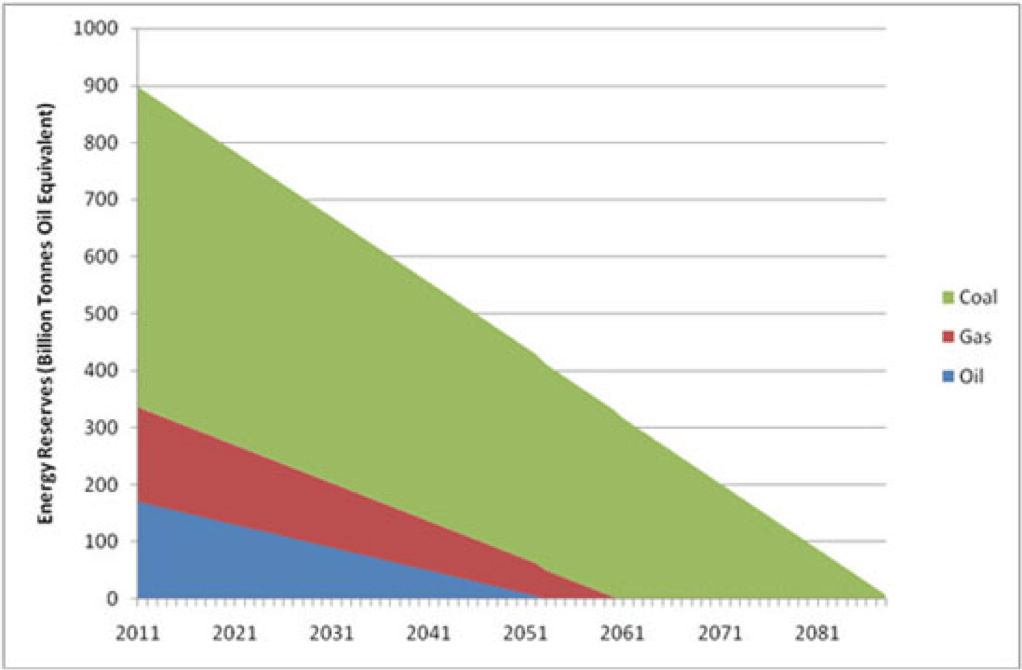
The hum of modern civilization is largely powered by a finite resource: oil. From the gasoline that fuels our cars to the plastics that form countless everyday objects, and even the fertilizers that sustain our agricultural output, oil is inextricably woven into the fabric of our global economy and daily lives. Consequently, the prospect of running out of oil, whether through depletion or deliberate divestment, presents a profound challenge with far-reaching economic implications. This article will delve into the potential financial ramifications of such a scenario, exploring how industries, markets, and individual finances might be irrevocably altered.
The Economic Shockwaves: Immediate Impacts on Global Markets
The immediate aftermath of a significant decline or depletion of oil reserves would trigger a seismic shock across global financial markets. The interconnectedness of economies means that a scarcity of this fundamental commodity would cascade through supply chains, inflating prices and disrupting established business models.
Inflationary Spiral and Supply Chain Disruption
Oil serves as a foundational input for an astonishing array of goods and services. Its price is a key determinant of transportation costs, manufacturing expenses, and agricultural productivity. As oil becomes scarcer, its price would inevitably skyrocket. This price surge would directly impact the cost of transporting raw materials to factories and finished goods to consumers. Businesses, facing higher operational expenses, would be forced to pass these costs onto consumers, leading to widespread inflation.
Consider the automotive sector. The production of vehicles relies heavily on petroleum-based plastics and lubricants. A sharp increase in oil prices would escalate the cost of manufacturing new cars. Furthermore, the fuel required to operate these vehicles would become prohibitively expensive, dramatically altering consumer demand and potentially leading to a decline in sales of traditional internal combustion engine cars.
The agricultural sector is also heavily dependent on oil. Fertilizers are a key byproduct of natural gas and oil refining. Pesticides and herbicides often have petroleum-based components. Moreover, the machinery used for farming – tractors, harvesters – runs on diesel fuel. A shortage of oil would translate into higher food prices, threatening food security in many regions. The cost of irrigation systems, often powered by diesel pumps, would also increase, further burdening agricultural producers.
Beyond direct consumption, the extraction and processing of many other commodities are energy-intensive and often rely on oil-powered machinery. Mining operations, for instance, would face significantly higher operational costs, impacting the supply and price of metals, minerals, and other essential raw materials, further exacerbating inflationary pressures.
Sectoral Collapse and Strategic Realignments
Certain industries, intrinsically linked to oil, would face existential crises. The petrochemical industry, which converts oil into plastics, synthetic fibers, and a multitude of other chemical products, would be fundamentally challenged. The production of everyday items ranging from packaging and textiles to pharmaceuticals and electronics would be severely impacted. Companies would need to rapidly find and scale alternative, non-oil-based feedstocks, a process that is both costly and time-consuming.
The transportation sector, particularly aviation and long-haul shipping, would be among the hardest hit. Air travel and global maritime trade are overwhelmingly reliant on fossil fuels. Without readily available and affordable jet fuel and bunker fuel, these industries would face a dramatic reduction in operations, if not a complete standstill. This would have ripple effects on global tourism, international trade, and the logistics of supply chains, potentially leading to a contraction in economic activity.
Energy companies whose core business model is the extraction and refining of oil would experience a dramatic devaluation of their assets. Their stock prices would likely plummet, and many might face bankruptcy. This would not only impact investors but also lead to significant job losses in oil-producing regions and related industries.
Conversely, sectors focused on renewable energy technologies – solar, wind, geothermal, and advanced battery storage – would likely experience an unprecedented surge in demand and investment. The urgent need for alternatives would propel these industries to the forefront of economic recovery and future development.
The Shift to Alternatives: Investment Opportunities and Economic Restructuring
The inevitable depletion of oil reserves, or a deliberate global shift away from fossil fuels, necessitates a monumental transition towards alternative energy sources and technologies. This transition, while fraught with challenges, also presents significant opportunities for investment and economic restructuring.
The Renewable Energy Boom: Investment Horizons and Technological Advancements
The most apparent beneficiary of an oil-scarce future is the renewable energy sector. Governments and private investors would channel vast sums of capital into developing and deploying solar, wind, hydroelectric, and geothermal power generation. The demand for solar panels, wind turbines, and related infrastructure would skyrocket, creating a robust market for manufacturers, installers, and maintenance providers.
Technological innovation would become paramount. Significant investment would flow into research and development for more efficient solar cells, advanced wind turbine designs, and improved energy storage solutions. Battery technology, crucial for overcoming the intermittency of renewables, would see a surge in innovation, leading to breakthroughs in capacity, charging speed, and cost reduction. Electric vehicle (EV) technology, already gaining traction, would become the dominant mode of personal transportation, driving demand for advanced battery manufacturing and charging infrastructure.
The development of hydrogen fuel cell technology, utilizing green hydrogen produced through electrolysis powered by renewable energy, could also become a critical component of the new energy landscape, particularly for heavy transport, industrial processes, and potentially even aviation.

Infrastructure Overhaul: The Cost and Opportunity of a New Foundation
The transition away from an oil-dependent infrastructure would require a massive and costly overhaul. This includes:
- Electricity Grid Modernization: The existing electricity grids are largely designed for centralized, fossil-fuel-based power generation. They would need significant upgrades to accommodate the distributed and intermittent nature of renewable energy sources. This involves investing in smart grid technologies, advanced transmission lines, and localized energy storage systems.
- Transportation Infrastructure: The widespread adoption of electric vehicles necessitates a massive expansion of charging infrastructure. This includes public charging stations, home charging solutions, and the integration of charging capabilities into urban planning. For industries reliant on heavy transport, the development of dedicated hydrogen refueling networks or electric long-haul trucking routes would be essential.
- Industrial Adaptation: Factories and industrial processes that currently rely on oil or gas for heating, power, or as feedstock would need to be retrofitted or rebuilt with alternative energy sources and materials. This could involve investing in electric furnaces, biomass energy, or new chemical processes that utilize sustainable feedstocks.
While the initial investment in this infrastructure overhaul would be substantial, it would also create new industries, generate employment, and foster long-term economic growth. Companies specializing in grid modernization, EV charging solutions, sustainable materials, and the manufacturing of renewable energy components would likely see significant expansion.
The Rise of the Circular Economy and Resource Efficiency
In an era of dwindling resources, the principles of the circular economy would gain increased importance. This economic model emphasizes reusing, repairing, refurbishing, and recycling existing materials and products to minimize waste and maximize resource utilization.
Businesses would be incentivized to design products for longevity and recyclability. This would lead to increased investment in advanced recycling technologies and the development of new materials derived from recycled sources. The concept of “product-as-a-service” might also gain traction, where consumers lease rather than own products, encouraging manufacturers to maintain and upgrade them for longer lifespans.
Resource efficiency would become a key competitive advantage. Companies that can produce goods and services with less energy and fewer raw materials would be better positioned to navigate a resource-constrained environment. This would spur innovation in process optimization, material science, and product design, leading to a more sustainable and resilient economy.
Individual Financial Implications: Navigating a New Economic Landscape
The transition away from oil would not only reshape global markets and industries but also have profound implications for individual finances, influencing everything from household budgets to long-term investment strategies.
Cost of Living Adjustments: Transportation, Energy, and Goods
The most immediate impact on individual finances would be a significant increase in the cost of living, particularly for those heavily reliant on oil-based products and services.
- Transportation Costs: Without affordable gasoline or diesel, personal transportation would become a substantial expense. The cost of public transportation, if it can adapt to alternative fuels, might increase. The shift towards electric vehicles, while potentially offering lower running costs in the long term, would require significant upfront investment in purchasing the vehicle and potentially installing home charging infrastructure.
- Energy Bills: While renewable energy aims to be more sustainable, the initial transition and infrastructure build-out could lead to fluctuations and potentially higher energy costs in the short to medium term. The cost of heating homes, which often relies on natural gas or oil, would increase, necessitating investment in energy-efficient solutions and alternative heating systems.
- Goods and Services: As mentioned, the increased cost of producing and transporting goods would translate into higher prices for virtually everything consumers purchase, from groceries and clothing to electronics and furniture. This inflationary pressure would erode purchasing power.
Investment Strategies in a Post-Oil World
The financial landscape would demand a strategic re-evaluation of investment portfolios.
- Fossil Fuel Divestment: Investors would increasingly divest from companies heavily reliant on the extraction and sale of fossil fuels. This trend, already underway, would accelerate, leading to a decline in the value of these assets and a redirection of capital towards more sustainable sectors.
- Renewable Energy and Green Technology Investments: Conversely, investments in renewable energy companies, electric vehicle manufacturers, battery technology firms, and companies involved in sustainable infrastructure development would likely see substantial growth. Identifying and investing in these emerging sectors would be crucial for long-term financial success.
- Resource Efficiency and Circular Economy Companies: Companies focused on resource efficiency, waste reduction, recycling, and the development of sustainable materials would also represent attractive investment opportunities. These businesses would be well-positioned to thrive in a resource-constrained economy.
- Real Estate and Infrastructure: Investments in real estate located in areas with robust public transportation networks and access to renewable energy infrastructure would likely become more attractive. Similarly, infrastructure projects focused on the transition to a low-carbon economy would present investment opportunities.

The Imperative of Financial Adaptability and Long-Term Planning
In this evolving economic paradigm, financial adaptability and long-term planning would become paramount for individuals.
- Budgeting and Saving: Prudent budgeting and increased savings would be essential to weather potential cost increases and to fund the transition to new technologies.
- Skill Development and Career Adaptation: Individuals might need to acquire new skills and adapt their career paths to align with emerging industries. This could involve retraining in areas like renewable energy installation, electrical engineering for grid modernization, or sustainable material science.
- Home and Lifestyle Modifications: Investing in home energy efficiency upgrades, such as insulation and solar panels, could lead to significant long-term cost savings. Considering more sustainable transportation options and consumption habits would also be financially beneficial.
The prospect of running out of oil is not merely an environmental concern; it is a fundamental economic challenge that would reshape our world. While the transition will undoubtedly present significant hurdles and require substantial adaptation, the impetus to innovate and restructure our economies towards sustainability also holds the promise of a more resilient and equitable financial future. The choices made today, in terms of investment, policy, and individual action, will determine the economic landscape of tomorrow.
aViewFromTheCave is a participant in the Amazon Services LLC Associates Program, an affiliate advertising program designed to provide a means for sites to earn advertising fees by advertising and linking to Amazon.com. Amazon, the Amazon logo, AmazonSupply, and the AmazonSupply logo are trademarks of Amazon.com, Inc. or its affiliates. As an Amazon Associate we earn affiliate commissions from qualifying purchases.