
Major League Soccer (MLS) has grown exponentially since its inception in 1996, transforming from a fledgling league into a prominent fixture in North American sports. A critical component of this evolution, both sportingly and financially, is its playoff structure. The question of “how many MLS teams make the playoffs” is not merely a matter of sporting competition; it underpins significant financial decisions, revenue generation strategies, and the overall economic health of the league and its constituent clubs. This article delves into the intricate relationship between MLS playoff qualification, the league’s financial ecosystem, and the strategic economic incentives it creates for teams and investors alike.

The Playoff Structure and Its Economic Foundations
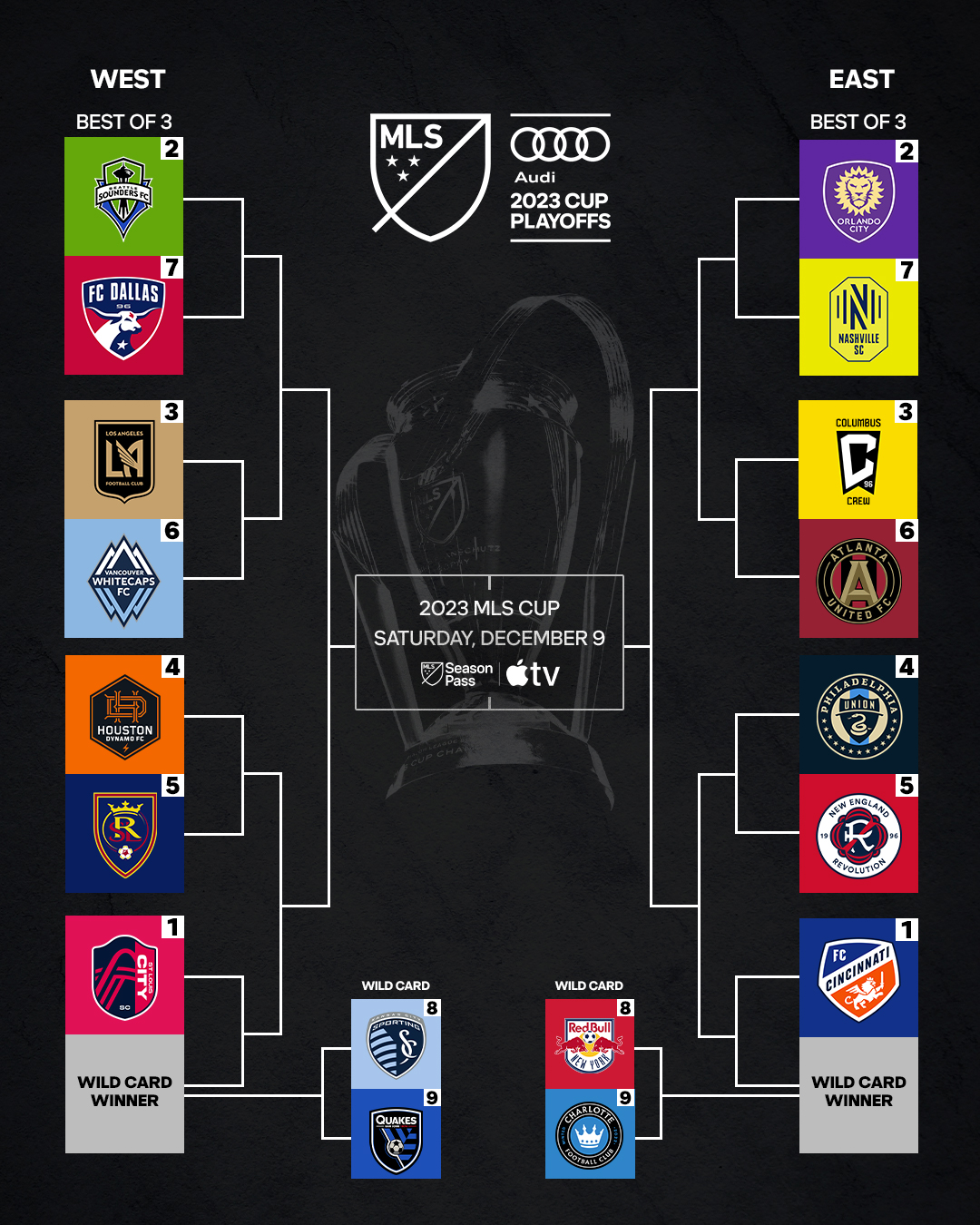
The number of teams qualifying for the MLS playoffs has varied throughout the league’s history, reflecting strategic decisions aimed at optimizing competition, fan engagement, and, crucially, financial returns. For the 2023 season, 18 out of 29 teams (9 from each conference) qualified for the expanded MLS Cup Playoffs, a format designed to inject greater excitement and provide more clubs with a postseason opportunity. This expansion isn’t accidental; it’s a calculated move with profound economic implications for all stakeholders.
Evolving Formats and Revenue Generation
Historically, sports leagues use playoffs as a mechanism to crown a champion while simultaneously creating highly marketable content. For MLS, the evolution of its playoff format, particularly the expansion to include more teams, directly correlates with efforts to maximize revenue streams. More playoff games mean more opportunities for ticket sales, concession revenue, merchandise sales, and crucially, increased viewership for broadcast partners. Each additional playoff series or game translates into tangible financial benefits that cascade through the league.
Consider the shift: a smaller playoff field concentrates financial benefits among fewer teams. An expanded field, like the current 18-team structure, democratizes these benefits to a greater extent. This move signals a broader financial strategy by the league to distribute potential windfalls, thereby strengthening more franchises and making the league as a whole more financially resilient. It’s a balance between ensuring competitive integrity and spreading the economic wealth generated by high-stakes matches. The number of teams making the cut directly influences the duration and intensity of the post-season, which in turn dictates the volume of premium sports content available for consumption and monetization.
Balancing Competition with Financial Inclusion
The decision to allow a significant portion of the league (over 60% in 2023) to qualify for the playoffs is a strategic balancing act. On one hand, it keeps more teams “in the hunt” for longer during the regular season, maintaining fan interest and attendance figures throughout the year. Teams that perceive a realistic chance of making the playoffs are more likely to invest in their rosters, engage in aggressive marketing, and maintain high operational standards, all of which have financial implications.
On the other hand, the financial inclusion aspect cannot be overlooked. By providing more teams with a playoff berth, the league ensures that a larger segment of its ownership groups and fan bases experience the financial and emotional uplift of postseason play. This widespread participation is vital for a league like MLS, which is still expanding and building its footprint in various markets across North America. It helps to consolidate fan bases, attract local sponsors, and validate the investment made by expansion teams. The number of playoff spots is, therefore, a key lever in managing the financial health and growth trajectory of the entire league, ensuring that success is not perpetually concentrated in a select few dominant clubs.
Direct Financial Windfalls for Playoff-Bound Teams
For individual MLS clubs, making the playoffs is not just a badge of honor; it’s a significant financial boon. The immediate and direct revenue streams generated by postseason participation can be substantial, often representing a critical boost to a team’s annual operating budget.
Gate Receipts, Merchandise, and Local Revenue
The most immediate financial impact for a playoff-bound team comes from increased gate receipts. Playoff games command higher ticket prices, and the urgency of knockout competition often translates into sold-out stadiums. For a team hosting even one home playoff match, the revenue from ticket sales alone can be millions of dollars, depending on stadium capacity and market demand. This is pure profit that might not have materialized otherwise.
Beyond tickets, playoff fever drives a surge in merchandise sales. Fans are eager to don their team’s colors, especially when success is on the line. Scarves, jerseys, and other team memorabilia fly off the shelves, providing another significant revenue stream. Moreover, increased attendance at home games boosts concession sales (food, beverages) and parking revenue. These local revenue streams are vital for clubs, directly impacting their bottom line and providing capital for future investments in players, facilities, or community programs. The more rounds a team progresses, the greater these cumulative benefits become, creating a powerful financial incentive to perform well.
Media Rights and Sponsorship Value Uplift
While a substantial portion of national media rights deals are shared across the league, individual teams still benefit from increased visibility during the playoffs. Local broadcast deals may include performance-based bonuses, and even without direct bonuses, the increased exposure significantly enhances a team’s value proposition to local sponsors. A team appearing in nationally televised playoff games or, especially, the MLS Cup final, gains immense brand exposure that can justify higher sponsorship fees in subsequent seasons.
Corporate sponsors are always looking for platforms that offer high visibility and engagement. Playoff games provide exactly that—intense, high-stakes competition watched by a dedicated audience. This heightened visibility can lead to new sponsorship agreements or renegotiated, more lucrative terms with existing partners. Furthermore, the league itself benefits from the elevated profile of its playoffs, leading to more valuable long-term media rights deals and overall league sponsorships, a portion of which is then distributed back to the clubs. The collective success of playoff-bound teams thus contributes to the overall financial strength of the MLS brand.
Indirect Financial Benefits and Long-Term Growth
Beyond the immediate cash injections, playoff participation yields a host of indirect financial benefits that contribute to a club’s long-term sustainability, growth, and overall valuation. These are often harder to quantify but are no less crucial for a modern sports franchise.
Enhancing Team Valuation and Investor Appeal
Consistent playoff appearances, especially coupled with deep runs or championships, significantly enhance a club’s market valuation. A successful, competitive team is a more attractive asset for potential investors or for existing owners looking to grow their portfolio. High valuation is a reflection of strong brand equity, a dedicated fan base, and a proven ability to generate revenue. In an expanding league like MLS, where franchise values have soared, playoff success is a key driver of this appreciation. Owners and prospective investors view playoff berths as indicators of a well-run organization with a promising future, making the club a more desirable and valuable commodity.
Attracting and Retaining Top Talent
Financial success and competitive success are intrinsically linked in professional sports. Teams that regularly make the playoffs often have the financial resources to attract and retain higher-caliber players. Top players are not only motivated by salary but also by the opportunity to compete for championships. A club with a strong playoff track record becomes a more appealing destination for ambitious athletes, which in turn can lead to even greater on-field success and further financial rewards. This virtuous cycle—playoff success leading to financial strength, enabling talent acquisition, leading to more success—is a powerful engine for long-term growth. Investing in scouting, player development, and attractive player contracts becomes more viable with the financial security afforded by consistent playoff runs.
Fan Engagement and Future Revenue Streams
Playoff success invigorates a team’s fan base. The excitement of postseason competition draws in casual viewers, converts them into dedicated followers, and deepens the loyalty of existing fans. This enhanced fan engagement is a long-term asset. Loyal fans are more likely to purchase season tickets, buy merchandise year-round, engage with club content, and support future initiatives. This translates into stable, predictable revenue streams for years to come. A club that consistently delivers playoff drama builds a legacy that transcends individual seasons, creating a multi-generational fan base—the ultimate long-term financial asset for any sports organization. The increased media coverage during playoffs also expands a team’s reach, potentially introducing new demographics to the sport and growing the overall fan pie.
The League-Wide Economic Impact of Playoff Expansion
The league’s strategic decision to expand the playoff field isn’t solely about benefiting individual clubs; it has a significant cumulative effect on the overall economic health and marketability of Major League Soccer itself.
Spreading the Wealth: More Teams, More Markets
When more teams qualify for the playoffs, the financial benefits are distributed across a wider geographic and demographic spread. This is particularly crucial for MLS, a league actively focused on expanding its footprint across North America. Enabling teams in newer markets or those still building their fan base to experience playoff football provides a vital jolt. It helps validate the league’s investment in these markets and encourages local fan bases to commit further.
This “spreading the wealth” strategy ensures that the league doesn’t become top-heavy with a few perpetually rich and successful clubs while others languish financially. A more financially robust collection of clubs makes the entire league more stable, competitive, and attractive to future investors and partners. It mitigates the risk of specific markets losing interest due to perpetual non-participation in high-stakes games.
Increasing Overall League Profile and Media Value
An expanded playoff format often means a longer, more dramatic postseason, which increases the overall media value of the league. More games, more teams involved, and more intense rivalries create a compelling narrative for broadcasters and advertisers. A longer playoff window keeps MLS in the sports news cycle for an extended period, competing more effectively for attention against other major sports leagues.
This heightened profile is crucial for negotiating future media rights deals, which are a cornerstone of any professional sports league’s revenue. A league that consistently delivers exciting, high-stakes competition with broad market appeal can command higher fees from broadcasters, thereby increasing the central revenue shared among all clubs. The decision on “how many MLS teams make the playoffs” is therefore a critical lever in shaping the league’s overall economic trajectory and its standing in the competitive North American sports landscape.
Strategic Financial Decisions Behind Playoff Qualification Rules
The formulation of playoff qualification rules is not just a sporting consideration; it is deeply intertwined with financial strategy. Every decision regarding the number of teams, seeding, and format has direct and indirect financial implications that shape incentives and outcomes.
Incentivizing Performance and Market Interest
By offering a substantial number of playoff berths, MLS creates strong financial incentives for teams to remain competitive throughout the regular season. For teams hovering around the playoff bubble, the potential financial gains from postseason play provide a compelling reason to invest in mid-season roster improvements, intensify training, and market aggressively to boost attendance. This continuous drive for performance across many teams prevents late-season games from becoming meaningless, ensuring that fan interest (and thus revenue) remains high even for clubs not at the top of the standings. This sustained market interest translates into consistent gate receipts, media viewership, and sponsor engagement throughout the entire season, not just for the contenders.
Mitigating Risk and Ensuring Competitive Balance
The league’s financial model thrives on competitive balance. If only a few teams consistently dominated and made the playoffs, over time, other markets might lose interest, leading to declining revenues and eventual financial instability. By allowing a larger number of teams to qualify, the league mitigates this risk. It ensures that upsets are more likely, new contenders can emerge, and the “Cinderella story” narrative, which is incredibly valuable for marketing and fan engagement, becomes a regular feature.
This strategy of competitive balance, partly facilitated by the number of playoff spots, aims to create a league where any team has a realistic shot at success over time. Such an environment ensures that investment in all franchises remains attractive, and the overall league product remains dynamic and unpredictable, which is a significant financial asset. The number of teams making the playoffs is therefore a deliberate financial policy, aimed at sustaining growth, ensuring market vibrancy, and maximizing the collective economic potential of Major League Soccer.
In conclusion, the question of “how many MLS teams make the playoffs” goes far beyond a simple statistic. It represents a foundational pillar of the league’s financial strategy, directly impacting individual team revenues, overall league valuation, and long-term growth. The expanded playoff format is a testament to MLS’s sophisticated approach to blending sporting competition with robust economic incentives, ensuring that the beautiful game continues to thrive financially across North America.
aViewFromTheCave is a participant in the Amazon Services LLC Associates Program, an affiliate advertising program designed to provide a means for sites to earn advertising fees by advertising and linking to Amazon.com. Amazon, the Amazon logo, AmazonSupply, and the AmazonSupply logo are trademarks of Amazon.com, Inc. or its affiliates. As an Amazon Associate we earn affiliate commissions from qualifying purchases.