
The adolescent years usher in a myriad of physiological changes, one of the most common and often frustrating being increased sebum production, leading to oily hair. For boy teenagers navigating these changes, the quest for the “right” shampoo isn’t merely about hygiene; it’s about confidence, social comfort, and personal presentation. From a brand perspective, this demographic represents a distinct and lucrative market segment, requiring tailored product development, strategic positioning, and astute marketing to address specific needs and preferences effectively.
Understanding the Teenage Oily Hair Segment: A Brand Perspective
Brands aiming to capture the loyalty of teenage boys with oily hair must first deeply understand the physiological underpinnings and psychological impacts of this condition. Puberty triggers hormonal fluctuations, primarily an increase in androgens, which stimulate sebaceous glands to produce more oil. This excess sebum can lead to greasy hair, clogged pores, and sometimes exacerbate acne on the scalp or hairline.
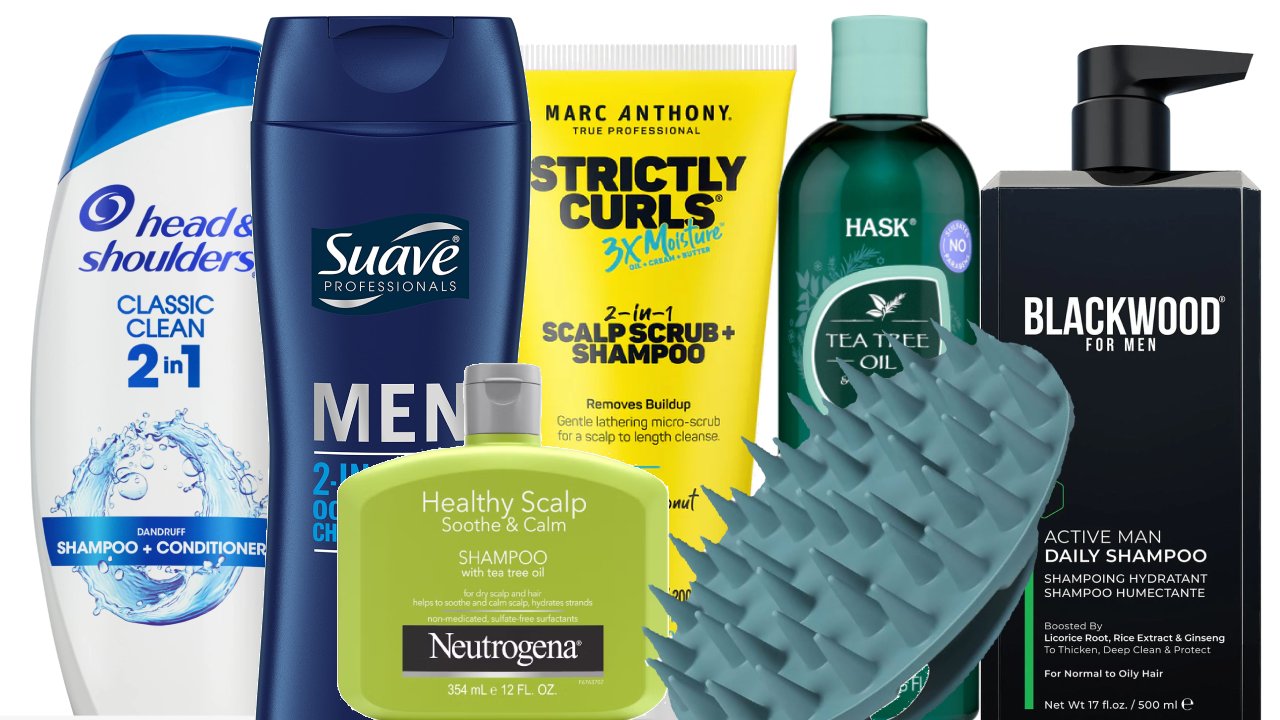
Physiological Drivers and Consumer Needs
From a product development standpoint, brands recognize that the core consumer need is effective oil control without stripping the hair or irritating the scalp. This means formulations must be potent enough to cleanse away excess sebum and residue from styling products, yet gentle enough to avoid triggering a rebound effect where the scalp overproduces oil in response to harsh cleansing. Brands also consider the often active lifestyles of teenagers, developing products that perform reliably after sports or prolonged wear of hats, which can further contribute to oiliness. The desired outcome is hair that feels clean, looks fresh, and remains manageable throughout the day.
Market Segmentation and Target Audience Definition
Successful brands in this niche meticulously segment their market. Teenage boys are not a monolithic group; variations exist in hair type (fine vs. thick), lifestyle (active vs. less active), and personal grooming habits. However, the unifying factor is the struggle with excess oil. Brands target this demographic through formulations that promise not just cleanliness, but also specific benefits like freshness, volume without weight, or even a specific scent profile that appeals to young men. Marketing efforts often differentiate by highlighting efficacy, speed of use, and a sense of “cool” or practicality, moving away from overly complex routines.
Brand Formulations for Oil Control: Ingredients and Innovation
The foundation of any successful shampoo for oily hair lies in its ingredient deck. Brands invest heavily in research and development to identify and combine active ingredients that effectively manage sebum without causing adverse reactions. The challenge is to balance robust cleansing with scalp health.
Key Ingredient Strategies
- Salicylic Acid: A beta-hydroxy acid (BHA) renowned for its exfoliating properties. Brands incorporate salicylic acid to help dissolve sebum, unclog pores, and reduce the buildup of dead skin cells on the scalp, which can contribute to oiliness and flakiness. Its inclusion is often highlighted as a key differentiator for medicated or deep-cleansing shampoos.
- Zinc PCA (Pyrrolidone Carboxylic Acid): This ingredient is a zinc salt of L-Pyrrolidone Carboxylic Acid and is valued for its sebum-regulating properties. Brands use Zinc PCA to directly target the enzymes responsible for sebum production, thereby helping to normalize oil levels over time. It’s often found in more sophisticated oil-control formulations aiming for long-term benefits.
- Tea Tree Oil: A natural essential oil with antiseptic and antifungal properties. Brands leverage tea tree oil for its refreshing sensation and ability to cleanse the scalp deeply, addressing potential microbial overgrowth that can accompany oiliness. Its natural appeal and distinct scent are often marketing points.
- Activated Charcoal & Clays (e.g., Kaolin, Bentonite): These ingredients act as powerful absorbents. Brands utilize them to draw out impurities, excess oil, and product buildup from the scalp and hair, providing a “detoxifying” or “purifying” experience. They are often featured in clarifying or weekly treatment shampoos.
- Sulfate-Free Surfactant Systems: While sulfates (like SLS and SLES) are effective cleansers, some brands have shifted towards sulfate-free formulations. This strategy appeals to consumers concerned about potential harshness, dryness, or scalp irritation, aiming to offer a gentler yet effective cleansing experience. Brands employing this approach often emphasize “mild yet powerful” cleansing.
The Role of pH Balance and Gentle Cleansing in Brand Offerings
Modern shampoo brands increasingly emphasize pH-balanced formulas. The scalp’s natural pH is slightly acidic (around 4.5-5.5). Using shampoos that are too alkaline can disrupt this balance, leading to dryness, irritation, or an overproduction of oil as the scalp attempts to rebalance itself. Brands that formulate pH-balanced products for oily hair highlight this feature to assure consumers of gentle, non-stripping cleansing that respects scalp integrity. This nuanced approach differentiates brands from generic, harsh cleansers, positioning them as science-backed and scalp-friendly.

Differentiating Through “Free-From” and Natural Claims
In an increasingly ingredient-conscious market, brands differentiate themselves through “free-from” claims (e.g., paraben-free, silicone-free, dye-free) and an emphasis on natural or organic ingredients. For parents purchasing for their teenagers, or teenagers becoming more discerning consumers, these claims often signify a perceived safer, healthier, or more environmentally friendly product. Brands strategically use these claims in their packaging and marketing to align with consumer values and preferences, positioning their products as a premium or more conscious choice within the oily hair segment.
Marketing and Brand Positioning to Reach Teenagers
Effective marketing is crucial for brands to cut through the noise and connect with the teenage demographic. This involves understanding their media consumption habits, communication styles, and what truly resonates with them.
Digital Engagement and Influencer Marketing
Teenagers are digital natives. Brands specifically targeting boy teenagers with oily hair invest heavily in digital marketing, including social media campaigns on platforms like TikTok, Instagram, and YouTube. Influencer marketing plays a pivotal role, with brands collaborating with micro- and macro-influencers who genuinely connect with the target audience. These influencers often create authentic content demonstrating product efficacy in real-life scenarios, offering relatable testimonials that build trust and drive purchase intent. The messaging focuses on problem-solving, convenience, and achieving a desirable aesthetic without being overly complicated or effeminate.
Packaging Design and Messaging for the Youth Market
Packaging for this segment is typically designed to be practical, modern, and often minimalist or “masculine” in aesthetic. Brands opt for sturdy, easy-to-use bottles with clear, concise messaging. The language used on packaging and in advertisements is direct, speaks to the specific problem of oily hair, and highlights benefits relevant to a teenage boy’s lifestyle—e.g., “all-day freshness,” “deep clean,” “invigorating.” Colors tend to be darker hues, metallics, or vibrant, energetic tones that signal freshness and efficacy without being overtly gendered in a traditional sense. The emphasis is on functionality and effectiveness, often subtly linking hair health to overall confidence and readiness.
Building Brand Trust Through Efficacy and Transparency
Ultimately, brand loyalty among teenagers is earned through consistent product efficacy. A shampoo promising to control oil must deliver on that promise. Brands build trust by being transparent about their ingredients, explaining the science behind their formulations, and showcasing positive results. This transparency extends to handling customer feedback and reviews, which teenagers frequently consult before making purchasing decisions. Brands that are responsive and visible in these spaces foster a sense of reliability and credibility, which is paramount in a market where word-of-mouth and peer recommendations hold significant sway.

Guiding Consumer Choice: A Brand-Informed Approach
For a boy teenager with oily hair, selecting the right shampoo is about finding a brand that aligns with his specific needs and values. From a brand perspective, the “best” shampoo is one that successfully targets the physiological cause of oiliness, is formulated with effective and appropriate ingredients, is marketed in a way that resonates, and ultimately delivers on its promise.
When recommending a shampoo, a brand-informed approach considers several factors:
- Active Ingredients: Look for brands that clearly highlight ingredients like salicylic acid, zinc PCA, or activated charcoal, known for their oil-controlling properties.
- Formula Gentleness: Consider brands that emphasize pH balance and sulfate-free formulations to ensure thorough cleansing without stripping the scalp.
- Brand Reputation & Reviews: Explore brands with a strong track record in addressing oily hair concerns, paying attention to reviews from other teenage users for authenticity and relatable experiences.
- Scent & Aesthetic: While secondary to efficacy, the scent and overall brand aesthetic can influence a teenager’s willingness to consistently use a product. Brands that offer clean, fresh, or subtly masculine scents often fare well.
- Targeted Marketing: Brands that specifically market towards teenage boys with oily hair often have formulations and messaging that are more finely tuned to their unique challenges.
In conclusion, the market for oily hair shampoos for teenage boys is a dynamic landscape where brands compete by offering specialized solutions rooted in scientific formulation, strategic marketing, and a deep understanding of their target consumer. For teenagers seeking relief, exploring brands that demonstrate these attributes will lead to more effective and satisfying product choices.
aViewFromTheCave is a participant in the Amazon Services LLC Associates Program, an affiliate advertising program designed to provide a means for sites to earn advertising fees by advertising and linking to Amazon.com. Amazon, the Amazon logo, AmazonSupply, and the AmazonSupply logo are trademarks of Amazon.com, Inc. or its affiliates. As an Amazon Associate we earn affiliate commissions from qualifying purchases.