
As the natural world awakens, so too do consumer preferences, subtly shifting towards a palette that mirrors the season’s inherent promise of renewal and growth. For brands, understanding “what colors are in for spring” isn’t merely a matter of aesthetic appeal; it’s a critical component of strategic marketing, product design, and maintaining a vibrant, relevant corporate identity. Colors are silent communicators, carrying significant psychological weight that can influence perception, drive purchasing decisions, and reinforce brand messaging. For spring, this communication often centers on themes of freshness, optimism, and innovation, translating into a diverse yet cohesive set of hues that resonate deeply with the collective seasonal mindset.

The Strategic Palette: Understanding Spring’s Color Influence on Brand Perception
Color is arguably the most immediate visual cue a brand offers. In spring, the prevalent color trends tap into primal human desires for lightness, joy, and new beginnings. Brands that strategically integrate these seasonal hues into their identity, product lines, and marketing campaigns can forge stronger emotional connections with their audience, signaling adaptability and forward-thinking. This goes beyond simply picking a pretty shade; it’s about aligning the brand’s visual language with the evolving emotional landscape of its consumers.
Psychological Resonance of Spring Tones
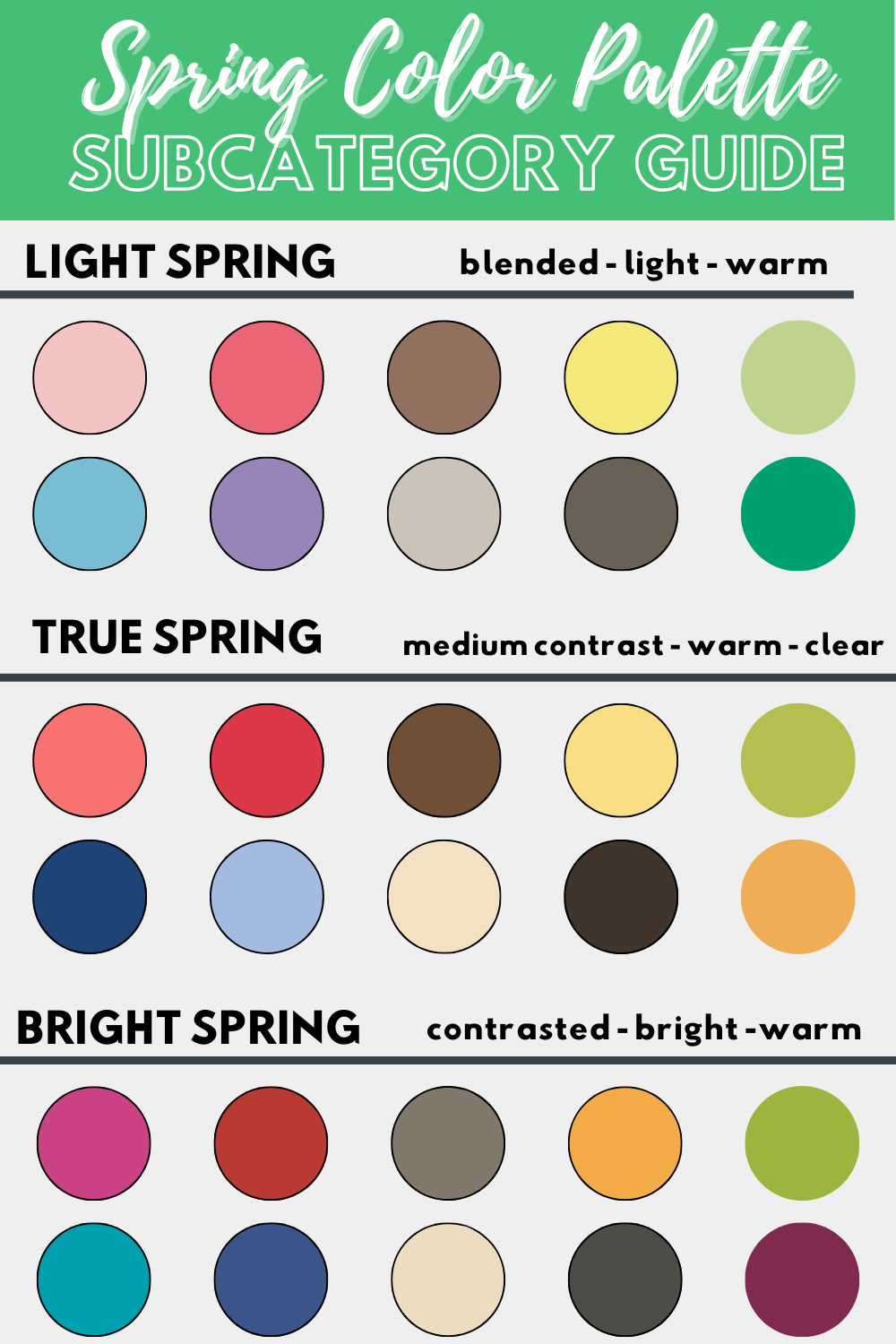
The typical spring palette is often characterized by a blend of soft pastels, invigorating brights, and grounding neutrals inspired by nature. Each category carries its own psychological implications critical for brand strategists:
- Pastels (e.g., Lilac, Mint Green, Baby Blue, Pale Peach): These gentle, muted tones evoke softness, comfort, tranquility, and a sense of innocence or youthfulness. Brands aiming for a calming, approachable, or luxurious feel, particularly in wellness, beauty, and home goods sectors, find immense value in these shades. They suggest new growth without being overly bold, appealing to a desire for gentle transitions.
- Vibrant Brights (e.g., Sunny Yellow, Coral, Fuchsia, Electric Blue): Reflecting the burst of energy and life inherent in spring, these lively colors communicate optimism, excitement, creativity, and dynamism. They are excellent for brands seeking to inject energy, capture attention, or convey innovation. Fashion, technology, and experiential marketing often leverage these energetic hues to create impact and memorable campaigns.
- Nature-Inspired Neutrals (e.g., Sage Green, Sand, Terracotta, Sky Blue): These colors ground the spring palette, connecting consumers to the natural world and its cycles. They convey authenticity, sustainability, stability, and organic purity. Brands focused on eco-consciousness, artisanal products, outdoor gear, or those aiming for a sophisticated, understated elegance find these colors particularly effective in building trust and credibility.
By carefully selecting and combining these tones, brands can construct a narrative that speaks directly to the spring zeitgeist, enhancing their perceived relevance and appeal.
Crafting Cohesion with Seasonal Shifts
A key challenge for brand identity is balancing timelessness with timely relevance. While a brand’s core colors should remain consistent to ensure recognition, seasonal variations allow for dynamic engagement. Spring colors offer an opportunity for brands to refresh their visual identity without a complete overhaul. This might involve:
- Accent Colors: Introducing spring shades as accent colors in logos, website designs, or social media graphics.
- Limited Edition Products: Releasing products in new, seasonal colorways to create excitement and a sense of urgency.
- Campaign-Specific Palettes: Developing entirely new color palettes for spring marketing campaigns that diverge slightly from the core brand colors but still feel harmonious.
This strategic flexibility demonstrates a brand’s responsiveness to cultural shifts and consumer desires, reinforcing its contemporary appeal while preserving its foundational identity.
Translating Trends into Tangible Assets: Design and Marketing Applications
The theoretical understanding of spring’s color trends must translate into actionable strategies across various brand touchpoints. This involves meticulous consideration in product development, digital and physical marketing assets, and even service environments, ensuring a unified and impactful brand experience.
Product Development and Merchandising
For consumer goods, spring colors directly inform product design. Apparel, home decor, electronics, cosmetics, and even automotive industries unveil new collections that prominently feature the season’s prevalent hues. This isn’t just about aesthetics; it’s about market readiness. A product line that fails to incorporate current color trends risks appearing outdated or less desirable, impacting sales and market share.
- Material and Finish: The choice of material and finish can dramatically alter how a color is perceived. A matte pastel might feel sophisticated and soft, while a glossy vibrant tone could be seen as playful and modern. Brands must consider how texture complements the chosen spring shades.
- Assortment Planning: Merchandisers use spring color palettes to create visually appealing displays that encourage browsing and purchasing. Grouping products by complementary seasonal colors can create an inviting and cohesive shopping experience, guiding the customer’s eye and suggesting lifestyle aspirations.
- Packaging Design: Product packaging is a critical brand touchpoint. Spring-themed packaging can capture attention on shelves, convey seasonality, and enhance the unboxing experience. Whether it’s a limited-edition floral print or a pastel-colored box, packaging that aligns with spring trends communicates freshness and novelty.
Digital Presence and Content Marketing
In the digital realm, color trends are equally vital. A brand’s website, social media feeds, and digital advertisements are primary channels for visual communication. Incorporating spring colors here ensures the brand’s online presence feels current and engaging.
- Website Design: Updating hero images, banners, and call-to-action buttons with spring colors can give a website a fresh, seasonal facelift, signaling vitality and encouraging exploration.
- Social Media Strategy: Platforms like Instagram and Pinterest are highly visual. Brands can curate their feeds with spring palettes, using color to create a consistent, aesthetically pleasing narrative. This includes everything from product photography to graphic design elements in posts and stories.
- Email Marketing: Newsletters and promotional emails can leverage spring colors to make them more inviting and visually appealing, increasing open rates and engagement. Seasonal headers, colored buttons, and relevant imagery can reinforce the message of renewal.
Advertising Campaigns and Storytelling
Spring provides a rich backdrop for storytelling in advertising. Color plays a pivotal role in setting the mood and conveying the core message. Advertising campaigns featuring models in spring apparel, products showcased in light-filled, airy settings, or graphics employing a vibrant, hopeful palette instantly communicate a sense of new beginnings and positive change. This deliberate choice of color creates an emotional context that helps consumers connect with the brand’s narrative and aspirations for the season.
Beyond Aesthetics: The Business Impact of Seasonal Color Adoption
The adoption of spring color trends is far from a superficial exercise; it’s a strategic business decision with measurable impacts on market relevance, competitive advantage, and ultimately, a brand’s bottom line. Brands that expertly weave seasonal color narratives into their operations often see enhanced engagement and stronger market positions.
Boosting Brand Relevance and Modernity
A brand that consistently updates its visual identity with contemporary color trends signals that it is dynamic, attuned to consumer desires, and relevant in the current market landscape. Conversely, a brand that remains visually static may appear outdated or out of touch. Spring color adoption is a demonstration of market agility and a commitment to staying fresh, which can significantly enhance brand perception among target demographics. This proactive approach helps to keep the brand’s image vibrant and appealing to an evolving consumer base, ensuring it remains part of cultural conversations.
Gaining a Competitive Edge
In crowded markets, differentiation is key. Adopting and interpreting spring color trends uniquely can provide a significant competitive advantage. While many brands may gravitate towards similar palettes, the nuance in application—how colors are combined, the materials they’re applied to, and the stories they tell—can set a brand apart. This could mean being the first to market with a particular spring hue, or using a less conventional but highly impactful combination that resonates deeply with a niche audience. Such strategic color choices help brands stand out from competitors who might employ a more generic or less inspired approach.
Influencing Consumer Behavior and Sales
The emotional response evoked by spring colors directly translates into consumer behavior. Colors associated with optimism and freshness can uplift moods, making consumers more receptive to purchasing. A beautifully designed product in a trending spring color feels more desirable, often commanding higher perceived value. Seasonal collections and limited editions, driven by current color trends, create a sense of urgency and exclusivity, encouraging impulse buys and driving immediate sales spikes. Furthermore, the “newness” factor associated with spring color releases can generate significant media buzz and social media sharing, amplifying brand reach and influencing broader purchasing trends.
Forecasting and Future-Proofing: Staying Ahead of the Color Curve
For brands to consistently leverage spring color trends, they must engage in proactive trend forecasting rather than reactive adoption. This involves understanding the cyclical nature of color, the societal influences that shape preferences, and how to integrate this foresight into a long-term brand strategy.
The Science and Art of Color Forecasting
Color trends do not emerge in a vacuum; they are often the result of extensive research by forecasting agencies, influenced by global socio-economic factors, cultural movements, technological advancements, and even environmental concerns. Brands often subscribe to these services or conduct their own internal research to predict upcoming palettes. Key considerations include:
- Macro Trends: Broader shifts in consumer values (e.g., sustainability, mindfulness, digital escapism) heavily influence color preferences. Spring palettes often reflect a collective yearning for specific experiences or states of being.
- Fashion and Design Influence: High fashion runways, interior design shows, and automotive releases frequently set the initial tone for color trends, which then trickle down to other industries.
- Regional Variations: While global trends exist, local cultural nuances can influence color popularity. Brands with international markets must consider adapting palettes to suit regional tastes.

Integrating Foresight into Brand Strategy
Armed with color forecasts, brands can plan their product development cycles, marketing calendars, and communication strategies well in advance. This foresight allows for:
- Early Adoption: Being among the first to introduce a compelling spring color story can establish a brand as a trendsetter and innovator.
- Strategic Inventory Management: Planning production around anticipated popular colors can optimize inventory levels and minimize waste from less popular hues.
- Consistent Messaging: Integrating forecasted colors into brand guidelines for the upcoming spring season ensures all departments—from product design to marketing—are working with a unified vision, resulting in a cohesive and impactful brand presence.
By actively engaging in color forecasting and integrating it into their strategic planning, brands can not only respond to “what colors are in for spring” but also shape those trends, maintaining a dynamic, relevant, and ultimately, successful brand identity for seasons to come. The conscious and strategic use of spring’s palette transforms simple aesthetics into a powerful tool for connection, differentiation, and growth.
aViewFromTheCave is a participant in the Amazon Services LLC Associates Program, an affiliate advertising program designed to provide a means for sites to earn advertising fees by advertising and linking to Amazon.com. Amazon, the Amazon logo, AmazonSupply, and the AmazonSupply logo are trademarks of Amazon.com, Inc. or its affiliates. As an Amazon Associate we earn affiliate commissions from qualifying purchases.