
Understanding the specifics of your bank account is a foundational element of personal financial literacy. Among the most common questions individuals have, especially with a major institution like Chase Bank, is the precise length and nature of their account number. Far from being a trivial detail, knowing the structure of your Chase account number, how it functions, and how to protect it, is crucial for secure and efficient financial management. This article delves into the specifics of Chase bank account numbers, their role in the financial ecosystem, and the broader context of safeguarding your financial identity.
Understanding Your Chase Bank Account Number
At its core, a bank account number is a unique identifier assigned to each individual or entity’s account within a financial institution. For customers of Chase Bank, one of the largest banks in the United States, this number serves as the primary means of identification for transactions, deposits, and withdrawals. While the exact length can sometimes be a source of confusion, particularly when compared to other financial identifiers, there’s a standard range that Chase adheres to.
The Standard Length of a Chase Account Number
A Chase bank account number typically consists of 10 to 12 digits. While 10 digits are very common, it’s not unusual to encounter 11 or even 12 digits depending on the specific account type, when it was opened, and internal banking system configurations. This range provides Chase with ample capacity to assign unique identifiers to its millions of customers and their various accounts (checking, savings, etc.). Unlike credit card numbers which have a uniform 16-digit length dictated by payment networks, bank account numbers are more specific to individual banks’ internal numbering systems, though they generally fall within a similar ballpark for major institutions. When you need to provide your account number for direct deposits, automatic payments, or transfers, you’ll find this 10 to 12 digit sequence prominently displayed on your bank statements, within your online banking portal, or on physical checks.
Why Account Numbers Vary Across Institutions
While Chase generally uses 10 to 12 digits, it’s worth noting that the length of bank account numbers can vary significantly across different banks and countries. For instance, some smaller regional banks might use fewer digits, while some international banks might employ longer sequences, sometimes incorporating specific codes for branches or regions directly into the account number itself. This variance stems from the fact that there isn’t a universally mandated standard for account number length. Each bank develops its own internal system for identifying customer accounts, balancing the need for uniqueness, system efficiency, and security. The key takeaway for consumers is to always refer to their specific bank’s official documentation or online portal to confirm their particular account number, rather than relying on generalized assumptions. This prevents errors in financial transactions and ensures accurate routing of funds.
Differentiating Account Numbers from Other Identifiers
It’s common for individuals to confuse their bank account number with other important financial identifiers. The most frequent mix-ups occur with routing numbers, debit card numbers, and sometimes even loan account numbers. A debit card number is a 16-digit number associated with a specific payment network (Visa, Mastercard) and is primarily used for point-of-sale transactions and online purchases. While linked to your checking account, it is not your account number. A routing number, typically 9 digits long, identifies your financial institution and is used in conjunction with your account number to direct funds to the correct bank and then to the correct account. Understanding these distinctions is paramount for avoiding errors and protecting your financial information from misuse. Your bank account number is the direct address for your funds within your bank, whereas other numbers serve different, albeit related, functions.
The Structure and Purpose of Bank Account Numbers
Beyond simply identifying an account, the sequence of digits in a bank account number is not arbitrary. It’s a carefully constructed code designed for both internal banking operations and external financial transactions. Understanding this structure sheds light on the sophistication behind everyday banking processes and underscores the importance of this seemingly simple numerical string.
What Do the Digits Represent?
While banks generally don’t disclose the exact internal logic of their account numbering systems for security reasons, it’s safe to assume that the digits serve multiple purposes. Typically, portions of the account number might be used to:
-
Identify the branch or region where the account was opened, especially for older or larger banking systems.
-
Categorize the account type, distinguishing between checking, savings, money market, or even specific business accounts.
-
Sequentially identify the customer’s specific account within that branch or category.
-
Include a checksum digit, a mathematical verification digit used to detect errors during data entry or transmission. This helps ensure that a mistyped number is flagged as invalid rather than directing funds to the wrong account.
This internal encoding allows banks to quickly and accurately process transactions, manage customer records, and maintain the integrity of their vast financial databases. The complexity behind these numbers is a testament to the intricate systems required to manage global financial flows.
The Role of Account Numbers in Financial Transactions
The bank account number is the linchpin for almost all direct financial movements involving your funds. Whether you are setting up direct deposit for your paycheck, arranging for automatic bill payments, initiating a wire transfer, or simply depositing a check, your account number is indispensable.
-
Direct Deposits: Employers use your account and routing numbers to electronically transfer your salary directly into your checking or savings account.
-
Automated Payments (ACH): Utility companies, lenders, and subscription services use your account number to debit recurring payments automatically from your account.
-
Electronic Funds Transfers (EFTs): Sending money to friends, family, or businesses often involves providing your account number and routing number for domestic transfers, or additional details like SWIFT codes for international transactions.
-
Depositing Checks: While less common digitally, when depositing a physical check, your account number ensures the funds are credited to your specific account.
In essence, without your account number, electronic funds cannot be accurately directed to or from your bank account, highlighting its critical role in modern financial convenience.
How Banks Use These Numbers Internally
Internally, banks leverage account numbers for a myriad of operational processes. They are fundamental to:
-
Record-Keeping and Reconciliation: Every transaction, balance update, and customer interaction is meticulously linked to an account number, allowing banks to maintain accurate and auditable financial records.
-
Fraud Detection: By monitoring patterns of activity associated with specific account numbers, banks can identify unusual or suspicious transactions that may indicate fraudulent behavior.
-
Customer Service: When you contact Chase with an inquiry, providing your account number (after proper verification) allows customer service representatives to quickly access your specific account details and provide assistance.
-
Regulatory Compliance: Financial institutions are subject to strict regulatory requirements, and account numbers are central to reporting obligations, such as anti-money laundering (AML) and know-your-customer (KYC) initiatives, ensuring transparency and preventing illicit financial activities.
The account number, therefore, is not just a label; it’s an operational backbone that facilitates secure, efficient, and compliant banking operations.
Safeguarding Your Bank Account Information
Given its crucial role, protecting your Chase bank account number, along with other sensitive financial data, is paramount. In an increasingly digital world, the threat of identity theft and financial fraud is ever-present, making vigilance and proactive security measures indispensable for every account holder.
Best Practices for Keeping Your Account Number Secure

Maintaining the security of your bank account number requires a combination of common sense and digital hygiene.
-
Physical Security: Shred old bank statements, canceled checks, and any documents containing your account number before disposing of them. Avoid carrying unnecessary documents with your full account number in your wallet.
-
Online Security: Only access your Chase online banking portal through trusted networks and secure, private devices. Use strong, unique passwords for your banking accounts and enable two-factor authentication (2FA) whenever possible. Never share your account number over unsecured public Wi-Fi.
-
Discretion: Be extremely cautious about who you provide your account number to. Only share it with trusted entities for legitimate purposes, such as direct deposit with an employer or setting up automatic bill payments with a reputable service provider. Avoid sharing it over email or text messages unless absolutely necessary and with confirmed, secure channels.
-
Check Verification: When writing checks, remember that your account number is printed on them. Store your checkbook securely and monitor your account for any suspicious activity.
-
Official Communications: Chase will never ask for your full account number or other sensitive details via unsolicited email or text message. Be wary of any such requests.
Recognizing and Avoiding Phishing Scams
Phishing attacks are one of the most common methods criminals use to trick individuals into revealing their bank account numbers and other personal information. These scams often mimic legitimate communications from banks or other trusted organizations.
-
Email and Text Phishing: Be suspicious of emails or texts that demand urgent action, threaten account closure, or promise unlikely rewards. Always check the sender’s email address – slight misspellings or unusual domains are red flags.
-
Fake Websites: Phishing attempts often direct users to fraudulent websites that look identical to official bank portals. Before entering your login credentials or account number, always verify that the website URL is correct (e.g.,
www.chase.com) and that it uses HTTPS (indicated by a padlock icon in the browser). -
Unsolicited Calls: Be wary of unsolicited phone calls claiming to be from Chase and asking for your account number, PIN, or other sensitive data. If you’re unsure, hang up and call Chase directly using the official number listed on their website or your bank statement.
Educating yourself on these common tactics is your first line of defense against financial fraud.
What to Do If Your Account Number is Compromised
Despite your best efforts, sometimes account information can be compromised. Swift action is crucial to mitigate potential damage.
-
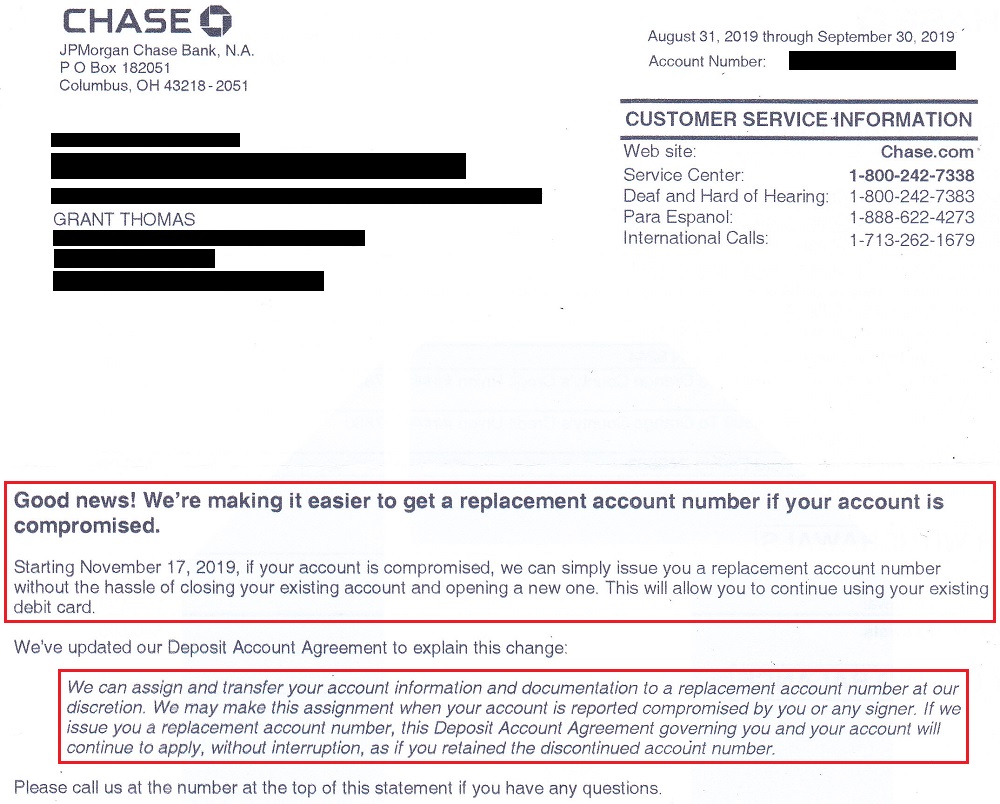
Contact Chase Immediately: As soon as you suspect your account number has been compromised, contact Chase Bank through their official customer service lines. They can advise you on the next steps, which may include placing alerts on your account or even closing it and opening a new one.
-
Monitor Your Accounts: Regularly check your bank statements and online banking activity for any unauthorized transactions. Report any suspicious activity to Chase immediately.
-
Change Passwords: If your online banking credentials might have been compromised, change your passwords for banking and other sensitive accounts.
-
Consider Credit Monitoring: If other personal information (like your Social Security Number) was also compromised, consider signing up for credit monitoring services to detect potential identity theft.
-
File a Police Report: In severe cases of fraud, filing a police report might be necessary. Chase can guide you on whether this step is appropriate.
Proactive monitoring and quick response are key to limiting the financial impact of a security breach.
Beyond the Account Number: Other Key Financial Identifiers
While your Chase account number is central to your domestic banking, the broader financial landscape utilizes several other identifiers, each serving a distinct and important purpose. Understanding these additional codes enhances your financial literacy and empowers you to navigate various transaction types with confidence.
Chase Routing Numbers Explained
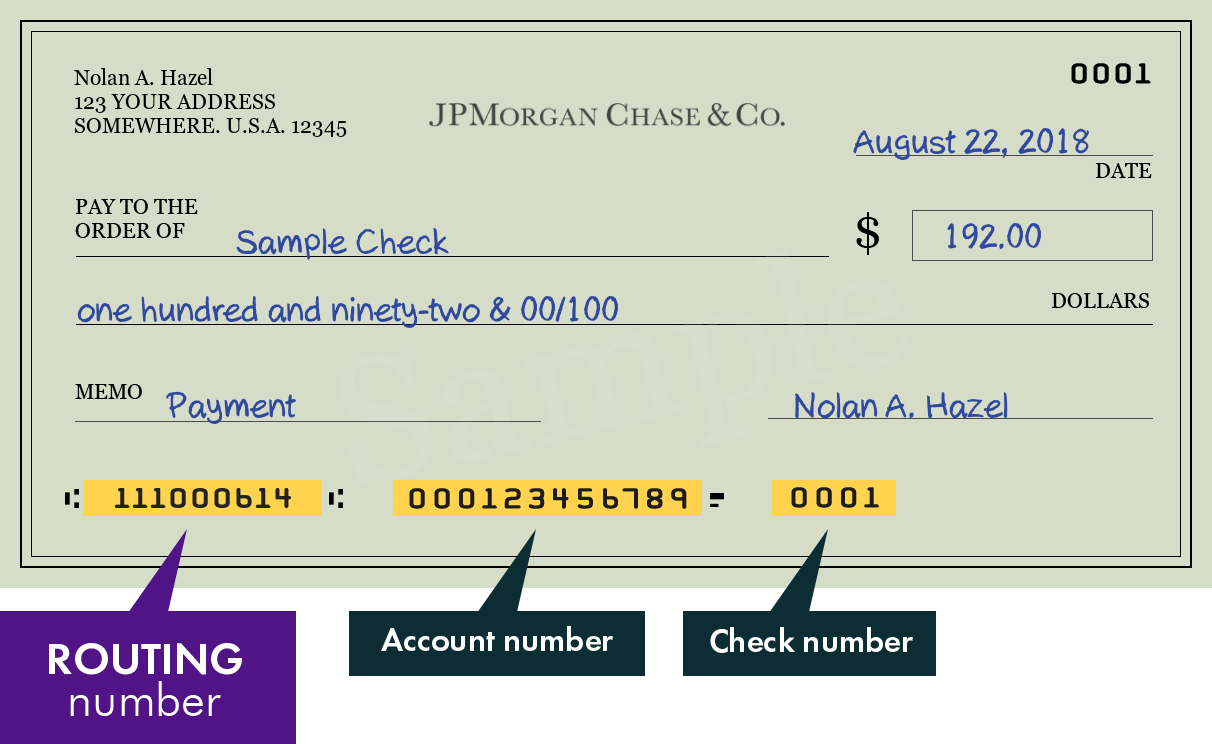
Complementing your bank account number is the routing number, a 9-digit code that identifies your specific financial institution. For domestic transactions within the United States, both the routing number and your account number are required to ensure funds are sent to the correct bank and then to your particular account. Chase, being a large national bank, has several routing numbers depending on the state or region where your account was opened and the type of transaction (e.g., wire transfer vs. ACH).
-
Purpose: Routing numbers are primarily used for Automated Clearing House (ACH) transactions (like direct deposits and automatic bill payments), wire transfers, and processing checks.
-
Location: You can typically find your Chase routing number on the bottom left of your checks, on your bank statements, or by logging into your online banking portal.
-
Importance: Using the correct routing number is just as critical as using the correct account number. An incorrect routing number could delay or even misdirect funds, leading to significant inconvenience.
Debit Card Numbers vs. Account Numbers
As discussed earlier, it’s essential to distinguish between your 10-12 digit bank account number and the 16-digit number printed on your debit card.
-
Debit Card Number: This number is linked to a payment network (Visa, Mastercard, etc.) and is used for point-of-sale purchases, online shopping, and ATM transactions. It’s a payment instrument, not the direct identifier of your underlying bank account for purposes like direct deposit.
-
Security Implications: Because debit card numbers are used for transactional purposes, they are more frequently exposed. Banks often implement systems to allow you to easily replace a compromised debit card without affecting your core bank account number. Conversely, a compromised account number often necessitates more drastic security measures.
Understanding this distinction helps in managing security risks and using each identifier appropriately.
SWIFT/BIC Codes for International Transactions
For international money transfers, another identifier comes into play: the SWIFT code (Society for Worldwide Interbank Financial Telecommunication) or BIC code (Bank Identifier Code). These are typically 8 or 11 characters long and uniquely identify a specific bank and often a specific branch within an international network.
-
Purpose: SWIFT/BIC codes are necessary when sending or receiving money across national borders. They ensure that international wire transfers are routed to the correct bank in the correct country.
-
Location: Chase’s SWIFT/BIC code for international transfers can usually be found on their official website or by contacting their international transfer department. It’s crucial to use the correct SWIFT code as an incorrect one can lead to significant delays or even loss of funds.
This global system of identification underscores the complexity and standardization required to facilitate seamless financial transactions across continents.
The Digital Evolution of Account Management
The way we interact with our bank account numbers and manage our finances has been profoundly transformed by digital technology. Online banking, mobile apps, and advanced security protocols have made accessing and protecting our financial information more convenient, yet also necessitate a new level of digital vigilance.
Accessing Your Account Number Online and Via Mobile Apps
One of the most significant conveniences of modern banking is the ability to access your account information, including your full account number, directly through Chase’s online banking portal or their mobile app.
-
Online Portal: After securely logging into
chase.com, you can typically navigate to your account details section to view your checking and savings account numbers, along with associated routing numbers. This information is usually protected behind additional authentication steps to ensure your security. -
Mobile App: The Chase mobile app offers similar functionality, allowing you to quickly check your account number on the go. This convenience eliminates the need to carry physical bank statements or checks solely for this information.
While convenient, it’s crucial to always ensure you are using the official Chase website or app and that your devices are secure to prevent unauthorized access.
The Importance of Two-Factor Authentication
The rise of digital access has also led to an increased emphasis on robust security measures like Two-Factor Authentication (2FA) or Multi-Factor Authentication (MFA). Chase, like most major financial institutions, strongly encourages and often requires 2FA for online banking.
-
How it Works: Beyond just a password, 2FA requires a second piece of verification, such as a code sent to your registered mobile phone via SMS, a push notification to your banking app, or a biometric scan (fingerprint, face ID).
-
Enhanced Security: Even if a fraudster manages to obtain your password, they would still need this second factor to gain access to your account, significantly reducing the risk of unauthorized access to your account number and funds.
Implementing and consistently using 2FA across all your financial accounts is a critical component of modern digital financial security.
Future Trends in Financial Identification
The evolution of financial identification is ongoing. While traditional account numbers and routing numbers remain fundamental, future trends suggest even more secure and streamlined methods for identifying accounts and authorizing transactions.
-
Biometrics: Further integration of fingerprint, facial recognition, and even voice authentication could replace or supplement traditional numerical identifiers, offering greater convenience and security.
-
Tokenization: The process of replacing sensitive data with a unique identifier (token) that cannot be reverse-engineered could become more widespread, especially for online payments, further abstracting your actual account number from transactional exposure.
-
Blockchain and Distributed Ledger Technologies: While still in nascent stages for mainstream retail banking, these technologies hold potential for creating highly secure, transparent, and immutable records of financial identities and transactions, potentially revolutionizing how accounts are identified and managed.
These innovations aim to enhance both the security and user experience of managing money, building upon the foundational role that account numbers play today.
In conclusion, a Chase bank account number, typically 10 to 12 digits long, is more than just a random sequence; it’s a vital, carefully constructed identifier at the heart of your financial life. Understanding its purpose, protecting its confidentiality, and recognizing its distinction from other financial codes are essential steps toward robust personal finance management in today’s digital age. As banking continues to evolve, staying informed about these fundamental aspects will remain key to safeguarding your financial well-being.
aViewFromTheCave is a participant in the Amazon Services LLC Associates Program, an affiliate advertising program designed to provide a means for sites to earn advertising fees by advertising and linking to Amazon.com. Amazon, the Amazon logo, AmazonSupply, and the AmazonSupply logo are trademarks of Amazon.com, Inc. or its affiliates. As an Amazon Associate we earn affiliate commissions from qualifying purchases.