
In the modern subscription economy, the recurring monthly bill has become a fundamental unit of household finance. While digital streaming services for video and music often dominate the conversation, SiriusXM remains a unique and significant player in the personal finance landscape. For many drivers and remote workers, the question of “how much for Sirius radio” is not just about a single number, but about understanding a complex web of pricing tiers, hidden fees, and the art of strategic negotiation. To manage your budget effectively, you must look beyond the promotional stickers and delve into the actual cost of ownership for satellite radio.
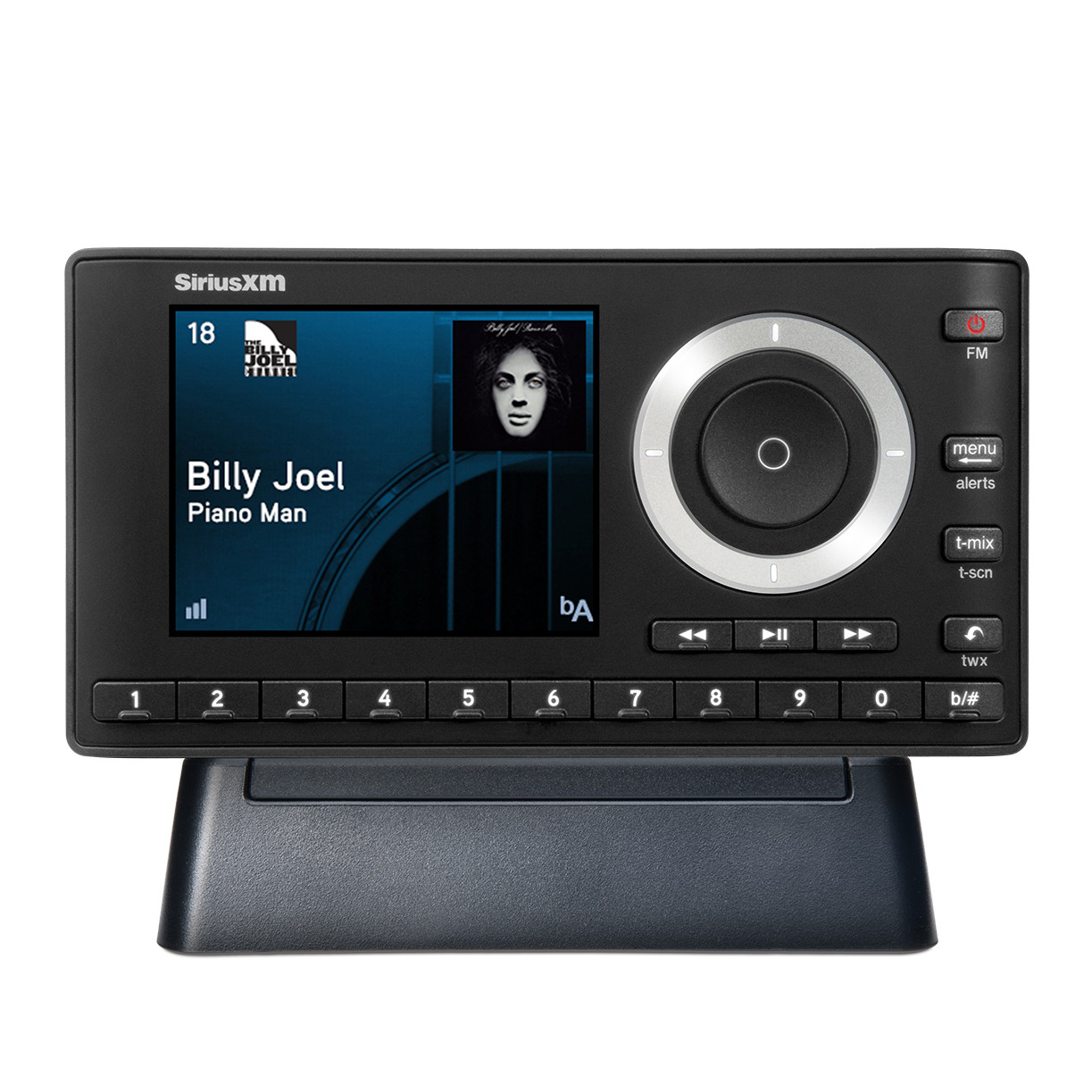
Decoding the SiriusXM Pricing Tiers: What Are You Really Paying For?
The cost of SiriusXM is rarely a fixed point; it is a sliding scale based on the content you consume and the hardware you use. As of the current market cycle, the company has streamlined its offerings into three primary categories, each with distinct financial implications for the consumer.
The Music & Entertainment Plan
This is generally considered the “standard” entry point for most users. It typically ranges between $13.00 and $18.00 per month when not under a promotional rate. From a financial planning perspective, this tier provides the core value proposition: ad-free music, news, and several talk channels. However, it often excludes high-value content such as major league sports play-by-play and certain “prestige” talk shows like Howard Stern. For the budget-conscious listener who primarily wants variety beyond terrestrial FM radio, this tier represents the baseline investment.
The Platinum Plan
The Platinum Plan is the flagship offering, often priced between $23.00 and $25.00 per month. Financially, this is a significant jump from the base tier. This plan includes everything the service offers: every sports channel, the full Howard Stern library, and the ability to stream on multiple devices via the app. For a household looking to maximize their entertainment budget, the Platinum plan is often marketed as the “all-access” pass. From an investment standpoint, this tier is only justifiable if the subscriber actively utilizes the specialized sports content or specific high-profile talk shows that are locked behind this higher paywall.
Streaming-Only Options
A relatively recent shift in the SiriusXM business model is the aggressive push toward streaming-only subscriptions. These plans often bypass the need for satellite hardware entirely, operating through an app on smartphones, smart speakers, and car infotainment systems (like Apple CarPlay or Android Auto). These plans are frequently the most affordable, often hovering around $10.00 to $11.00 per month. For a consumer looking to trim their “Money” category in their monthly budget, switching from an in-car satellite plan to a streaming-only plan can yield an annual saving of nearly $100.
The Hidden Costs and Fees of Satellite Radio
When evaluating the cost of SiriusXM, the advertised price is almost never the final price that appears on your credit card statement. Understanding these additional financial layers is crucial for accurate budgeting.
The U.S. Music Royalty Fee
The most significant “hidden” cost is the U.S. Music Royalty Fee. This is not a tax imposed by the government, but a fee SiriusXM passes on to the consumer to cover the royalties they must pay to artists and record labels, as determined by the Copyright Royalty Board. This fee is typically calculated as a percentage of the subscription price—often hovering around 21.4%. On a $20 bill, this adds more than $4.00 to the monthly cost. When calculating your annual entertainment expenses, failing to account for this 21% surcharge can result in an unexpected $50 deficit by the end of the year.
Hardware Installation and Activation Charges
For those using traditional satellite receivers integrated into their vehicles, there is often an activation fee. While frequently waived during promotional periods, it can cost upwards of $15.00. Furthermore, if you are driving an older vehicle that is not “satellite-ready,” the capital expenditure for an aftermarket receiver and professional installation can range from $150 to $300. This is a one-time investment that must be amortized over the expected life of the service to determine the true cost-benefit ratio.
State and Local Taxes
Depending on your jurisdiction, digital services may be subject to state or local sales tax. Unlike some streaming services that bake the tax into the price, SiriusXM usually adds this on top of the base rate and the royalty fee. In high-tax states, this can push the effective cost of a premium plan toward the $30-per-month mark.
Strategic Negotiation: How to Lower Your SiriusXM Bill

One of the most unique aspects of SiriusXM from a personal finance perspective is that its pricing is highly elastic. Unlike Netflix or Spotify, which generally have rigid pricing structures, SiriusXM operates more like a traditional cable company or an insurance provider.
The Retention Game: Tactics for the Annual Call
The “list price” for SiriusXM is essentially a “laziness tax.” Savvy consumers rarely pay the full retail rate. The company’s business model relies heavily on churn management, meaning they are often willing to offer deep discounts to prevent a subscriber from canceling. A standard financial tactic for SiriusXM users is the “annual cancellation call.” By contacting the retention department and stating that the current price no longer fits their budget, users are frequently offered rates as low as $5.00 or $6.00 per month for a 12-month period.
Promotional Rates vs. Standard Pricing
Most new subscribers enter the ecosystem through a “free trial” bundled with a vehicle purchase. Once this trial ends, the company typically attempts to transition the user to a full-price plan. From a money management standpoint, the goal is to never allow the subscription to auto-renew at the standard rate. Setting a calendar reminder to renegotiate before the promotional period ends is a simple way to maintain a low-cost lifestyle.
Leveraging Bundle Offers
SiriusXM occasionally offers “Lifetime” subscriptions (though these are now rare and often tied to specific hardware) or multi-year bundles. While the upfront cost is higher, the per-month average can drop significantly. However, one must weigh the risk of the “sunk cost fallacy”—paying for three years of service upfront only makes sense if you are certain the service will remain a staple of your routine and the company remains solvent and technologically relevant.
Cost-Benefit Analysis: Is SiriusXM Worth the Investment?
To determine if the cost of SiriusXM is a sound financial decision, one must compare it against the alternatives available in the digital marketplace.
SiriusXM vs. Free Terrestrial Radio
The primary competitor is free FM/AM radio. The “cost” of terrestrial radio is your time and attention, as you are subjected to frequent advertising blocks. If you value your time at a specific hourly rate, the 15 to 20 minutes of commercials per hour on FM radio might actually “cost” you more in lost productivity or mental fatigue than the $15 monthly subscription for ad-free content.
Comparison with Digital Competitors (Spotify, Apple Music)
From a pure music standpoint, services like Spotify or Apple Music offer more control for a similar price point (approximately $11.00 – $17.00 for family plans). However, SiriusXM provides “curated live content,” news, and live sports that these platforms lack. For a professional who spends three hours a day commuting, the value of live news and specialized talk might outweigh the algorithmic playlists of a standard streaming service. The financial decision hinges on whether you are paying for “access to a library” (Spotify) or “live broadcast curation” (SiriusXM).
The Business Case for In-Car Connectivity
For business owners and frequent travelers, SiriusXM can be a deductible business expense if used for work-related purposes, such as staying informed on market news or industry trends during travel. In this context, the “cost” is mitigated by the tax savings, making the net investment even lower. Additionally, the reliability of satellite signals in “dead zones” where cellular data (required for Spotify) fails can be a critical factor for those working in rural or remote areas.
Long-Term Financial Planning: Annual vs. Monthly Billing
How you pay for your subscription can be just as important as how much you pay.
The Discount for Upfront Payments
SiriusXM often provides a discount for those willing to pay for a full year in advance. This is a classic “cash flow vs. cost” trade-off. If your personal finance strategy emphasizes minimizing monthly recurring outflows, a single annual payment can simplify your budget and usually results in a 10% to 15% discount compared to the month-to-month rate.

Managing Recurring Subscriptions in Your Monthly Budget
Subscription fatigue is a real threat to financial health. It is easy to lose track of a $20 charge amidst a sea of streaming services, gym memberships, and software-as-a-service (SaaS) fees. Utilizing financial tools like personal finance managers or apps that track recurring subscriptions is essential. If you find that you are only listening to SiriusXM once or twice a month, the “cost per use” becomes prohibitively high. For example, if you pay $20 a month but only listen for two hours, you are paying $10 per hour for entertainment—a rate that far exceeds the value of most other media.
In conclusion, “how much for Sirius radio” is a question with a multi-layered answer. While the sticker price might suggest one thing, the reality involves royalty fees, taxes, and a significant opportunity for negotiation. By treating the subscription as a manageable financial asset rather than a fixed utility, consumers can enjoy the premium content of satellite radio without compromising their long-term financial goals. Whether through aggressive negotiation, choosing the right tier, or optimizing for annual billing, the cost of SiriusXM can be tailored to fit almost any budget.
aViewFromTheCave is a participant in the Amazon Services LLC Associates Program, an affiliate advertising program designed to provide a means for sites to earn advertising fees by advertising and linking to Amazon.com. Amazon, the Amazon logo, AmazonSupply, and the AmazonSupply logo are trademarks of Amazon.com, Inc. or its affiliates. As an Amazon Associate we earn affiliate commissions from qualifying purchases.