
Receiving a check can be a moment of financial relief or a simple transactional necessity, but the process of turning that paper into liquid cash isn’t always as straightforward as it seems. If you are holding a check issued by U.S. Bank, you have several avenues available to you, ranging from the issuing bank itself to third-party retailers and digital platforms. Navigating these options requires an understanding of fees, identification requirements, and the speed of fund availability.
Whether you are an existing U.S. Bank customer or someone without a traditional banking relationship, knowing exactly where and how to cash your check can save you both time and money. This guide explores every major pathway to cashing a U.S. Bank check, ensuring you can access your funds with minimal friction.

Cashing at the Issuing Bank: The U.S. Bank Experience
The most direct and often the most reliable method for cashing a check is to visit the institution that issued it. Because the funds are held within the U.S. Bank ecosystem, the bank can verify the account balance and the legitimacy of the check almost instantaneously.
Visiting a Local Branch
U.S. Bank operates thousands of branches across the United States. For non-customers, visiting a physical branch is the primary way to get the full face value of the check (minus any applicable fees) in cash immediately. When you walk into a branch, you are interacting with the “paying bank.” Because they have direct access to the drawer’s account, they can confirm that the funds are available before handing over the currency.
Requirements for Non-Account Holders
If you do not have an account with U.S. Bank, you can still cash a check drawn on one of their accounts, but you must adhere to strict identification protocols. You will typically need to provide two forms of identification, at least one of which must be a government-issued photo ID, such as a driver’s license, passport, or state ID.
The bank may also require a secondary form of ID, which could include a credit card, a utility bill, or a student ID. Furthermore, U.S. Bank, like many large national banks, may require you to provide a thumbprint on the check itself as a security measure against fraud.
Understanding Service Fees
While cashing a check is free for U.S. Bank customers, non-customers are generally charged a service fee. This fee is often a flat rate (frequently around $7.00 to $10.00) or a small percentage of the check’s total value. It is important to note that banks are not legally required to cash checks for non-customers, and policies can vary by branch location or state regulations. However, for a U.S. Bank-issued check, a U.S. Bank teller is your most likely point of success for immediate cash.
Major Retailers and Grocery Store Solutions
For those who need to cash a check outside of traditional banking hours or who find themselves far from a U.S. Bank branch, major retail chains and grocery stores offer a viable alternative. These “money centers” have become a staple of personal finance for millions of Americans.
Walmart MoneyCenter
Walmart is perhaps the most well-known retailer for check-cashing services. They handle a wide variety of checks, including payroll, government, tax, and cashier’s checks. If you have a U.S. Bank-issued payroll check, Walmart is an excellent option.
Walmart typically charges a maximum fee of $4.00 for checks up to $1,000 and a $8.00 fee for checks between $1,001 and $5,000. During tax season, they may increase their limit to $7,500. The primary advantage of Walmart is the ability to receive your funds on a Walmart MoneyCard (a prepaid card) or as cold hard cash.
National Grocery Chains (Kroger, Publix, and Others)
Many large grocery store chains operate service desks that function as mini-banks. Kroger, for example, operates under several names (including Fred Meyer, Ralphs, and Fry’s) and offers “Money Services.” They cash payroll, government, and corporate checks.
The fees at grocery stores are usually competitive with retail giants like Walmart, often starting at $3.00 for smaller checks. Similar to banks, these retailers will require a valid government-issued ID. A significant benefit of using grocery stores is their extended hours; many are open late into the evening and on weekends, times when U.S. Bank branches are typically closed.
Convenience Stores and Gas Stations
While less common, some large-scale convenience store chains (like 7-Eleven in certain regions) offer automated check-cashing kiosks. These kiosks, often operated by third-party providers like Vcom, allow users to scan their checks and receive cash. However, be cautious of the fees in these locations, as they can be significantly higher than those at a grocery store or the issuing bank.
Leveraging Your Own Financial Institution
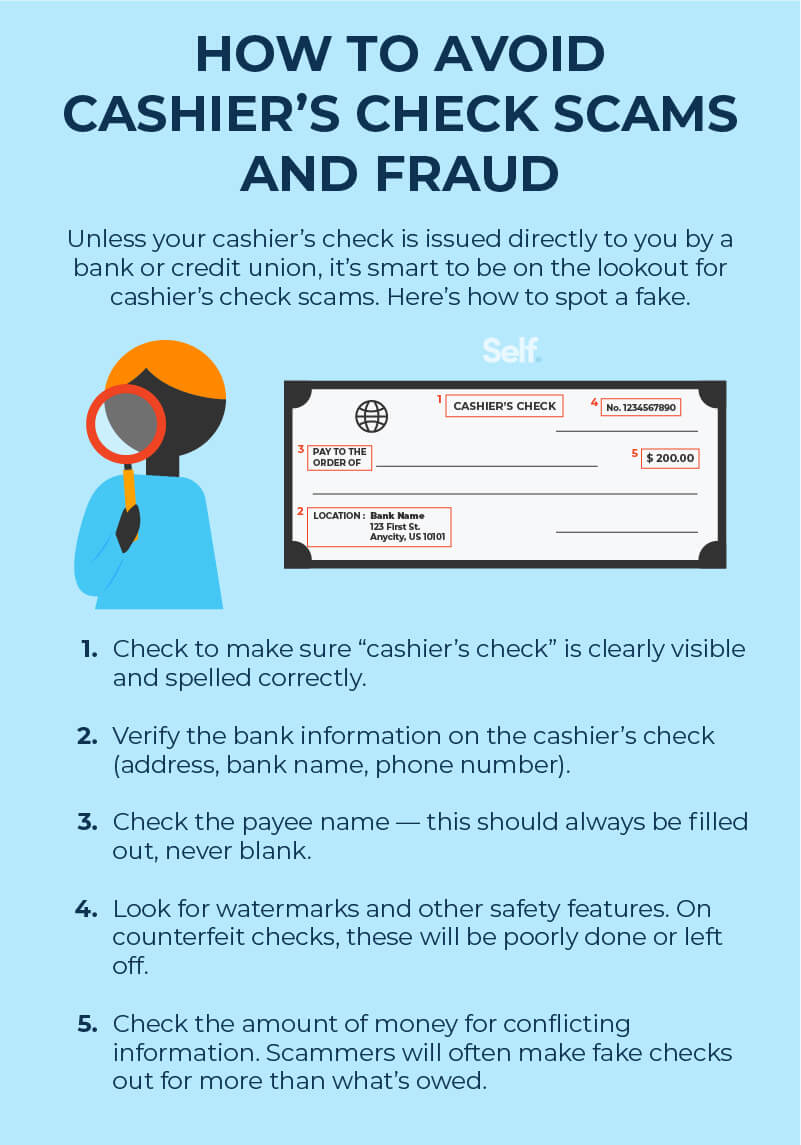
If you have a bank account at a different institution—such as Chase, Wells Fargo, or a local credit union—you have the option to deposit the U.S. Bank check there. While this isn’t “cashing” in the strictest sense of immediate physical currency, it is often the most cost-effective method.
Deposits vs. Immediate Cashing
When you deposit a U.S. Bank check into your own account, your bank will generally not charge you a fee. However, the “hold” policy becomes a factor. Under Federal Reserve Regulation CC, banks must make the first $225 of a check deposit available by the next business day. The remainder may be held for two or more business days depending on the size of the check and your account history.
If you need the full amount of the check in cash immediately, depositing it into your own account may not be the fastest route unless your bank offers “immediate availability” for a fee or you have a sufficient balance to cover the withdrawal.
Credit Unions
Credit unions are known for their member-centric policies. If you are a member of a credit union, they may be more lenient with check-holding policies than larger commercial banks. Furthermore, through the CO-OP Shared Branching network, some credit union members can perform transactions at other credit union branches, providing more flexibility for those who travel frequently.
Digital Methods and Mobile Apps
In the age of fintech, you no longer need to visit a physical building to cash a check. Several mobile applications allow you to scan a U.S. Bank check and have the funds transferred to a digital wallet or a prepaid debit card.
Third-Party Apps: Ingo Money and PayPal
Ingo Money is a leader in the mobile check-cashing space. By downloading the app, you can take a photo of your U.S. Bank check and choose how quickly you want your money. If you are willing to wait ten days, the service is often free. If you want the money “in minutes,” you will pay a fee (usually around 2% for payroll and government checks or 5% for other types, with a minimum fee of $5).
PayPal and Venmo also utilize Ingo Money’s technology for their “Cash a Check” features. This is a highly convenient option for the “unbanked” or “underbanked” who prefer to manage their finances entirely through their smartphones.
Prepaid Debit Cards
Many prepaid debit cards, such as Netspend or Bluebird by American Express, offer mobile check-load features. If you use these cards as your primary financial tool, you can upload the U.S. Bank check directly to your card balance. These services often mirror the Ingo Money fee structure, providing a choice between a fee-based instant transfer or a free, multi-day waiting period.
Specialized Check-Cashing Outlets
Check-cashing stores (such as Money Mart, Check ‘n Go, or ACE Cash Express) are businesses dedicated specifically to this service. They are often located in urban centers and operate with very long hours, sometimes 24/7.
When to Use Check-Cashing Stores
These outlets should generally be your last resort due to the cost. However, they are incredibly efficient and will cash almost any valid check, provided they can verify it. If you have a U.S. Bank check and lack the ID required by the bank itself, or if you need cash at 3:00 AM on a Sunday, these stores are your primary option.
Understanding the Cost of Convenience
The convenience of a dedicated check-cashing store comes at a steep price. Fees are usually calculated as a percentage of the check’s value. While some states cap these fees, it is not uncommon to see charges ranging from 1% to 10% depending on the check type and the risk involved. For a $1,000 payroll check, you could easily pay $30 to $50 just to have it cashed. Always ask for the fee schedule before endorsing your check at these locations.

Best Practices for Secure Check Cashing
Regardless of where you choose to cash your U.S. Bank check, following a few professional best practices will ensure the transaction goes smoothly and your money remains secure.
-
Do Not Endorse Until You Arrive: One of the most common mistakes is signing the back of the check before arriving at the bank or store. Once a check is endorsed, it becomes “negotiable instrument” that can be cashed by anyone if it is lost or stolen. Wait until you are at the counter or about to scan the check into a mobile app.
-
Verify Funds First: If you are dealing with a personal check from a U.S. Bank account holder and the amount is large, it is wise to visit a U.S. Bank branch specifically. They can verify that the account has sufficient funds, which other retailers cannot do with the same level of certainty.
-
Bring Proper Documentation: Ensure your ID is not expired. Banks and retailers are strictly prohibited from accepting expired identification.
-
Consider the “Why”: If you find yourself frequently cashing checks and paying fees, it may be time to consider opening a basic checking account or a “second chance” bank account. Many modern banks offer low-fee or no-fee accounts that include mobile deposit, which would allow you to keep more of your hard-earned money.
Cashing a U.S. Bank check offers a variety of paths depending on your needs for speed, cost-effectiveness, and convenience. By weighing the immediate access of a U.S. Bank branch against the late-night availability of retail centers or the digital ease of mobile apps, you can make the best financial decision for your specific situation.
aViewFromTheCave is a participant in the Amazon Services LLC Associates Program, an affiliate advertising program designed to provide a means for sites to earn advertising fees by advertising and linking to Amazon.com. Amazon, the Amazon logo, AmazonSupply, and the AmazonSupply logo are trademarks of Amazon.com, Inc. or its affiliates. As an Amazon Associate we earn affiliate commissions from qualifying purchases.