
For decades, the answer to the question “How many calories should I be eating a day?” was found on the back of a cereal box or calculated using a static, century-old mathematical formula. Today, that paradigm has shifted. We have entered the era of “Precision Nutrition,” where technology, software, and artificial intelligence have replaced the guesswork of the past with granular, real-time data.
The intersection of health and technology is no longer limited to basic step counting. We are now seeing a sophisticated ecosystem of wearables, biometric sensors, and machine-learning algorithms that analyze a user’s unique metabolic rate, activity level, and physiological responses to determine nutritional needs with unprecedented accuracy. This article explores the technological landscape of caloric calculation and how the latest trends in health-tech are redefining our understanding of metabolic health.
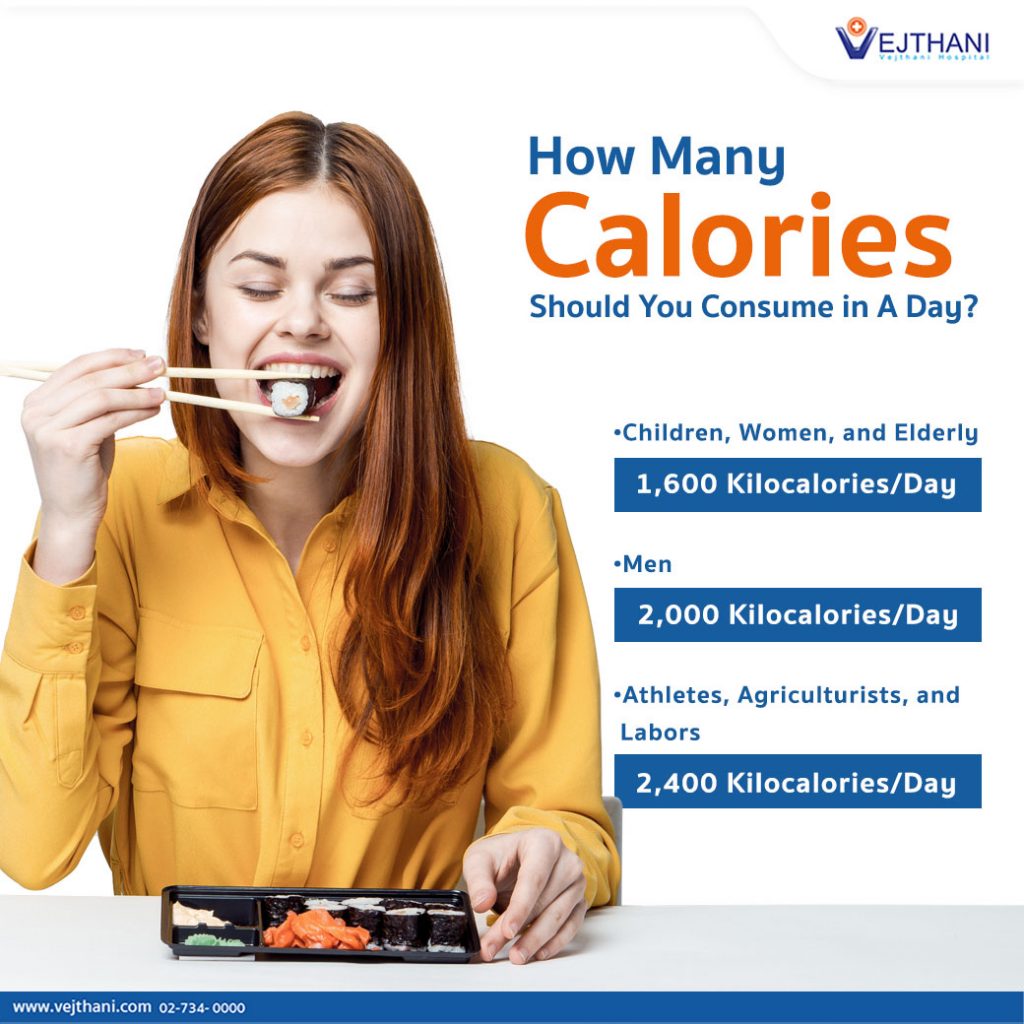
The Evolution of Precision Nutrition Through AI and Algorithms
The foundational problem with traditional caloric estimates—such as the Harris-Benedict or Mifflin-St Jeor equations—is that they are based on population averages. They fail to account for the nuances of individual gut microbiomes, muscle density, or hormonal fluctuations. Modern tech solutions are bridging this gap through high-level computation.
From Static Formulas to Machine Learning Models
Current nutrition apps are moving away from static inputs. Modern software now utilizes machine learning (ML) to refine its predictions over time. When a user logs their weight, activity, and food intake into a high-end platform, the algorithm doesn’t just calculate a deficit or surplus; it looks for patterns. If a user consistently loses weight on a caloric intake that the formula suggests should result in maintenance, the AI adjusts the user’s “metabolic profile.” This creates a dynamic feedback loop where the software learns the user’s specific biology, rendering traditional calculators obsolete.
Neural Networks and Computer Vision in Food Logging
One of the biggest friction points in determining caloric needs is the inaccuracy of manual entry. Technology is solving this through computer vision. Advanced apps now use neural networks trained on millions of images to identify food items through a smartphone camera. By analyzing the volume and type of food on a plate, the software can estimate caloric density without the user needing to weigh every ingredient. This integration of LIDAR (Light Detection and Ranging) and image recognition is turning the smartphone into a sophisticated laboratory tool.
The Role of Wearable Tech in Dynamic Calorie Calculation
While software handles the “input” side of the equation, wearable hardware is revolutionizing how we track “output.” Knowing how many calories to eat requires an exact understanding of Total Daily Energy Expenditure (TDEE), a figure that changes every 24 hours based on movement, stress, and sleep quality.
Photoplethysmography (PPG) and Metabolic Rate
The sensors found in modern smartwatches use PPG technology—green LED lights that measure blood flow—to track heart rate and heart rate variability (HRV). Tech companies have developed proprietary algorithms that translate these biometric signals into energy expenditure data. By monitoring the intensity of the cardiovascular system in real-time, these devices provide a much more accurate picture of Active Calories burned compared to the “estimated METs” (Metabolic Equivalent of Task) used in the past.
Tracking EPOC and Basal Fluctuations
High-end wearables are now capable of measuring Excess Post-exercise Oxygen Consumption (EPOC). This refers to the calories burned after a workout is completed as the body recovers. Through sophisticated software integration, tech-savvy users can now see how a high-intensity interval training (HIIT) session impacts their caloric requirements for the next 24 to 48 hours. Furthermore, wearables that track skin temperature and sleep cycles provide insight into how the Basal Metabolic Rate (BMR) may drop due to poor recovery or illness, allowing the software to recommend a “recovery day” caloric intake.
Emerging Frontiers: CGM and Metabolic Sensors
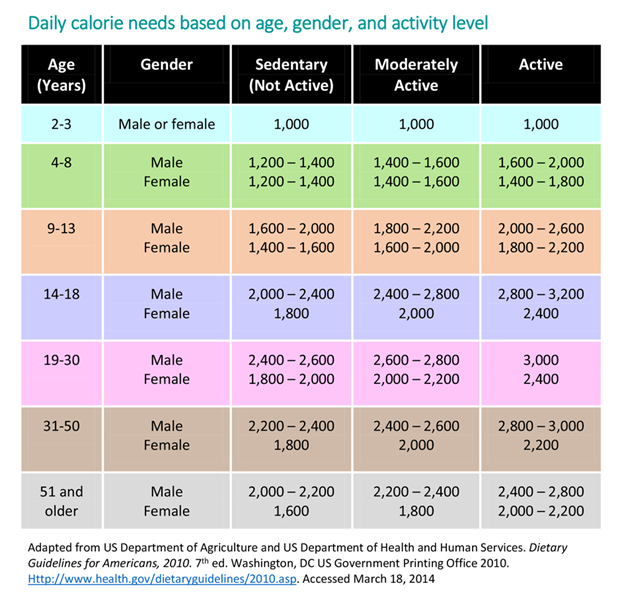
The most significant recent breakthrough in nutrition tech is the migration of medical-grade hardware into the consumer market. Specifically, Continuous Glucose Monitors (CGMs) and portable metabolic analyzers are changing the conversation from “how many” calories to “how” those calories are processed.
Beyond Simple Estimates: Glucose Monitoring as a Tech Standard
Companies like Levels and Nutrisense have developed software overlays for CGM hardware (originally designed for diabetics). These tools allow non-diabetics to see how specific caloric loads affect their blood sugar in real-time. This is a game-changer for determining caloric needs because it highlights “metabolic flexibility.” If a user’s blood sugar spikes and crashes after a 500-calorie meal, the software can suggest a different macronutrient distribution, effectively optimizing the quality of the calories to prevent insulin resistance and promote efficient energy use.
Smart Rings and the Minimization of Hardware
The “invisible tech” trend is best exemplified by the rise of smart rings. These devices pack accelerometers, thermometers, and optical sensors into a form factor that is less intrusive than a watch. For the user asking about their daily caloric needs, these devices offer the advantage of 24/7 data continuity. Because they are comfortable enough to wear during sleep, they provide a more comprehensive data set on resting energy expenditure, which accounts for 60-75% of a person’s total caloric burn. The more consistent the data stream, the more accurate the software’s caloric recommendations become.
Integrating Digital Security in Health Data Management
As we move toward a world where our caloric needs are calculated by an interconnected web of devices, the issue of digital security and data privacy becomes paramount. Biometric data is the most personal information an individual possesses, and the tech industry is currently grappling with how to protect it.
Protecting Sensitive Biometric Datasets
The apps that tell you how many calories to eat are collecting massive amounts of metadata—your location, your heart rate, your eating habits, and even your blood chemistry. Top-tier tech firms are now implementing end-to-end encryption and “Zero Knowledge” protocols. This ensures that while the AI can process your data to give you a caloric recommendation, the developers and third parties cannot access your raw biological profile. As the industry matures, the “Privacy by Design” philosophy will be a key differentiator for premium health-tech brands.
The Future of Decentralized Health Apps
We are seeing a trend toward decentralized data storage for health metrics. By utilizing blockchain or edge computing—where the data is processed on the device rather than in the cloud—tech companies can offer caloric tracking that is both highly personalized and highly secure. This shift reduces the latency of AI processing and ensures that if a company’s central servers are breached, the user’s metabolic identity remains safe.
The Future of Automated Dietary Planning and IoT
The final piece of the caloric puzzle is the implementation of those recommendations. The future of nutrition tech lies in the “Internet of Things” (IoT) and the seamless integration of data across the kitchen.
Generative AI for Meal Customization
With the advent of Large Language Models (LLMs), the software can now do more than just provide a number. If your wearable determines you need 2,250 calories today based on your morning workout and sleep data, a Generative AI assistant can instantly create a meal plan based on the ingredients currently in your “smart” refrigerator. This level of automation removes the cognitive load of calorie counting, turning the tech into a virtual nutritionist that manages the logistics of energy balance.

The Intersection of IoT Kitchens and Nutritional Tech
We are beginning to see the rise of smart scales and ovens that sync directly with health apps. Imagine a kitchen scale that sends the exact weight of your chicken breast to your tracking software via Bluetooth, which then adjusts your remaining caloric “budget” for the day. This ecosystem creates a frictionless experience where the question “how many calories should I eat?” is answered not by a guess, but by a coordinated network of sensors and software acting in unison.
In conclusion, the question of daily caloric intake has evolved from a matter of simple arithmetic to a sophisticated exercise in data science. By leveraging AI, wearable sensors, and secure data protocols, modern technology provides us with a blueprint for health that is as unique as our DNA. As these tools become more accessible and integrated, the focus will shift from the pursuit of a single number to the optimization of human performance through real-time metabolic insights.
aViewFromTheCave is a participant in the Amazon Services LLC Associates Program, an affiliate advertising program designed to provide a means for sites to earn advertising fees by advertising and linking to Amazon.com. Amazon, the Amazon logo, AmazonSupply, and the AmazonSupply logo are trademarks of Amazon.com, Inc. or its affiliates. As an Amazon Associate we earn affiliate commissions from qualifying purchases.