
The concept of passive income is often shrouded in myth, frequently presented as a “get rich quick” scheme or a way to make “money for nothing.” However, in the realm of professional personal finance, passive income is more accurately described as a strategic reallocation of resources—either time or capital—to create a system that generates recurring revenue with minimal ongoing effort. Unlike active income, where your earnings are directly tied to the hours you work, passive income decouples time from earning potential, providing the foundational pillar for true financial independence.
To succeed in building these streams, one must transition from a consumer mindset to an investor mindset. This article explores the diversified avenues available for generating passive income, ranging from traditional market investments to the scalable world of digital assets, and the risk management strategies required to protect your wealth.
Understanding the Passive Income Mindset and Foundations
Before deploying a single dollar or hour, it is crucial to understand the mechanics of passive cash flow. Passive income is not truly “passive” at the start; it requires a significant upfront investment. This investment usually takes one of two forms: financial capital or sweat equity.
The Difference Between Linear and Exponential Income
Most people are raised in a system of linear income. You work one hour; you get paid for one hour. This model is inherently limited by the number of hours in a day and your physical presence. Passive income, conversely, is exponential or residual. It involves building an asset—be it a portfolio of stocks, a rental property, or a digital course—that can be sold or utilized repeatedly. Once the asset is established, the relationship between time spent and money earned changes drastically, allowing for scalability that a traditional job can never provide.
Identifying Your Capital: Time vs. Money
The path you choose depends on your current financial status. If you have significant savings but little time, your path to passive income lies in capital-intensive vehicles like dividend-paying stocks, real estate, or private equity. If you have time but little money, your path involves “sweat equity”—building digital assets, writing books, or creating content that can eventually be monetized. Understanding which resource you have in abundance is the first step in selecting the right niche within the financial ecosystem.
Portfolio Income: Leveraging the Financial Markets
For those with existing capital, the financial markets offer the most traditional and historically proven methods of generating passive income. By owning shares of profitable enterprises or lending money to institutions, you can capture a portion of global economic growth.
Dividend Growth Investing
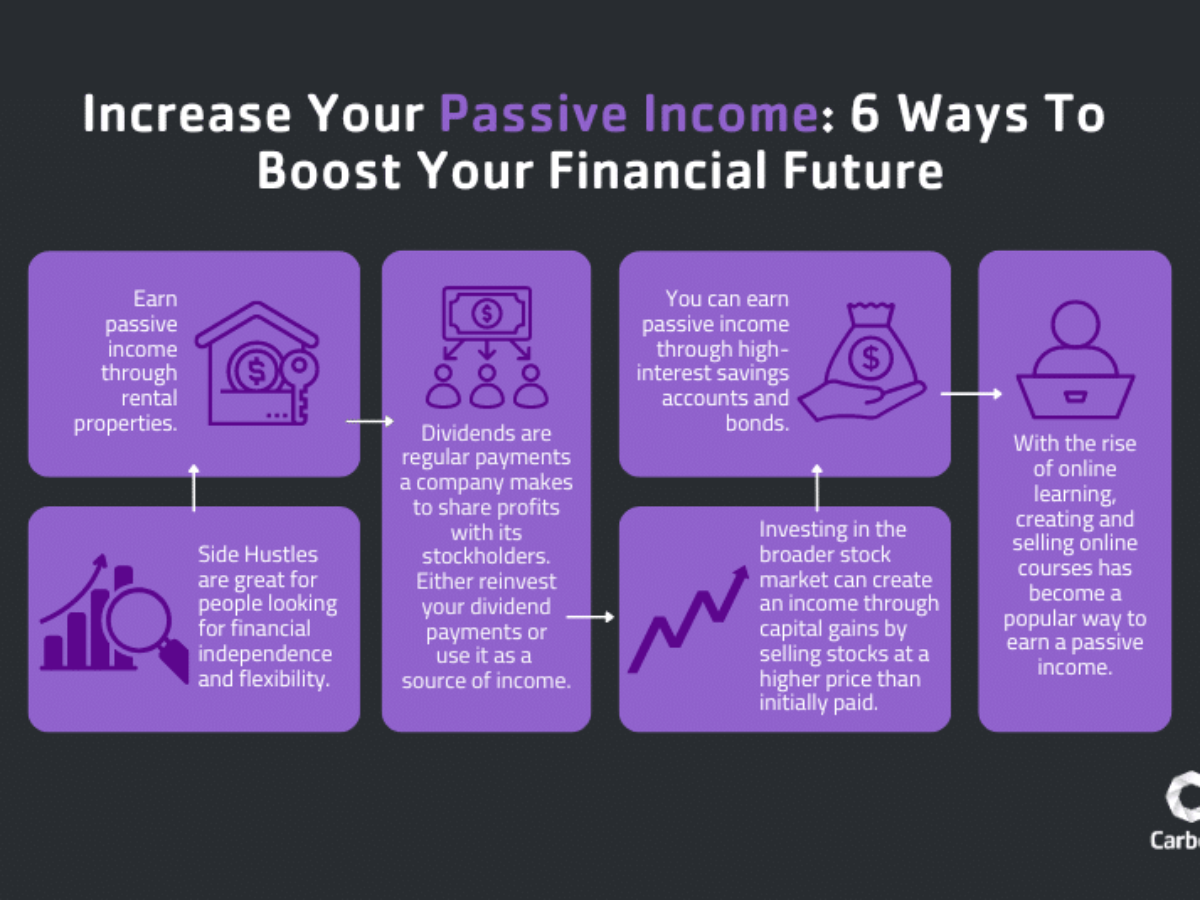
Dividend investing involves purchasing shares in companies that distribute a portion of their earnings to shareholders regularly. Professional investors often look for “Dividend Aristocrats”—companies that have increased their dividend payouts for at least 25 consecutive years. The beauty of this strategy is twofold: you receive regular cash payments (often quarterly), and you benefit from the potential capital appreciation of the stock itself. When these dividends are reinvested, they trigger the power of compounding, which can turn a modest portfolio into a massive income generator over decades.
Real Estate Investment Trusts (REITs) and Crowdfunding
Physical real estate is a powerful income producer, but it often requires active management (dealing with tenants, maintenance, and taxes). For a truly passive experience, Real Estate Investment Trusts (REITs) are an excellent alternative. REITs are companies that own, operate, or finance income-producing real estate. By buying shares of a REIT on the stock market, you gain exposure to the real estate market and receive dividends funded by the rent collected from commercial or residential properties. Additionally, modern real estate crowdfunding platforms allow investors to pool their money into specific development projects with lower entry costs than buying a whole building.
Index Funds and the Safe Withdrawal Rate
While not “income” in the traditional sense of a monthly check, investing in low-cost index funds is the ultimate passive strategy. By tracking a broad market index like the S&P 500, you are betting on the long-term success of the economy. Investors utilizing this method often follow the “4% Rule,” which suggests that you can safely withdraw 4% of your total portfolio value each year to live on, adjusted for inflation, without running out of money. This transforms a static pile of savings into a perpetual income stream.
Digital Assets: Scaling Value in the Online Economy
The rise of the digital economy has democratized the ability to create passive income. Unlike physical assets, digital assets have near-zero marginal costs of reproduction—it costs the same to sell a digital product to ten people as it does to ten thousand.
Content Monetization through Affiliate Marketing
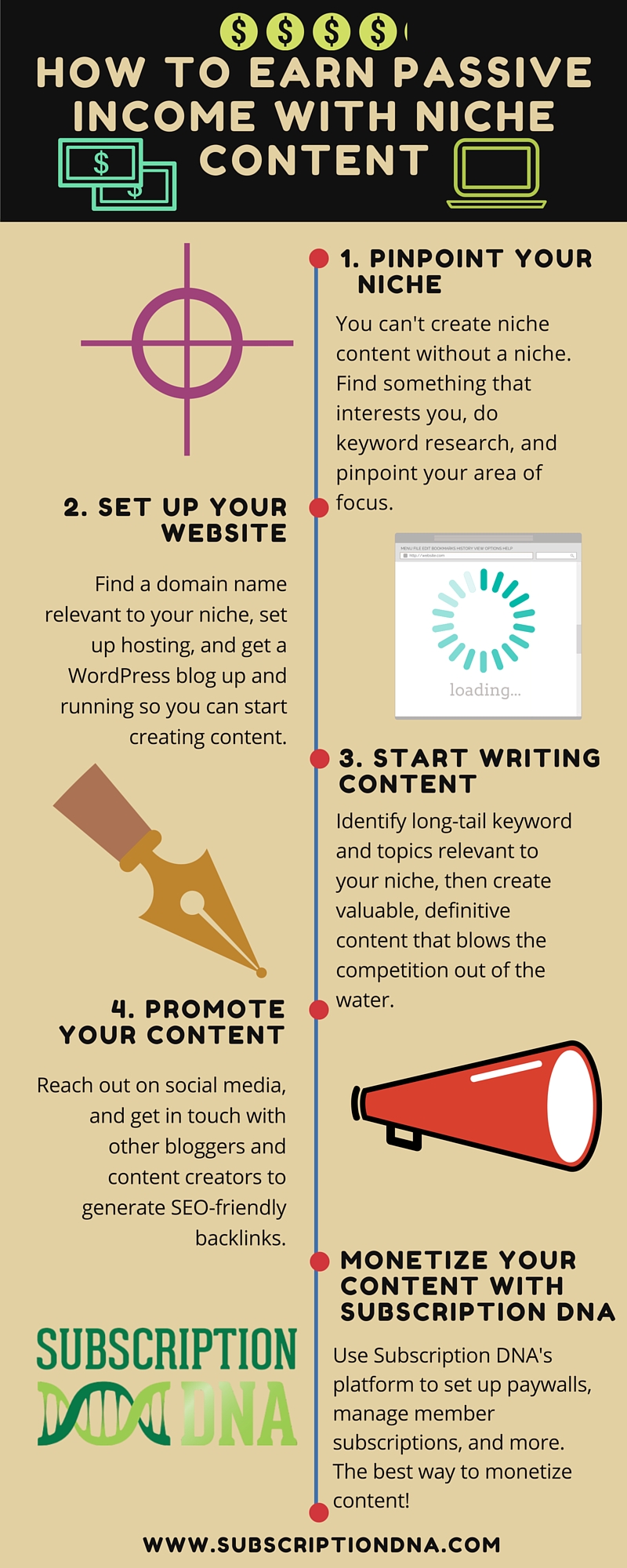
Affiliate marketing is the process of earning a commission by promoting other people’s or companies’ products. To make this passive, one must build a “content moat”—a blog, a YouTube channel, or a niche website that attracts consistent organic traffic via search engines. Once an article or video is ranked, it can generate clicks and commissions for years with only minor updates. This creates a bridge between providing value to an audience and earning a recurring fee from the brands that benefit from that audience’s attention.
Creating and Licensing Intellectual Property
If you possess specialized knowledge, you can package that expertise into an intellectual property asset. This could be an e-book, an online course, or specialized software. While the creation phase is labor-intensive, once the product is hosted on a platform like Amazon KDP or Teachable, the sales process becomes automated. Furthermore, musicians and photographers can license their work to stock media sites, earning royalties every time their content is used by a third party.
Automated E-commerce and Dropshipping
While e-commerce often leans toward active business management, certain models can be structured for passivity. Dropshipping, where the seller does not keep goods in stock but instead transfers customer orders to a manufacturer, removes the need for inventory management. When combined with automated marketing funnels and outsourced customer service, an e-commerce store can function as a high-margin passive income stream. However, this requires significant initial work in brand positioning and supply chain vetting.
Alternative Passive Income Streams
Beyond the stock market and digital products, several alternative financial vehicles offer competitive returns for those looking to diversify their income sources.
Peer-to-Peer (P2P) Lending
P2P lending platforms allow individuals to lend money directly to other individuals or small businesses. In exchange for taking on the risk of the loan, the investor receives interest payments that are typically higher than those offered by traditional savings accounts. By diversifying small amounts of money across hundreds of different loans, investors can mitigate the impact of individual defaults and create a consistent monthly yield.
High-Yield Savings and Money Market Accounts
In a high-interest-rate environment, even the most conservative financial tools can provide passive income. High-yield savings accounts (HYSAs) and Money Market Accounts (MMAs) provide a safe harbor for cash while offering returns that exceed standard checking accounts. While the yields may not match the stock market, these tools are essential for the “liquid” portion of a passive income strategy, ensuring that your emergency fund is also working for you.
Risk Management and Long-Term Sustainability
The final, and perhaps most important, aspect of passive income is the preservation of the assets you have built. Without a strategy for sustainability, a passive income stream can quickly dry up due to market volatility or poor management.
Diversification Across Asset Classes
The most significant risk to passive income is “concentration risk.” If your entire income depends on a single rental property or a single dividend stock, a localized market crash or a corporate bankruptcy could be devastating. A professional approach involves diversifying across asset classes: combining the stability of index funds with the high-yield potential of digital assets and the inflation-hedging properties of real estate.
Tax Efficiency and Legal Structures
Passive income is often taxed differently than earned income. In many jurisdictions, long-term capital gains and qualified dividends are taxed at a lower rate than a standard salary. Understanding how to use tax-advantaged accounts (like IRAs or 401(k)s in the US, or ISAs in the UK) can significantly increase your net “take-home” passive income. Furthermore, as your assets grow, structuring them within a business entity or a trust can provide liability protection and estate planning benefits.

The Maintenance Requirement
Finally, it is important to acknowledge that no income stream is 100% passive forever. Markets change, technology evolves, and assets depreciate. A successful passive income investor schedules regular “maintenance checks”—quarterly portfolio rebalancing, annual updates to digital content, or periodic property inspections. By dedicating a small amount of time to oversight, you ensure that the systems you have built continue to function efficiently, providing financial security for years to come.
aViewFromTheCave is a participant in the Amazon Services LLC Associates Program, an affiliate advertising program designed to provide a means for sites to earn advertising fees by advertising and linking to Amazon.com. Amazon, the Amazon logo, AmazonSupply, and the AmazonSupply logo are trademarks of Amazon.com, Inc. or its affiliates. As an Amazon Associate we earn affiliate commissions from qualifying purchases.