
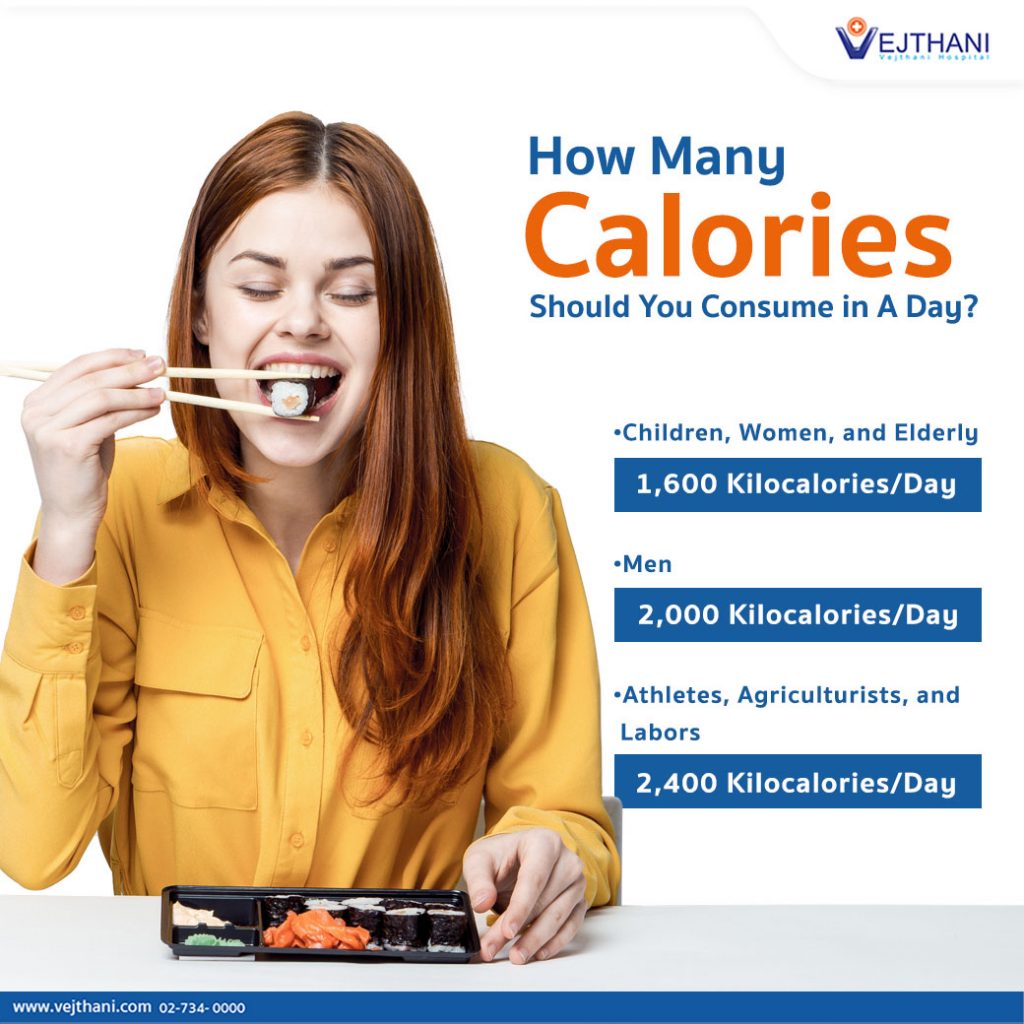
In the modern health landscape, the question “how many calories do you intake a day” has shifted from a matter of guesswork to a high-precision data point. For decades, individuals relied on printed booklets and rough estimates to track their energy consumption. Today, the integration of software, artificial intelligence, and sophisticated hardware has transformed caloric tracking into a cornerstone of the digital health revolution. As we move further into the era of quantified self-tracking, understanding the technology behind calorie monitoring is essential for anyone looking to optimize their biological performance through data-driven insights.
The Evolution of Digital Nutrition Tracking
The transition from analog to digital nutrition tracking has been marked by a significant increase in both accuracy and user engagement. Initially, the first wave of health software required tedious manual entry, often discouraging users before they could gather meaningful long-term data. However, the current technological paradigm focuses on reducing friction and increasing the granularity of the information collected.
From Manual Logs to Automated Algorithms
Early digital tools were essentially glorified spreadsheets. Users had to search for every ingredient, weigh their food, and manually input the values. Modern applications have revolutionized this process using massive verified databases and sophisticated search algorithms. By leveraging natural language processing (NLP), many apps now allow users to speak or type a full meal—such as “three egg whites and a medium avocado”—and instantly receive a breakdown of caloric and macronutrient data. This automation minimizes the cognitive load on the user, making it sustainable to answer the “how many calories” question every single day.
The Role of Machine Learning in Food Recognition
Perhaps the most significant advancement in the niche of caloric tracking is the implementation of computer vision. High-end health apps now utilize machine learning models trained on millions of images to identify food items through a smartphone camera. When a user points their lens at a plate of food, the AI analyzes the volume, texture, and components to estimate caloric density. While still evolving, this technology represents a shift toward a future where “tracking” is a passive, rather than active, endeavor.
Top-Tier Apps and Ecosystems for Caloric Management
Choosing the right software is the first step in establishing a precise caloric intake profile. The market is currently dominated by a few key players, each offering a unique technological approach to data management and user interface design.
MyFitnessPal and the Power of Massive Databases
MyFitnessPal remains a titan in the industry, largely due to its unparalleled food database. With over 14 million foods indexed, its strength lies in crowdsourced data and verified entries. For the tech-savvy user, MyFitnessPal offers robust API integrations, allowing it to serve as a central hub for health data. It pulls information from various sources—weight scales, heart rate monitors, and pedometers—to provide a comprehensive view of how caloric intake interacts with physical activity.
Cronometer: Precision for Micro and Macronutrients
While many apps focus solely on the “big number” (total calories), Cronometer targets the power user who demands precision. Its software architecture is built around verified data sources like the USDA and NCCDB. This ensures that when a user asks how many calories they are intaking, the answer is backed by lab-tested accuracy rather than user-submitted estimates. Cronometer’s dashboard provides deep dives into micronutrient profiles, making it a favorite for those using technology to manage specific dietary requirements or medical conditions.
Lose It! and Gamification in Health Tech
Lose It! focuses on the behavioral psychology aspect of technology. By utilizing gamification, the app encourages consistent logging through streaks, challenges, and social rewards. From a technical standpoint, its “Snap It” feature is a leading example of computer vision in the consumer space. By lowering the barrier to entry through a visual-first interface, it leverages UI/UX best practices to ensure long-term user retention—a critical factor in gathering enough data to identify caloric trends.
Wearable Integration: Closing the Gap Between Intake and Expenditure
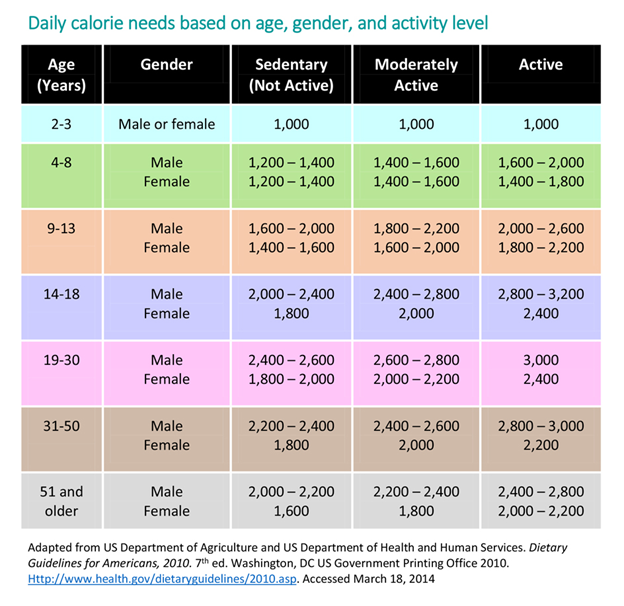
The question of caloric intake cannot be fully answered without considering caloric expenditure. The synergy between nutrition apps and wearable technology has created a biometric feedback loop that allows for real-time adjustments to one’s daily goals.
Smartwatch Syncing: The Biometric Feedback Loop
Devices like the Apple Watch, Garmin, and WHOOP track resting metabolic rate (RMR) and active calories burned using optical heart rate sensors and accelerometers. Through cloud-based synchronization, this data is fed back into nutrition software. If a user’s wearable detects an unusually high level of activity, the software can dynamically adjust the recommended caloric intake for that day. This “living” data model replaces static calorie calculators with a dynamic system that responds to the user’s actual physiological state.
Continuous Glucose Monitors (CGMs) and Metabolic Tech
The latest frontier in caloric tech is the transition of Continuous Glucose Monitors (CGMs) from medical devices to consumer wellness tools. Companies like Nutrisense and Levels integrate hardware—a small sensor worn on the arm—with sophisticated software to show how specific caloric intakes affect blood sugar levels in real-time. This provides a level of insight that goes beyond mere calorie counting; it shows the metabolic impact of those calories. This data allows users to optimize their “intake” based on their unique glycemic response, ushering in the age of personalized nutrition.
The Future of AI in Daily Caloric Assessment
As we look toward the next decade, artificial intelligence will move from a supportive tool to a predictive one. The goal is to move beyond reflecting on “how many calories you took in” and toward “how many calories you should take in” based on predictive analytics.
Predictive Analytics for Personal Health Optimization
By analyzing years of historical data, AI can begin to predict how certain caloric patterns will affect a user’s future health outcomes. If the software identifies that a user consistently over-consumes calories on weekends, it can provide proactive prompts or adjust meal plans earlier in the week to compensate. This transition from descriptive to prescriptive analytics is the hallmark of advanced health tech.
Generative AI and Customized Meal Architectures
Generative AI, such as Large Language Models (LLMs), is now being integrated into health platforms to act as virtual nutritionists. These tools can take a user’s caloric goal and instantly generate recipes, shopping lists, and meal schedules that fit those exact parameters. This removes the “analysis paralysis” often associated with calorie tracking. Instead of the user trying to figure out how to stay within their limit, the AI architecturally designs a day that guarantees success.
Data Security and Privacy in the Health Tech Sector
With the massive influx of personal data—ranging from what you eat to your heart rate and blood sugar—security has become a paramount concern. The tech industry must balance the utility of this data with the absolute necessity of user privacy.
Protecting Your Biological Data
As health apps collect increasingly sensitive information, the implementation of end-to-end encryption and robust data anonymization is critical. Users are essentially uploading a digital twin of their biological self to the cloud. Leading tech firms are now focusing on on-device processing (Edge AI) to ensure that sensitive health metrics never leave the user’s smartphone, providing the benefits of AI without the risks of centralized data breaches.
The Ethical Implications of Health Data Monetization
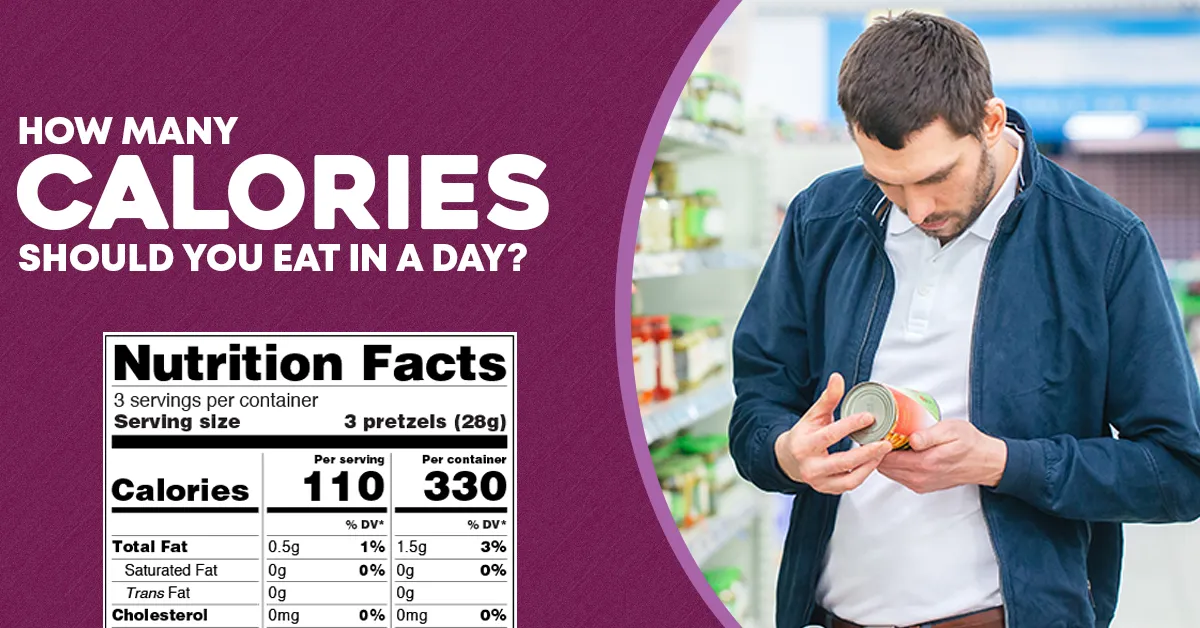
There is an ongoing debate within the tech community regarding the monetization of health data. While some platforms offer free services in exchange for data used in aggregate research, others opt for subscription models to ensure data remains private. As a consumer, understanding the terms of service of your calorie-tracking software is as important as understanding the nutritional label on your food. The future of the industry will likely see a push for “data sovereignty,” where individuals have total control over who accesses their caloric and biometric history.
In conclusion, determining how many calories you intake a day is no longer a manual chore but a sophisticated digital process. By leveraging the latest in mobile software, wearable hardware, and artificial intelligence, individuals can gain an unprecedented level of control over their health. As these technologies continue to converge, the precision of our nutrition will only increase, leading to a more informed and healthier society driven by the power of data.
aViewFromTheCave is a participant in the Amazon Services LLC Associates Program, an affiliate advertising program designed to provide a means for sites to earn advertising fees by advertising and linking to Amazon.com. Amazon, the Amazon logo, AmazonSupply, and the AmazonSupply logo are trademarks of Amazon.com, Inc. or its affiliates. As an Amazon Associate we earn affiliate commissions from qualifying purchases.