
The landscape of home entertainment has undergone a radical transformation over the last decade. The era of expensive cable bundles and rigid broadcasting schedules has largely been superseded by the “Great Unbundling,” a digital shift that has empowered consumers but also fragmented the market. As subscription fatigue sets in due to the rising costs of premium services like Netflix, Disney+, and Max, a significant technological and consumer shift has occurred toward FAST (Free Ad-supported Streaming TV) and AVOD (Advertising-based Video on Demand) platforms.
For the modern viewer, the question is no longer just about content availability, but about the technology, accessibility, and security of the platforms providing that content. Navigating the world of free television requires an understanding of the digital ecosystems that host these services, the hardware required to run them, and the privacy considerations that come with “free” digital products.

The Rise of FAST and AVOD Ecosystems
The most significant development in the free TV space is the emergence of FAST channels. Unlike traditional streaming, which is entirely on-demand, FAST platforms mimic the experience of linear television—complete with scheduled programming and commercial breaks—delivered over the internet.
Pluto TV: The Pioneer of Linear Streaming
Pluto TV, owned by Paramount Global, revolutionized the market by recreating the channel-surfing experience in a browser and app format. Technically, Pluto TV relies on a sophisticated cloud-based infrastructure to stitch together hundreds of live feeds. Its interface is designed to be lightweight, ensuring low latency even on older hardware like first-generation smart TVs or budget streaming sticks. From a tech perspective, Pluto TV excels in its “Electronic Programming Guide” (EPG), which provides a seamless UI/UX that feels familiar to former cable subscribers while utilizing modern web-socket technology for real-time updates.
Tubi: Big Data and Personalized Content
Tubi, a subsidiary of Fox Corporation, focuses more on the AVOD side of the spectrum. While it does offer some linear channels, its strength lies in its massive library of on-demand titles. Tubi’s technological edge is its recommendation engine. By utilizing advanced machine learning algorithms, Tubi analyzes viewing patterns to surface niche content that might otherwise be lost in a library of over 50,000 titles. This data-driven approach allows the platform to maintain high engagement rates without the need for expensive original programming.
The Roku Channel and Integrated Hardware
The Roku Channel represents a vertical integration strategy. Because Roku owns the operating system (Roku OS) used in millions of streaming devices and smart TVs, it can integrate its free content directly into the home screen. This level of system-level integration provides a frictionless user experience. The Roku Channel also aggregates content from other publishers, acting as a technical hub for free movies, news, and sports, all optimized for the Roku hardware ecosystem.
Network-Specific Platforms and Corporate Digital Strategies
Major broadcasting networks have recognized that to capture the “cord-cutter” demographic, they must offer digital gateways to their content. This has led to the development of robust apps that provide free access to recent episodes and legacy libraries, supported by high-frequency ad insertion.
Freevee: Amazon’s Entry into AVOD
Amazon rebranded its IMDb TV service to Freevee, integrating it deeply into the Fire TV and Prime Video interfaces. Freevee is a prime example of high-end tech infrastructure supporting free content. It utilizes Amazon’s AWS (Amazon Web Services) to ensure 4K streaming capabilities and rapid content delivery via its global CDN (Content Delivery Network). For users, this means a premium-tier experience—comparable to paid services—at no cost, provided they are willing to sit through targeted advertisements served by Amazon’s sophisticated ad-tech stack.
Crackle and the Evolution of Independent Apps
Crackle remains one of the oldest players in the free streaming space. While it has changed ownership several times, its technical resilience is noteworthy. Crackle is available on a wider array of “legacy” devices than many of its competitors. If you are using an older smart TV or an out-of-date gaming console, Crackle’s backend is often optimized for broader compatibility across diverse API environments, making it a reliable fallback for users with older hardware.
Network Apps: NBC, ABC, and FOX
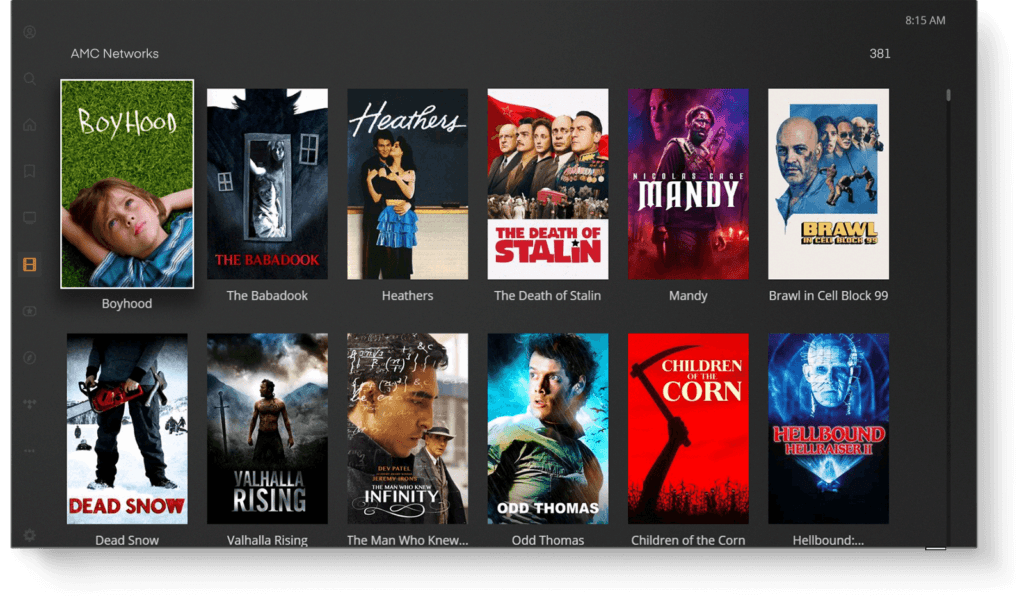
Most major networks offer apps that provide a “rolling” window of free content. Technically, these apps often require “TVE” (TV Everywhere) authentication for full access, but they typically provide the last three to five episodes of popular shows for free after a 24-hour broadcast delay. These platforms use Geo-fencing technology to ensure content rights are respected based on the user’s IP address, a critical component of digital rights management (DRM) in the broadcasting industry.
Public Service Tech and Educational Access
Not all free TV is driven by commercial advertising. Some of the most technologically advanced and high-quality streaming platforms are powered by public institutions and local library systems, utilizing unique authentication methods.
PBS and PBS Kids: Community-Funded Streaming
The PBS app is a gold standard for public service broadcasting. It offers a robust VOD platform and live streaming of local stations. The technology behind the PBS app is designed for maximum accessibility, featuring high-quality closed captioning and audio description services. Furthermore, the PBS Kids app is an industry leader in safe-tech for children, featuring a “walled garden” environment that prevents tracking and ensures a secure digital space for younger viewers.
Kanopy and Hoopla: The Library API Integration
Perhaps the best-kept secret in free digital media is the integration between streaming platforms and public libraries. Kanopy and Hoopla allow users to stream thousands of films and documentaries for free using a library card.
The technical brilliance here lies in the API integration with library management systems. When a user logs in, the platform communicates with the library’s database to verify the user’s standing in real-time. These platforms often host “criterion” level cinema and educational content that is not available on commercial FAST platforms, providing a high-bitrate streaming experience without any commercial interruptions.
The Technology Behind the Screen: Optimization and Security
Watching free TV is not just about finding the right app; it involves understanding the underlying technology that makes modern streaming possible and the precautions necessary to protect one’s digital footprint.
Codecs and Bandwidth Management
The ability to stream high-definition content for free is largely due to advancements in video compression. Modern platforms utilize codecs like H.264 (AVC) and increasingly H.265 (HEVC) or VP9. These technologies allow high-quality video to be transmitted using significantly less bandwidth. For the user, this means that even on a standard home Wi-Fi connection, platforms like Tubi or Pluto TV can deliver 1080p content without the buffering issues that plagued early internet video.
The Role of AI in Ad-Insertion
One of the trade-offs of free TV is the presence of advertisements. However, the technology of ad-insertion has become highly sophisticated. Servers now use “Server-Side Ad Insertion” (SSAI), which stitches the advertisement directly into the video stream. This prevents the “jumping” or “freezing” effect often seen when a web player switches from a movie to a commercial. It also makes it much harder for ad-blockers to intercept the commercial content, ensuring the economic viability of the free platform.
Security and Digital Hygiene
While the platforms mentioned in this guide are legal and secure, the search for “free TV” often leads users to the darker corners of the internet. It is vital from a tech-security standpoint to distinguish between legitimate AVOD/FAST services and illicit piracy sites.
Illicit sites often lack HTTPS encryption and are hotspots for drive-by downloads and malvertising. When accessing free TV, users should strictly stick to verified apps available in official stores (Google Play, Apple App Store, Roku Channel Store). Utilizing a secure browser with updated security patches and, in some cases, a reputable VPN (Virtual Private Network) can add a layer of privacy, though most legitimate free services may block VPN IP addresses to comply with regional licensing agreements.

Future Trends in Free Streaming Technology
As we look forward, the technology powering free TV will only become more integrated and intelligent. We are seeing the beginning of “Social Streaming,” where platforms integrate live chat or co-watching features into their free tiers to increase user retention.
Furthermore, the rise of AI-driven content creation may soon lead to “infinite” channels—FAST channels where the content is curated or even generated based on real-time user preferences. As smart TV operating systems like Tizen (Samsung) and WebOS (LG) continue to evolve, the distinction between “apps” and “live TV” will continue to blur, placing free, high-quality content at the very center of the digital home experience.
For the consumer, the “where” of free TV is now an expansive digital map of apps and platforms. By understanding the technological frameworks of these services, viewers can optimize their setups for the best possible visual and auditory experience without the burden of a monthly subscription fee.
aViewFromTheCave is a participant in the Amazon Services LLC Associates Program, an affiliate advertising program designed to provide a means for sites to earn advertising fees by advertising and linking to Amazon.com. Amazon, the Amazon logo, AmazonSupply, and the AmazonSupply logo are trademarks of Amazon.com, Inc. or its affiliates. As an Amazon Associate we earn affiliate commissions from qualifying purchases.