
For investors, stakeholders, and commercial partners, the question of “how long is the MLS season” is not merely a matter of sports trivia—it is a calculation of asset utilization, revenue cycles, and market exposure. Major League Soccer (MLS) operates on a calendar that differs significantly from traditional European leagues, a strategic choice that dictates the league’s financial health and its appeal to high-net-worth investors. From the kick-off in late February to the MLS Cup in early December, the approximately nine-month season represents a complex ecosystem of cash flow, broadcast inventory, and hospitality revenue.
Understanding the duration and structure of the MLS season is essential for grasping the business model of North American soccer. With franchise valuations now exceeding $1 billion in some markets, the efficiency of the competitive calendar is the primary driver of return on investment (ROI) for the league’s ownership groups.
The Economic Calendar: Mapping the Nine-Month Revenue Cycle
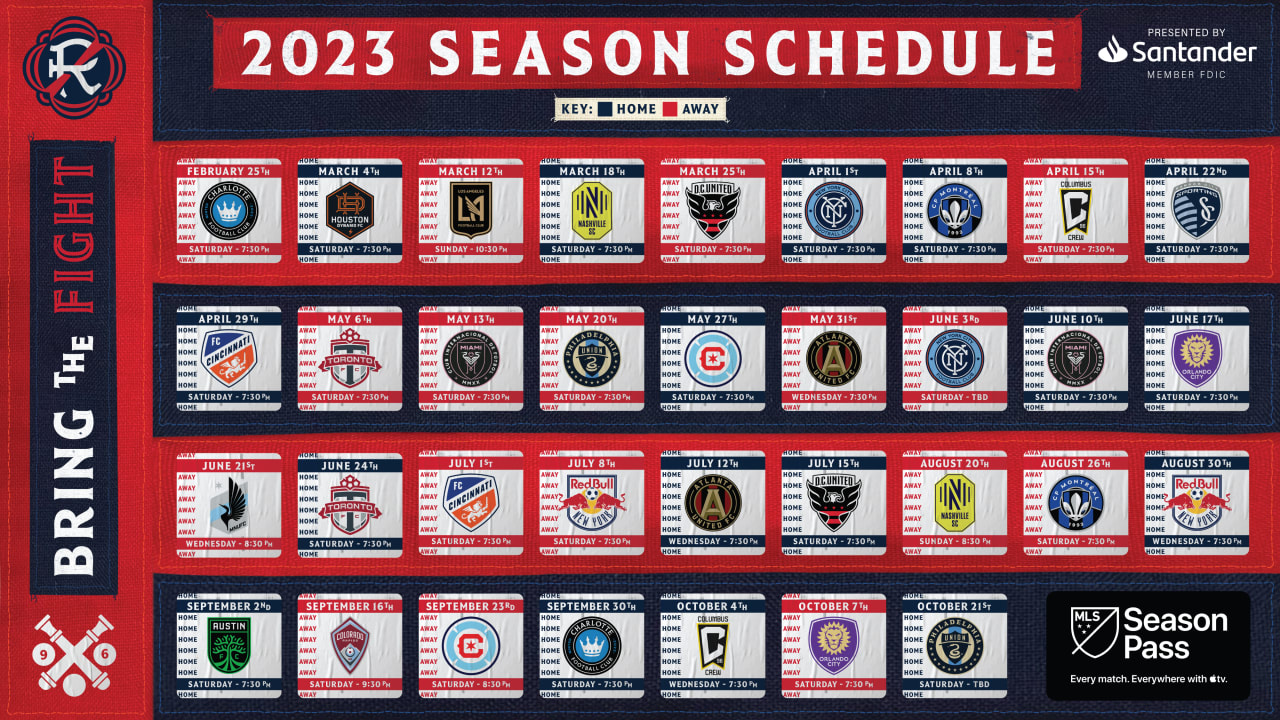
The MLS season typically spans 34 regular-season matches, but the fiscal impact extends well beyond those 90-minute windows. The “season” for an MLS franchise is an operational marathon that begins with pre-season marketing in January and concludes with post-season evaluations in December.
Regular Season Duration and Cash Flow Consistency
The regular season usually begins in the final week of February and runs through October. This timeframe is strategically designed to maximize “wallet share” during the spring and summer months when the NFL and NBA are either in their off-seasons or concluding their playoffs. Financially, this provides a consistent stream of match-day revenue—including ticket sales, concessions, and parking—across 17 home matches.
For a mid-sized MLS club, match-day income can account for 30% to 50% of annual operating revenue. By spreading these games over eight months, clubs can maintain a steady cash flow that covers high-overhead costs like player salaries and stadium debt service. The predictability of this schedule allows for sophisticated financial planning and quarterly reporting that aligns with standard corporate fiscal years.
The Mid-Season Multiplier: The Leagues Cup
A relatively recent addition to the MLS duration is the month-long pause in mid-summer for the Leagues Cup. While critics initially worried about the disruption of momentum, the tournament has proven to be a masterstroke of business finance. By integrating Liga MX clubs into the schedule, MLS has created a high-intensity tournament that attracts massive viewership and sponsorship premiums. This four-week window acts as a “season within a season,” providing clubs with additional home-match inventory and lucrative broadcasting opportunities that were previously unavailable during the summer lull.
Broadcast Rights and the Apple TV Partnership Model
The length of the MLS season is the cornerstone of its $2.5 billion, 10-year partnership with Apple. In the world of digital streaming and media investment, “inventory” is king. The length of the season determines how many hours of live content the league can provide to its global subscriber base.
Maximizing Content Inventory
With 29 teams playing 34 games each, plus playoffs and the Leagues Cup, MLS generates hundreds of hours of live content. This volume is critical for justifying subscription costs for “MLS Season Pass.” The financial logic is simple: a longer season keeps subscribers within the Apple ecosystem for more months out of the year, reducing “churn” (the rate at which subscribers cancel their service).
From a brand perspective, the duration of the season allows for deeper storytelling. Apple’s investment isn’t just in the live games but in the surrounding shoulder content—docuseries, highlights, and analysis—that maintains brand engagement from February to December. The longer the season, the higher the “lifetime value” (LTV) of each subscriber.
Global Marketability and Time-Zone Arbitrage
The MLS calendar (February to December) runs counter to the traditional European schedule (August to May). This “summer league” approach is a calculated financial strategy. During the European off-season in June and July, MLS is the only major professional soccer league in action. This provides a period of “time-zone arbitrage” where global betting markets, international broadcasters, and soccer fans worldwide turn their attention to North America. This exclusivity during the summer months is a primary driver of the league’s increasing international media value.

The Financial Stakes of the Post-Season: MLS Cup Playoffs
While the regular season provides the baseline for revenue, the MLS Cup Playoffs—typically held in October, November, and early December—represent the high-margin “upside” for franchise owners. The structure of the post-season has a profound impact on a club’s year-end balance sheet.
Variable Pricing and Premium Hospitality
The playoffs allow clubs to employ aggressive variable pricing models. Tickets for playoff matches often command a 50% to 200% premium over regular-season prices. Furthermore, corporate hospitality and luxury suite sales see a significant uptick during the post-season. For a club that makes a deep run into the MLS Cup Final, the additional gate receipts and concessions can represent the difference between an operating loss and a profitable fiscal year.
The “Messi Effect” and Sponsorship Valuations
The duration of the season also dictates the value of sponsorship contracts. Kits (jerseys), stadium naming rights, and digital advertisements are valued based on “impressions” and “on-screen time.” The arrival of global icons like Lionel Messi has fundamentally changed the math. Sponsors are now paying record-breaking sums for exposure that lasts the full duration of the season.
If the season were shorter, the amortized cost per impression for a sponsor like Adidas or Royal Caribbean would increase, making the partnership less efficient. The current 9-month structure optimizes the balance between player recovery and commercial visibility, ensuring that sponsors receive maximum value for their multi-million dollar investments.
Strategic Expansion and the Future of the MLS Calendar
As MLS moves toward a 30-team league with the addition of San Diego FC, the debate over the length of the season is evolving. There are significant financial pressures pushing for both an expanded schedule and a more condensed, high-intensity format.
Franchise Valuations and the Scarcity Principle
The current season length supports the rising valuations of MLS franchises. Investors are willing to pay $500 million+ expansion fees because the league has demonstrated a stable, long-term revenue model built on a reliable calendar. However, as the league grows, there is a risk of “content dilution.” To maintain high ticket prices and broadcast demand, the league must balance the number of games with the perceived scarcity of the product.
Economically, the league is reaching a tipping point where increasing the number of games (and thus the length of the season) may yield diminishing returns. The focus is shifting from more games to higher-value games, which explains the emphasis on tournaments like the Leagues Cup and the revamped playoff format.
Infrastructure and Year-Round Asset Management
The length of the season also impacts how clubs manage their primary physical assets: soccer-specific stadiums. A 9-month season ensures that these multi-hundred-million-dollar facilities are utilized for their primary purpose for most of the year. However, the 3-month off-season is equally critical from a business finance perspective. This window allows for “non-sporting revenue” generation, such as hosting major concerts, corporate events, and other sporting tournaments (like the Gold Cup or Copa América).
Strategic asset management requires a season length that maximizes soccer revenue without cannibalizing the opportunity for high-margin stadium rentals during the winter months. The current February-to-December window is the “sweet spot” that allows for both.

Conclusion: The Season as a Financial Foundation
In conclusion, the length of the MLS season is a carefully calibrated business decision that balances athlete welfare with aggressive commercial growth. For the investor, the 9-month calendar provides a robust framework for revenue generation, brand building, and media distribution. For the sponsors and broadcasters, it offers a consistent and high-volume stream of content that captures the North American market when other sports are dormant.
As the league continues to mature and integrate more deeply into the global soccer economy, the “how long” of the season will continue to be a primary lever for increasing the league’s total addressable market and driving the next wave of multi-billion dollar investments. The MLS season is no longer just a series of games; it is a sophisticated financial product designed for the modern global sports economy.
aViewFromTheCave is a participant in the Amazon Services LLC Associates Program, an affiliate advertising program designed to provide a means for sites to earn advertising fees by advertising and linking to Amazon.com. Amazon, the Amazon logo, AmazonSupply, and the AmazonSupply logo are trademarks of Amazon.com, Inc. or its affiliates. As an Amazon Associate we earn affiliate commissions from qualifying purchases.