
For generations, going to the movies has been a cherished pastime, a ritual of communal storytelling under the glow of a silver screen. It’s an escape, a date night, a family outing, or a solitary communion with art. Yet, amidst the excitement of upcoming blockbusters and critical darlings, a common question echoes in the minds of many consumers: “How much for the movie ticket?” What seems like a simple query unravels into a complex web of economic factors, industry strategies, and personal finance considerations. Understanding the true cost of a movie ticket, and indeed the entire cinematic experience, requires a deep dive into the financial mechanics that govern the industry and impact our wallets.
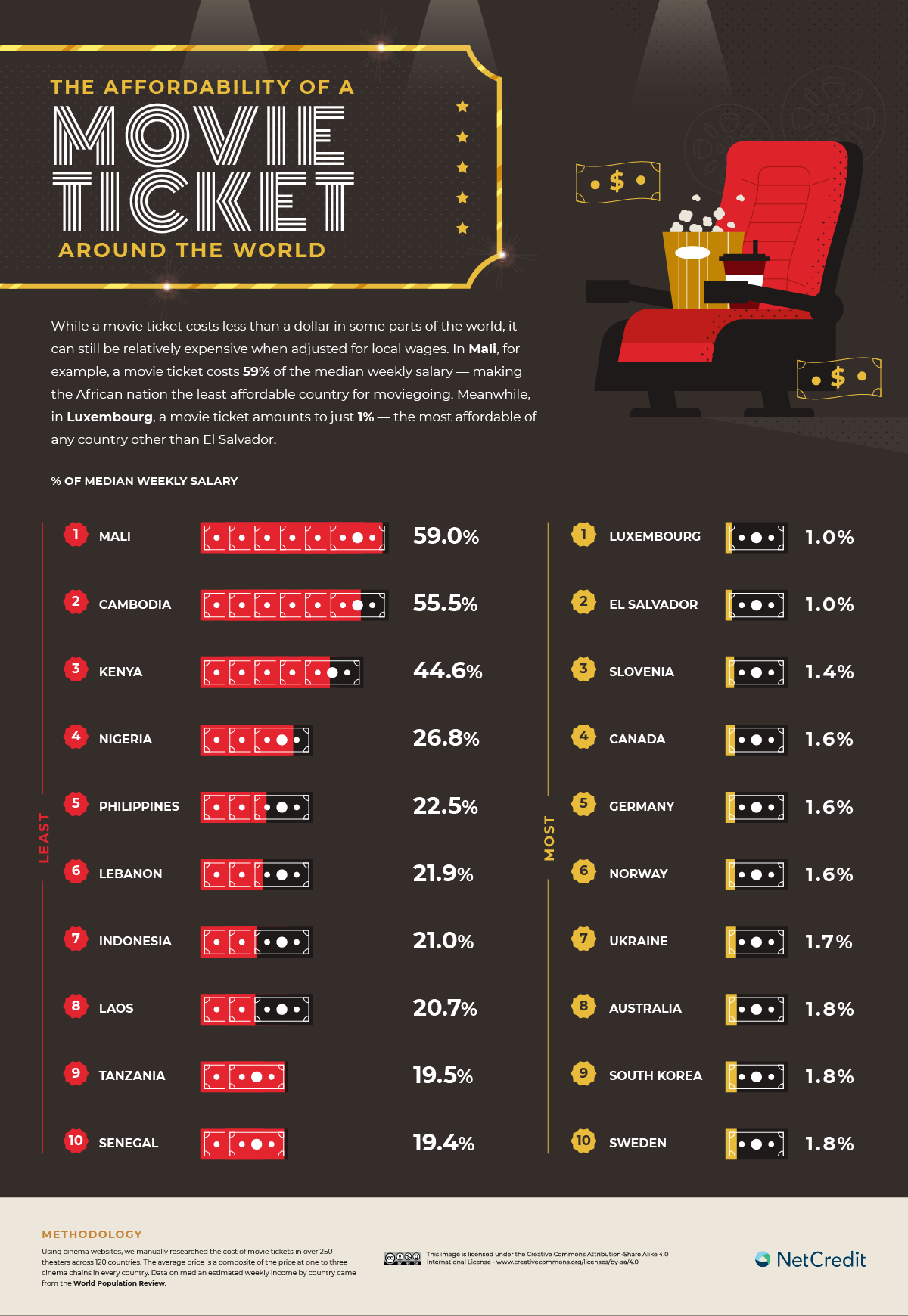
This article will meticulously dissect the pricing structures of movie tickets, exploring the myriad influences that determine the final figure displayed at the box office or on your online booking screen. We will journey through the historical evolution of ticket prices, scrutinize the specific variables that cause costs to fluctuate, unmask the often-overlooked ancillary expenses, and finally, equip you with practical strategies to manage your movie-going budget more effectively. For both ardent cinephiles and casual viewers, gaining a comprehensive understanding of these financial dynamics is crucial for making informed choices about how and when to enjoy the magic of the movies.
The Shifting Sands of Cinema Pricing: A Historical and Modern Perspective
The price of a movie ticket today is a far cry from what it once was. To truly appreciate the current financial landscape, it’s essential to understand the historical context and the modern forces shaping these costs.
From Nickelodeons to Multiplexes: A Brief History of Ticket Costs
In the early 20th century, moviegoing was incredibly affordable. Nickelodeons, named for their five-cent admission price, made cinema accessible to the masses. As films grew longer, more sophisticated, and theaters became grander, ticket prices gradually rose. The advent of sound, color, and wider screens each commanded a premium, reflecting the enhanced production values and the immersive experience offered. Post-World War II, television posed a significant threat, pushing cinemas to innovate with features like Cinerama and 3D to justify higher prices and lure audiences back to the big screen. The rise of the multiplex in the latter half of the century standardized pricing to some extent but also introduced tiered experiences. Historically, ticket prices have always reflected a balance between covering operational costs, satisfying studio demands, and remaining accessible enough to attract a broad audience. However, inflation, coupled with rising operational expenses, has ensured a steady upward trajectory over the decades.
The Digital Age’s Influence: Dynamic Pricing and Online Convenience Fees
The 21st century has introduced a new layer of complexity to movie ticket pricing, largely driven by digital transformation. Online booking platforms, while offering unparalleled convenience, often come with an additional “convenience fee” or “service charge.” These small surcharges, typically a dollar or two per ticket, can add up, particularly for a group outing. More significantly, the digital age has paved the way for dynamic pricing models. Similar to airlines or hotels, some cinemas are experimenting with algorithms that adjust ticket prices based on demand, time of day, popularity of the film, and even local events. This means that a Saturday night showing of a highly anticipated blockbuster might cost more than a Tuesday afternoon screening of the same film, or a standard release. While not universally adopted, dynamic pricing represents a significant shift from static pricing models and can directly impact a consumer’s financial outlay.
Inflation and Economic Realities: The Baseline Price Hike
Beyond specific industry shifts, general economic inflation plays a foundational role in the persistent rise of movie ticket prices. The cost of living increases over time, and so do the costs associated with running a cinema: rent, utilities, labor, equipment maintenance, and licensing fees for films. As these operational expenses climb, cinemas must adjust ticket prices to maintain profitability. Furthermore, studios demand a significant percentage of ticket sales, especially for new releases, to recoup their massive production and marketing costs. This leaves cinemas with a smaller margin, which they often try to offset by increasing the base ticket price, especially in areas with higher operational costs or strong competition. Understanding that a portion of the price hike is simply a reflection of broader economic realities helps put the cost into perspective.
Deconstructing the Dollars: Key Factors Driving Ticket Costs
While inflation provides a baseline, numerous specific factors contribute to the varied prices you encounter for a movie ticket. These influences are often strategic decisions made by cinema operators and studios to maximize revenue and manage demand.
Location, Location, Location: Urban vs. Suburban vs. Rural Pricing
Where you watch a movie significantly impacts its cost. Cinemas in major metropolitan areas, with higher commercial rents, higher minimum wages, and a more affluent customer base, typically charge more than those in suburban or rural locales. A prime theater in a bustling city center might have ticket prices 20-30% higher than a comparable chain multiplex just outside the city limits. This geographical segmentation of pricing reflects the varying operational costs and perceived market value of the cinematic experience in different environments. It’s a fundamental economic principle: supply, demand, and overhead dictate pricing.
The Premium Experience: IMAX, 3D, D-Box, and Luxury Seating
Modern cinemas thrive on offering differentiated experiences, and these premium formats come with a premium price tag. IMAX, with its larger screens and immersive sound, commands an upcharge. 3D screenings require special projectors and glasses, adding to both the cinema’s investment and your ticket cost. D-Box seats, which move and vibrate in sync with the on-screen action, offer a unique sensation but also an elevated price. The rise of luxury cinemas, featuring amenities like reclining seats, in-seat food and beverage service, and enhanced comfort, naturally leads to significantly higher ticket prices. These premium options are designed to appeal to consumers willing to pay more for an enhanced, more comfortable, or technologically advanced viewing experience, often making the difference between a standard $12 ticket and a $25+ experience.
Day of the Week and Time of Day: The Peak vs. Off-Peak Divide
Just like public transportation or electricity, movie tickets often operate on a peak vs. off-peak pricing model. Weekend evenings, especially Friday and Saturday nights, are consistently the most expensive times to see a movie due to high demand. Conversely, weekday matinees (screenings before 5 PM) and early bird shows are typically the cheapest. Many cinemas offer discounted “Tuesdays” or “Thursdays” to encourage attendance during traditionally slower periods. Understanding these demand-driven pricing strategies allows consumers to strategically choose viewing times that align with their budget. This flexibility can result in substantial savings, making the same movie experience significantly more affordable simply by adjusting the timing.
New Releases vs. Older Films: Demand-Driven Pricing
The freshness of a film also plays a critical role in its pricing. Brand-new blockbusters, especially during their opening week, tend to have the highest ticket prices. This is when demand is at its peak, and studios are eager to recoup their investments quickly. As a film ages in the theater, demand typically wanes, and some cinemas might reduce ticket prices for “second-run” features or offer special deals. Art-house cinemas showing independent or older films might also maintain different, often lower, pricing structures compared to mainstream multiplexes showing current blockbusters. The pricing here is a direct reflection of market demand and the novelty factor of the content.
Exhibition Costs and Studio Demands: The Business End of Pricing
Behind every ticket price is a complex negotiation between the film distributor (representing the studio) and the exhibitor (the cinema). Studios typically take a substantial percentage of the box office revenue, especially during a film’s opening weeks (often 60-70% or even higher). This percentage usually declines over the film’s run. Cinemas must then cover their operating costs (rent, utilities, staff, equipment, cleaning, marketing) with their remaining share, along with any profits. When studios demand a higher split, cinemas are often compelled to raise ticket prices to maintain their margins. The capital investment in projection equipment (especially for digital and premium formats), sound systems, and comfortable seating is immense, and these costs are ultimately factored into the ticket price over time.
The Full Financial Picture: Beyond the Initial Ticket Price
The price printed on your movie ticket is rarely the sole expense of a cinema outing. A truly comprehensive financial understanding requires accounting for the myriad ancillary costs that can quickly inflate your total spend.
The Concession Stand Conundrum: Popcorn, Drinks, and Snacks
For most cinemas, concessions are their lifeblood, often accounting for a disproportionately large share of their profit margins. While a movie ticket’s revenue is heavily split with the studio, almost 100% of concession revenue stays with the exhibitor. This explains why popcorn, soda, and candy are notoriously expensive at the cinema – often several times their retail value. A family of four easily spends an additional $30-$50 on snacks and drinks, potentially doubling their total outlay. This “concession mark-up” is a strategic financial decision to ensure the profitability of the cinema business, making the seemingly simple act of enjoying a snack a significant financial consideration.
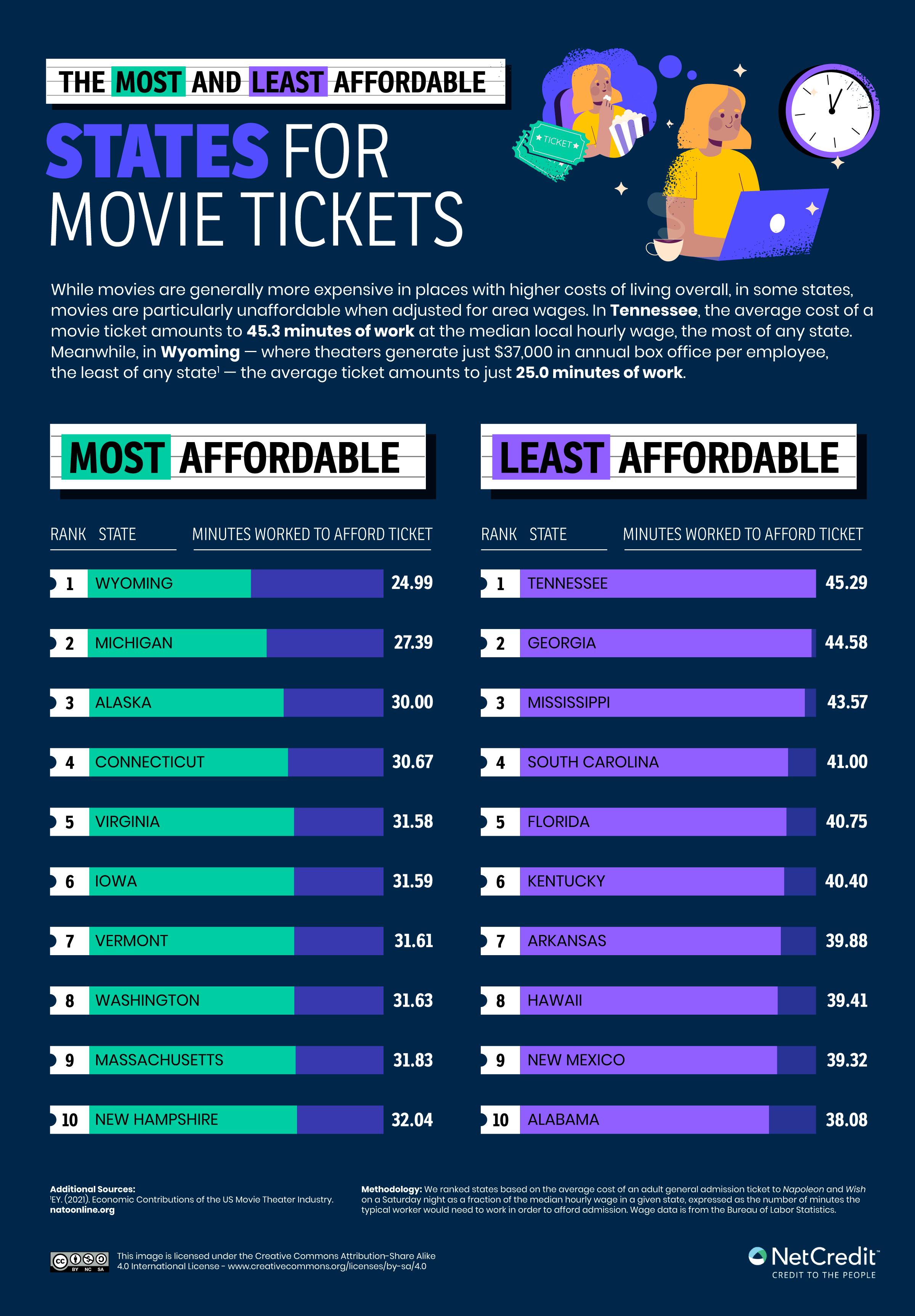
Convenience Fees and Online Booking Charges
As previously mentioned, the convenience of purchasing tickets online often comes with a small but ubiquitous surcharge. While typically only a dollar or two per ticket, these fees add up, especially for larger groups. If you’re buying four tickets at $15 each, an additional $1.50 per ticket adds $6 to your total, bringing your initial $60 spend to $66 before even considering parking or concessions. While seemingly minor, these fees represent pure profit for the online platform or the cinema, highlighting the cost of digital convenience.
Parking and Transportation: Getting There and Back
The journey to the cinema can also incur costs. In urban centers, parking can be prohibitively expensive, sometimes rivaling the price of a single movie ticket itself. Public transportation, while often cheaper, still contributes to the overall expense. Even fuel costs for driving to a suburban multiplex add a monetary component that should be factored into the total movie-going budget. These transportation expenses are often overlooked but can significantly impact the overall financial commitment of a trip to the movies.
Merchandising and Ancillary Spending
For blockbuster films, especially those with strong fan bases, cinemas often capitalize on the excitement by selling merchandise. T-shirts, posters, toys, or themed collectibles related to the movie can be strategically placed near concession stands or in the lobby, tempting viewers to extend their spending beyond the film itself. While optional, these ancillary purchases contribute to the broader economic ecosystem of the movie industry and can add unexpected costs to a family’s outing, particularly when children are involved.
Mastering Movie Budgets: Strategies for Affordable Cinematic Experiences
Despite the rising costs, enjoying a movie on the big screen doesn’t have to break the bank. With a few smart financial strategies, you can significantly reduce your expenditure without sacrificing the experience.
Leveraging Loyalty Programs and Subscription Services
Many major cinema chains offer loyalty programs that reward frequent moviegoers with points that can be redeemed for discounts on tickets or concessions. Some also provide premium membership tiers or subscription services (e.g., AMC Stubs A-List, Regal Unlimited, Cinemark Movie Club). For a monthly fee, these subscriptions often allow members to see multiple movies per month at a significantly reduced per-ticket cost, sometimes even including discounts on concessions. For those who watch movies regularly, these programs can offer substantial long-term savings and are a prime example of smart financial planning for entertainment.
Matinee Madness and Discount Days: Timing Your Visit
As discussed, timing is everything. Opting for a weekday matinee, an early bird show, or taking advantage of specific discount days (like “Cheap Tuesdays”) can slash ticket prices by 30-50% compared to peak weekend evening showings. Planning your movie outing around these off-peak times is one of the most straightforward and effective ways to save money, allowing you to enjoy the same film for a fraction of the cost.
Membership Perks and Student/Senior Discounts
Always inquire about special discounts. Many cinemas offer reduced ticket prices for students, seniors, military personnel, or specific organizational members (e.g., AAA, AARP). These discounts, which can range from 10% to 25% or more, are often underutilized simply because people don’t ask. Combining these demographic-specific discounts with off-peak timing can lead to impressive savings.
The Art of Bringing Your Own (When Permitted): Smart Concession Alternatives
While many cinemas strictly prohibit outside food and drinks, some independent theaters or drive-ins are more lenient, or have specific policies allowing certain items. Always check the cinema’s policy beforehand. If allowed, bringing your own water bottle, a small snack, or even a pre-made sandwich can dramatically cut down on concession spending. For those cinemas with strict policies, a financial strategy could involve enjoying a meal or snack before or after the movie, thereby avoiding the high concession prices altogether.
Exploring Alternative Viewing Platforms: The Rise of Streaming
In an age of escalating ticket prices, streaming services offer a compelling, cost-effective alternative. For a monthly subscription fee, platforms like Netflix, Hulu, Disney+, Max, and Amazon Prime Video offer vast libraries of content, including many new releases that become available for streaming a few weeks or months after their theatrical run, or sometimes even simultaneously. While not replicating the big-screen experience, streaming provides unparalleled convenience and significantly lower per-movie costs, allowing individuals and families to enjoy a wealth of cinematic entertainment within their budget. For many, a balanced approach combining occasional theatrical visits with regular streaming has become the most financially sensible strategy.
The Economic Ripple: Why Ticket Prices Matter
Understanding movie ticket prices goes beyond personal budgeting; it delves into the economic health of a vital cultural industry. These prices are not arbitrary; they are the lifeblood that sustains a vast ecosystem.
Sustaining the Cinema Industry: Revenue Streams and Profit Margins
Movie ticket sales are the primary revenue stream for exhibitors, allowing them to cover their operational costs, invest in new technologies (like laser projection or luxury seating), maintain facilities, and employ staff. Crucially, a significant portion of ticket revenue flows back to the film studios and distributors, funding future productions, marketing campaigns, and compensating the thousands of individuals involved in filmmaking. Without adequate ticket prices, both the exhibition and production arms of the industry would struggle to remain viable. The delicate balance is to price tickets at a level that generates sufficient revenue without alienating audiences.
Consumer Behavior and Affordability Thresholds
Ticket prices directly influence consumer behavior. If prices become too high, audiences may reduce their frequency of visits, opt for cheaper alternatives (like streaming or home entertainment), or only attend for highly anticipated blockbusters. There’s an “affordability threshold” that, once crossed, can lead to a significant drop in attendance, paradoxically hurting the very revenue streams the higher prices were meant to bolster. Cinemas constantly analyze these thresholds, trying to find the sweet spot that maximizes revenue while maintaining a healthy attendance base. This makes ticket pricing a critical aspect of market strategy and financial forecasting for the industry.

The Future of Moviegoing: Balancing Experience and Accessibility
The ongoing evolution of movie ticket pricing reflects a broader struggle within the cinema industry: how to balance providing a premium, immersive experience with maintaining accessibility for a wide audience. As home entertainment systems become more sophisticated and streaming offers unprecedented convenience, cinemas must justify their existence and higher price points by offering something truly unique. This might mean continued investment in premium formats, enhanced comfort, or unique experiential events. The “how much for the movie ticket” question is therefore not just about a current cost, but about the future viability of shared cinematic experiences and whether they will remain a financially accessible pleasure for all.
In conclusion, the cost of a movie ticket is a multifaceted financial construct, influenced by history, geography, technology, demand, and economic realities. From the initial ticket price to the often-overlooked ancillary expenses, understanding these financial dynamics empowers consumers to make more informed choices. By leveraging discounts, strategic timing, and alternative consumption methods, individuals can continue to enjoy the magic of the movies without unduly straining their personal finances, ensuring that the communal experience of cinema remains a cherished and accessible form of entertainment for generations to come.
aViewFromTheCave is a participant in the Amazon Services LLC Associates Program, an affiliate advertising program designed to provide a means for sites to earn advertising fees by advertising and linking to Amazon.com. Amazon, the Amazon logo, AmazonSupply, and the AmazonSupply logo are trademarks of Amazon.com, Inc. or its affiliates. As an Amazon Associate we earn affiliate commissions from qualifying purchases.