
In the intricate world of personal finance and digital transactions, understanding the fundamental identifiers of your financial tools is not merely a matter of trivia; it’s a cornerstone of financial literacy and security. Among the myriad of questions that arise for consumers and businesses alike, one frequently surfaces regarding one of the most prestigious payment networks: “What number does Amex start with?” This seemingly simple query unlocks a deeper understanding of card security, payment processing, and the unique identity of American Express within the global financial ecosystem.
American Express, or Amex as it’s commonly known, holds a distinctive position among credit card issuers. Unlike Visa or Mastercard, which operate primarily as payment networks for cards issued by various banks, American Express often acts as both the issuer and the network. This integrated model gives Amex a unique approach to branding, customer service, and, indeed, card numbering conventions. Delving into the starting digit of an Amex card number reveals a structured system designed for rapid identification, security, and efficient processing, underscoring critical aspects of financial tools and consumer protection in the modern age.
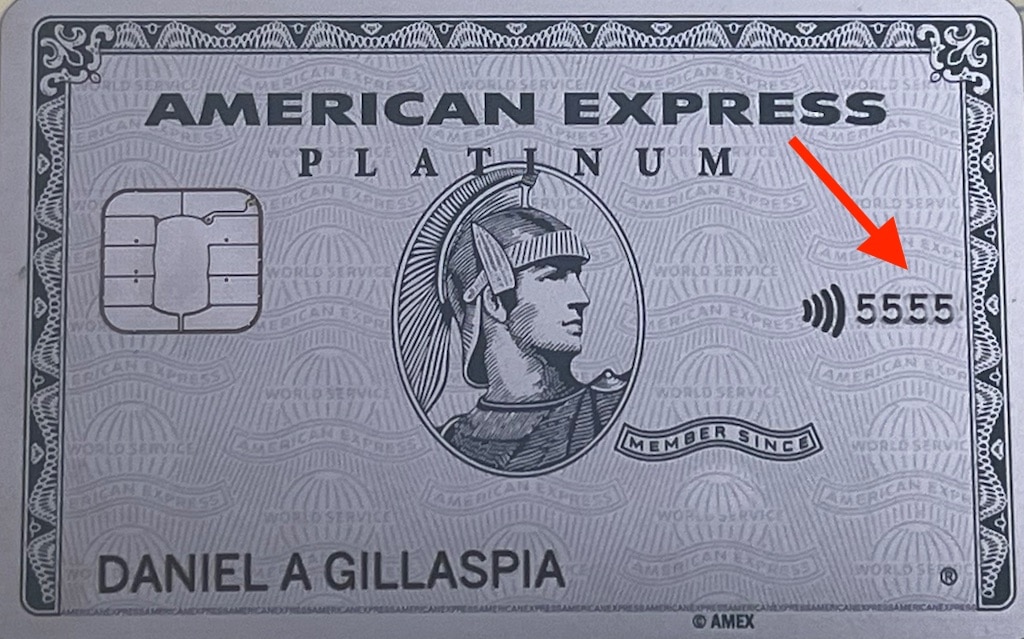
Deciphering the Amex Card Number Structure
Every credit or debit card number isn’t just a random string of digits; it’s a carefully structured identifier that conveys specific information about the card, its issuer, and the network it belongs to. This architecture is crucial for the seamless functioning of global payment systems, enabling everything from online purchases to in-store transactions. Understanding this structure, particularly for an influential player like American Express, provides valuable insight into how financial transactions are managed and secured.
The Industry Identifier: MII
At the very beginning of every payment card number lies a crucial digit known as the Major Industry Identifier (MII). This single digit immediately tells the payment system what type of entity issued the card. For instance, ‘4’ typically signifies banking and financial institutions (like Visa), ‘5’ often points to banking and financial institutions as well (like Mastercard), and ‘6’ can denote banking, merchandising, or travel and entertainment (like Discover). These MIIs are standardized globally, ensuring that payment terminals and online gateways can quickly route transactions to the appropriate network for processing.
The MII is the first piece of information processed, allowing systems to anticipate the subsequent structure and length of the card number. This initial identification is critical for efficiency, as it streamlines the communication between the merchant, the acquiring bank, and the issuing bank, ensuring that your transaction is authorized correctly and swiftly. Without this standardized beginning, processing payments would be far more complex and prone to errors, hindering the speed and reliability that consumers and businesses have come to expect.
American Express’s Unique MII
For American Express, the answer to “what number does Amex start with?” is unequivocally 3. This MII of ‘3’ is exclusive to the travel and entertainment industry, within which Amex carved its initial niche and continues to operate prominently. This designation isn’t merely historical; it serves a practical purpose today. When a merchant’s point-of-sale system or an online payment gateway encounters a card number beginning with ‘3’, it instantly recognizes it as an American Express card. This immediate identification triggers the specific processing protocols required for Amex transactions, which can differ from those of other networks.
The ‘3’ also contributes to the distinct branding and operational model of American Express. As mentioned, Amex often acts as both the card issuer and the network, meaning it has a direct relationship with its cardmembers and merchants in many cases. This contrasts with systems like Visa or Mastercard, where various banks issue cards that use the respective network’s infrastructure. The starting digit ‘3’ reinforces this unique identity, signaling to the entire payment ecosystem that a card operating under the American Express umbrella is being used.
Beyond the Starting Digit: Card Length and Format
While the starting digit is key, the full card number structure offers further layers of information. American Express cards are also distinct in their total length, typically comprising 15 digits. This is a notable contrast to most Visa, Mastercard, and Discover cards, which usually have 16 digits. The format for Amex cards is generally 4-6-5 (e.g., XXXX XXXXXX XXXXX), which again helps in their quick visual and programmatic identification.
Following the initial ‘3’ (MII) and the next digit or two which further identify the specific Amex product, the subsequent digits represent the account number unique to the cardmember. The final digit of any card number is typically a “checksum” digit, calculated using the Luhn algorithm. This algorithm is a simple formula used to validate credit card numbers and other identification numbers, ensuring that the number is correctly transcribed and helping to catch accidental errors before a transaction is processed. This combination of unique MII, consistent length, and a validation algorithm makes the Amex card number robust and easily verifiable.
Why Does the Starting Digit Matter?
The seemingly simple detail of a credit card’s starting digit holds significant weight within the financial services industry. It’s not just a random allocation; it’s a critical piece of information that facilitates secure, efficient, and reliable payment processing. For both consumers and businesses, understanding why this digit matters can enhance financial literacy and awareness of digital security protocols.
Quick Identification and Acceptance
The primary reason for the starting digit’s importance lies in its role in rapid identification. When you swipe, tap, or enter your card details, the payment terminal or online system needs to instantly know which payment network to route the transaction to. A card starting with ‘3’ immediately signals “American Express.” This prevents misrouting, delays, and potential transaction failures. For businesses, this quick identification allows them to confirm if they accept Amex before initiating the full transaction process, saving time and avoiding customer frustration at the point of sale.
In a fast-paced retail environment, or during high-volume online sales, every millisecond counts. The MII acts as a primary filter, directing the transaction down the correct digital pathway. This efficiency is fundamental to the smooth operation of global commerce, ensuring that consumers can use their preferred payment methods and businesses can process payments seamlessly.
Fraud Prevention and Security Implications
Beyond efficiency, the starting digit plays a subtle but vital role in fraud prevention and security. Understanding the expected format, including the starting digit, length, and subsequent patterns, helps in detecting fraudulent activities. For instance, if a system expects a 15-digit Amex card number starting with ‘3’, but encounters a 16-digit number or one starting with ‘4’, it can immediately flag it as potentially suspicious or incorrect.
This knowledge also empowers consumers. If you receive a phishing email asking for your “Amex” card details and the example number provided starts with a ‘4’ or ‘5’, it’s an immediate red flag. Being aware of these standard formats helps individuals identify scams and protect their personal financial information from malicious actors. It’s a small detail that contributes to a larger security ecosystem designed to safeguard financial assets.
Understanding Payment Processing
For businesses and financial professionals, understanding the starting digit and the broader card numbering scheme is essential for configuring payment gateways and point-of-sale (POS) systems. Different card networks have different processing fees, settlement times, and technical specifications for transactions. Knowing that a card is an Amex card from its first digit allows merchants to apply the correct processing rules, calculate appropriate fees, and manage their cash flow effectively.
This distinction also affects hardware and software compatibility. Payment terminals must be certified to accept specific networks. The starting digit helps confirm compatibility and ensures that the correct software modules are engaged to communicate with the Amex network. For online businesses, integrating payment gateways involves configuring these network-specific parameters, making the MII a crucial piece of technical information.
The Broader Landscape of Credit Card Numbers
While the Amex numbering scheme is distinct, it operates within a broader, standardized framework governing all payment card numbers globally. Understanding this larger context provides a comprehensive view of card security, validity checks, and the interconnectedness of financial tools. This knowledge is not just for payment processors; it’s a valuable asset for anyone managing their personal finances or operating a business.
A Glimpse at Other Card Networks (Visa, Mastercard, Discover)
To appreciate Amex’s uniqueness, it’s helpful to compare it to its counterparts.
-
Visa cards consistently start with the digit 4. They typically have 16 digits.
-
Mastercard cards always start with the digit 5. They also typically have 16 digits.
-
Discover cards generally start with the digit 6. They are usually 16 digits long, though older cards could be 19 digits.
-
JCB (Japan Credit Bureau), another major international network, typically starts with 35.
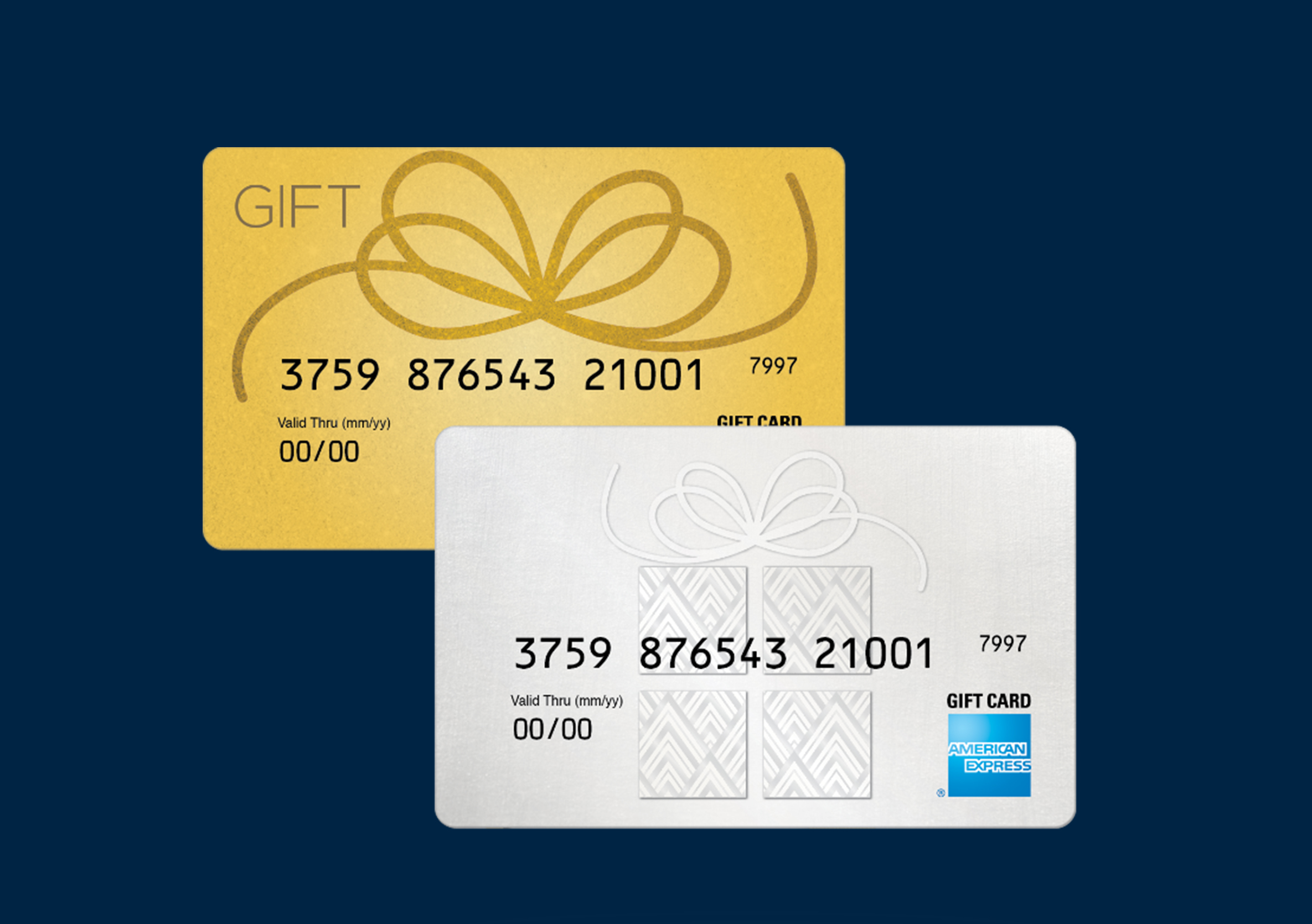
Each of these starting digits (or digit combinations, in the case of JCB) immediately identifies the network, enabling systems to direct transactions appropriately. This standardization across different networks, dictated by the International Organization for Standardization (ISO) via ISO/IEC 7812, is what makes global electronic payments possible and remarkably efficient.
The Luhn Algorithm: Ensuring Validity
Beyond the starting digit, every credit and debit card number incorporates a clever checksum formula known as the Luhn algorithm (or Mod 10 algorithm). This algorithm is not a security measure in itself – it doesn’t encrypt data or prevent unauthorized access – but it’s a vital tool for validating the authenticity of a card number. It helps detect common errors, such as mistyping a digit during manual entry.
When a card number is entered, the payment system runs it through the Luhn algorithm. If the calculation doesn’t yield a specific result, the number is deemed invalid, and the transaction is rejected. This prevents fraudulent attempts with random numbers and catches simple human errors before they can lead to processing failures. All major card networks, including American Express, incorporate the Luhn algorithm into their card numbering schemes.
BIN Ranges and Issuing Banks
The first six to eight digits of a credit card number are known as the Bank Identification Number (BIN) or Issuer Identification Number (IIN). These digits, which include the MII, specifically identify the financial institution that issued the card. For instance, while all Visa cards start with ‘4’, the subsequent digits in the BIN range will pinpoint which bank (e.g., Chase, Wells Fargo, Citi) issued that particular Visa card.
For American Express, the BIN range is particularly interesting because, as noted, Amex often acts as its own issuer. Therefore, the digits following the initial ‘3’ often directly identify American Express itself or a specific Amex product line. Understanding BIN ranges is critical for fraud detection, as it allows systems to cross-reference the card’s reported origin with other transaction data (e.g., billing address country) to identify potential inconsistencies. It also helps businesses understand the specific terms and conditions associated with different card types and issuers.
Practical Implications for Consumers and Businesses
Understanding the intricacies of credit card numbers, particularly what number Amex starts with, transcends mere curiosity. It has tangible practical implications for both individual consumers managing their finances and businesses accepting payments, impacting security, efficiency, and financial planning.
For Consumers: Recognizing Genuine Cards
For consumers, knowing the specific identifiers for different card networks, like Amex starting with ‘3’ and being 15 digits long, is a powerful tool for personal security. It allows you to:
-
Verify legitimacy: If you’re asked for card details in an unexpected context (e.g., a phone call or an email), comparing the format of any example given to the known Amex format can expose a phishing attempt.
-
Prevent accidental errors: When manually entering card details online, a quick mental check of the expected length and starting digit can help catch typos before submission.
-
Understand card acceptance: Before attempting a purchase, especially with smaller merchants, knowing that Amex has a distinct identification (and sometimes different acceptance rates) can manage expectations.
This basic financial literacy empowers consumers to be more vigilant and proactive in protecting their sensitive financial information, a crucial aspect of responsible personal finance in the digital age.
For Businesses: Streamlining Payment Acceptance
For businesses, integrating various payment methods is a fundamental aspect of growth and customer satisfaction. Understanding card number conventions is vital for:
-
Configuring POS systems: Ensuring that point-of-sale hardware and software are correctly configured to identify and process Amex cards, alongside Visa, Mastercard, and others, prevents transaction failures.
-
Fraud detection: Advanced fraud detection systems leverage BIN data, including the starting digit, to analyze transaction risk. For example, a system might flag a transaction if the card’s BIN suggests an issuer from one country, but the IP address of the purchase originates from another.
-
Reconciliation and reporting: Accurately categorizing transactions by card network simplifies financial reconciliation, accounting, and reporting, which is essential for business finance and tax purposes.
-
Customer experience: Seamlessly accepting various payment types, including Amex, enhances the customer experience, potentially leading to increased sales and customer loyalty.
Businesses that thoroughly understand these nuances can optimize their payment processing, reduce fraud exposure, and improve operational efficiency.
Digital Wallets and Card Information Storage
The proliferation of digital wallets (like Apple Pay, Google Pay, Samsung Pay) and stored card information on e-commerce sites has added another layer to how card numbers are handled. While these technologies aim to reduce the need for consumers to manually enter card details, the underlying principles of card identification remain crucial. When you add an Amex card to a digital wallet, the system still identifies it by its ‘3’ MII and 15-digit length to correctly tokenize the information and connect it to the Amex network.
For businesses, ensuring their payment gateways are compatible with tokenized payments from digital wallets, and that these tokens can be accurately linked back to the original card network, is paramount. This intricate dance between secure storage, tokenization, and network identification is all built upon the foundational structure of the credit card number, starting with its defining first digit. Protecting this stored information, whether in a digital wallet or on a merchant’s secure server, remains a critical aspect of digital security and personal finance management.
Protecting Your Financial Information
In an era defined by digital transactions, the security of your financial information is paramount. Knowing how payment card numbers are structured, particularly for American Express, is an important piece of the puzzle, but it must be complemented by robust security practices. Safeguarding your card number, whether it starts with a ‘3’ or any other digit, is an ongoing responsibility that falls on both consumers and financial institutions.
Best Practices for Online Transactions
When conducting transactions online, consider these best practices:
-
Use secure websites: Always ensure the website address begins with “https://” and displays a padlock icon in the browser, indicating a secure, encrypted connection.
-
Avoid public Wi-Fi for sensitive transactions: Public networks are often unsecured and vulnerable to snooping.
-
Use strong, unique passwords: Especially for financial accounts and e-commerce sites where your card details might be stored.
-
Enable two-factor authentication (2FA): For all financial accounts and any platform that stores your payment information.
-
Review statements regularly: Promptly check your Amex and other card statements for unauthorized transactions.
These habits, combined with an understanding of what constitutes a valid card number, form a formidable defense against online fraud.
Recognizing Phishing Scams
Phishing scams are a constant threat, aiming to trick you into divulging sensitive information like your card number. Awareness is your best defense:
-
Be wary of unsolicited communications: Emails or messages asking for card details, even if they appear to be from Amex or your bank, should be treated with suspicion.
-
Check sender details: Look for inconsistencies in email addresses or domain names.
-
Hover over links: Before clicking, hover your mouse over links to see the actual URL. If it doesn’t match the legitimate company’s domain, do not click.
-
Be skeptical of urgent requests: Phishing scams often create a sense of urgency to bypass rational thought.
Remember that legitimate financial institutions will rarely ask for your full card number, PIN, or CVV via email or unsolicited phone calls.
Reporting Suspicious Activity
If you suspect your American Express card number, or any financial information, has been compromised, act immediately:
-
Contact Amex directly: Use the official customer service numbers or channels listed on the back of your card or on their official website. Do not use numbers provided in suspicious emails or messages.
-
Monitor your accounts: Keep a close eye on all your financial accounts for any unusual activity.
-
Change passwords: For any compromised accounts and related services.
-
Consider a credit freeze/fraud alert: Depending on the severity of the breach, you might consider placing a fraud alert or freezing your credit reports with the major credit bureaus.
In conclusion, knowing that American Express cards begin with the digit ‘3’ is more than just a piece of trivia. It’s an entry point into understanding the sophisticated architecture of global payment systems, the critical role of standardized identifiers in security and efficiency, and the practical steps both consumers and businesses can take to protect financial assets in an increasingly digital world. This fundamental piece of information underscores the importance of financial literacy, not just for managing money, but for safeguarding it.
aViewFromTheCave is a participant in the Amazon Services LLC Associates Program, an affiliate advertising program designed to provide a means for sites to earn advertising fees by advertising and linking to Amazon.com. Amazon, the Amazon logo, AmazonSupply, and the AmazonSupply logo are trademarks of Amazon.com, Inc. or its affiliates. As an Amazon Associate we earn affiliate commissions from qualifying purchases.