
The process of purchasing a vehicle is often an emotional journey, but the financing behind it requires cold, hard logic. One of the most critical decisions a car buyer faces—beyond the make, model, and color—is the duration of the auto loan. The “how long” of an auto loan dictates not just your monthly budget, but your overall financial trajectory for years to come. In an era where vehicle prices have reached record highs and interest rates remain volatile, understanding the nuances of loan terms is essential for protecting your net worth and ensuring your personal mobility doesn’t become a financial anchor.
Understanding Auto Loan Terms: The Evolution of Duration
Historically, the standard auto loan lasted between 36 and 48 months. This window was considered the “sweet spot” because it aligned closely with the vehicle’s steepest period of depreciation and the typical duration of a manufacturer’s bumper-to-bumper warranty. However, as the average price of a new car has climbed, the industry has seen a dramatic shift toward longer-term financing.
The Rise of the Extended Loan
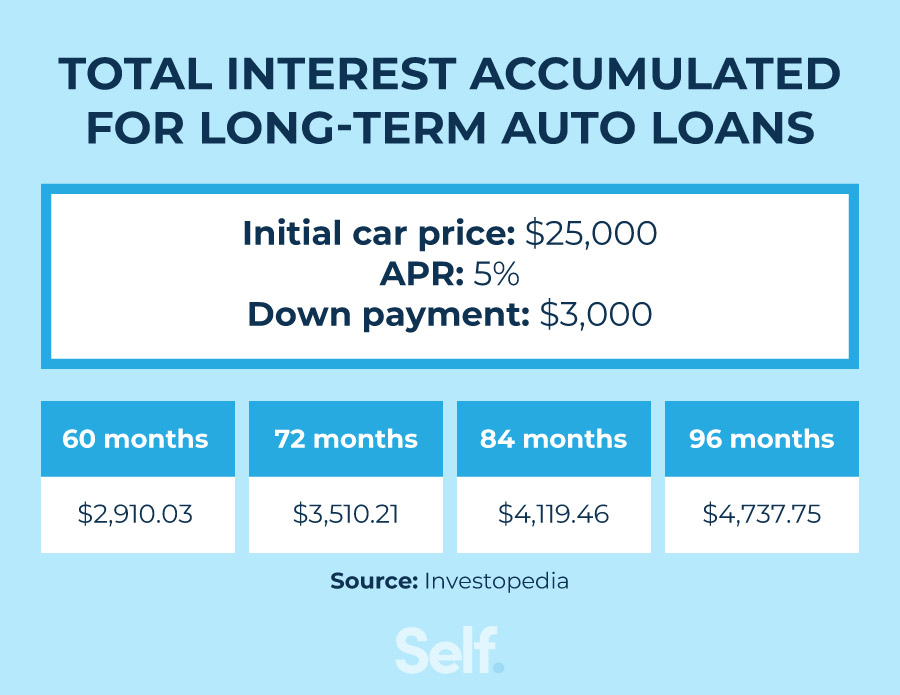
Today, the most common auto loan term is 72 months (six years), with 84-month (seven years) and even 96-month (eight years) loans becoming increasingly prevalent. Lenders offer these extended terms to make expensive vehicles appear more affordable by lowering the monthly payment. From a consumer psychology perspective, a $600 monthly payment over seven years feels more manageable than a $900 payment over four years, even if the total cost of the vehicle is significantly higher in the long run.
The Lender’s Perspective
It is important to recognize that lenders generally prefer longer terms for qualified borrowers. A longer loan period allows the financial institution to collect more interest over the life of the loan. While they assume more risk because the vehicle (the collateral) depreciates over that time, the increased interest revenue often compensates for that risk. For the borrower, however, this shift represents a move away from equity and toward perpetual debt.
The Financial Impact: Interest and Total Cost of Ownership
When deciding how long an auto loan should be, the most significant factor to consider is the total cost of ownership. The duration of your loan has a direct, inverse relationship with your monthly payment, but a direct, compounding relationship with the total interest paid.
The Interest Rate Penalty
Lenders typically charge higher interest rates for longer-term loans. A 36-month loan might carry an APR of 5%, while an 84-month loan for the same borrower could jump to 8% or higher. This “term premium” reflects the lender’s increased risk over a longer time horizon. When you combine a higher interest rate with a longer duration, the total interest paid can become staggering. For example, on a $40,000 loan, the difference between a 48-month term and a 72-month term can result in thousands of dollars in additional interest—money that could have been directed toward retirement accounts, emergency funds, or other investments.
Monthly Cash Flow vs. Long-Term Wealth
The primary argument for a long-term loan is cash flow management. By stretching the loan out, a buyer frees up monthly income for other expenses. However, this is often a deceptive benefit. If a buyer needs a seven-year loan to make a car “affordable,” they are likely purchasing a vehicle that is outside their true budget. From a personal finance standpoint, a vehicle is a depreciating asset; the goal should always be to pay it off as quickly as possible to minimize the time you spend paying interest on an asset that is losing value every day.
Depreciation and the Peril of Negative Equity

One of the most dangerous aspects of long-term auto loans is the risk of falling “upside down” or having negative equity. This occurs when the balance of your loan exceeds the actual market value of the vehicle.
The Depreciation Curve
Most vehicles lose approximately 20% of their value in the first year of ownership and continue to depreciate by roughly 15% per year thereafter. When you opt for a 72-month or 84-month loan, your monthly payments are often so low that they do not keep pace with the vehicle’s loss in value. This means you could be four years into a seven-year loan and still owe $20,000 on a car that is only worth $15,000 on the open market.
The Consequences of Being Upside Down
Negative equity creates several financial vulnerabilities. If your vehicle is totaled in an accident or stolen, your insurance company will only pay the fair market value of the car. If you are upside down, the insurance payout will not cover the full balance of your loan, leaving you responsible for paying the difference out of pocket for a car you no longer own. Furthermore, being in a negative equity position makes it nearly impossible to sell or trade in the vehicle if your financial situation changes or if the car begins to require expensive repairs. This often leads to a “debt cycle” where buyers roll the negative equity from their old loan into a new, even longer loan for their next vehicle.
Strategizing Your Ideal Loan Term
To maintain financial health, experts often recommend specific frameworks for determining how long an auto loan should be. While every individual’s financial situation is unique, these guidelines provide a baseline for responsible borrowing.
The 20/4/10 Rule
A popular benchmark in the world of personal finance is the 20/4/10 rule. This suggests:
-
20% Down Payment: Putting at least 20% down ensures you have immediate equity in the vehicle and helps buffer against initial depreciation.
-
4-Year Term: Limiting the loan duration to no more than 48 months (4 years) minimizes interest costs and ensures the loan is paid off before the car requires significant maintenance.
-
10% of Income: Total transportation costs (loan payment, insurance, fuel, and maintenance) should not exceed 10% of your gross monthly income.
When to Deviate from the Standard
There are rare instances where a longer loan might be strategically viable. For example, if a manufacturer offers 0% or ultra-low interest financing for 60 or 72 months, and you have the cash on hand to pay for the car in full, taking the loan allows you to keep your capital invested elsewhere at a higher rate of return. However, this strategy requires immense discipline and a high credit score. For the vast majority of consumers, the goal should be the shortest term that fits within a reasonable monthly budget.
Maximizing Value and Exit Strategies
Choosing the right loan length is the first step, but managing the loan effectively is what ultimately secures your financial position. Even if you have already committed to a longer-term loan, there are ways to mitigate the downsides.
Early Payoff and Refinancing
Most auto loans are “simple interest” loans, meaning interest is calculated based on the remaining principal balance. If you find yourself with extra cash, making additional principal-only payments can significantly shorten the life of the loan and reduce the total interest paid. Additionally, if interest rates drop or your credit score improves significantly after you’ve taken out a loan, refinancing to a shorter term with a lower rate can be a powerful move to regain equity and save money.

The “Drive It Into the Ground” Philosophy
Regardless of your loan term, the greatest financial value in vehicle ownership comes after the loan is paid off. The period between your final payment and the day the car becomes unreliable is when you are truly “winning” financially. By choosing a shorter loan term, you reach this “payment-free” zone faster, allowing you to redirect those former car payments into a “new car fund” for your next purchase. This creates a virtuous cycle where you can eventually buy vehicles with cash or much larger down payments, further reducing your reliance on debt.
In conclusion, while the temptation of a low monthly payment over an 84-month term is strong, the hidden costs of interest and the risks of negative equity make long-term auto loans a significant threat to personal financial stability. By prioritizing shorter terms, substantial down payments, and a clear understanding of the total cost of ownership, you can ensure that your vehicle remains a tool for your lifestyle rather than a burden on your future wealth. Choosing “how long” for an auto loan isn’t just about the next few years; it’s about setting the stage for long-term financial freedom.
aViewFromTheCave is a participant in the Amazon Services LLC Associates Program, an affiliate advertising program designed to provide a means for sites to earn advertising fees by advertising and linking to Amazon.com. Amazon, the Amazon logo, AmazonSupply, and the AmazonSupply logo are trademarks of Amazon.com, Inc. or its affiliates. As an Amazon Associate we earn affiliate commissions from qualifying purchases.