
Determining what constitutes a “good” mortgage rate is a moving target. For a homebuyer in 2021, a rate of 3.25% might have seemed high, whereas, in the current economic landscape, a rate under 6.5% is often viewed as a significant win. Because the mortgage market is influenced by a complex web of macroeconomic factors, personal financial health, and central bank policies, defining a good rate requires looking beyond a single digit.
In the world of personal finance, a good mortgage rate is ultimately one that is lower than the current market average for your specific loan profile. It is the rate that allows you to manage your monthly cash flow while building equity in a long-term asset. To navigate this landscape effectively, one must understand the historical context, the variables that lenders use to price risk, and the strategies available to drive that percentage downward.
Defining a “Good” Rate in a Fluctuating Market
To understand what a good rate looks like today, we must first look at where we have been and where the broader economy is headed. Mortgage rates do not exist in a vacuum; they are closely tied to the yields on 10-year Treasury notes and the actions of the Federal Reserve.
The Historical Context vs. Today’s Reality
If you look back at the last 50 years of mortgage history, the average interest rate for a 30-year fixed-rate mortgage has hovered around 7.7%. Seen through this lens, the rates of 6% to 7% that have dominated recent years are actually quite “normal.” However, the ultra-low rates of the 2010s and the early 2020s, which bottomed out near 2.65%, have skewed public perception.
A “good” rate today is generally defined as any rate that falls at or below the current national average for your specific loan type. If the national average for a 30-year fixed mortgage is 7%, securing a 6.625% or 6.75% is objectively good. It represents a successful negotiation or a superior financial profile.
The Role of the Federal Reserve and Inflation
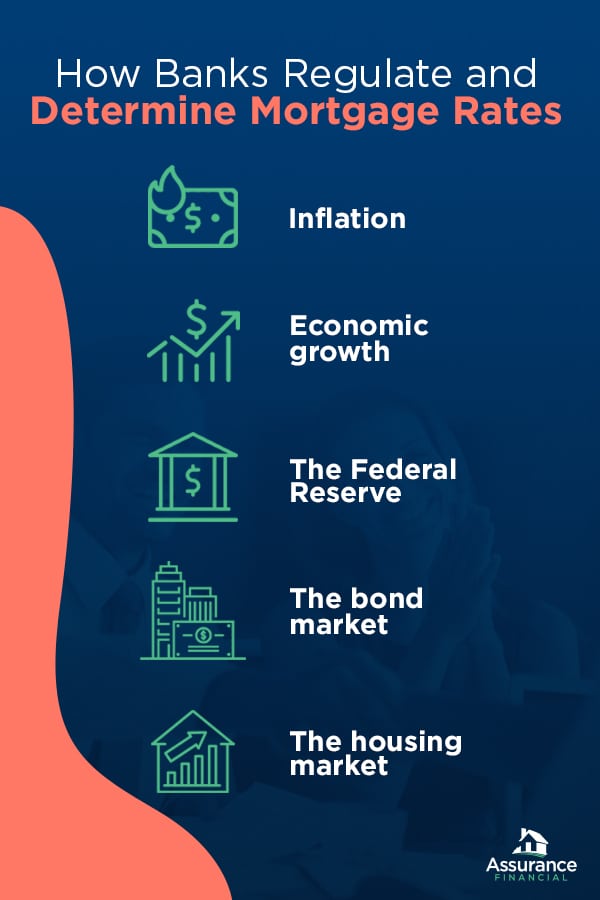
While the Federal Reserve does not directly set mortgage rates, its influence is absolute. The Fed sets the federal funds rate—the rate at which banks lend to each other overnight. When the Fed raises rates to combat inflation, the cost of borrowing increases across the board, including for mortgages.
Investors in mortgage-backed securities (MBS) demand higher yields when inflation is high to ensure their real return remains positive. Therefore, a “good” rate during an inflationary period will naturally be higher than during a period of economic stagnation. Monitoring the Consumer Price Index (CPI) and Fed meeting minutes can give you a signal of whether rates are likely to trend up or down in the coming months.
Key Factors That Determine Your Personal Interest Rate
Lenders do not offer the same rate to every applicant. Instead, they use “risk-based pricing” to determine how much interest to charge. To get a good rate, you must present the lowest possible risk to the lender.
Credit Score: The Ultimate Lever
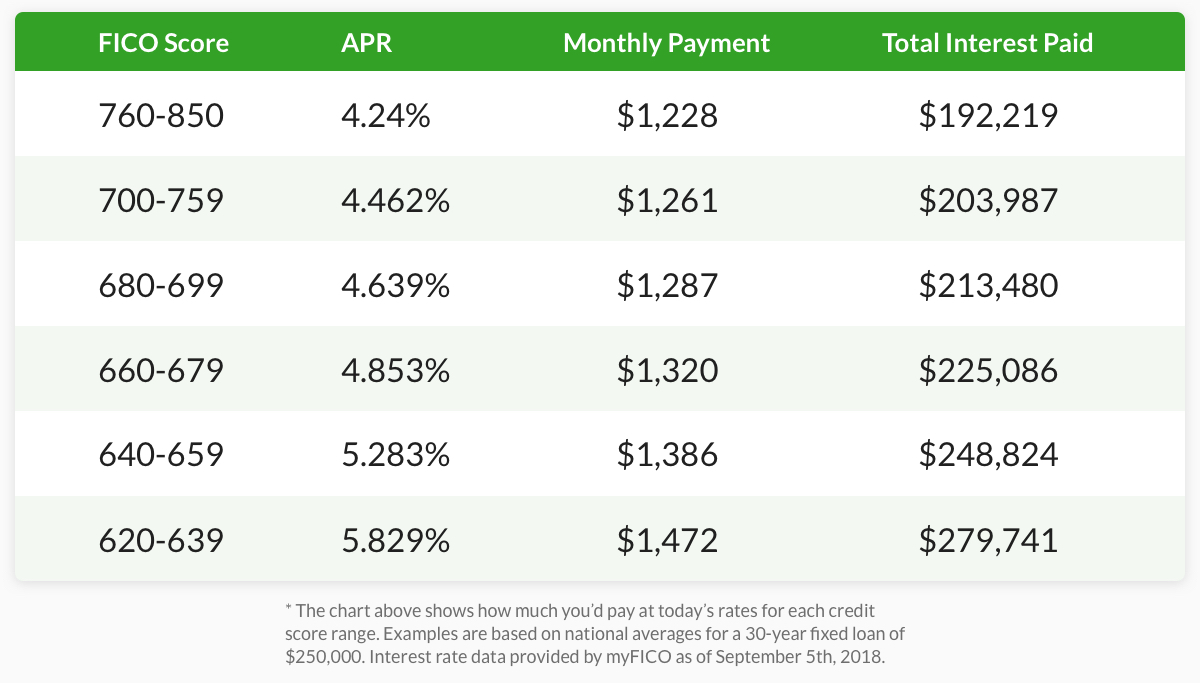
Your credit score is the single most influential factor in the mortgage rate you are offered. Lenders typically categorize borrowers into tiers. Those with “Excellent” credit (740 to 850) are offered the lowest possible rates. Even a small jump from a 680 to a 720 score can result in a rate difference of 0.5% or more. Over a 30-year loan, that half-percentage point can translate into tens of thousands of dollars in interest savings. To secure a good rate, it is essential to review your credit report months in advance, paying down revolving balances and ensuring no errors are dragging your score down.
Debt-to-Income Ratio (DTI)
Your DTI ratio measures how much of your monthly gross income goes toward paying debts. Lenders prefer a DTI of 36% or lower, though some programs allow for higher ratios. A lower DTI signals to the lender that you have the financial “breathing room” to handle a mortgage payment even if your income fluctuates. Borrowers with high DTI ratios are often viewed as higher risk, which can lead to higher interest rates or the requirement of additional private mortgage insurance (PMI).
Loan-to-Value (LTV) and Your Down Payment
The Loan-to-Value ratio compares the amount of the loan to the appraised value of the home. A 20% down payment results in an 80% LTV, which is the industry gold standard. When you put less than 20% down, the lender takes on more risk—if the market dips, you could quickly find yourself “underwater” (owing more than the home is worth). To compensate for this risk, lenders often charge higher interest rates or require PMI. Consequently, one of the most effective ways to secure a “good” rate is to increase your down payment, thereby lowering the LTV.
Different Loan Types and Their Rate Profiles
Not all mortgages are created equal. The “rate” you see advertised on a billboard is often for a very specific type of loan that may not apply to your situation. Understanding the nuances of different loan products is vital for accurate benchmarking.
Conventional vs. Government-Backed Loans
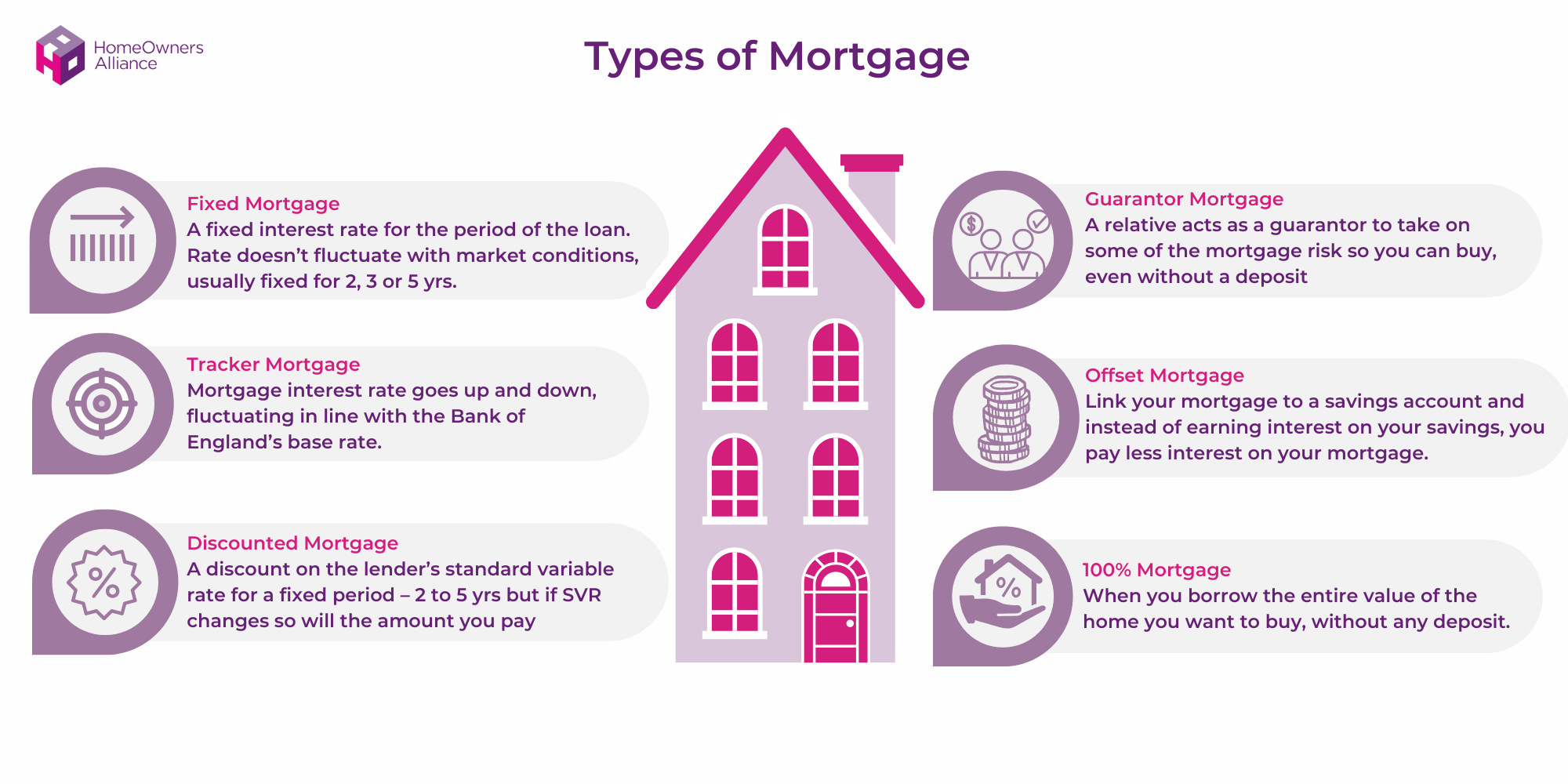
Conventional loans are those not insured by the federal government. They typically require higher credit scores but offer more flexibility. On the other hand, government-backed loans like FHA (Federal Housing Administration), VA (Department of Veterans Affairs), and USDA (Department of Agriculture) often have lower interest rates than conventional loans.
For example, a VA loan—available to veterans and active-duty service members—often boasts the lowest rates in the market because the government guarantees a portion of the loan. An FHA loan might have a lower nominal interest rate than a conventional loan for a borrower with a 620 credit score, but it may come with higher insurance premiums that increase the overall cost.
Fixed-Rate vs. Adjustable-Rate Mortgages (ARMs)
A fixed-rate mortgage keeps the same interest rate for the life of the loan, providing stability. An Adjustable-Rate Mortgage (ARM) usually starts with a lower “teaser” rate for a set period (like 5, 7, or 10 years) before adjusting based on market indices.
In a high-rate environment, an ARM can be a strategic tool. If you plan to sell the home or refinance within five years, a 5/1 ARM might offer a rate significantly lower than a 30-year fixed mortgage. However, this comes with the risk that if rates are even higher when the adjustment period hits, your monthly payment could skyrocket.
15-Year vs. 30-Year Terms
The term of the loan significantly impacts the interest rate. Lenders offer lower rates on 15-year mortgages because they are recouping their capital twice as fast and taking on less long-term interest rate risk. While the monthly payment is higher due to the shorter amortization period, the interest rate is often 0.5% to 1.0% lower than a 30-year term. For the financially disciplined, this is the most effective way to minimize the total cost of debt.
Strategies to Secure the Best Possible Mortgage Rate
Securing a good mortgage rate is not a passive activity. It requires a combination of timing, research, and financial maneuvering.
Shopping Multiple Lenders
Many homebuyers make the mistake of accepting the first rate quote they receive from their primary bank. However, mortgage rates vary significantly between national banks, credit unions, and independent mortgage brokers. Research has shown that borrowers who get at least three quotes can save an average of $1,500 to $3,000 over the life of the loan, while five quotes can double those savings. Different lenders have different “appetites” for risk and different overhead costs, which they pass on to you through the rate.
Buying Down the Rate with Points
“Discount points” allow you to pay more upfront at closing in exchange for a lower interest rate. One point typically costs 1% of the total loan amount and lowers your interest rate by approximately 0.25%.
Deciding if this is a “good” deal depends on your “break-even point.” If paying $4,000 in points saves you $100 a month, your break-even point is 40 months. If you plan to stay in the home for ten years, buying points is a mathematically sound way to secure a rate that is lower than the market average.
Timing the Market and Locking Your Rate
Mortgage rates change daily, and sometimes hourly. Once you find a rate you are comfortable with, you should “lock” it. A rate lock guarantees that your interest rate won’t change between the time you apply and the time you close, provided you close within a specific window (usually 30 to 60 days). If rates rise during your escrow period, you are protected. If they fall significantly, some lenders offer a “float-down” option that allows you to capture the lower rate for an additional fee.
Beyond the Interest Rate: The True Cost of Borrowing
A “good” rate is only part of the equation. To truly understand the value of a loan offer, you must look at the total cost of the credit.
Annual Percentage Rate (APR) vs. Interest Rate
The interest rate is the cost you pay each year to borrow the money, expressed as a percentage. The APR, however, is a broader measure. It includes the interest rate plus other costs such as broker fees, points, and some closing costs. When comparing two loan offers, the APR is the more accurate tool. A loan with a 6.5% interest rate but high fees might have a higher APR than a loan with a 6.7% interest rate and zero fees. Always use the APR to determine which “good” rate is actually the better deal.
Closing Costs and Hidden Fees
A lender might offer an impressively low interest rate to lure you in, only to make up the profit through inflated closing costs. These can include application fees, underwriting fees, and loan origination fees. When evaluating a mortgage offer, always request a Loan Estimate. This standardized document allows you to see exactly where your money is going. A “good” mortgage rate paired with exorbitant fees is often a bad financial move.
In conclusion, a good mortgage rate is a relative figure. It is the intersection of the current economic climate and your personal financial discipline. By maintaining a high credit score, keeping debt levels low, and aggressively shopping among different lenders, you can secure a rate that sits at the bottom of the current market range. While you cannot control the Federal Reserve, you can control your profile as a borrower, ensuring that when you do enter the market, you receive the most competitive terms possible.
aViewFromTheCave is a participant in the Amazon Services LLC Associates Program, an affiliate advertising program designed to provide a means for sites to earn advertising fees by advertising and linking to Amazon.com. Amazon, the Amazon logo, AmazonSupply, and the AmazonSupply logo are trademarks of Amazon.com, Inc. or its affiliates. As an Amazon Associate we earn affiliate commissions from qualifying purchases.