
When evaluating a financial product as critical as auto or homeowners insurance, the question “how is Progressive insurance?” must be answered through the lens of fiscal responsibility. For the modern consumer, insurance is not merely a legal requirement or a monthly bill; it is a vital component of a comprehensive personal finance strategy designed to protect assets and mitigate risk. Progressive, as one of the largest insurance carriers in the United States, occupies a unique position in the market. To understand its true value, one must look past the ubiquitous marketing campaigns and dive into the numbers, the financial stability of the firm, and the actual cost-to-benefit ratio it offers the policyholder.

Understanding Progressive’s Financial Stability and Market Position
In the world of personal finance, the “strength” of an institution is paramount. If you are paying premiums to a company for a decade, you need absolute certainty that the firm will have the liquidity and solvency to pay out a high-value claim should a catastrophe occur. Progressive is a powerhouse in this regard, consistently holding a top-tier position in the property and casualty insurance industry.
Credit Ratings and Solvency
Financial analysts and investors often look to independent rating agencies like A.M. Best, Moody’s, and S&P Global to gauge a company’s health. Progressive consistently maintains an “A+” (Superior) rating from A.M. Best. This rating indicates a very strong ability to meet their ongoing insurance obligations. For the policyholder, this means the risk of the company defaulting on a claim due to economic downturns or a high volume of regional disasters is statistically negligible. When you integrate Progressive into your financial plan, you are partnering with a company that has a robust balance sheet and a conservative approach to capital management.
Market Share and Long-term Reliability
Progressive is not just a participant in the market; it is a leader that often sets the pace for the rest of the industry. As the third-largest auto insurer in the U.S., its massive pool of policyholders allows it to utilize “The Law of Large Numbers” more effectively than smaller regional players. This scale provides a buffer against localized losses and allows for more predictable pricing models. From a financial perspective, a company with increasing market share—as Progressive has demonstrated over the last decade—indicates a healthy inflow of capital and a competitive product that resonates with the broader economy.
Analyzing the Cost-Benefit Ratio: Pricing and Discounts
For most individuals, the “how” of Progressive comes down to the impact on the monthly budget. In the realm of personal finance, the goal is to minimize expenses while maximizing coverage. Progressive has pioneered several tools specifically designed to give consumers control over their premiums, making it a favorite for those who are budget-conscious but still require comprehensive asset protection.
Competitive Rate Structures
Progressive’s pricing algorithm is notoriously complex, utilizing thousands of data points to categorize risk. While they are often highly competitive for drivers with a clean record, they are also known for being one of the more forgiving companies for those with a “less than perfect” financial or driving history. This flexibility allows individuals in various stages of financial recovery—such as those rebuilding their credit—to find coverage that doesn’t derail their broader financial goals.
The Impact of the Name Your Price® Tool
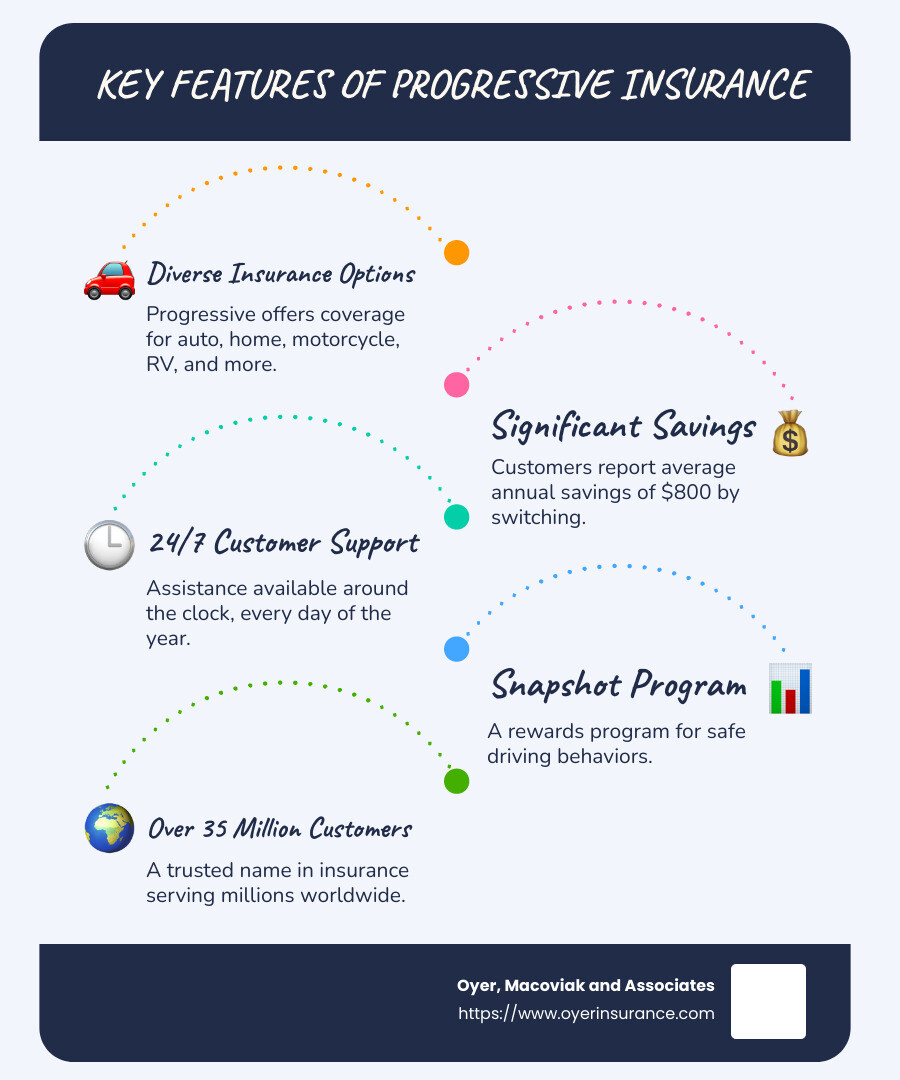
One of Progressive’s most significant contributions to the financial side of insurance is the “Name Your Price” tool. From a financial planning perspective, this is a revolutionary approach to premium management. Instead of being presented with a take-it-or-leave-it quote, users can input the amount they have budgeted for insurance, and the tool will adjust coverage limits and deductibles to meet that price point. This allows for precise cash flow management, ensuring that an insurance premium never exceeds a predetermined percentage of one’s monthly income.
Multi-Policy and Loyalty Savings
The strategy of “bundling” is a cornerstone of smart money management. Progressive offers significant discounts for customers who combine auto insurance with homeowners, renters, or boat insurance. These multi-policy discounts often range from 5% to 12% off the total premium. Furthermore, Progressive rewards financial longevity through its “Continuous Coverage” discount, which lowers rates for those who have maintained insurance without gaps, regardless of who their previous carrier was. This incentivizes long-term financial stability and rewards the responsible consumer.
Progressive’s Tech-Driven Savings: Snapshot and Usage-Based Insurance

In recent years, the intersection of technology and personal finance has birthed “Usage-Based Insurance” (UBI). Progressive was a pioneer in this space with its “Snapshot” program. This tool is a prime example of how data-driven decision-making can directly influence an individual’s net worth by reducing fixed costs.
How Telematics Impacts Your Premium
Snapshot is a telematics program that tracks driving habits—such as hard braking, rapid acceleration, and mileage—to create a personalized risk profile. From a financial standpoint, this moves the consumer away from being judged solely on demographic “averages” (like age or zip code) and allows them to be judged on their actual behavior. Safe drivers can see substantial decreases in their premiums, sometimes upwards of 20%, which translates to hundreds of dollars saved annually. These savings, when redirected into a high-yield savings account or an IRA, can have a meaningful impact on long-term wealth accumulation.
The Financial Risk vs. Reward of Snapshot
It is important to note the financial risk associated with Snapshot. In some states, “high-risk” driving behaviors tracked by the device can actually lead to a rate increase. Therefore, from a financial planning perspective, Snapshot should be viewed as a high-stakes tool. It is an excellent option for the disciplined, low-mileage driver who wants to “monetize” their good habits, but it may be a liability for those with unpredictable commutes or aggressive driving styles. Understanding your own behavior is key to ensuring this tool works in your financial favor.
Claims Processing and Financial Recovery
The ultimate test of an insurance policy’s value occurs at the moment of a claim. An insurance policy is essentially a financial contract for future services, and the efficiency of those services determines the true ROI of the product. If a claim process is slow or the payout is undervalued, the policyholder suffers a net financial loss regardless of how low the initial premiums were.
The Concierge Claims Experience
Progressive offers a “Concierge” service in many locations, which manages the entire repair process from start to finish. For the busy professional, time is money. By handling the logistics of repairs, rentals, and inspections, Progressive reduces the “opportunity cost” associated with an accident. Furthermore, their rapid appraisal process—often conducted via mobile app photos—speeds up the time to settlement. In the context of personal finance, the faster you receive a settlement check or get your vehicle back on the road, the faster your financial life returns to equilibrium.
Payout Speed and Settlement Fairness
Market data generally shows that Progressive is efficient in its payout timeline. While no insurer is immune to disputes over total loss valuations, Progressive’s use of standardized valuation software helps maintain a level of transparency in how they calculate the Actual Cash Value (ACV) of a vehicle. For a policyholder, this transparency is crucial when negotiating a settlement that will ultimately be used to purchase a replacement asset, ensuring that the out-of-pocket gap remains as small as possible.
Final Verdict: Is Progressive the Right Financial Move?
Determining if Progressive is “good” requires an assessment of your individual financial profile. There is no one-size-fits-all answer in finance, but certain patterns emerge when looking at Progressive’s offerings.
Assessing Value for Different Demographic Tiers
Progressive tends to offer the highest financial value to three specific groups:
-
The Multi-Product Household: Those who can bundle home, auto, and umbrella policies will see the most aggressive price drops.
-
The Safe, Data-Driven Driver: Individuals willing to use the Snapshot tool can lower their cost of living significantly compared to traditional fixed-rate policies.
-
The Budget-Conscious Planner: Those who need to fit a premium into a strict monthly budget will find the “Name Your Price” tool indispensable.
Comparison with Industry Peers
When compared to competitors like State Farm or Geico, Progressive often sits in the “sweet spot” of being more tech-forward than the former and often more flexible in its underwriting than the latter. While a boutique or high-net-worth insurer might offer more “white-glove” service, they do so at a premium that often doesn’t make sense for the average investor looking to optimize their cash flow.
In conclusion, Progressive Insurance is a financially sound, technologically advanced, and competitively priced option for the majority of consumers. Its superior credit ratings provide the security necessary for long-term asset protection, while its innovative discount structures allow for the type of granular budget control that is essential in today’s economy. By viewing Progressive not just as an insurer, but as a financial tool for risk management, consumers can better integrate their policy into a holistic plan for financial success and stability.
aViewFromTheCave is a participant in the Amazon Services LLC Associates Program, an affiliate advertising program designed to provide a means for sites to earn advertising fees by advertising and linking to Amazon.com. Amazon, the Amazon logo, AmazonSupply, and the AmazonSupply logo are trademarks of Amazon.com, Inc. or its affiliates. As an Amazon Associate we earn affiliate commissions from qualifying purchases.