
In the hyper-competitive landscape of North American aviation, few names evoke as much polarized discussion as Frontier Airlines. To ask “how is Frontier Airlines” is to invite a conversation that transcends mere transportation; it is an inquiry into the efficacy of a specific, aggressive brand strategy. Frontier has positioned itself not just as a carrier, but as a disruptor within the Ultra-Low-Cost Carrier (ULCC) segment. By dissecting the brand’s architecture, customer experience strategy, and market positioning, we can understand how a company maintains a dominant market presence while deliberately stripping away the traditional “frills” of air travel.
The Architecture of an Ultra-Low-Cost Brand
The core of the Frontier brand is built upon the philosophy of “unbundling.” Unlike legacy carriers that offer a holistic, all-inclusive price point, Frontier’s brand identity is rooted in extreme transparency regarding base costs, coupled with an à la carte menu for every secondary service. This is a deliberate brand choice designed to appeal to a specific demographic: the price-sensitive traveler.
Defining the ULCC Value Proposition
Frontier’s brand promise is simple: “Low Fares Done Right.” This slogan serves as the North Star for their corporate identity. The “Low Fares” aspect is easily quantifiable, often featuring base tickets that cost less than a meal at a mid-range restaurant. However, the “Done Right” portion of the slogan is where the brand strategy becomes complex. For Frontier, “Done Right” refers to the efficiency of the operation and the ability for the consumer to choose exactly what they pay for. By marketing the absence of features—such as complimentary snacks or checked bags—as a form of consumer empowerment, Frontier has successfully carved out a niche that prioritizes financial accessibility over luxury.
Visual Identity and the “Green” Connection
A significant element of Frontier’s brand strategy is its visual storytelling, most notably the “Animal Tails.” Every aircraft in the Frontier fleet features a unique animal on its vertical stabilizer, each with a name and a backstory (such as Griz the Bear or Powder the Polar Bear). This choice is a masterstroke in brand humanization. In an industry often seen as cold and corporate, these animals provide a friendly, recognizable face that appeals to families and leisure travelers. Furthermore, Frontier has pivoted its brand identity toward environmental stewardship, marketing itself as “America’s Greenest Airline.” This is not just a marketing gimmick; it is a brand pillar supported by their young, fuel-efficient fleet and high-density seating configurations, which lower the carbon footprint per passenger.
Navigating the Friction: Customer Experience as a Brand Pillar
For any brand, the gap between the marketing promise and the actual customer experience is a critical zone of risk. Frontier operates in a high-friction environment where the brand’s survival depends on managing expectations. To understand “how” Frontier functions, one must look at how they communicate their limitations.
Managing Expectations in a Fee-Driven Model
The most significant challenge to the Frontier brand is the negative sentiment generated by its fee structure. From a brand management perspective, the company must work twice as hard to educate its consumers. The brand identity is predicated on the “personal item” rule. When a customer is surprised by a baggage fee at the gate, the brand suffers. Consequently, Frontier’s digital touchpoints—its website and app—are designed with aggressive prompts to ensure the customer understands the unbundled model. The brand’s success relies on the consumer’s “buy-in” to this model; if the customer feels cheated, the brand fails. If the customer feels they “hacked” the system for a $20 flight, the brand wins.
The Digital-First Strategy and Self-Service Branding
In recent years, Frontier took the bold brand step of eliminating its phone-based customer service in favor of digital channels, including chat and social media. From a corporate identity standpoint, this move signaled a total commitment to being a tech-forward, lean organization. While this caused initial friction, it reinforced the brand’s “no-frills” ethos. By pushing customers toward self-service, Frontier reinforces the idea that the traveler is in control of their costs. This digital-first approach aligns with the habits of their core demographic—Millennials and Gen Z travelers who prefer asynchronous communication over traditional call centers.
Competitive Positioning: Frontier vs. the Industry Giants
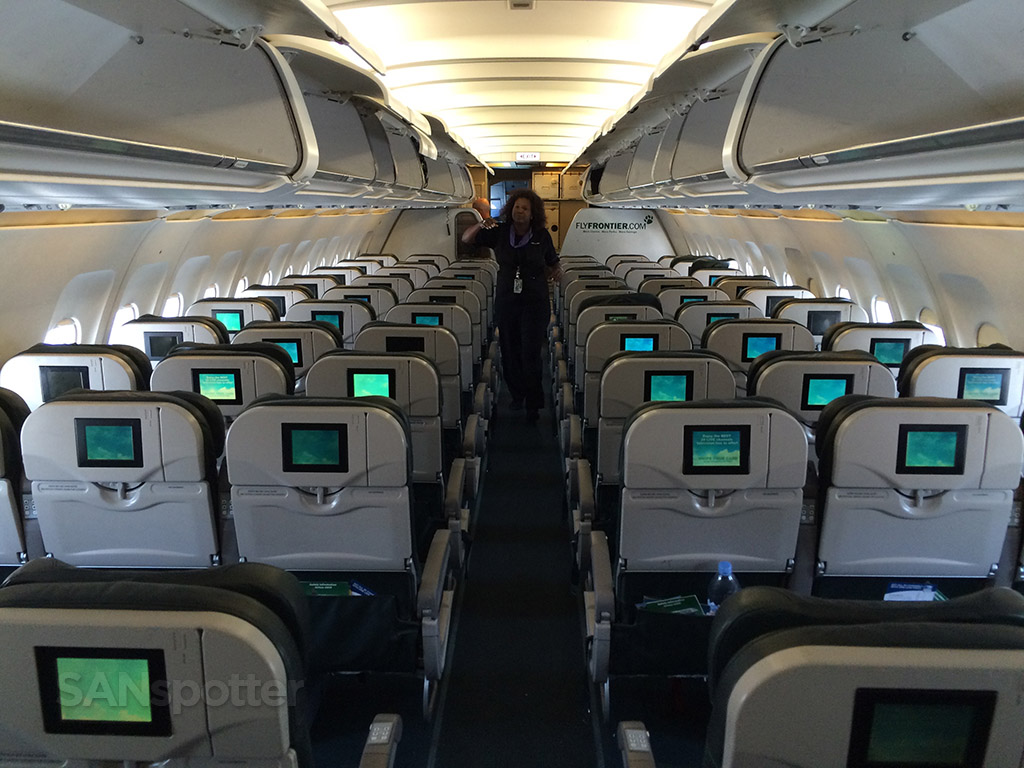
Frontier does not compete with Delta or United on service; it competes on the democratization of flight. Its brand strategy is defensive as much as it is offensive, protecting its territory against other ULCCs like Spirit Airlines while poaching budget-conscious flyers from the “Big Three.”
Differentiation in a Crowded Sky
In the brand war between Frontier and its primary rival, Spirit Airlines, Frontier has chosen a path of “approachable brightness.” While Spirit has historically leaned into a “yellow and black” utilitarian aesthetic, Frontier’s use of forest greens, crisp whites, and nature-themed imagery positions it as a more wholesome alternative. This differentiation is vital in a segment where prices are often identical. Frontier’s branding suggests a journey to a destination (the Great Outdoors), whereas Spirit’s branding often feels like a transit through a warehouse. This subtle psychological shift allows Frontier to maintain a slightly more premium perception within the lowest tier of the market.
Strategic Partnerships and the “GoWild!” Innovation
One of the most innovative moves in Frontier’s recent brand history is the introduction of the “GoWild! All-You-Can-Fly Pass.” This product is a brilliant piece of brand marketing that transforms the airline from a utility into a lifestyle subscription. By offering unlimited flights for a flat annual fee, Frontier has created a community of “super-users.” These individuals become brand ambassadors, sharing their travel stories on TikTok and Instagram. This moves the brand conversation away from “customer service complaints” and toward “adventure and spontaneity,” effectively crowdsourcing positive brand sentiment.
Reputation Management and the Future of the Frontier Brand
The longevity of the Frontier brand depends on its ability to evolve from being a “last resort” for cheap travel to a “first choice” for efficient travel. This transition requires a sophisticated approach to reputation management and operational reliability.
Recovering from Operational Challenges
Like all airlines, Frontier faces operational hurdles—weather delays, staffing shortages, and technical glitches. However, for a discount brand, these failures are often scrutinized more heavily. Frontier’s brand strategy in response has been one of radical simplicity. By focusing on “point-to-point” routes rather than complex hub-and-spoke systems, they aim to minimize the “domino effect” of delays. Communicating this operational efficiency is a key part of their corporate identity. When Frontier can boast high on-time performance metrics, it validates their “Low Fares Done Right” promise, proving that “cheap” does not have to mean “unreliable.”
Sustainability as a Core Brand Promise
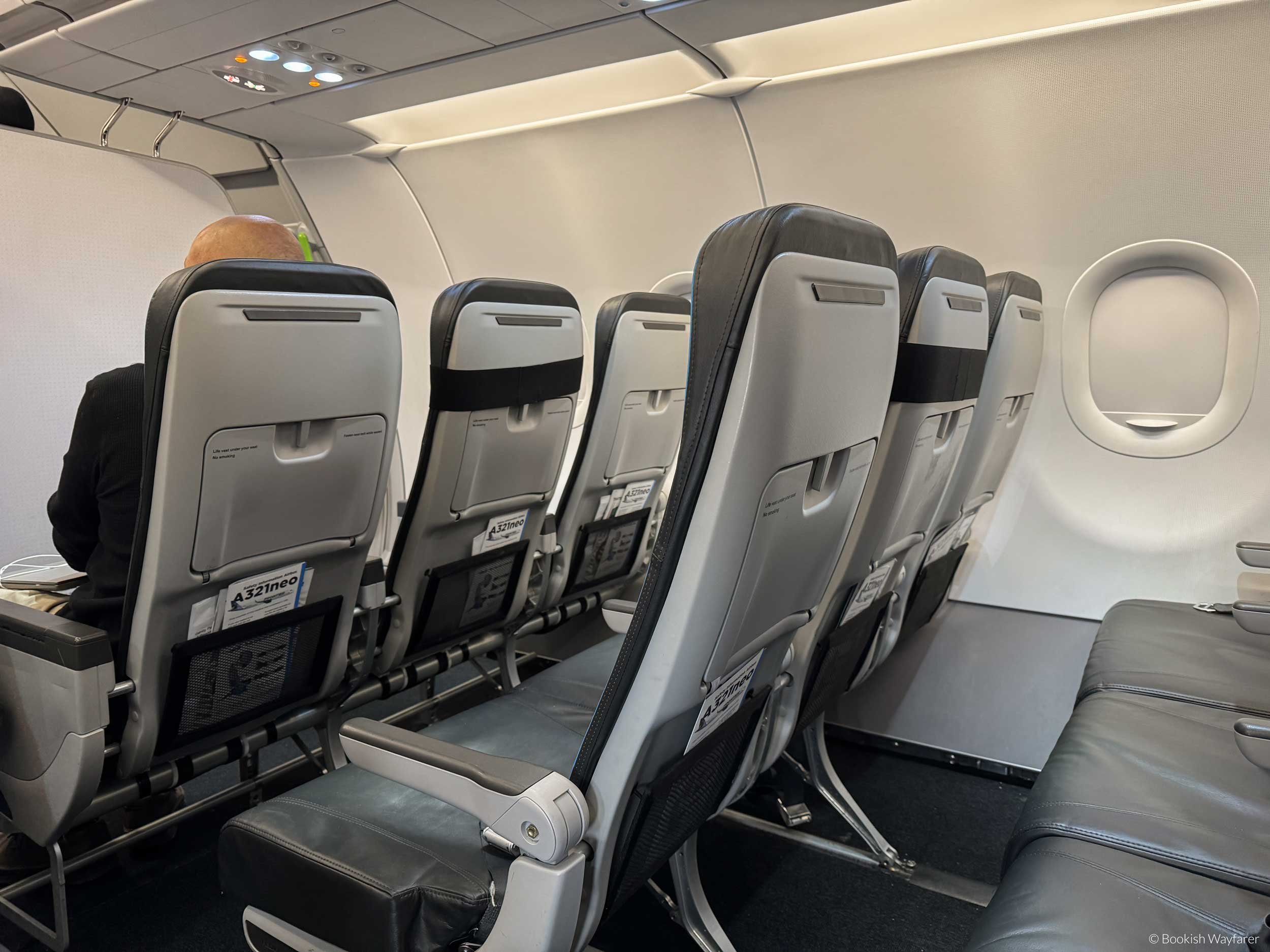
Looking forward, the Frontier brand is increasingly tethering its identity to the concept of the “Greenest Airline.” In a world where “flight shaming” and environmental impact are becoming mainstream concerns for travelers, Frontier is positioning itself as the ethical choice for the budget-conscious. By highlighting their use of the Airbus A321neo—one of the most fuel-efficient aircraft in the sky—and their seating density which reduces fuel burn per seat, they are evolving the brand. The message is clear: Frontier isn’t just saving you money; it is saving the planet more effectively than its luxury competitors. This pivot to sustainability adds a layer of “brand purpose” that goes beyond the bottom line, potentially attracting a more conscientious traveler who might have previously avoided ULCCs.

Conclusion: The Resilient Identity of Frontier
How is Frontier Airlines? From a brand perspective, it is a masterclass in disciplined identity. Frontier knows exactly what it is—and more importantly, what it is not. It does not try to be a luxury carrier, nor does it pretend to offer a seamless, high-touch experience. Instead, it leans into its role as the facilitator of the “budget adventure.”
By focusing on visual identity (the animals), environmental messaging (the greenest airline), and innovative products (the GoWild! Pass), Frontier has built a resilient brand that survives despite high levels of consumer friction. The brand succeeds because it fulfills its primary promise: getting a passenger from Point A to Point B for the lowest possible price. As long as there is a market for the democratization of travel, the Frontier brand will remain a formidable, albeit controversial, force in the skies. It is a brand that thrives on efficiency, demands an educated consumer, and continues to redefine what it means to be a “budget” entity in the modern era.
aViewFromTheCave is a participant in the Amazon Services LLC Associates Program, an affiliate advertising program designed to provide a means for sites to earn advertising fees by advertising and linking to Amazon.com. Amazon, the Amazon logo, AmazonSupply, and the AmazonSupply logo are trademarks of Amazon.com, Inc. or its affiliates. As an Amazon Associate we earn affiliate commissions from qualifying purchases.