
In the intricate world of personal and business finance, certain strings of numbers act as the silent architecture behind every transaction we make. While most consumers are intimately familiar with their debit card numbers or their online banking passwords, the “bank routing number” often remains a misunderstood component of the financial ecosystem. Yet, without this nine-digit code, the modern banking system—from your morning direct deposit to the monthly mortgage payment—would grind to a halt.
Understanding what a routing number is, how it functions, and how to use it securely is a fundamental pillar of financial literacy. Whether you are setting up a new side hustle, managing corporate accounts, or simply trying to move money between personal savings accounts, the routing number is the “address” that ensures your capital arrives at the correct destination.
Understanding the Basics: What a Bank Routing Number Represents
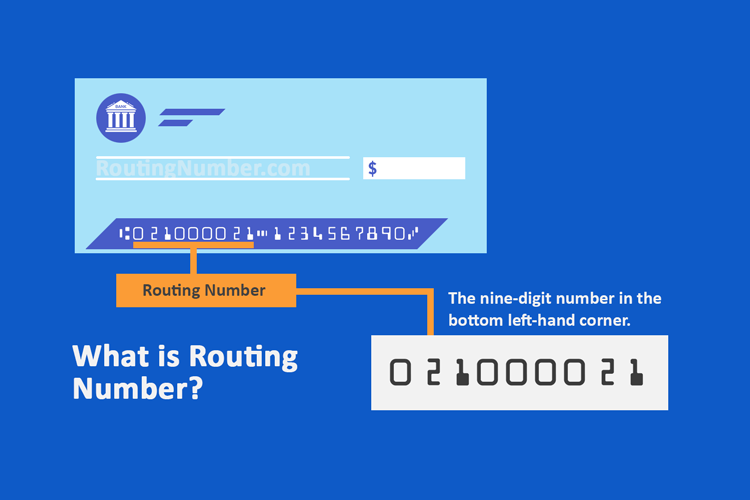
At its core, a bank routing number—often referred to as an ABA Routing Transit Number (RTN)—is a nine-digit sequence used to identify a specific financial institution within the United States. Established by the American Bankers Association (ABA) in 1910, this system was originally designed to facilitate the sorting and bundling of paper checks. Today, it serves as the primary identifier for electronic transfers, direct deposits, and automated bill payments.
The Nine-Digit Code: An Anatomy
To the untrained eye, a routing number looks like a random string of integers. However, these nine digits are highly structured and provide specific information to the Federal Reserve and other clearinghouses:
- The First Four Digits: These represent the Federal Reserve routing symbol. Specifically, the first two digits indicate the Federal Reserve district in which the bank is located, while the third digit identifies the specific Federal Reserve check processing center.
- The Middle Four Digits: These are unique to the individual financial institution. This is the “ID card” of the bank itself.
- The Ninth Digit: Known as the “check digit,” this is a mathematical verification tool. Using a complex algorithm involving the previous eight digits, the check digit ensures the number is valid and has not been mistyped during data entry.
ABA vs. RTN: Clearing Up the Terminology
In your financial journey, you may hear these numbers referred to by different names. “ABA number,” “Routing Transit Number,” and “Routing Number” all refer to the same thing. The term “ABA” honors the American Bankers Association, which maintains the registry of these numbers. While the technology behind banking has shifted from physical horse-and-carriage check delivery to fiber-optic digital transfers, the ABA designation remains the gold standard for institutional identification in the U.S.
How Routing Numbers Function in Modern Banking
The routing number acts as a GPS for your money. In any financial transaction involving two different institutions, the system needs to know not just “who” the money is for (the account number), but “where” that person’s bank is located (the routing number).
Facilitating Direct Deposits and Payroll
One of the most common uses for a routing number is the setup of direct deposits. When you start a new job or a side hustle, your employer’s payroll department will request your routing and account numbers. By providing the routing number, you are telling your employer’s bank exactly which financial institution to contact. This ensures that on payday, the funds are routed through the Automated Clearing House (ACH) network and land in your specific bank’s ledger before being credited to your individual account.
The Role in Wire Transfers and ACH Transactions
While both involve moving money, Wire Transfers and ACH (Automated Clearing House) transactions are distinct.
- ACH Transfers: These are typically used for “pulling” or “pushing” funds for bill payments or person-to-person transfers (like Venmo or Zelle). They often take 1–3 business days and are usually free or low-cost.
- Wire Transfers: These are real-time, high-priority transfers often used for large purchases, such as a down payment on a house.
Crucially, some large banks have different routing numbers for ACH transfers versus domestic wire transfers. Using the wrong one can result in a rejected transaction, which can be costly and time-consuming in a high-stakes business environment.
Paper Checks and the MICR Line
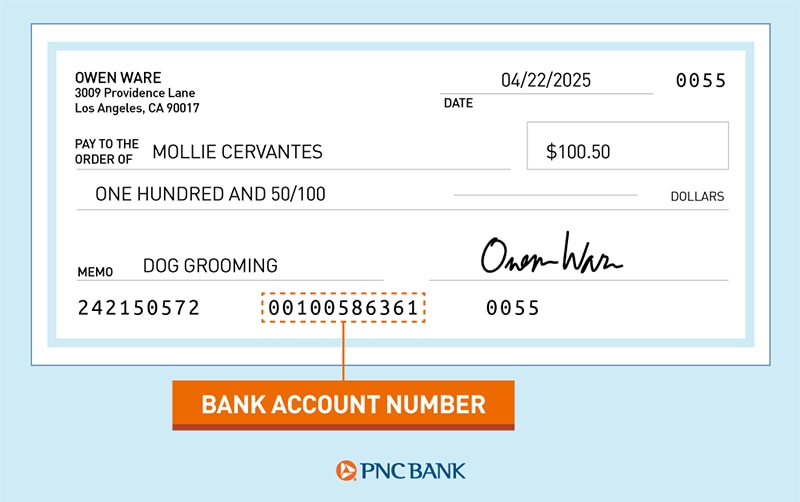
If you look at a physical check, you will notice a row of numbers at the bottom printed in a strange, blocky font. This is known as the MICR (Magnetic Ink Character Recognition) line. The first set of numbers on the left is the routing number, followed by the account number and the check number. The special magnetic ink allows high-speed sorting machines at the Federal Reserve to read the routing number instantly, ensuring the check is sent back to the correct bank for settlement.
How to Find Your Bank’s Routing Number
Finding your routing number is a simple task, but it requires precision. Entering a single digit incorrectly can send your money into a “suspense account” at a different bank, leading to weeks of administrative headaches to recover the funds.
Locating Numbers on Personal Checks
As mentioned, the most traditional way to find your routing number is by looking at a check. It is always the nine-digit number located in the bottom-left corner. It is important to note that you should not confuse it with your account number (usually in the middle) or the check number (usually on the far right).
Digital Methods: Online Banking and Mobile Apps
In the era of digital-first banking, many consumers no longer carry physical checkbooks. Most banks now display your routing number prominently within their mobile app or online portal. Typically, you can find this by clicking on “Account Details” or “Direct Deposit Information.” This is often the safest way to find the number, as it ensures you are viewing the most current information for your specific branch or account type.
When One Bank Has Multiple Routing Numbers
It is a common misconception that a bank has only one routing number. Large, national institutions like Chase, Bank of America, or Wells Fargo often have dozens of routing numbers based on the state where the account was opened. Additionally, as banks merge and acquire one another, they may maintain multiple routing numbers for different regions. Always verify the routing number associated with your specific branch’s geographic location to avoid delays in fund processing.
Security and Privacy: Managing Your Banking Information
In a world of increasing digital fraud, many people wonder: “Is it safe to give out my routing number?” Because the routing number is technically public information (you can look up any bank’s routing number on the ABA website), it is not a “secret” in the same way your social security number or PIN is.
Is Sharing Your Routing Number Safe?
Generally, a routing number by itself cannot be used to steal money from your account. It simply identifies the bank. However, when paired with your account number, it provides the keys to initiate a transaction. This is why you should only provide this information to trusted entities, such as your employer, the IRS, or reputable utility companies. Be wary of “phishing” emails or texts asking for this information under the guise of an “urgent update” to your account.
Preventing Fraud and Unauthorized Access
While the routing number is a necessary part of commerce, you should treat your account/routing combination with care.
- Monitor Statements: Regularly check your bank statements for unauthorized ACH withdrawals.
- Positive Pay: For business owners, many banks offer “Positive Pay” services. This system requires the bank to verify the routing and account information of a check against a list provided by the business before the funds are released.
- Use Secure Portals: When setting up payments for side hustles or online income, always use encrypted portals rather than sending your banking details via unencrypted email.
The Future of Routing: Real-Time Payments and Digital Evolution
The financial landscape is shifting toward “Real-Time Payments” (RTP). While the routing number system has served us well for over a century, the demand for instantaneous liquidity is driving change.
From Paper to Pix: The Shift to Instant Clearing
Systems like the Federal Reserve’s “FedNow” service are designed to modernize the way routing numbers are used. Instead of waiting for overnight batches to process (the traditional ACH method), new systems allow for the instant settlement of funds using the existing routing infrastructure. This means your “Money” niche activities—like receiving payment for a freelance gig—can happen in seconds rather than days.
Global Equivalents: SWIFT and IBAN Codes
If you are engaging in international business or investing, you will encounter the global cousins of the routing number. While the U.S. uses the nine-digit ABA routing number, the rest of the world typically uses:
- SWIFT/BIC Codes: An 8 to 11-character code that identifies banks globally.
- IBAN (International Bank Account Number): Primarily used in Europe and the Middle East to identify specific accounts across international borders.
Understanding these distinctions is crucial for anyone involved in global finance or offshore investing. While the routing number is the king of domestic U.S. finance, the SWIFT code takes over once the money crosses the Atlantic or Pacific.

Conclusion
The bank routing number may seem like a dry, technical detail, but it is the fundamental “address” of your financial life. Whether you are building wealth through disciplined investing, managing the cash flow of a growing business, or simply ensuring your paycheck arrives on time, the routing number is the vehicle that makes it possible. By understanding how to find, use, and protect this nine-digit code, you empower yourself to navigate the complex world of personal finance with confidence and precision. In the modern economy, knowledge of the “plumbing” of the financial system is just as important as the money flowing through it.
aViewFromTheCave is a participant in the Amazon Services LLC Associates Program, an affiliate advertising program designed to provide a means for sites to earn advertising fees by advertising and linking to Amazon.com. Amazon, the Amazon logo, AmazonSupply, and the AmazonSupply logo are trademarks of Amazon.com, Inc. or its affiliates. As an Amazon Associate we earn affiliate commissions from qualifying purchases.